Air quality deep cleaning services in Miami often involve much more than standard housekeeping or surface disinfection. In South Florida, indoor environments are constantly affected by humidity, airborne particles, HVAC circulation, moisture intrusion, outdoor pollutants, dust accumulation, microbial contamination, and environmental buildup that gradually settles into ventilation systems, structural surfaces, furnishings, and hidden indoor spaces.
Many homes and commercial buildings throughout Miami, Miami Beach, Brickell, Coral Gables, Coconut Grove, Kendall, Pinecrest, Doral, Aventura, Fort Lauderdale, Boca Raton, Naples, West Palm Beach, and surrounding South Florida communities experience declining indoor air quality without obvious visible warning signs. People may notice stale air, musty odors, recurring dust buildup, increased humidity, respiratory irritation, or rooms that feel heavy or uncomfortable even after routine cleaning.
In many cases, these indoor environmental issues are connected to contaminants that standard cleaning methods do not fully address.
South Florida’s climate creates unique indoor air quality challenges because buildings remain closed and air conditioned for most of the year. Air continuously recirculates through HVAC systems while humidity remains elevated outdoors. Over time, airborne particles may accumulate inside ducts, insulation, vents, ceiling cavities, upholstery, flooring systems, and hidden structural areas where they continue affecting the indoor environment.
Air quality deep cleaning focuses on reducing this environmental buildup while addressing the conditions contributing to poor indoor air circulation and contamination.
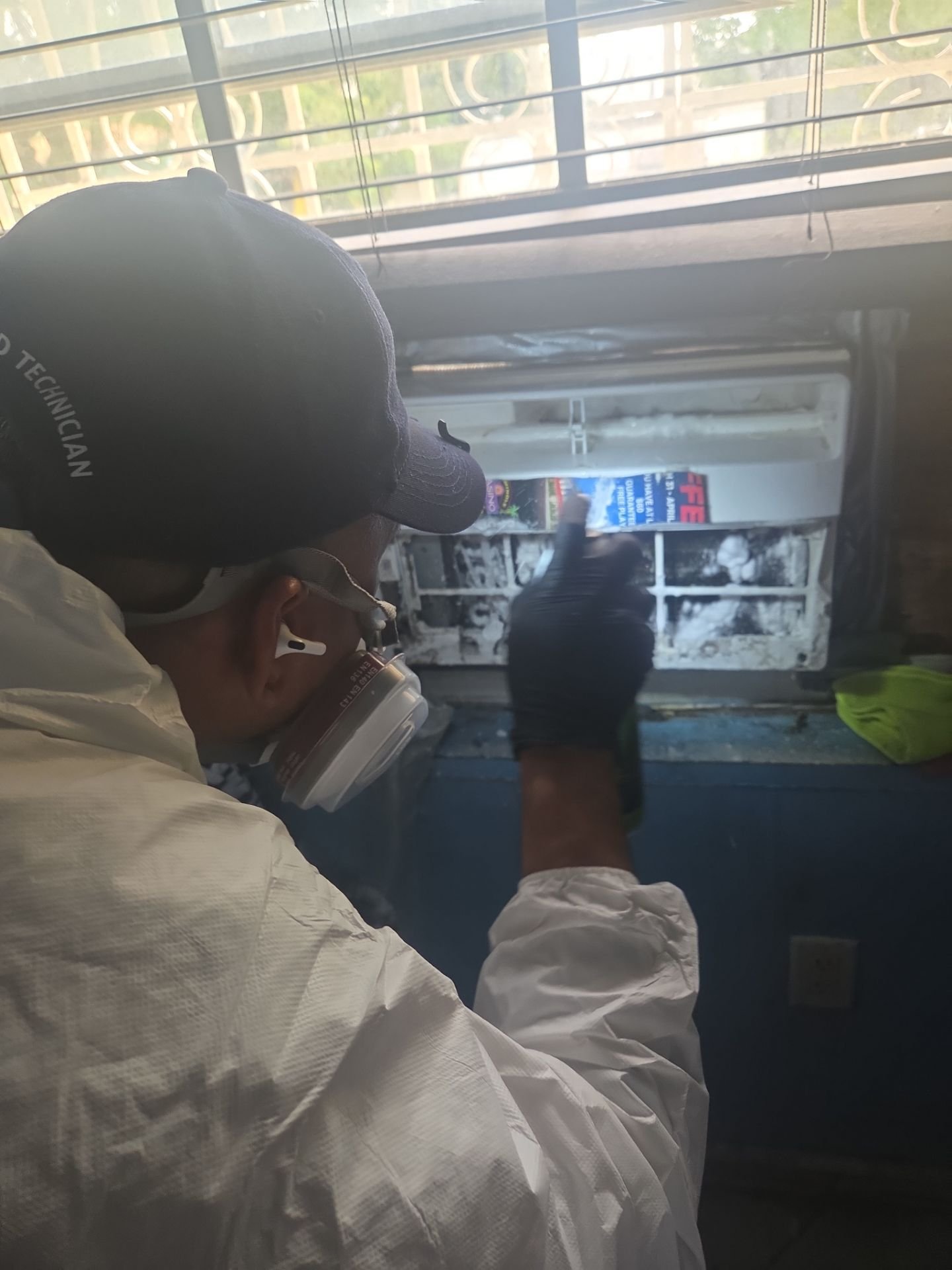
One of the biggest contributors to declining indoor air quality in Miami homes is humidity. Excess moisture allows dust, organic debris, microbial particles, and airborne contaminants to settle more easily onto indoor surfaces and inside ventilation systems. If moisture remains elevated long enough, microbial growth may begin developing inside hidden structural areas or HVAC components.
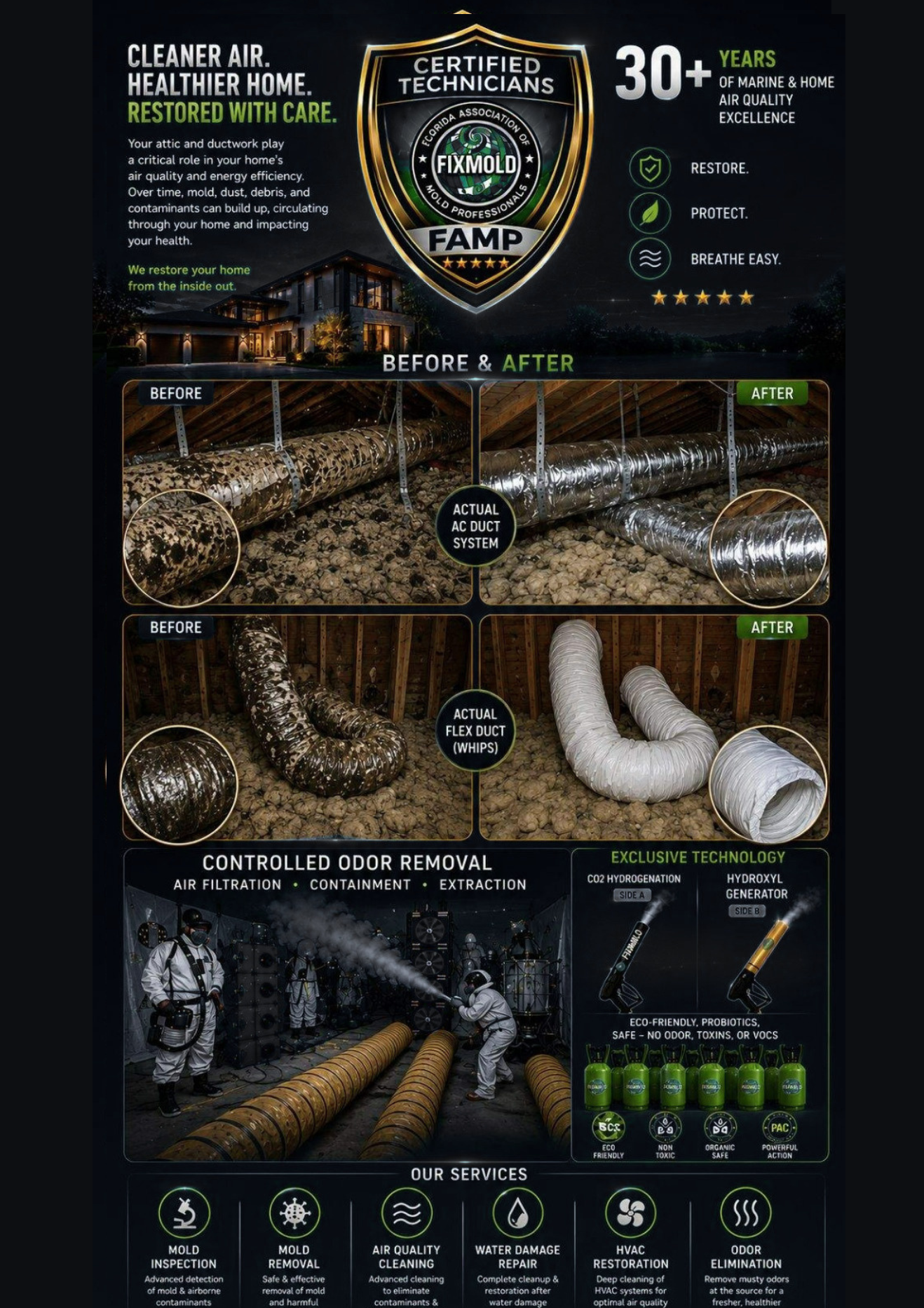
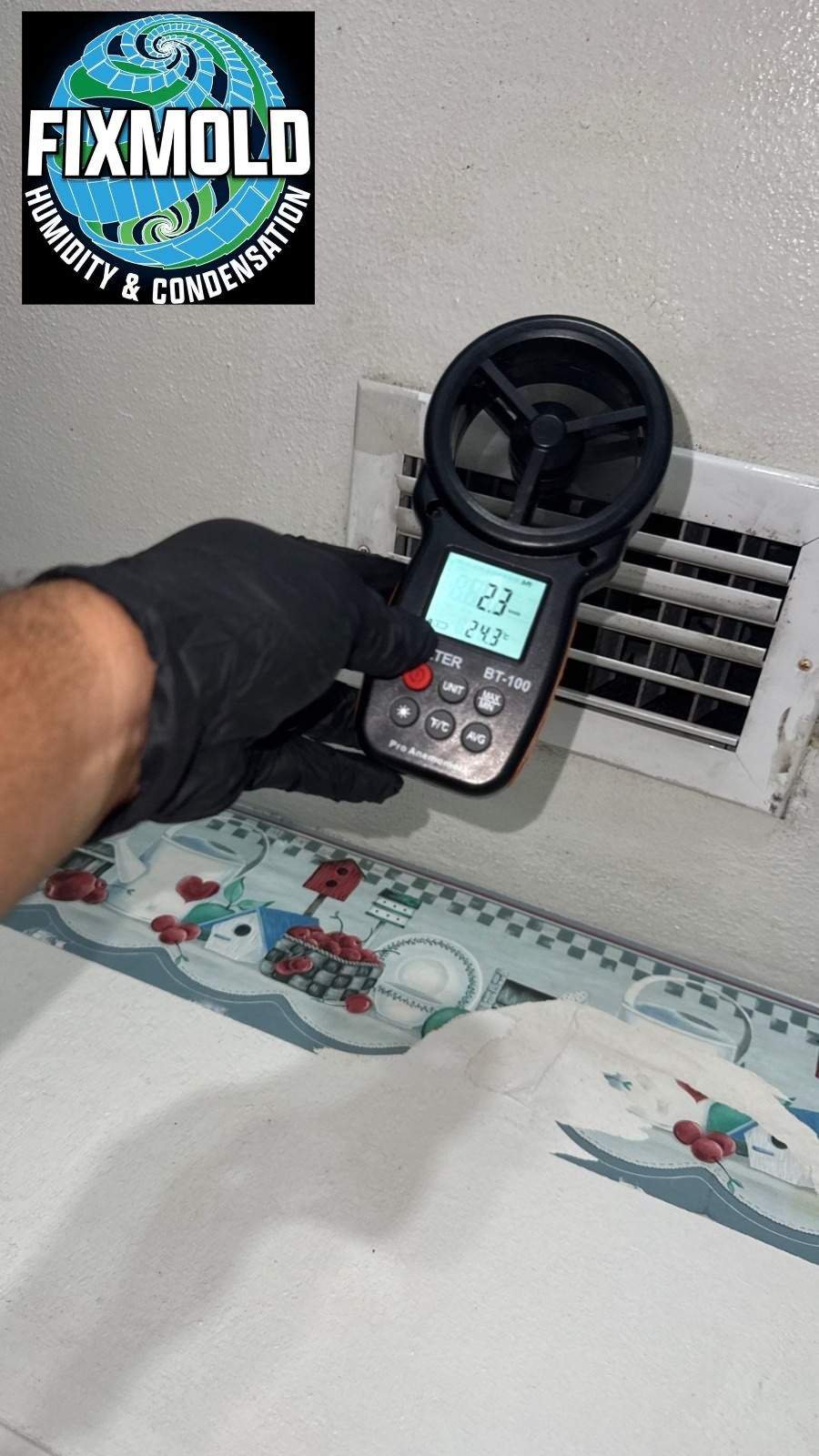
HVAC systems play a major role in indoor air quality because they continuously move air throughout the building. If dust, moisture, insulation particles, microbial buildup, or contaminants accumulate inside ducts or air handlers, those particles may circulate repeatedly throughout the property.
Many homeowners first recognize air quality problems through persistent musty odors, recurring dust, sinus irritation, headaches, or discomfort that improves when they leave the property. In South Florida, these symptoms are often connected to indoor environmental imbalance rather than a single isolated issue.
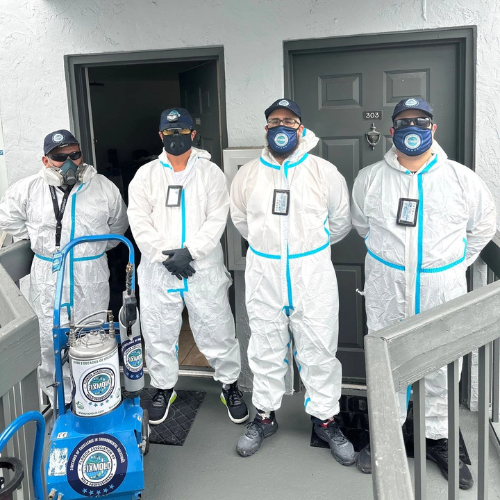
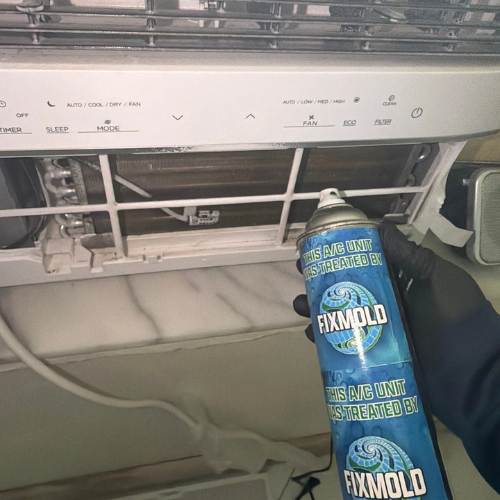
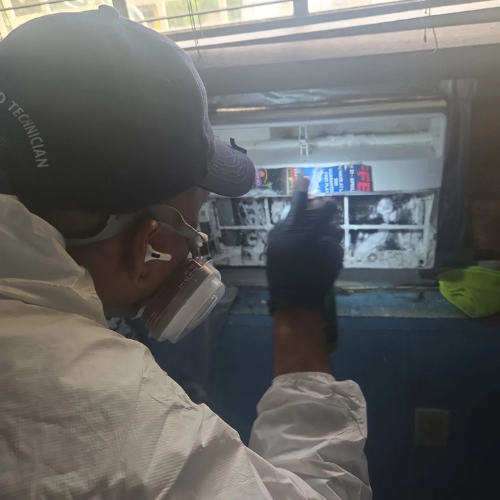
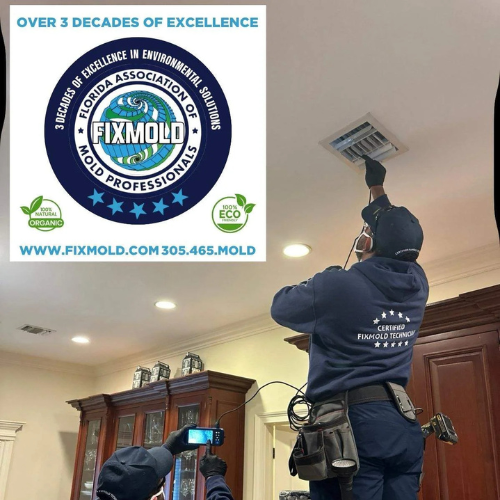
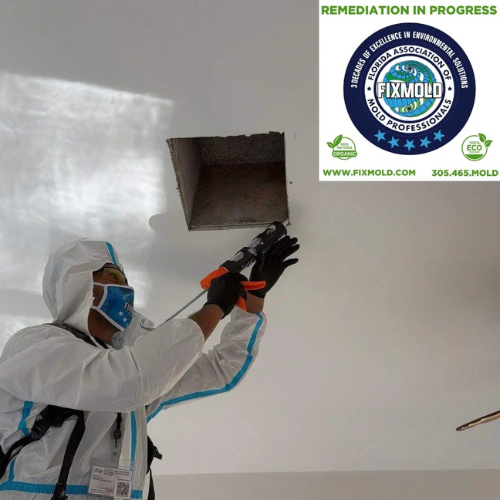
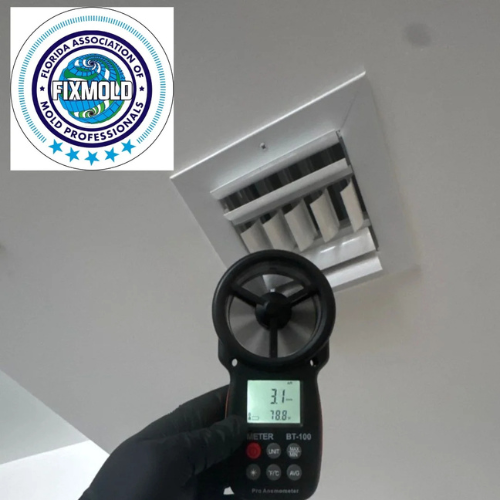
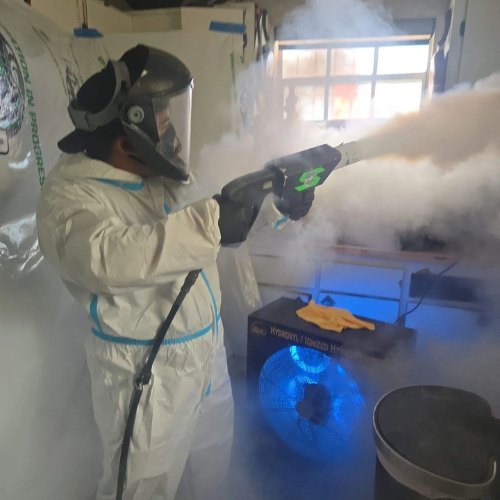
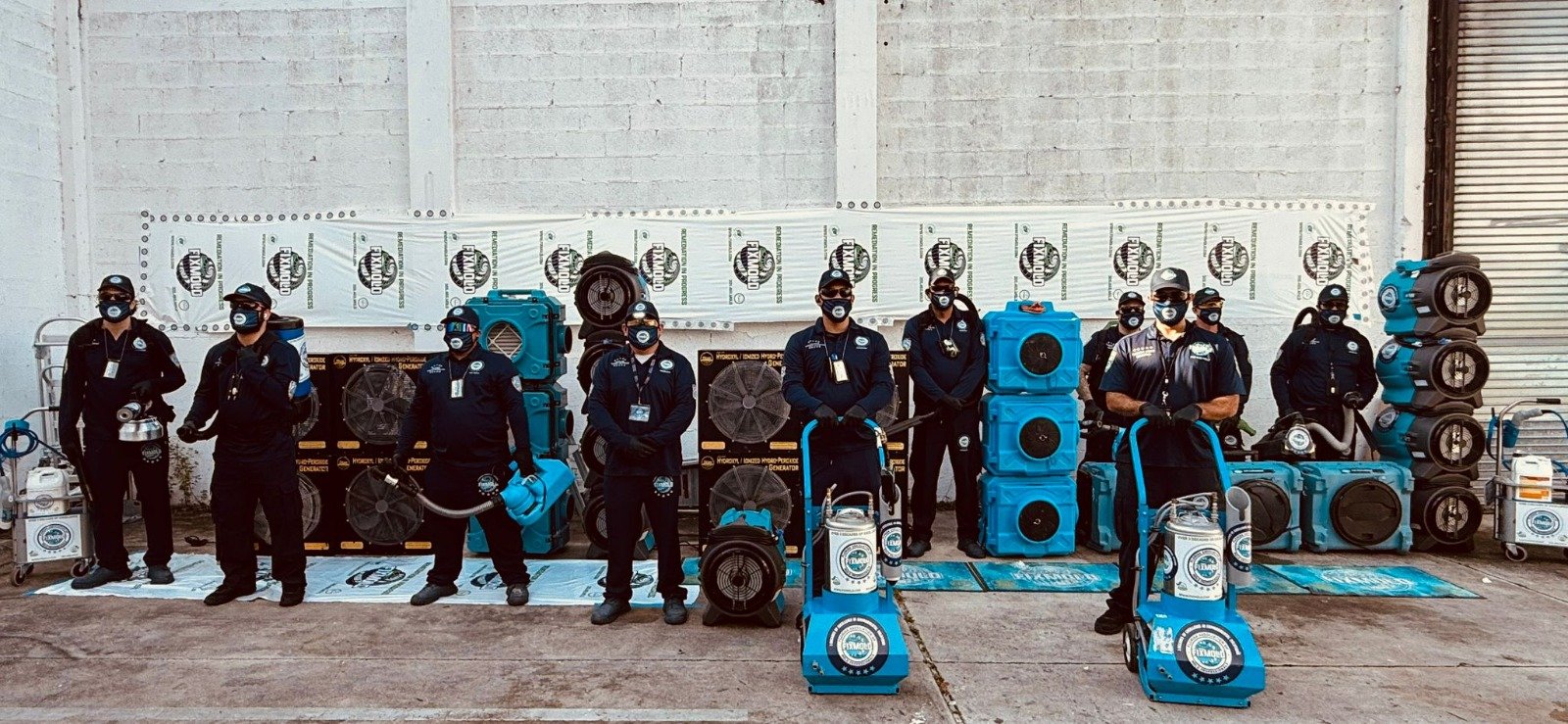
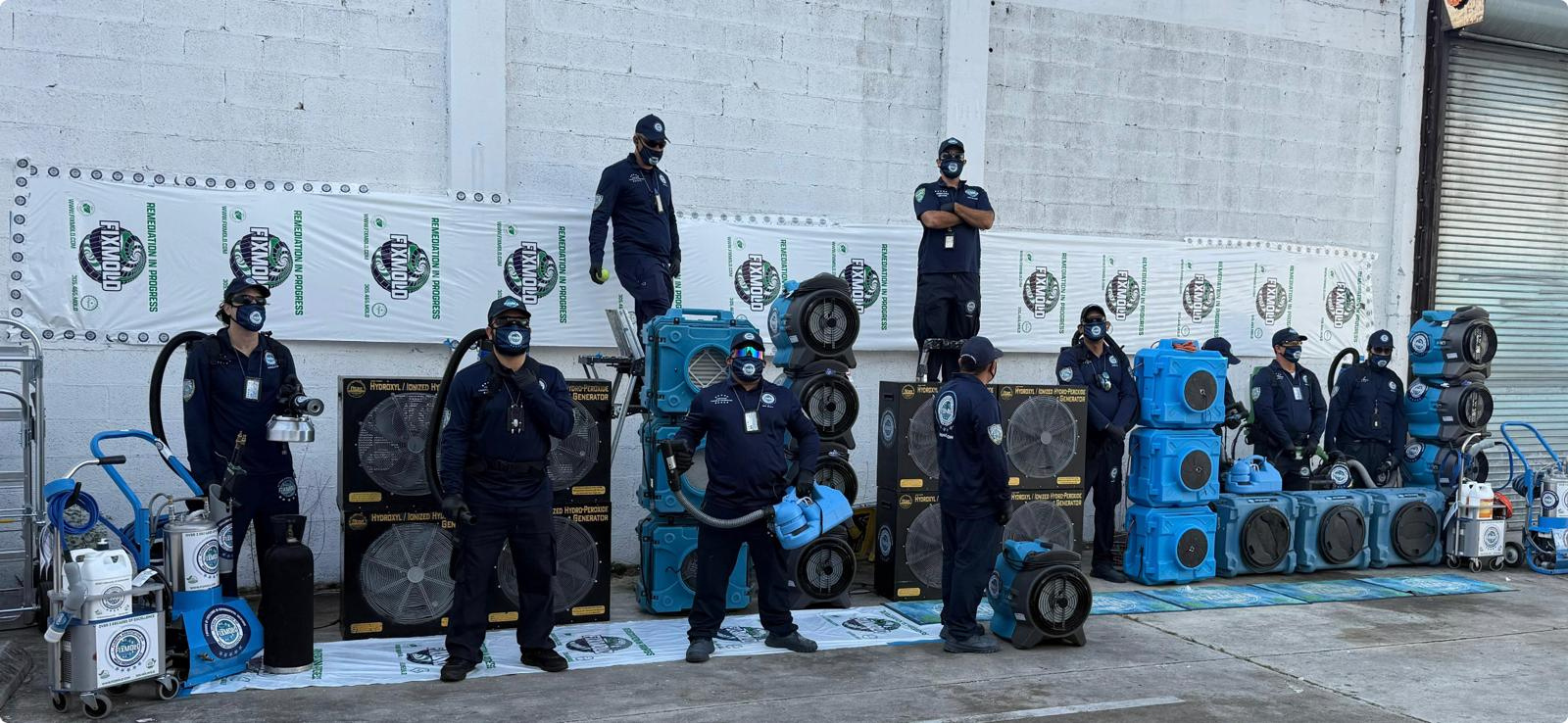
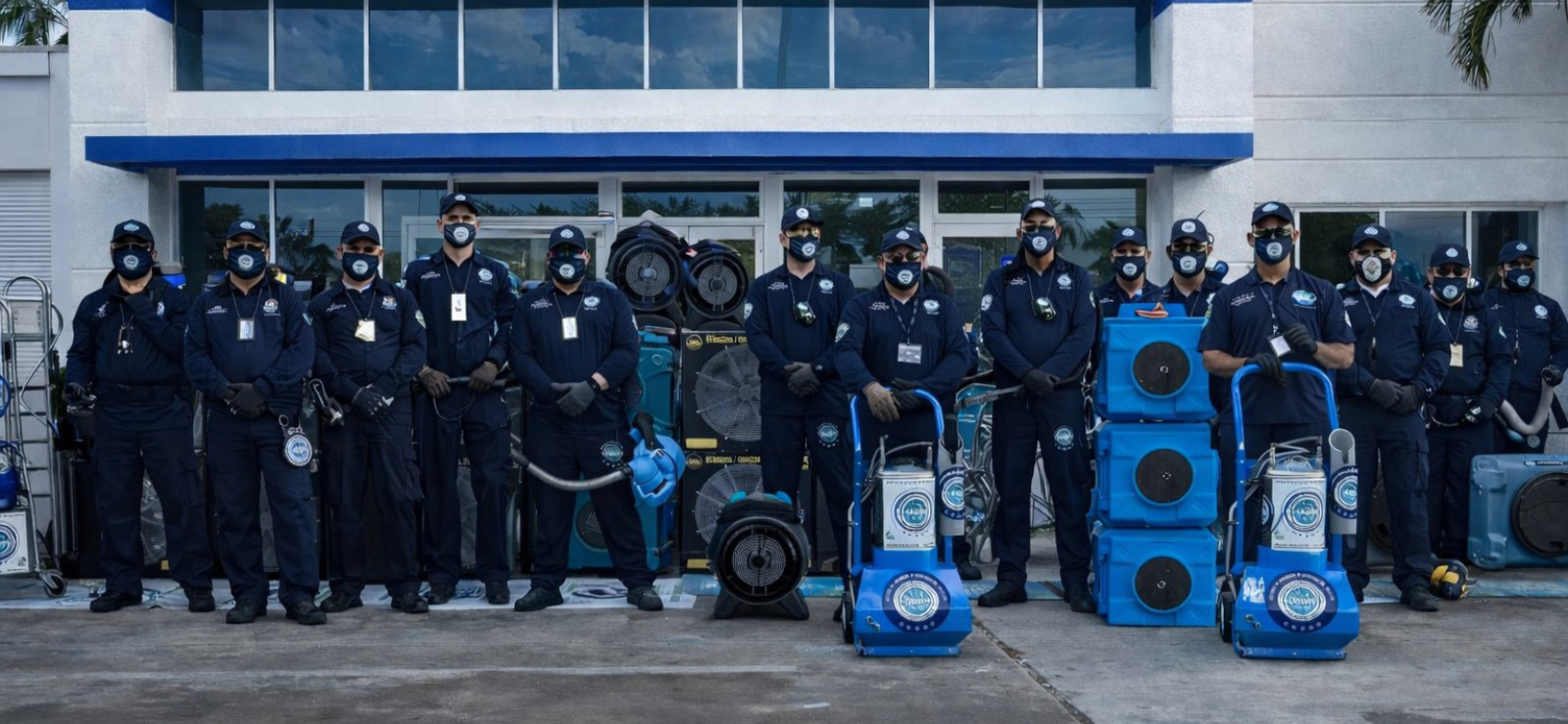
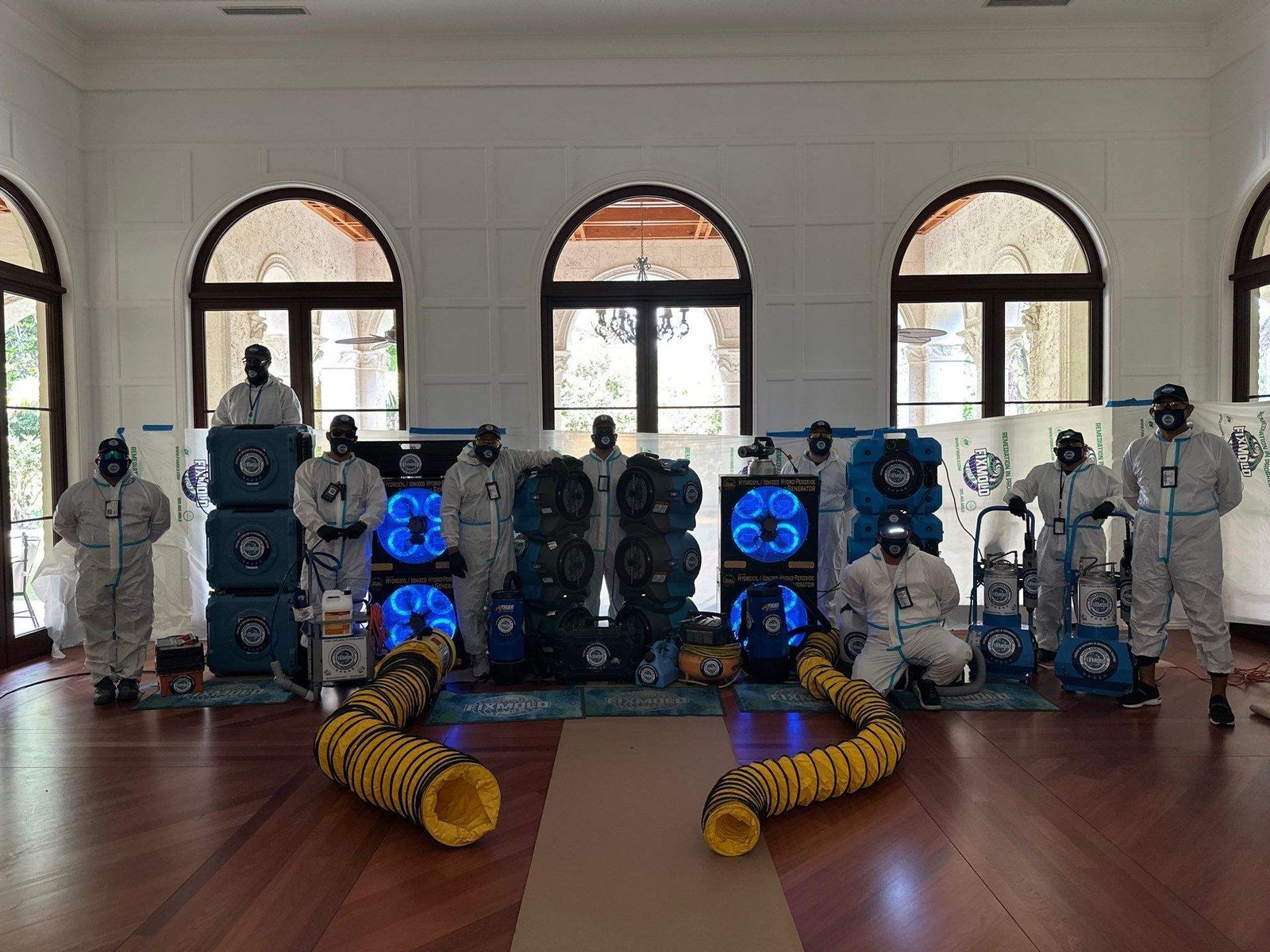
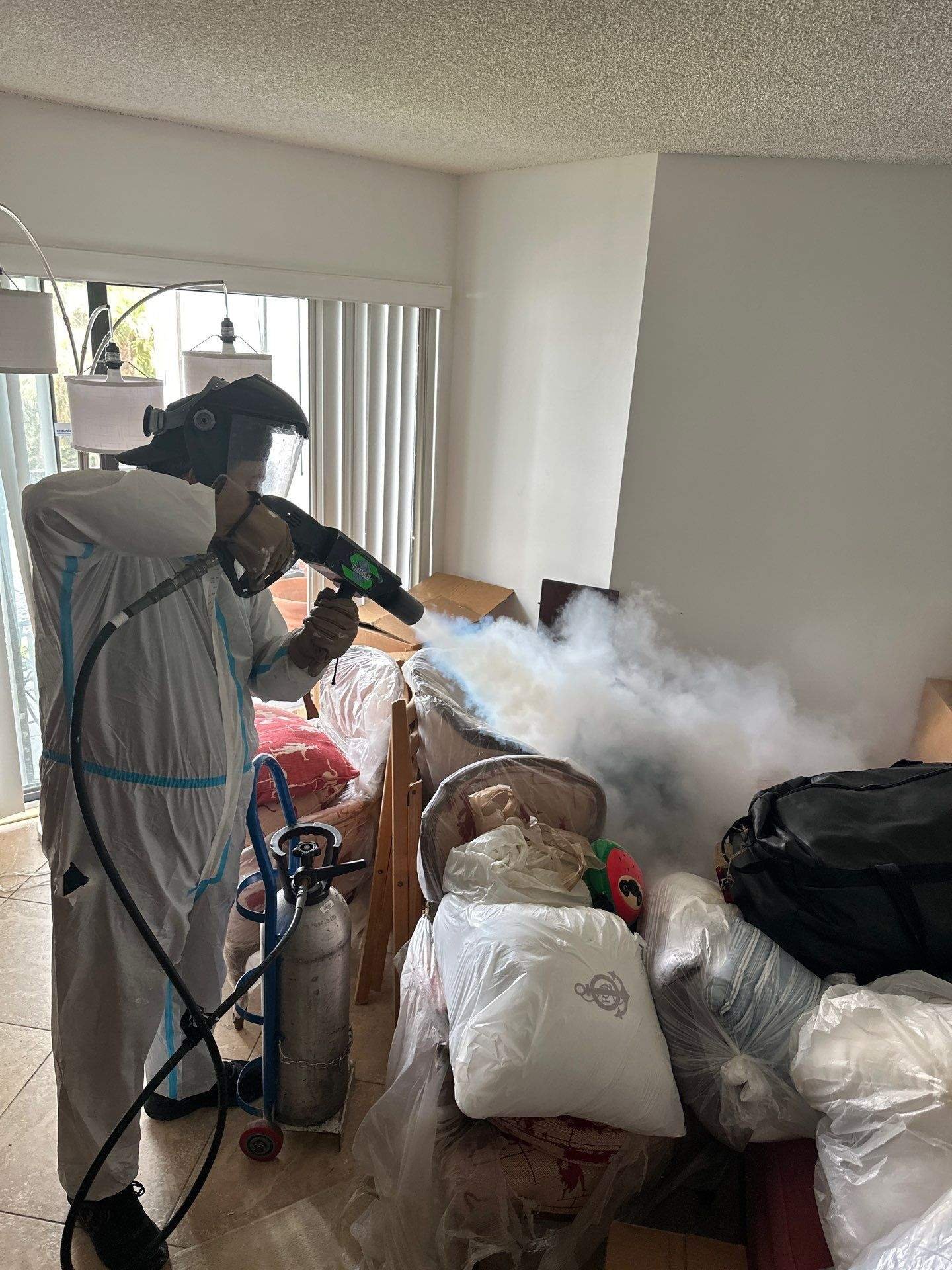
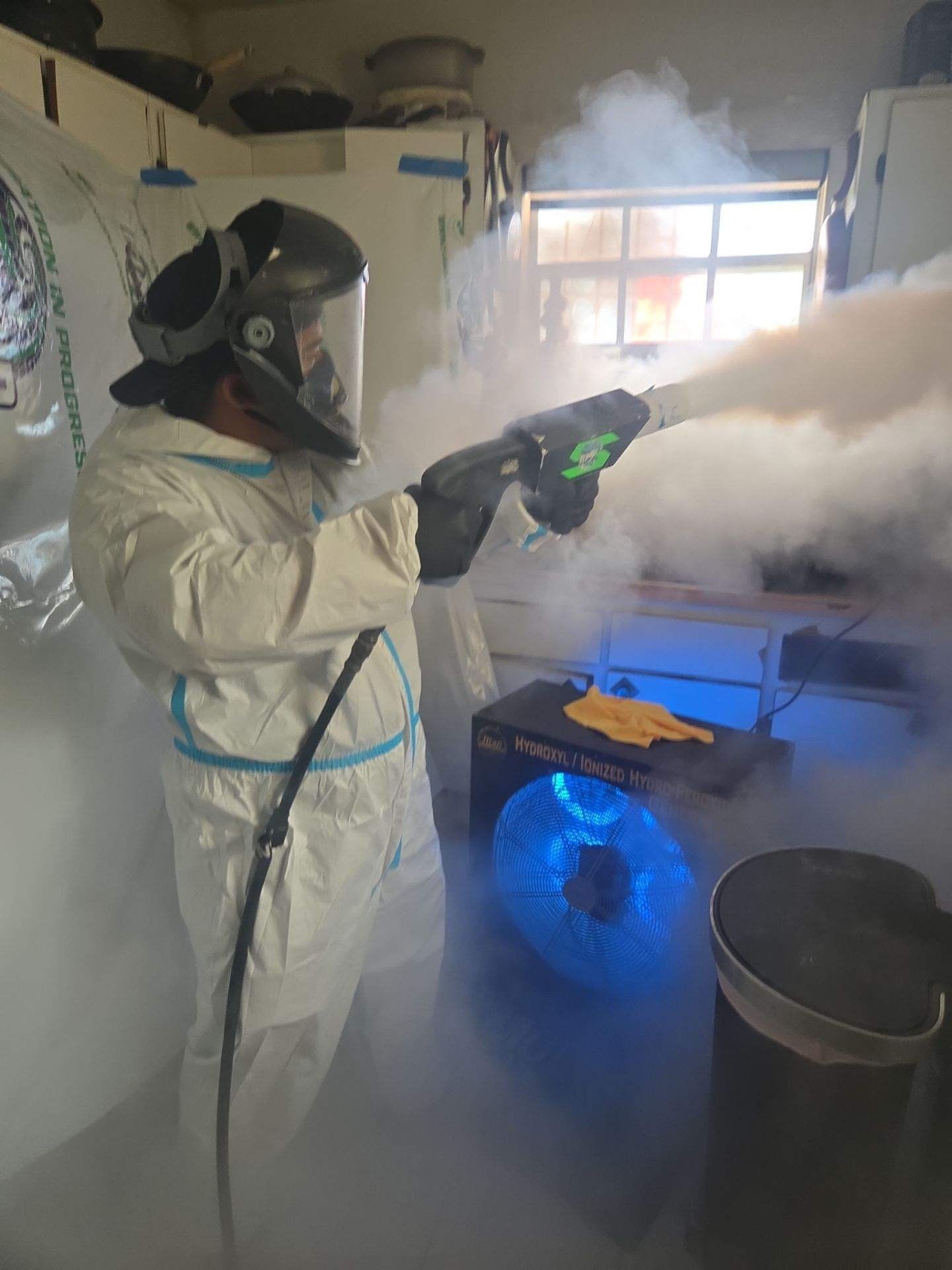
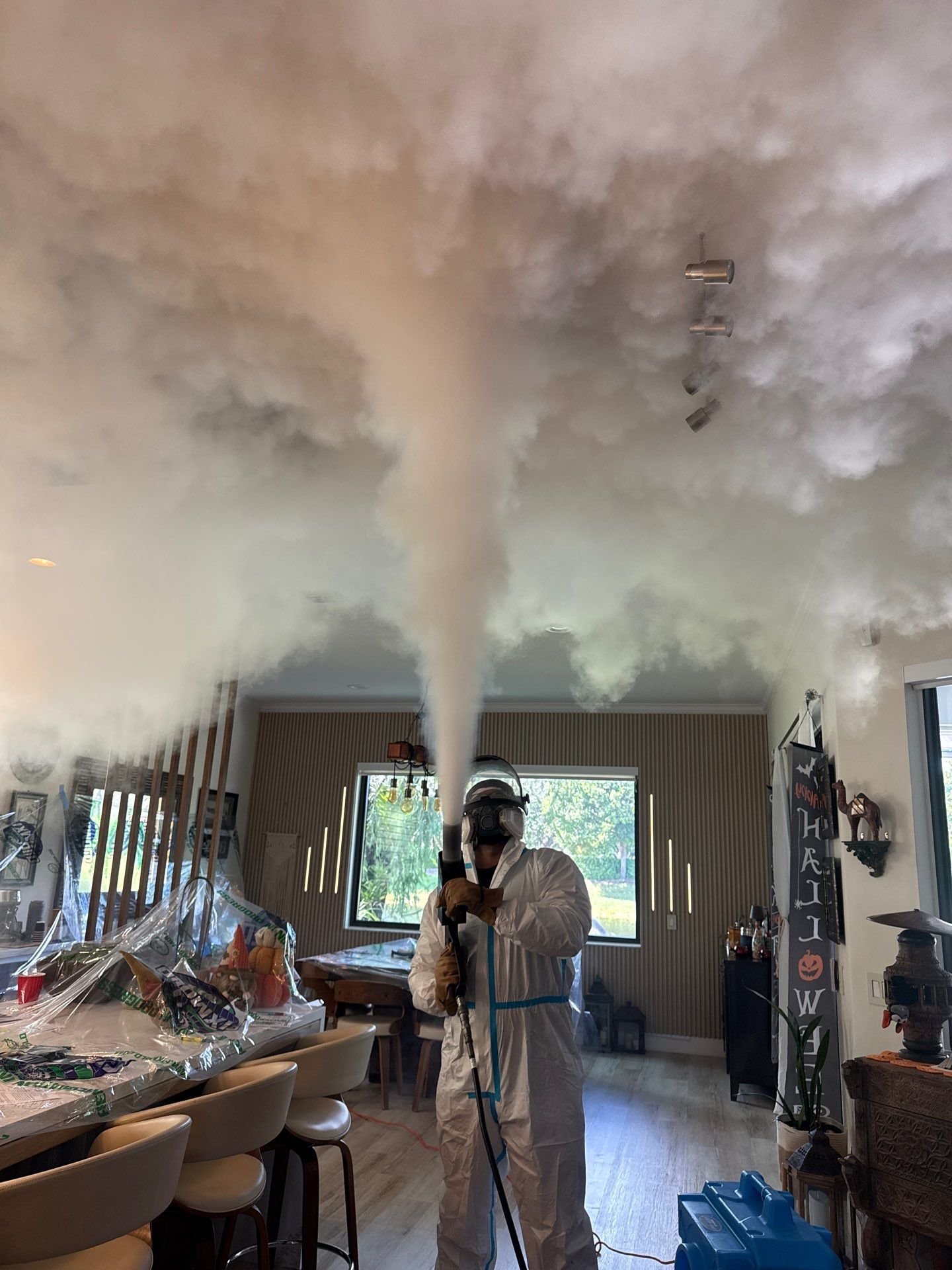
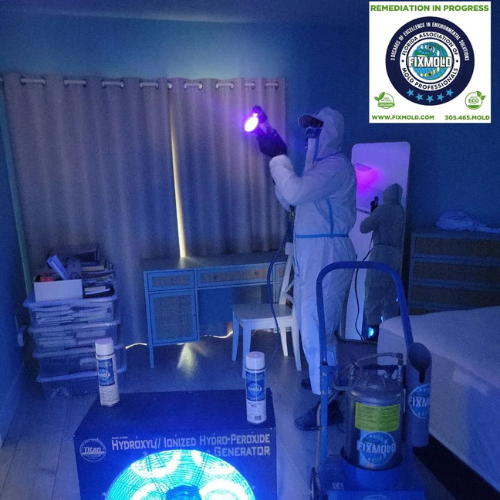
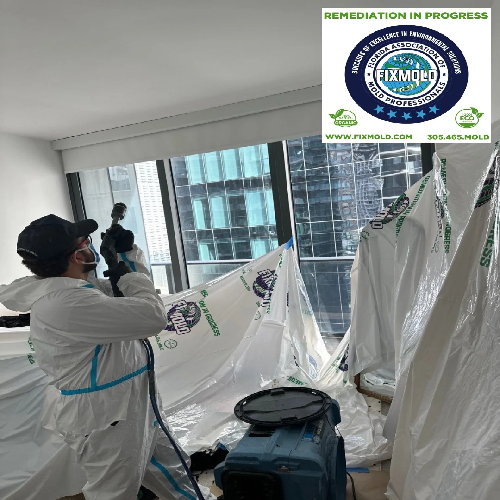
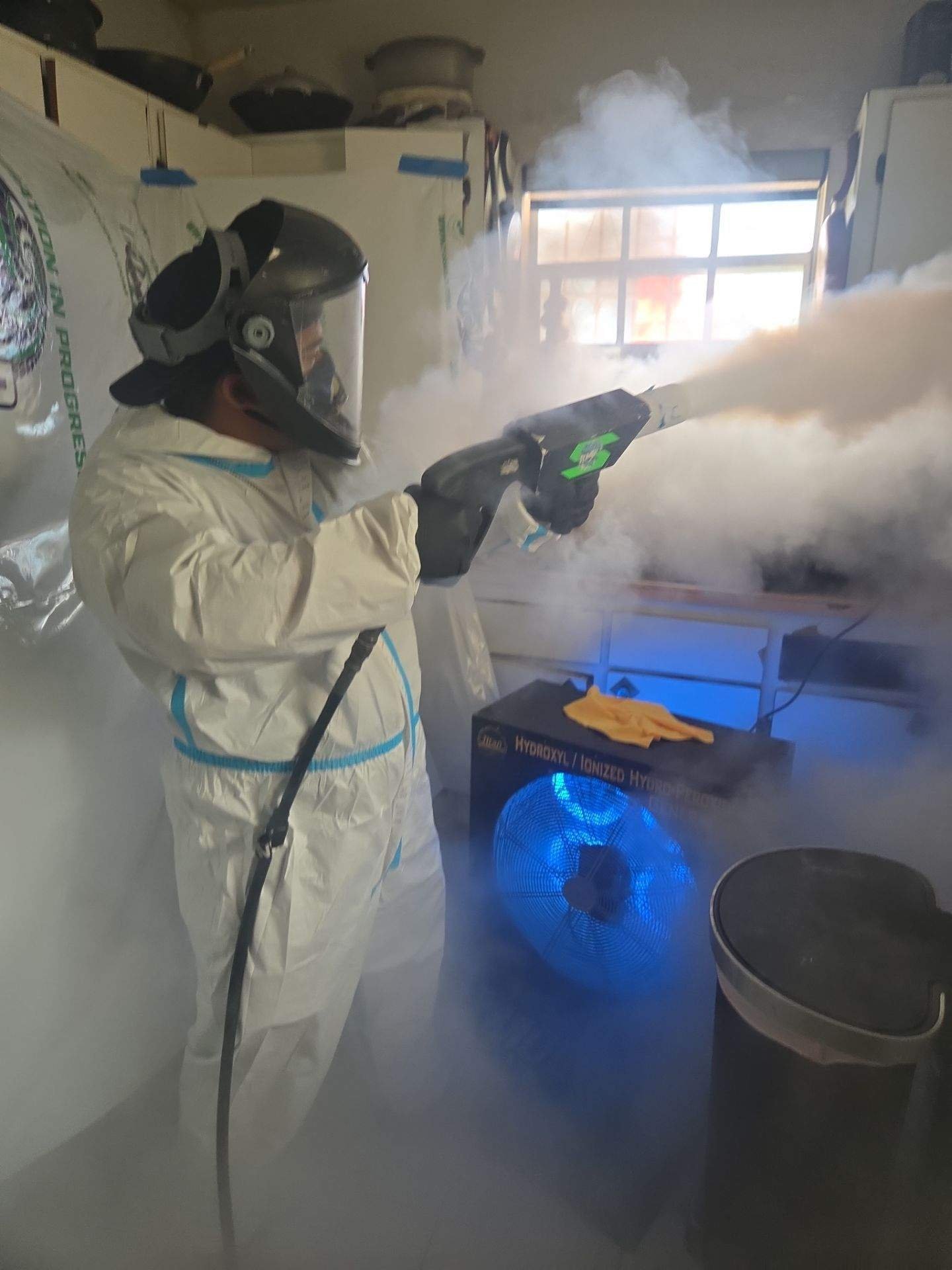
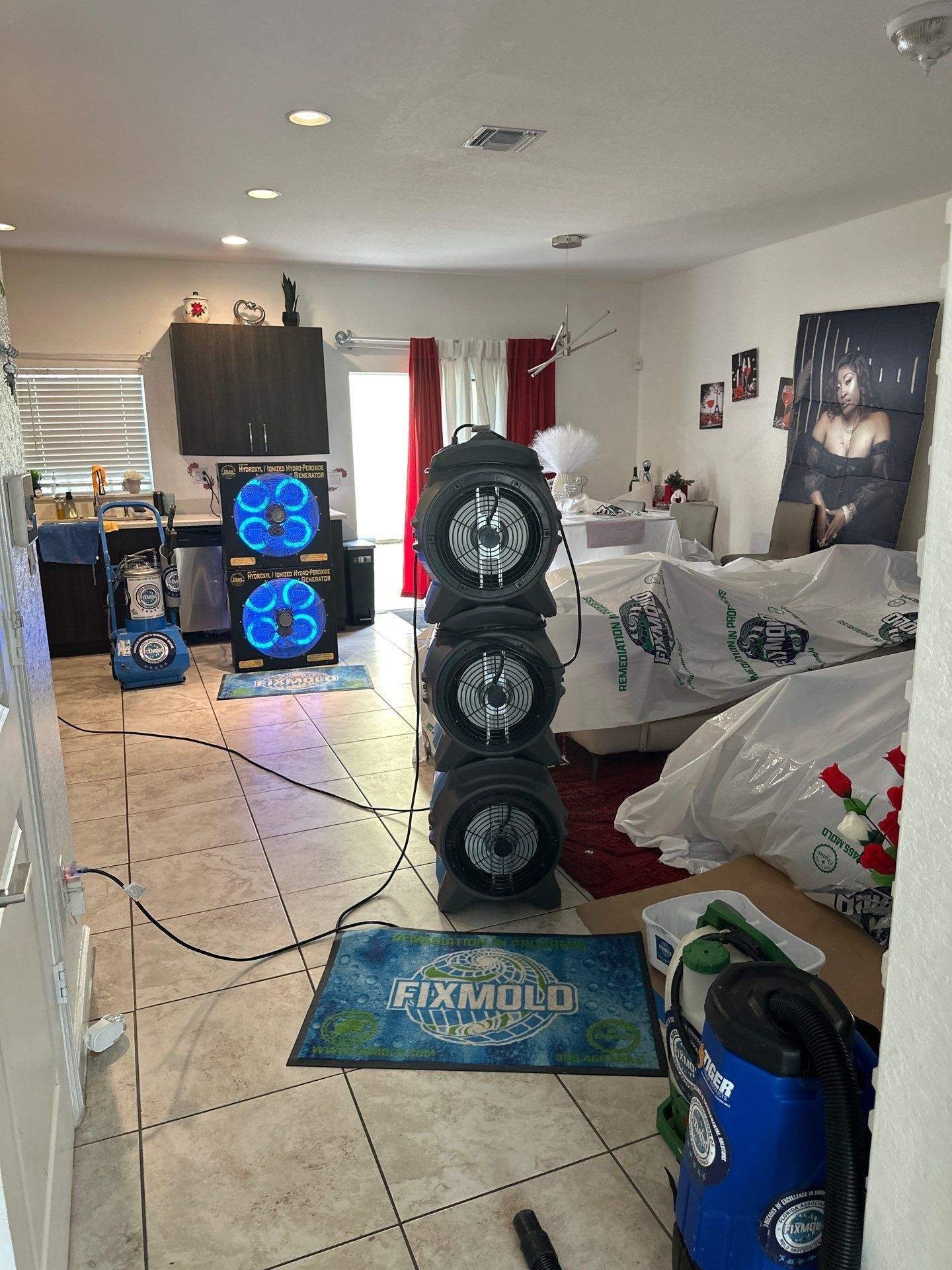
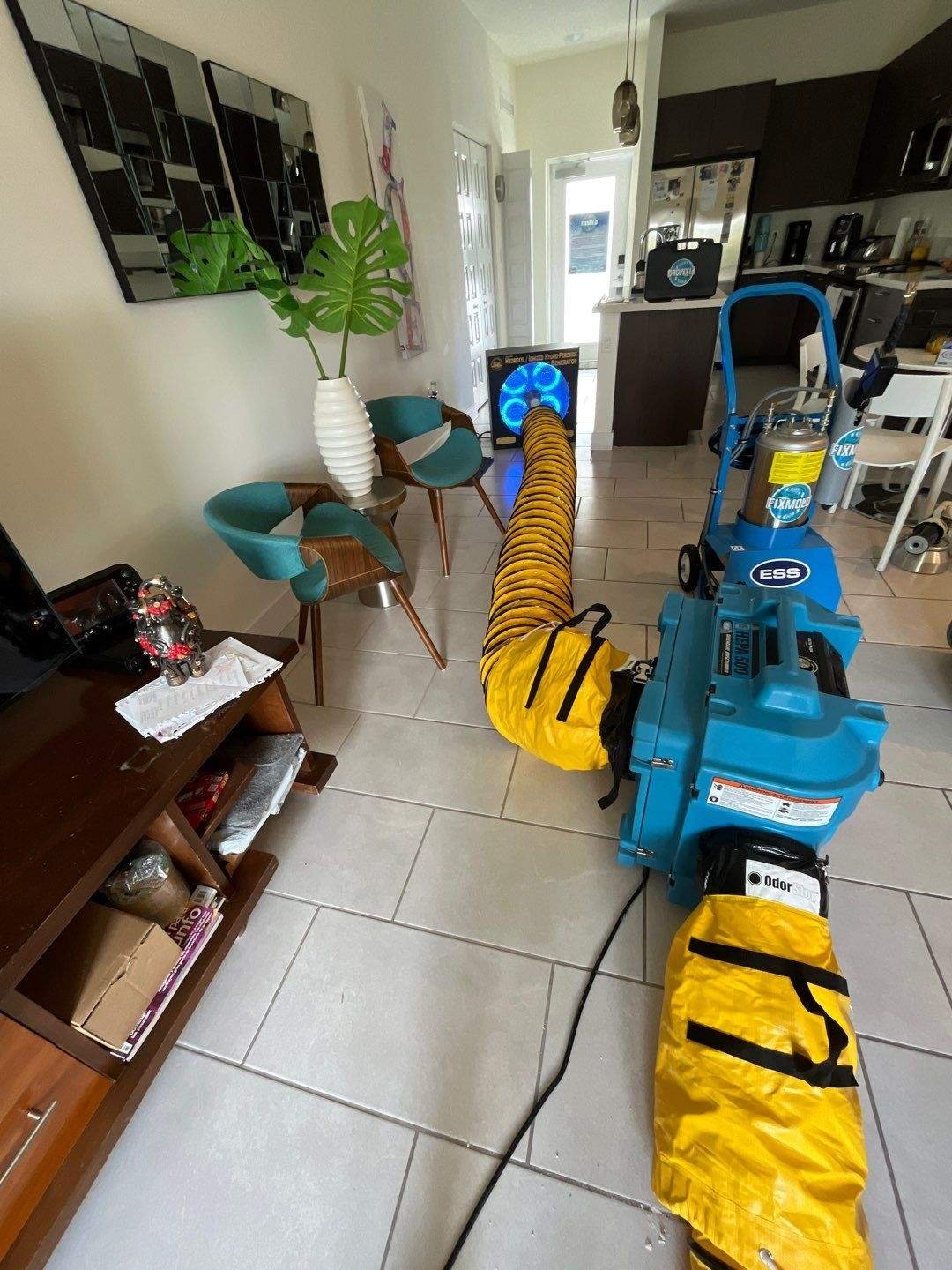
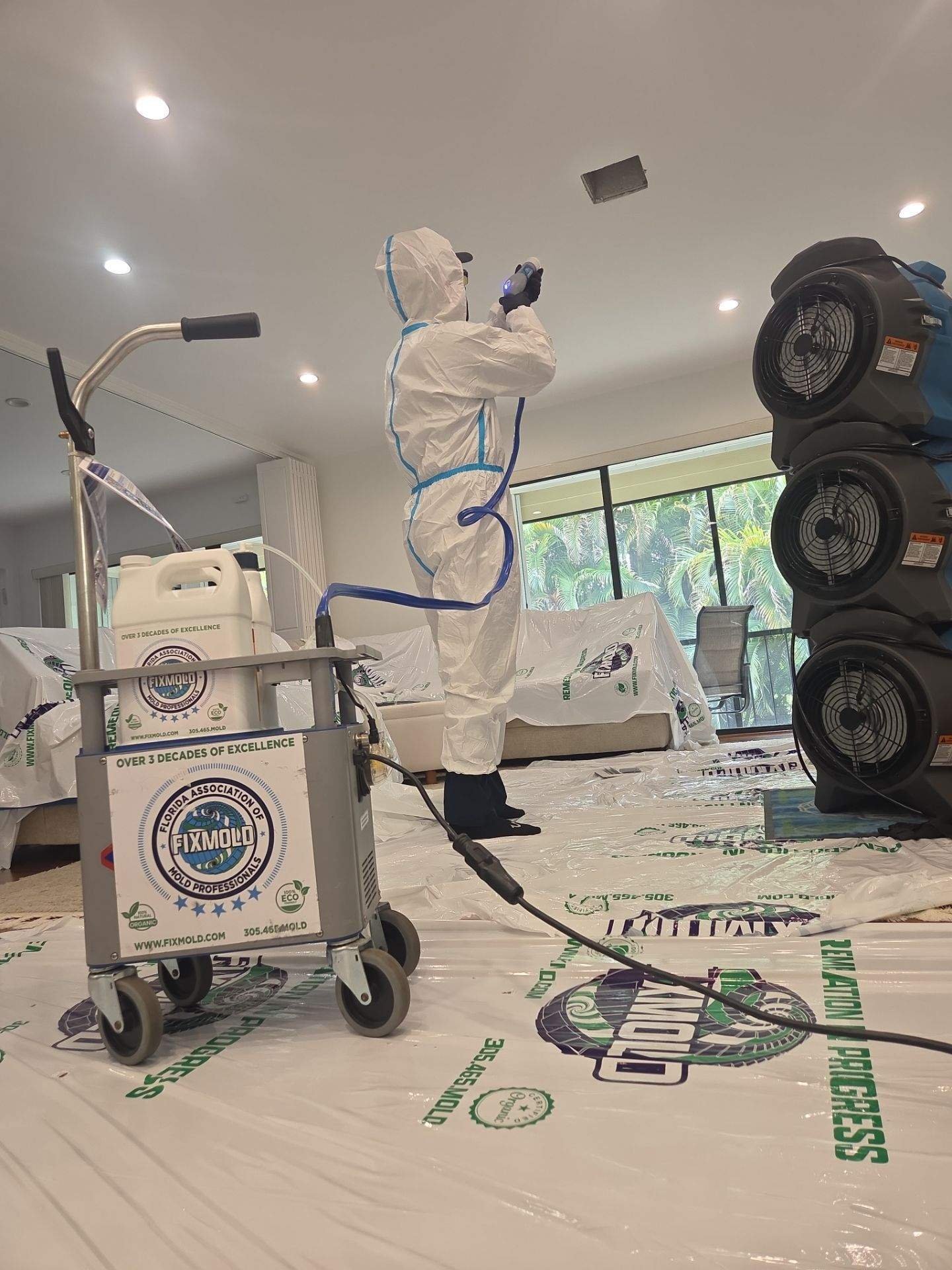
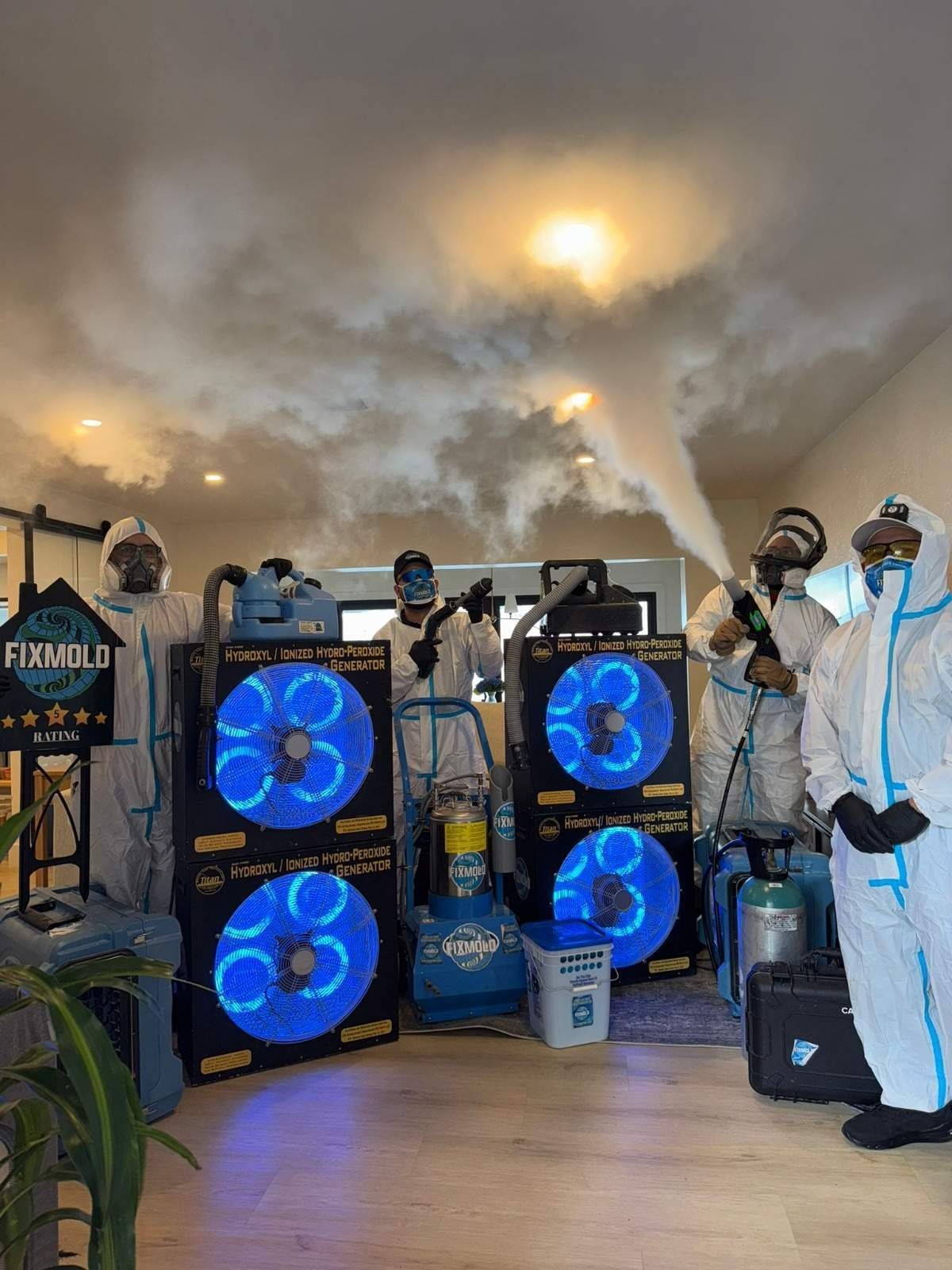
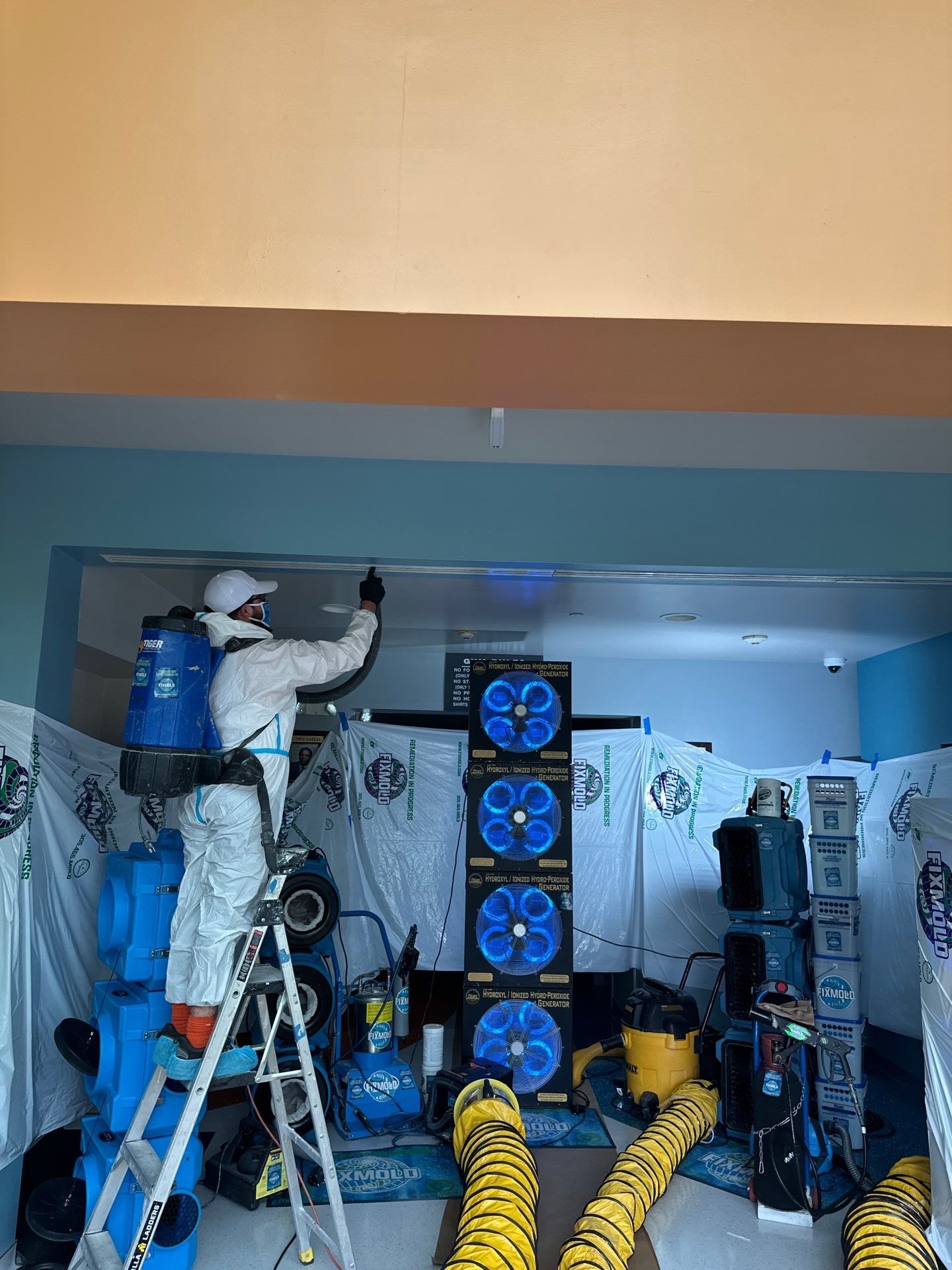
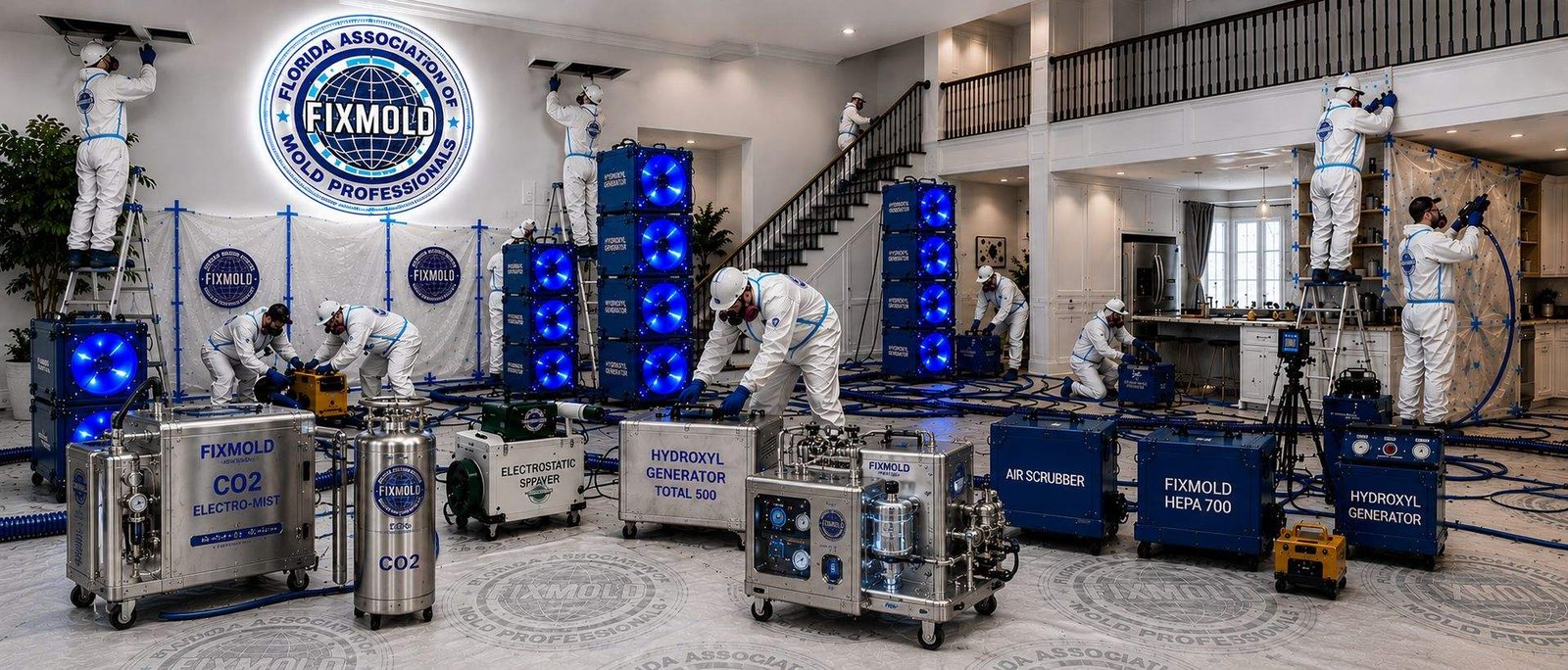
Air quality deep cleaning commonly involves evaluating ventilation systems, air circulation, moisture conditions, and environmental particle buildup throughout the property. This may include HVAC vent cleaning, HEPA filtration, air scrubbing, humidity stabilization, surface particle removal, and environmental cleaning of areas where contaminants collect over time.
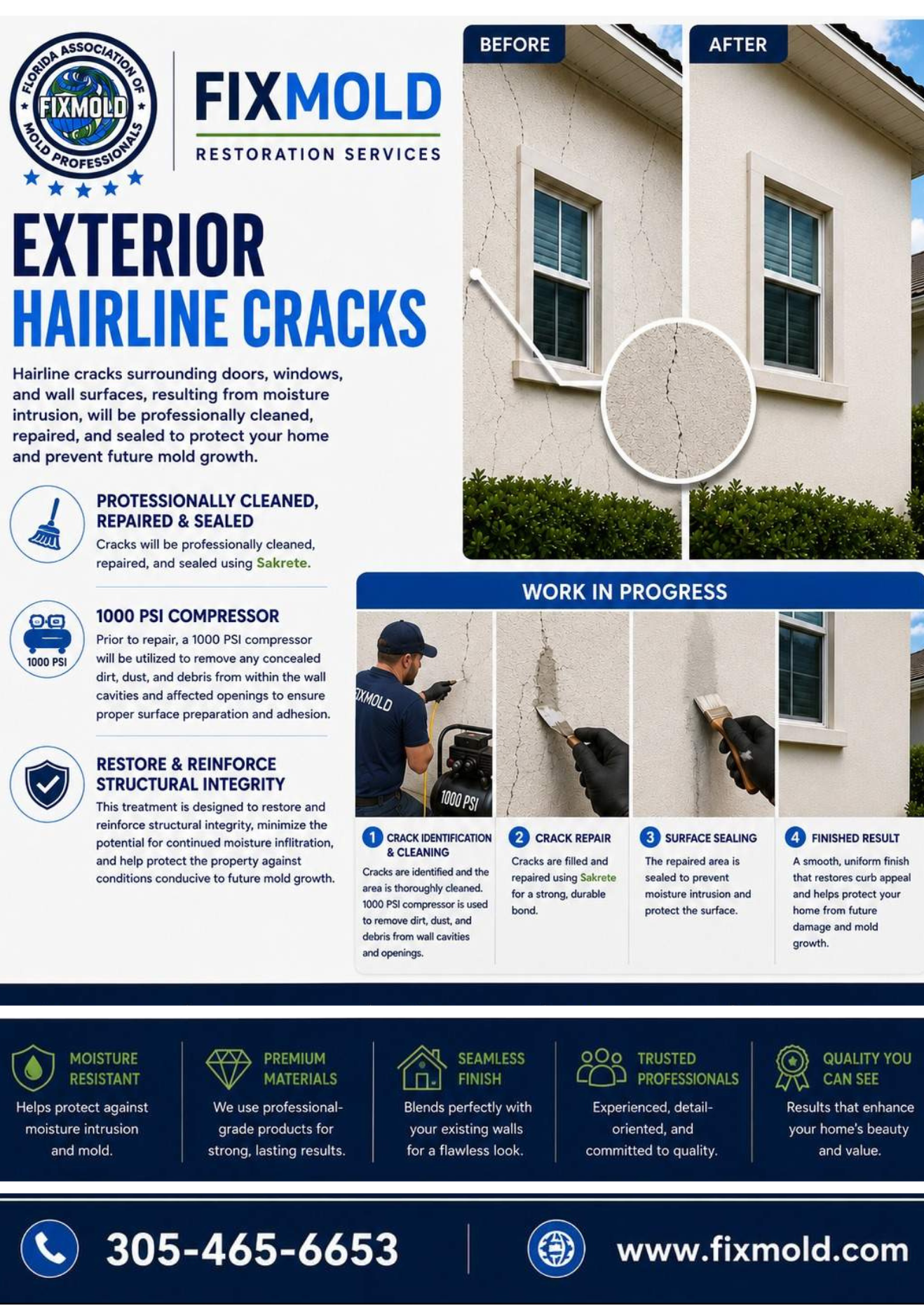
Water damage is another major factor affecting indoor air quality throughout Miami and coastal South Florida. Roof leaks, plumbing failures, flooding, storm intrusion, and AC condensation may introduce moisture into drywall, insulation, flooring systems, and structural cavities where contaminants remain trapped long after visible water disappears.
Even small moisture problems may affect indoor air quality if airborne particles begin circulating through the ventilation system. Hidden dampness inside wall cavities or insulation can gradually influence indoor air conditions without producing obvious visible mold growth initially.
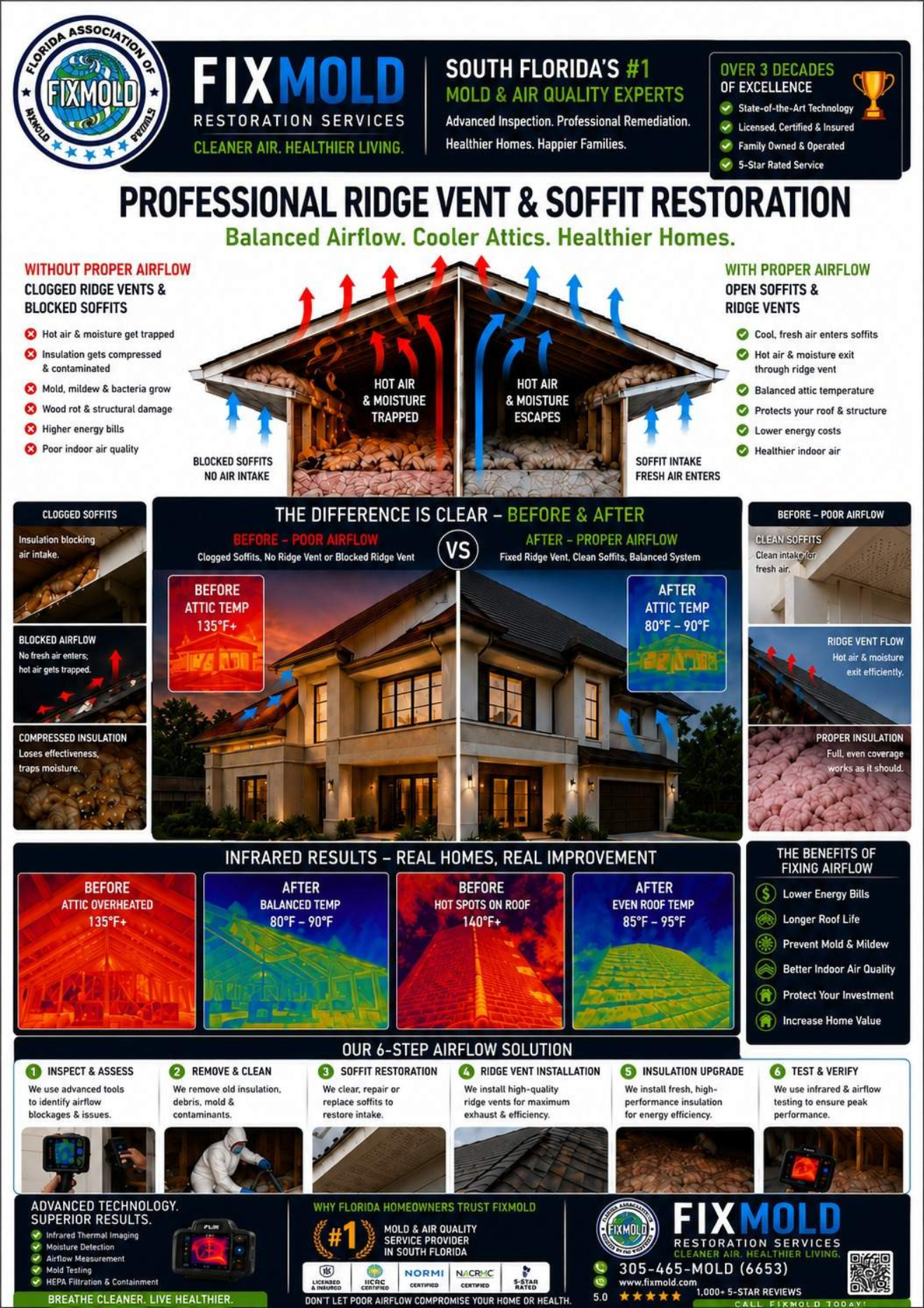
Attics are especially important when evaluating indoor air quality in South Florida homes because attic heat and humidity often affect duct systems and insulation above the living space. Dust, insulation particles, microbial growth, and condensation around attic HVAC systems may contribute to stale indoor air and recurring particle circulation throughout the home.
Crawlspaces may create similar environmental concerns beneath the structure. Elevated groundwater, poor drainage, and trapped humidity frequently contribute to damp crawlspace conditions where airborne contaminants can migrate upward into living areas through natural airflow movement.
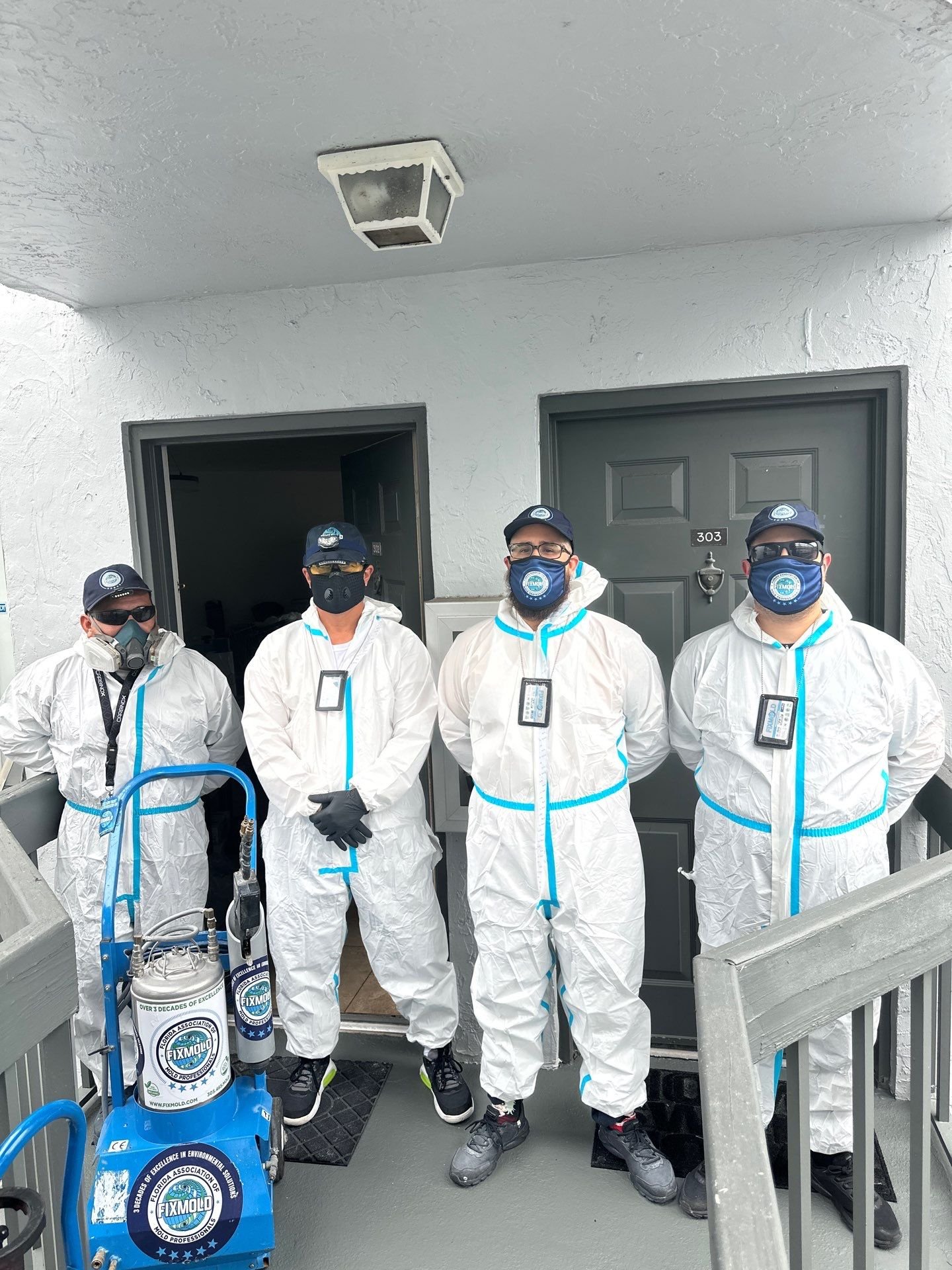
Condominiums and high-rise properties throughout Downtown Miami, Brickell, Sunny Isles, Hallandale Beach, Miami Beach, and Aventura often experience indoor air quality concerns connected to shared ventilation systems, enclosed airflow patterns, neighboring moisture intrusion, and limited fresh air circulation. Odors and airborne particles may move between units through structural openings and ventilation pathways
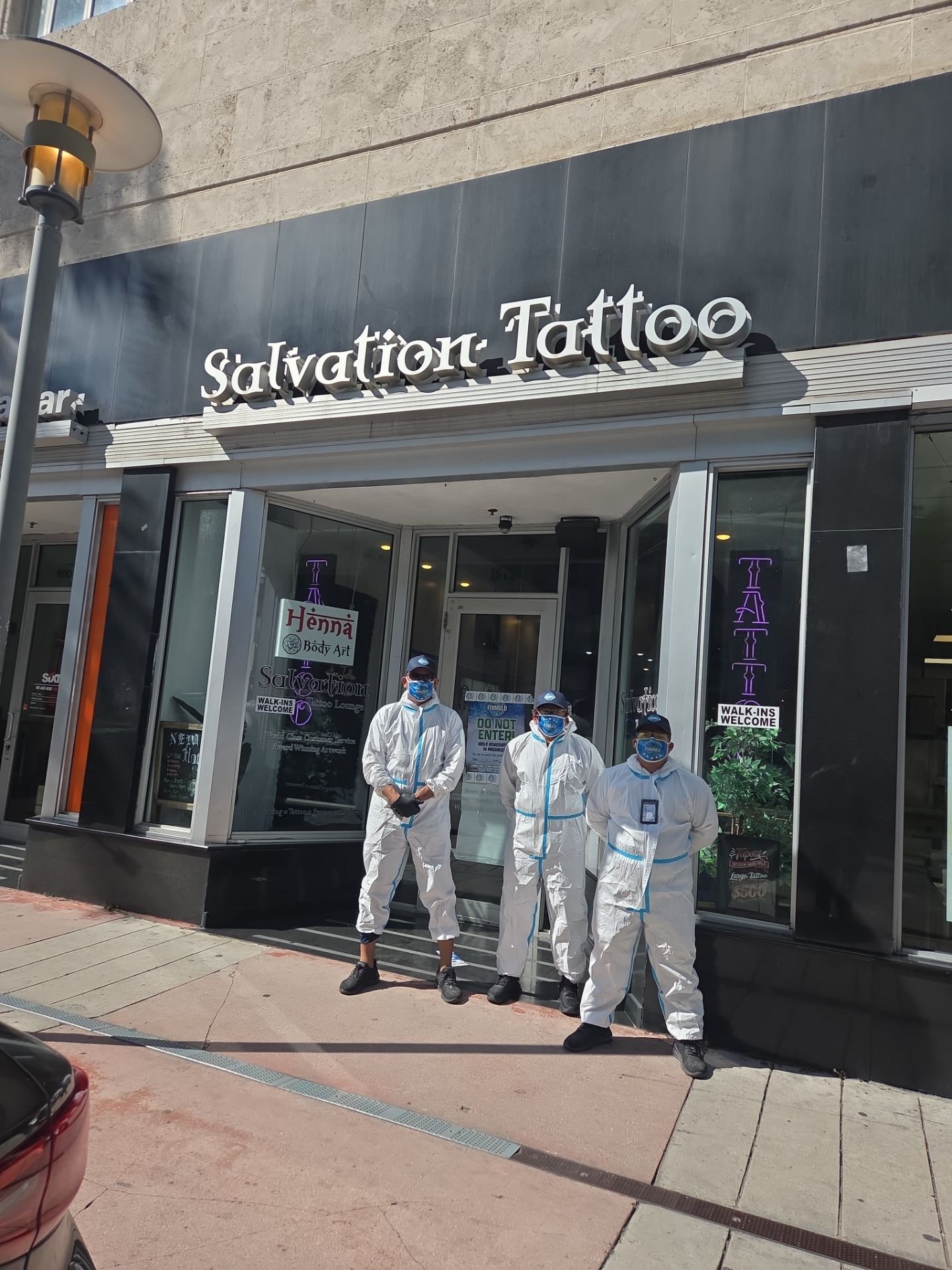
Commercial buildings throughout Miami, Fort Lauderdale, Boca Raton, and West Palm Beach frequently require air quality deep cleaning due to large HVAC systems, heavy occupant traffic, construction dust, humidity buildup, and long-term airborne particle accumulation. Offices, schools, medical facilities, retail centers, hospitality properties, and wellness spaces all depend heavily on stable indoor air conditions.
Luxury homes and waterfront properties throughout Fisher Island, Key Biscayne, Golden Beach, Palm Beach, Naples, and Miami Beach often face additional indoor air quality challenges because coastal humidity, salt air exposure, enclosed architectural designs, and advanced HVAC systems create complex environmental conditions inside tightly sealed structures.
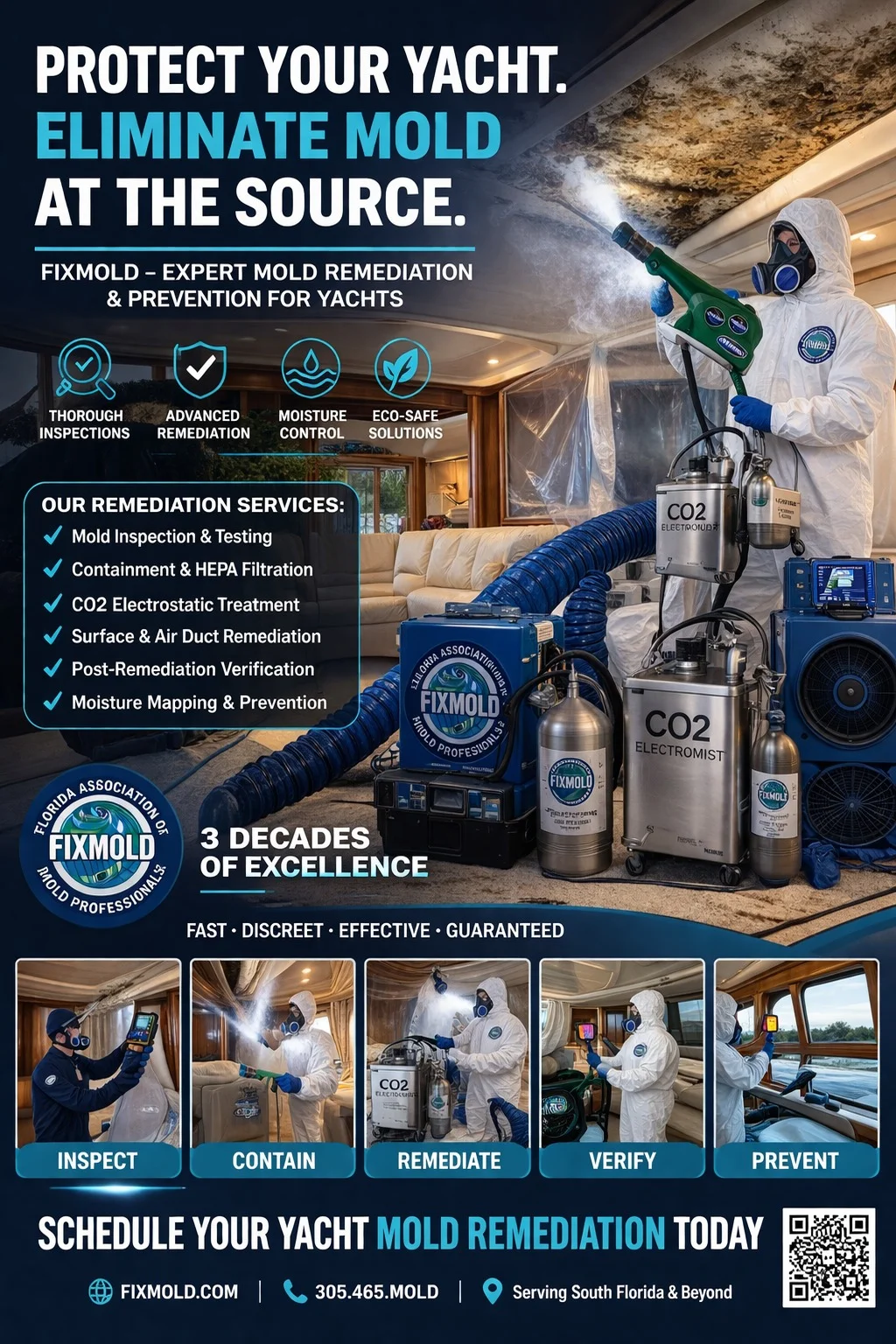
Marine environments aboard yachts and boats throughout South Florida marinas experience similar indoor air quality concerns caused by salt air, condensation, enclosed cabins, humidity buildup, and limited ventilation. Air quality deep cleaning in marine environments often focuses on reducing moisture-related airborne contaminants and stale cabin air.
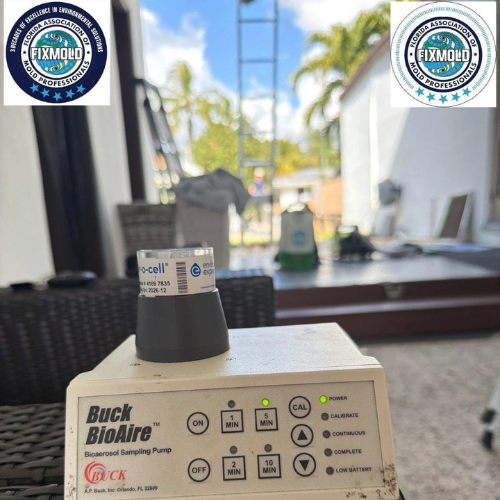
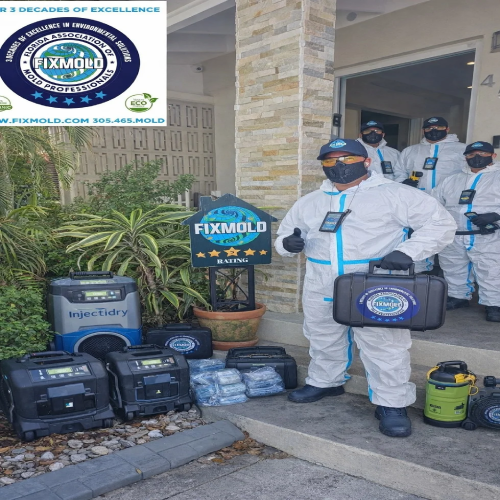
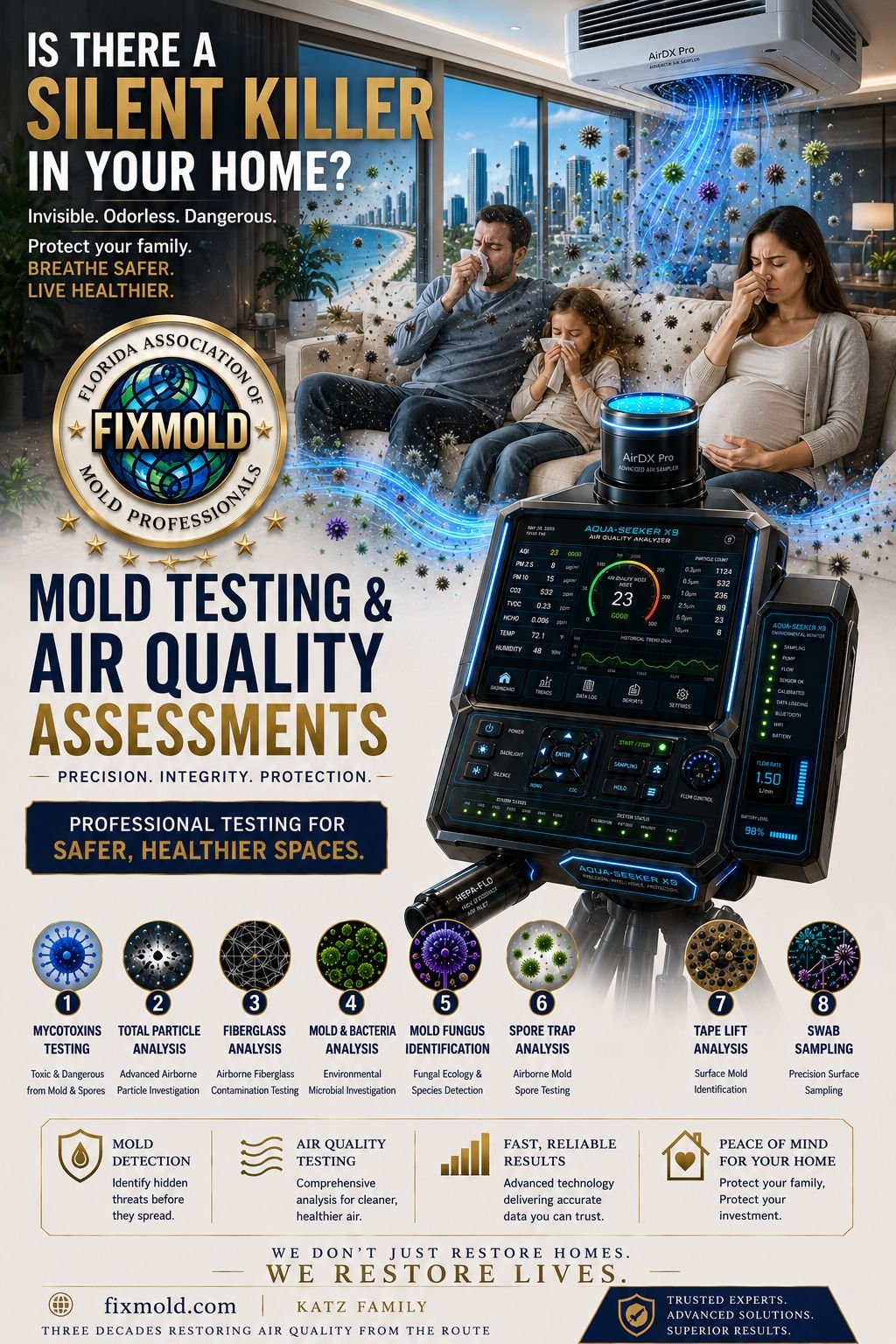
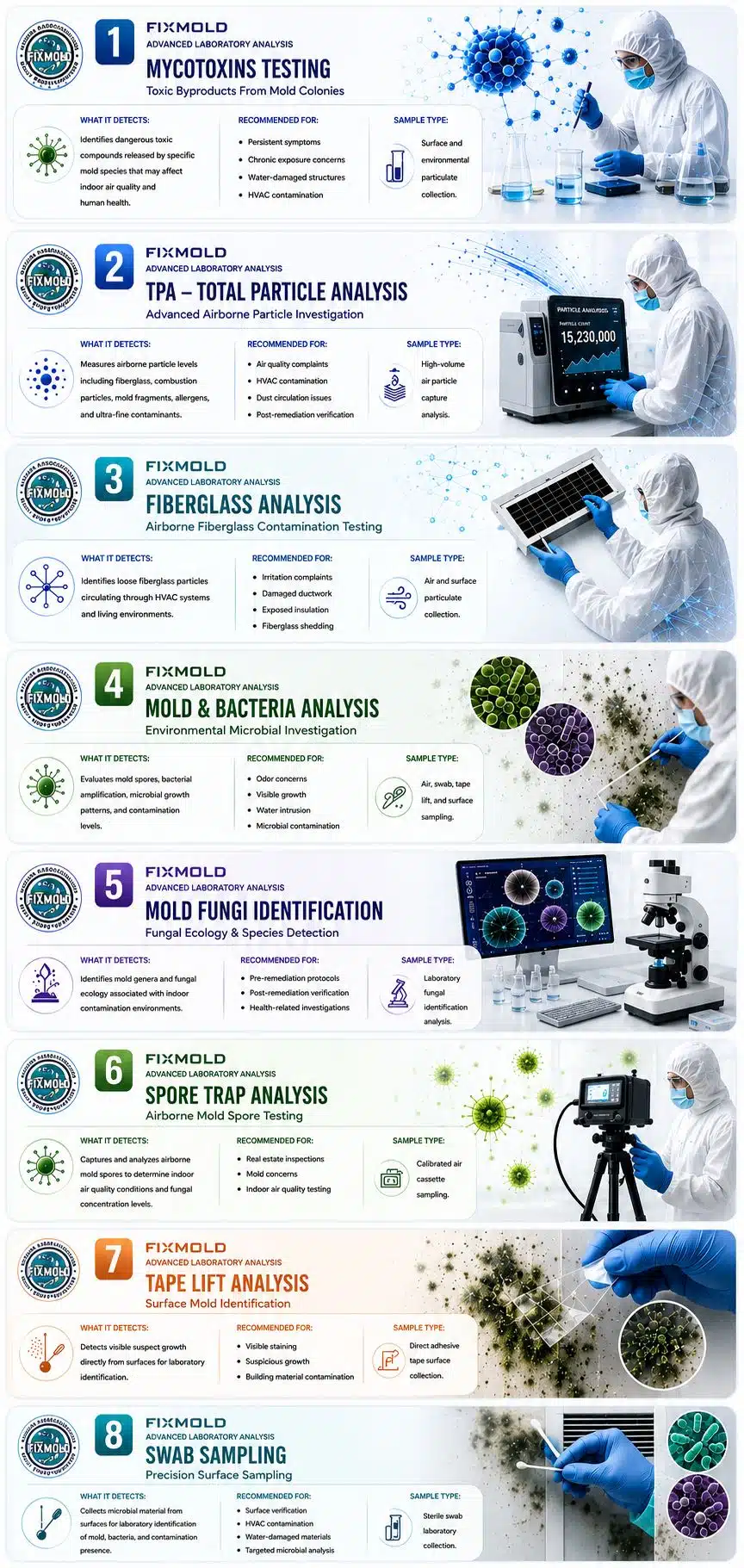
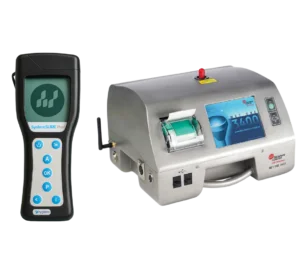
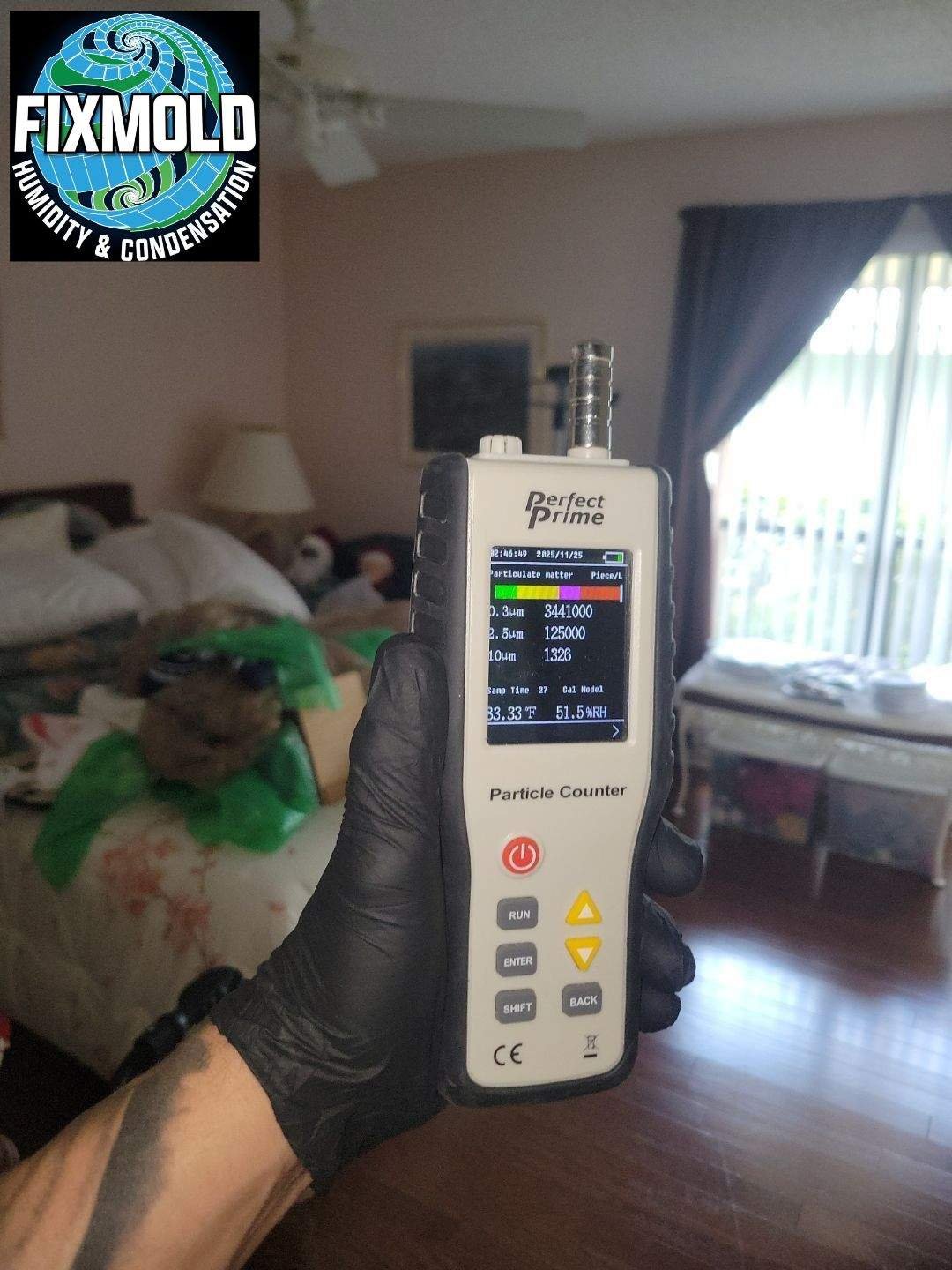
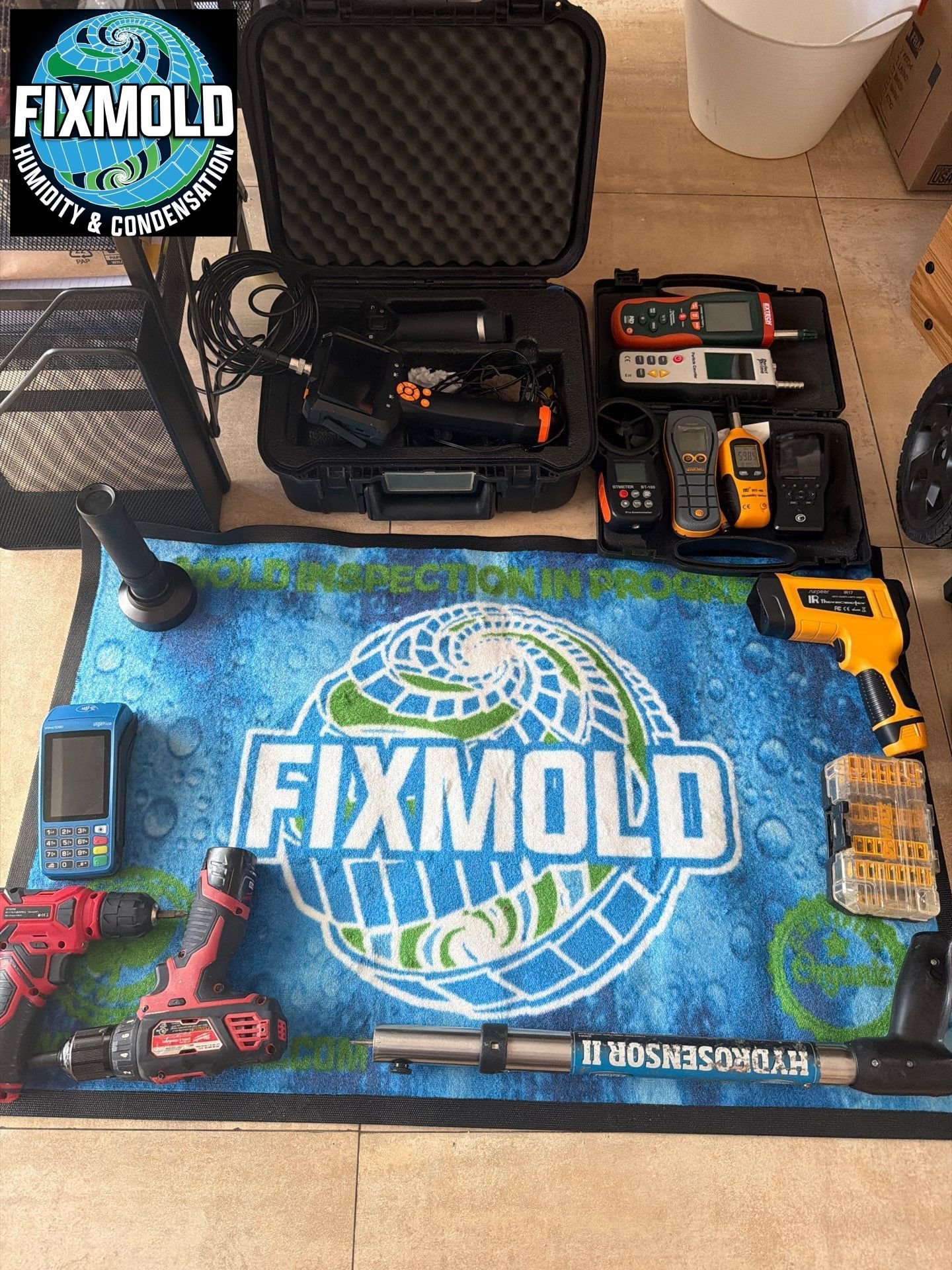
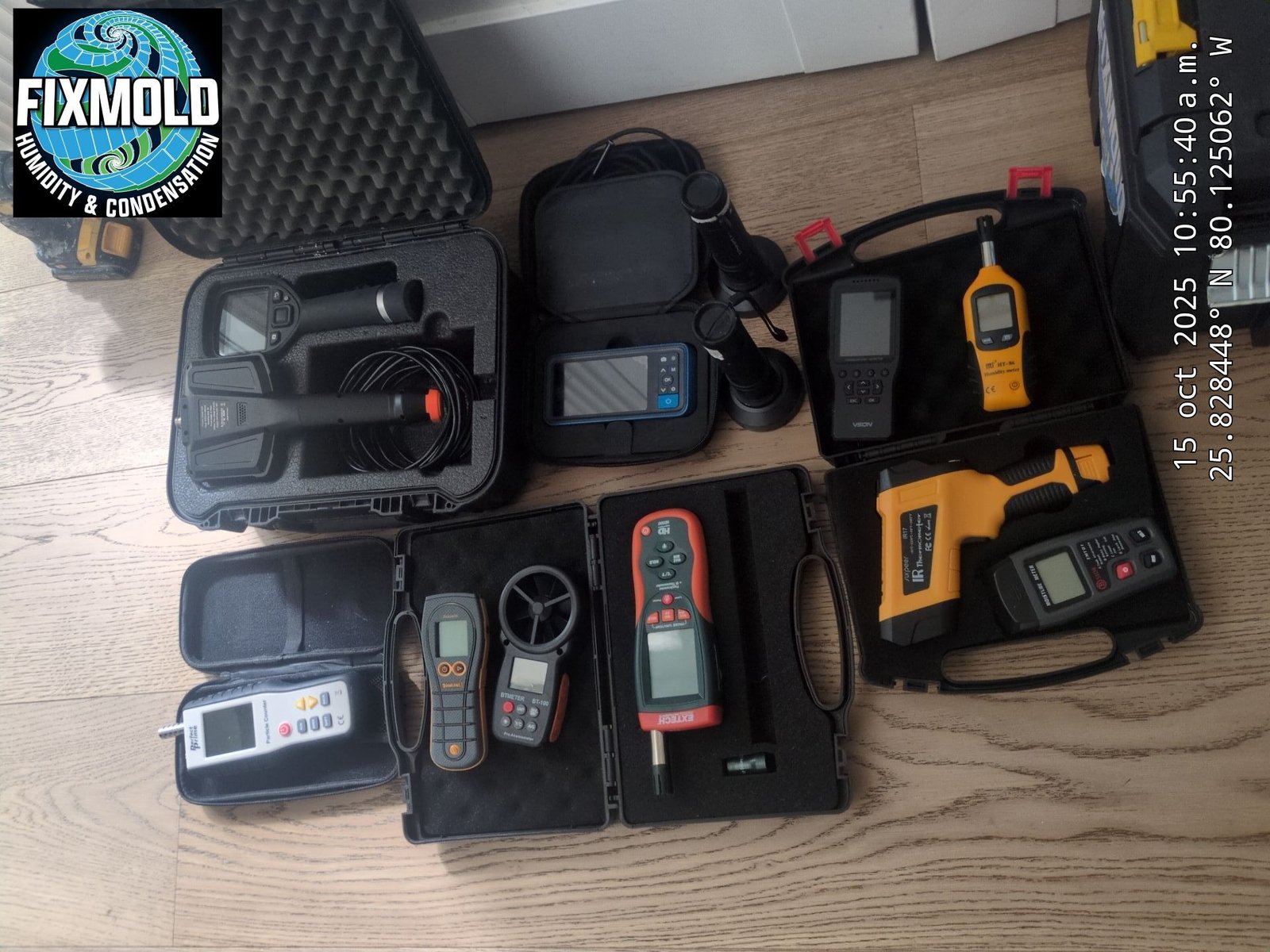
Airborne particle testing and indoor air quality evaluations are commonly performed before or during deep cleaning projects to identify the environmental conditions affecting the property. Air sampling may help determine whether elevated dust, mold spores, fiberglass particles, or microbial contaminants are circulating indoors.
Fiberglass contamination is another issue occasionally identified in South Florida HVAC systems where deteriorating duct liner materials release airborne fibers into occupied spaces. These particles may contribute to indoor irritation and recurring dust problems throughout the property.
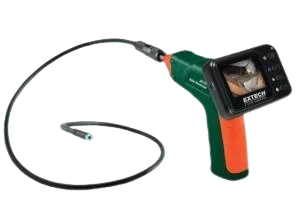
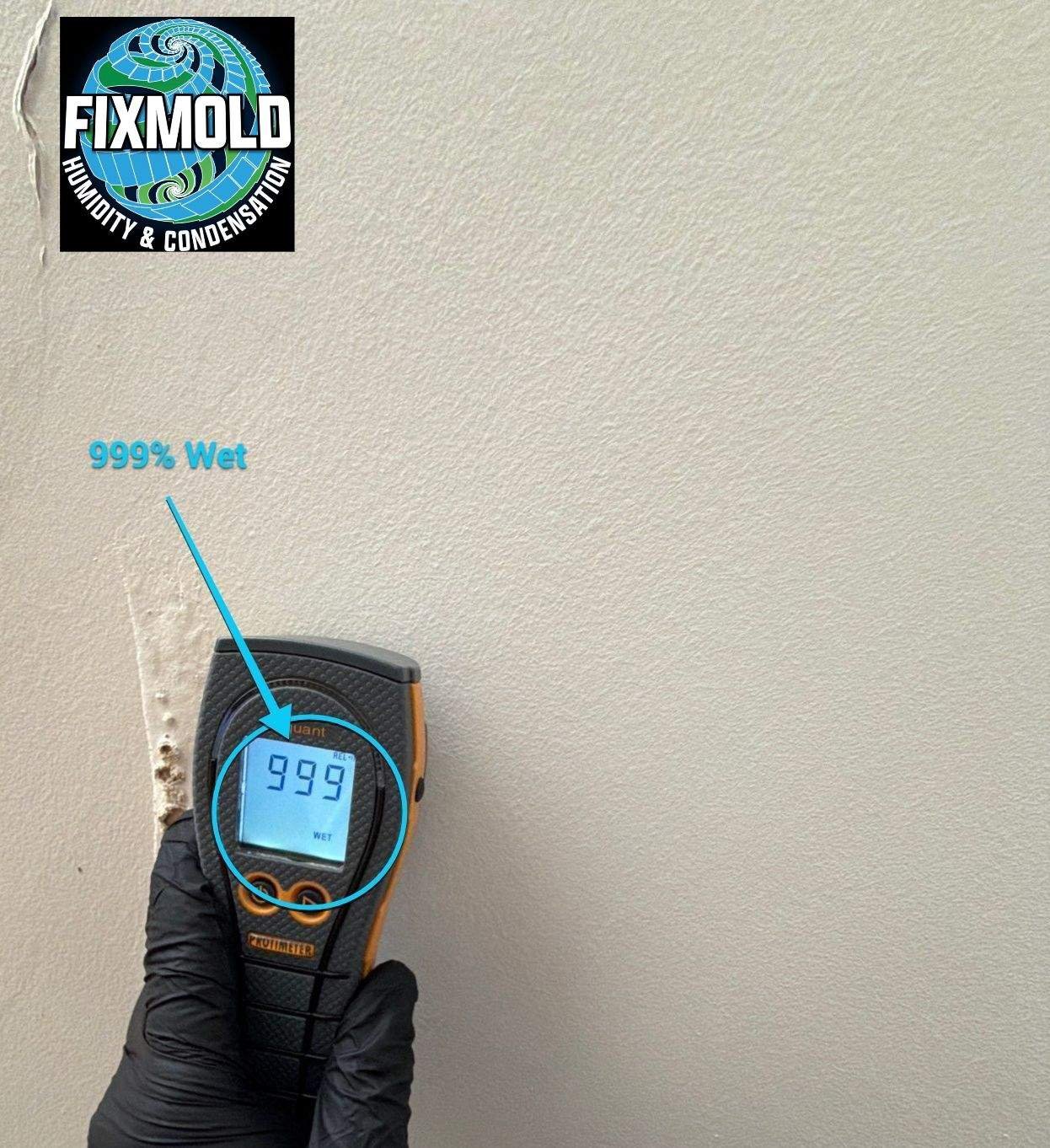
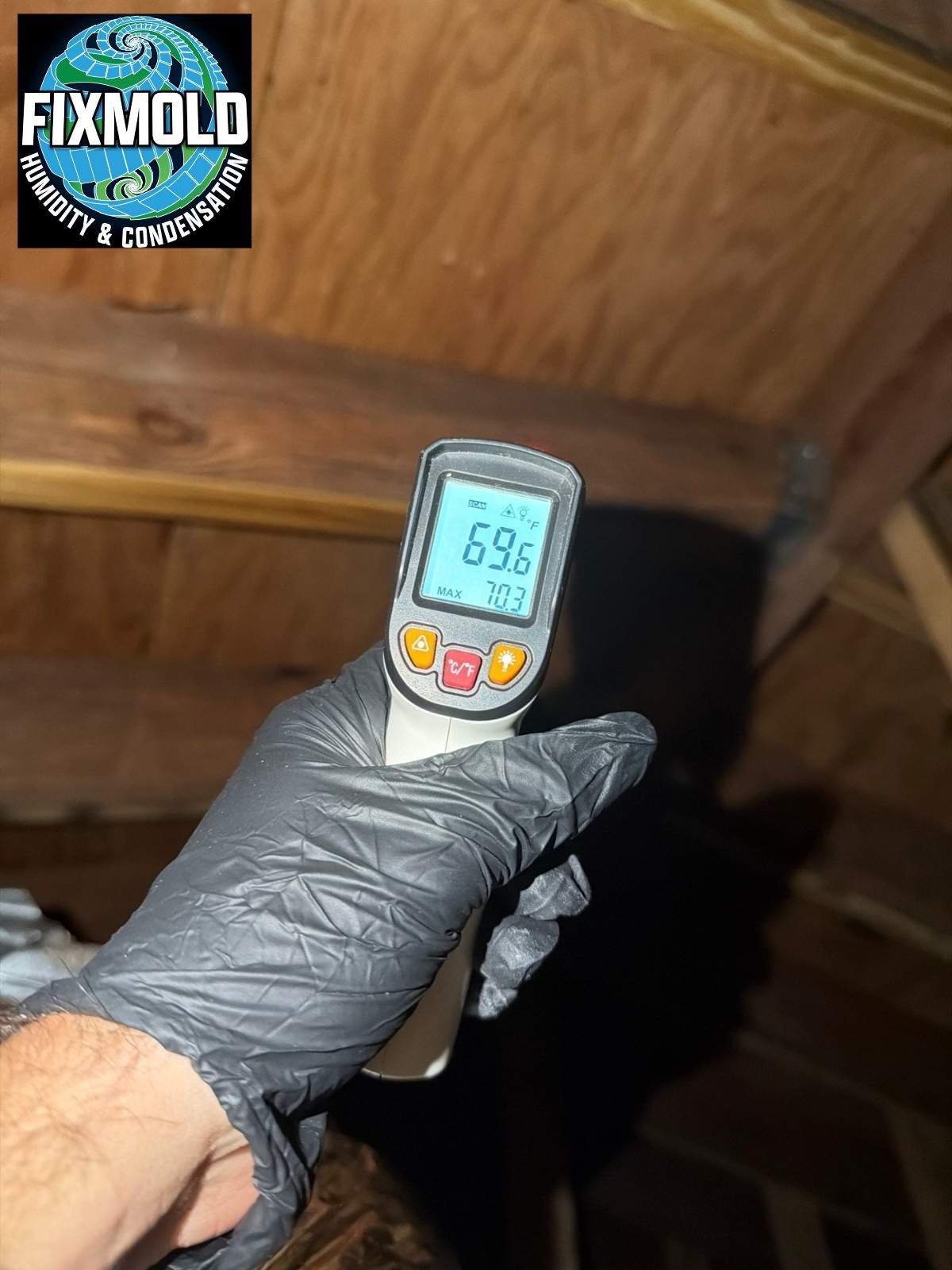
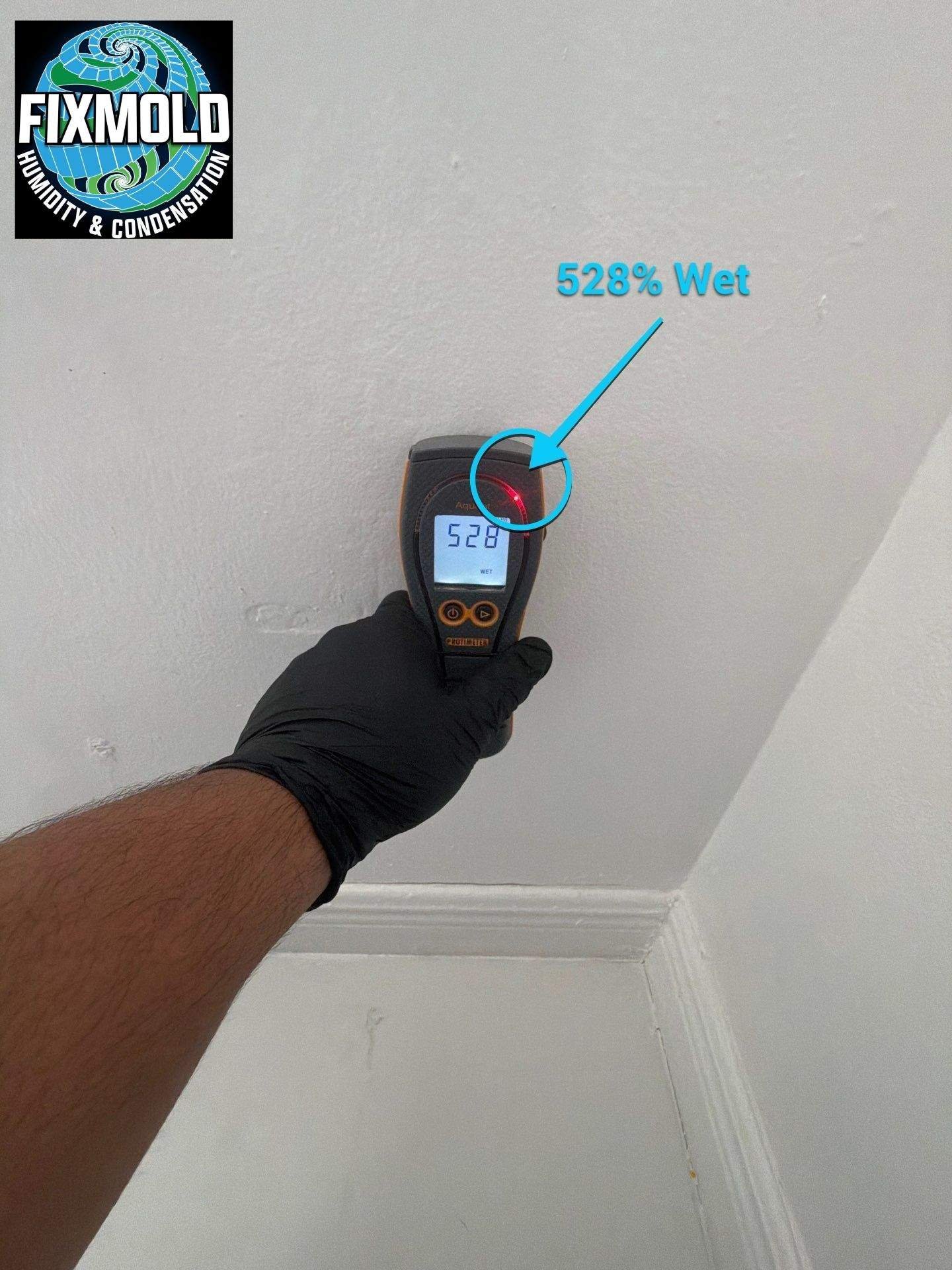
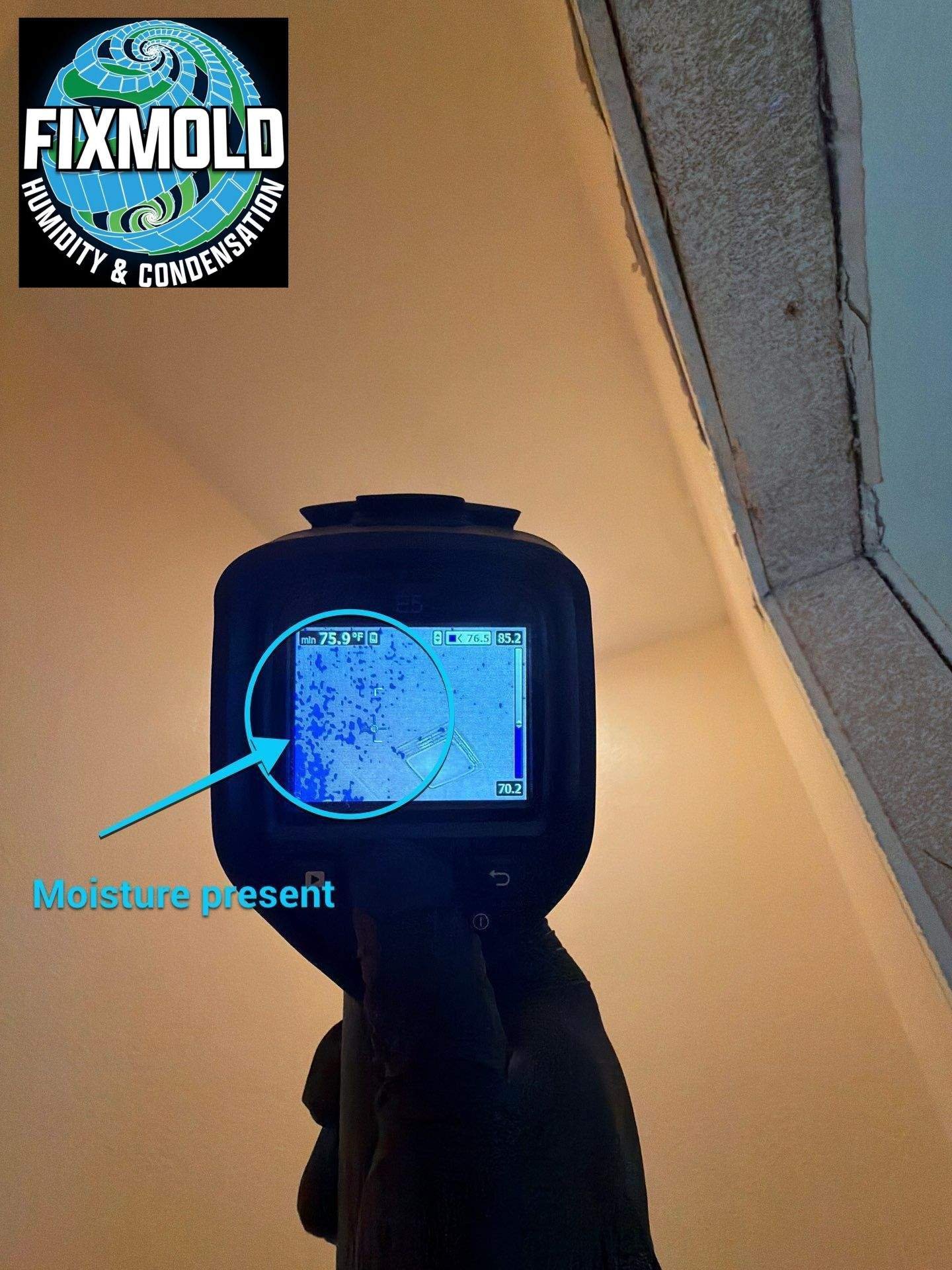
Thermal imaging and moisture detection are also commonly used because hidden humidity and dampness often contribute to poor indoor air quality. Even when surfaces appear clean, concealed moisture may continue affecting the indoor environment behind walls, ceilings, flooring systems, or HVAC insulation.
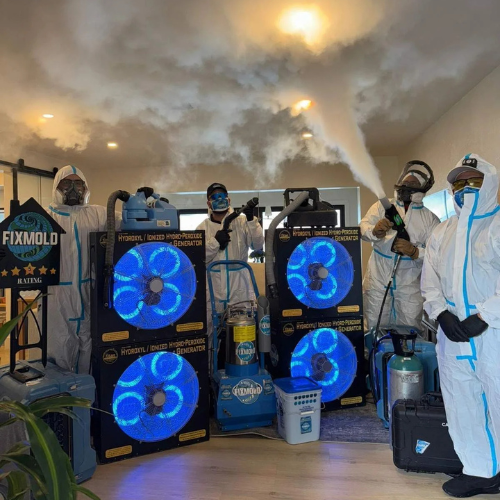
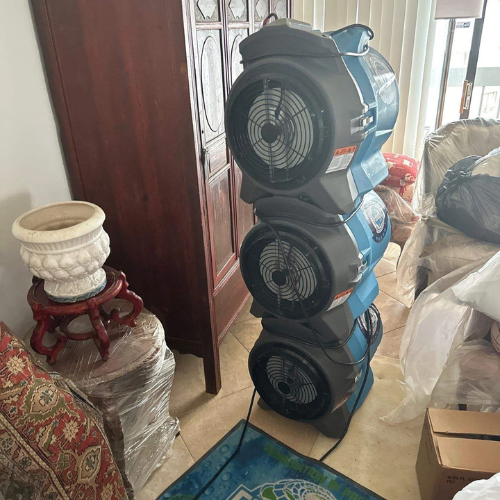
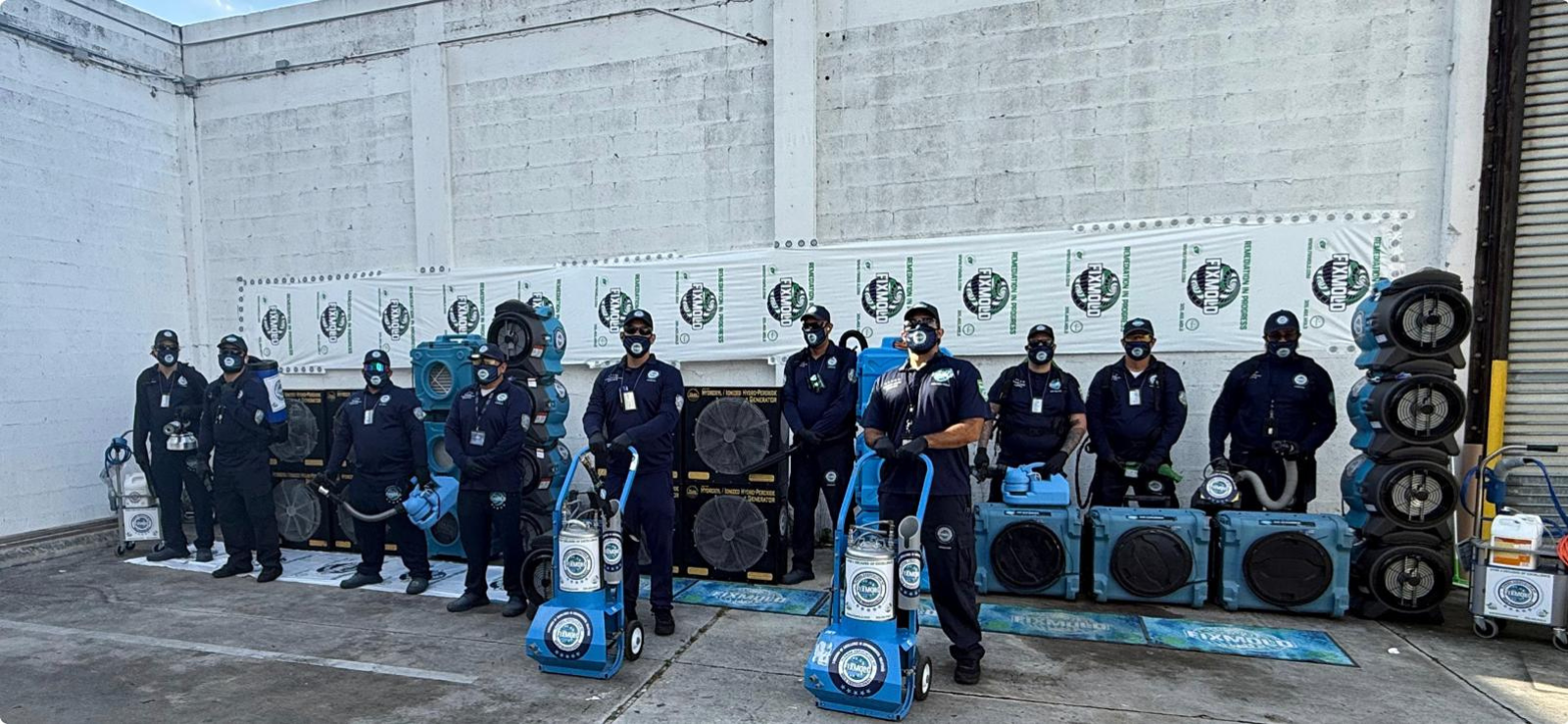
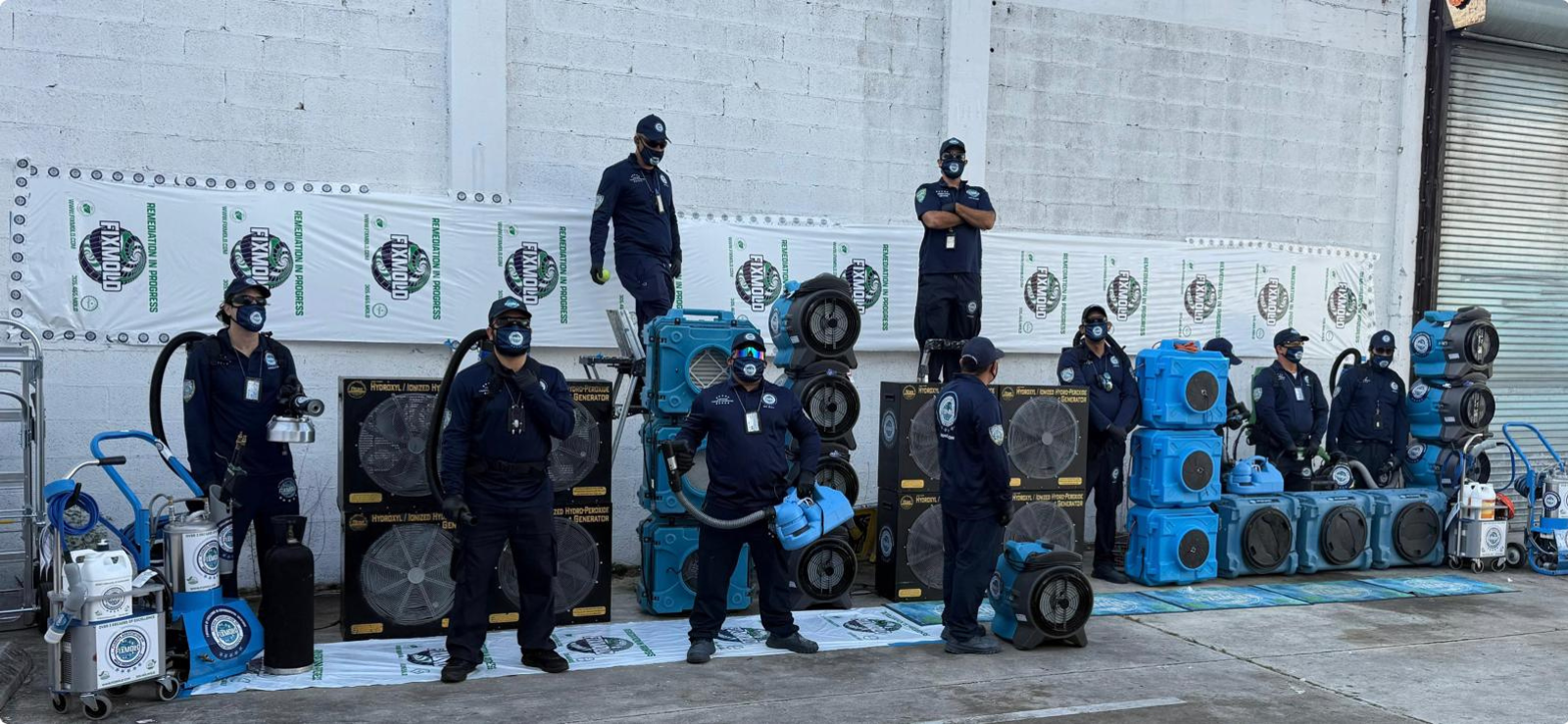
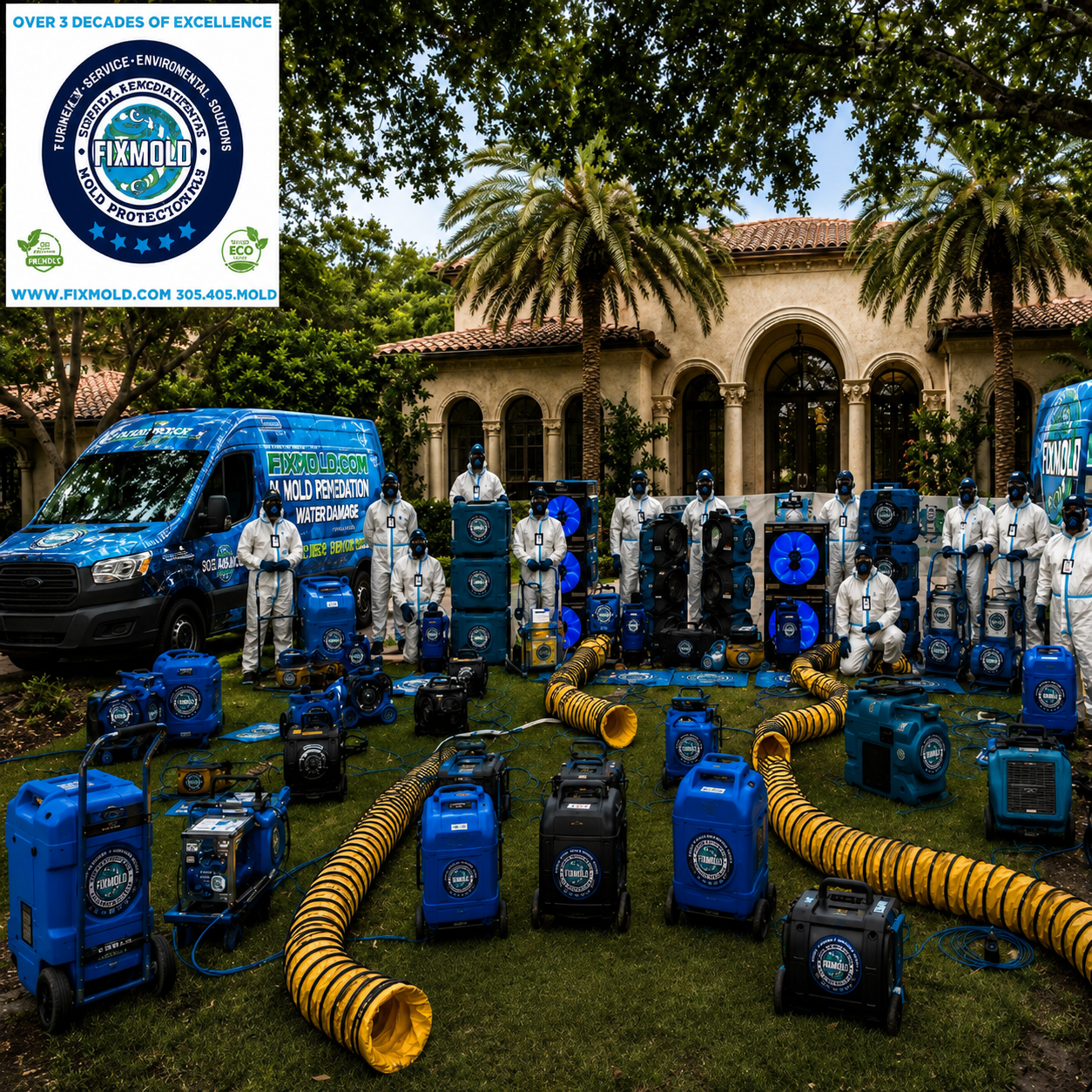
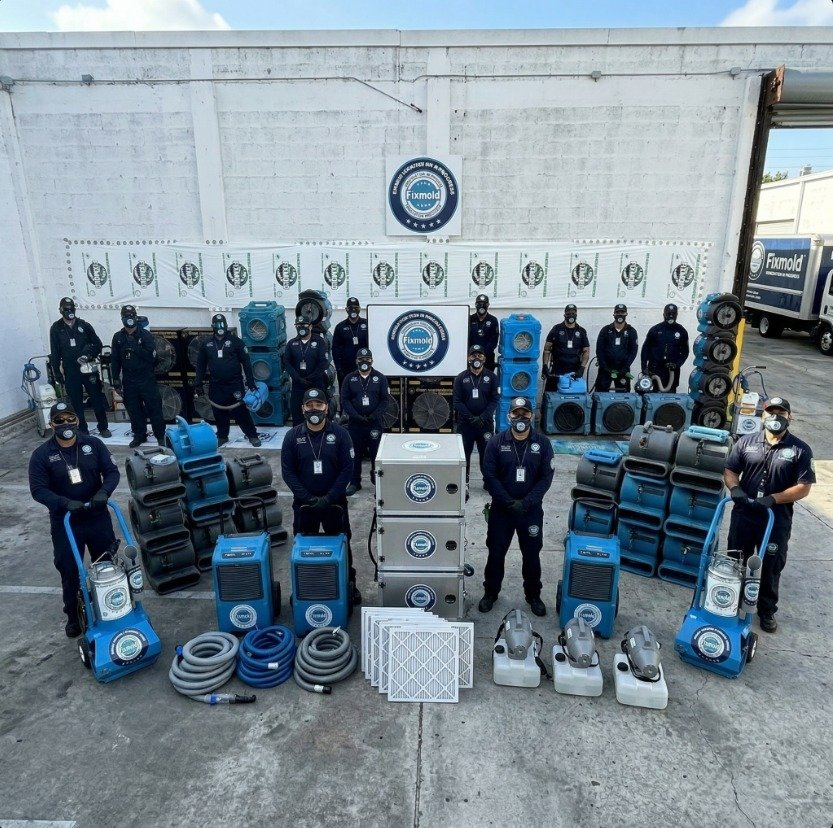
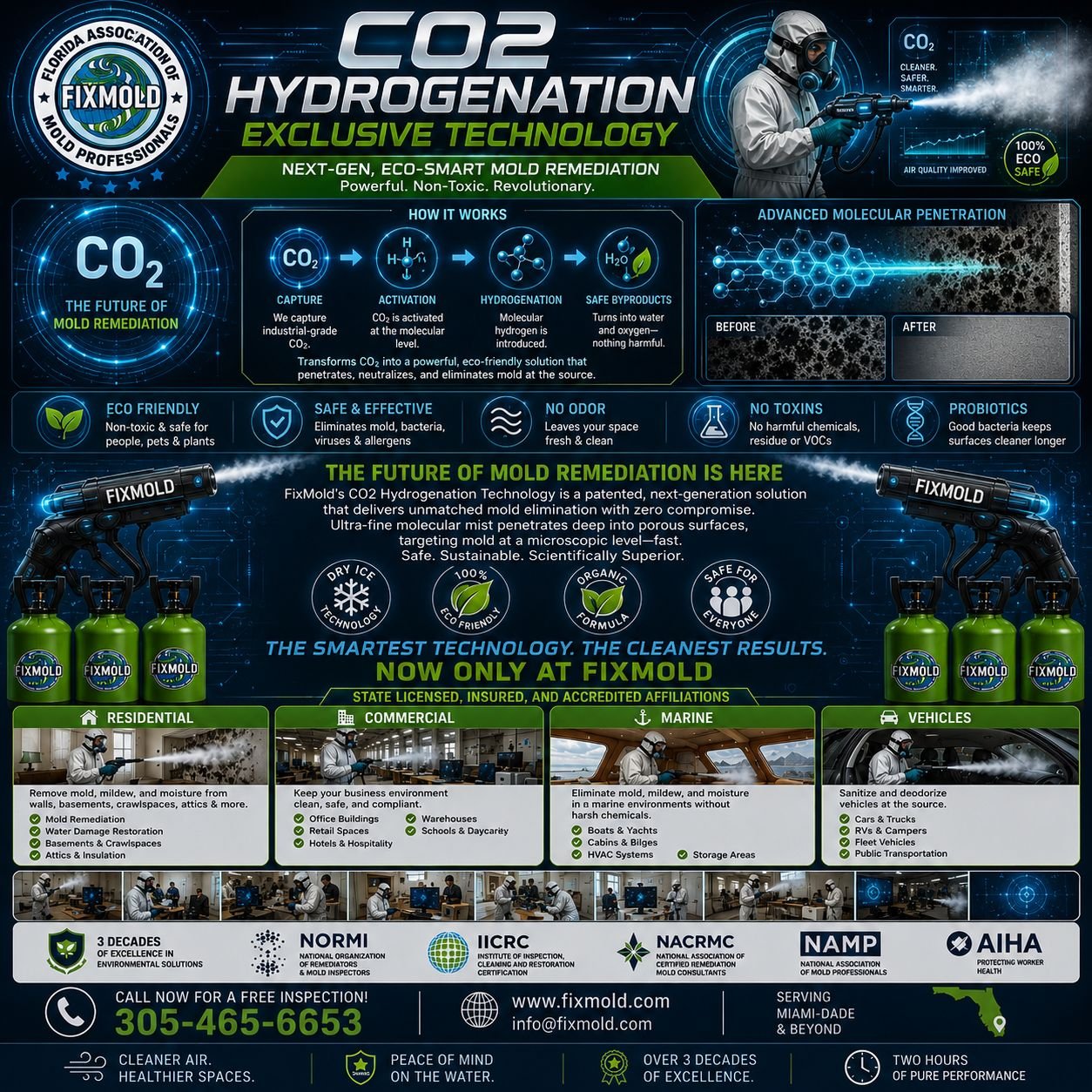
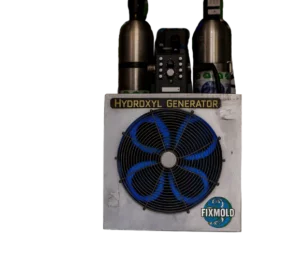
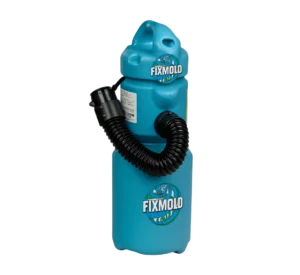
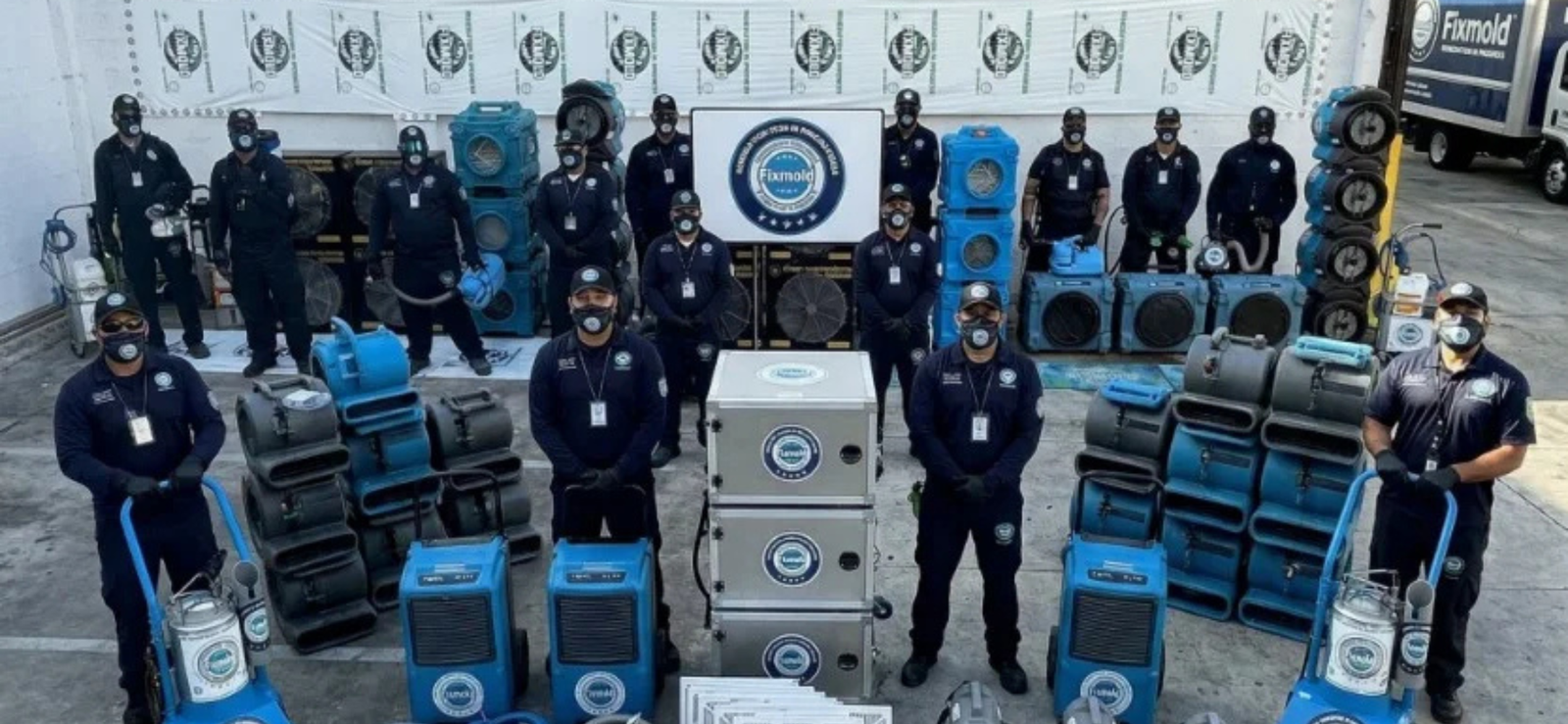
Air scrubbing systems are frequently used during deep cleaning projects to reduce airborne particles while environmental cleaning is performed. HEPA filtration helps capture microscopic particles circulating through the indoor environment during remediation or cleaning processes.
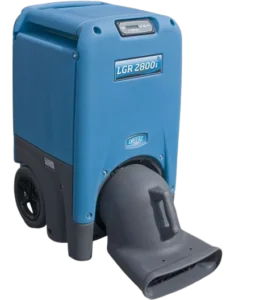
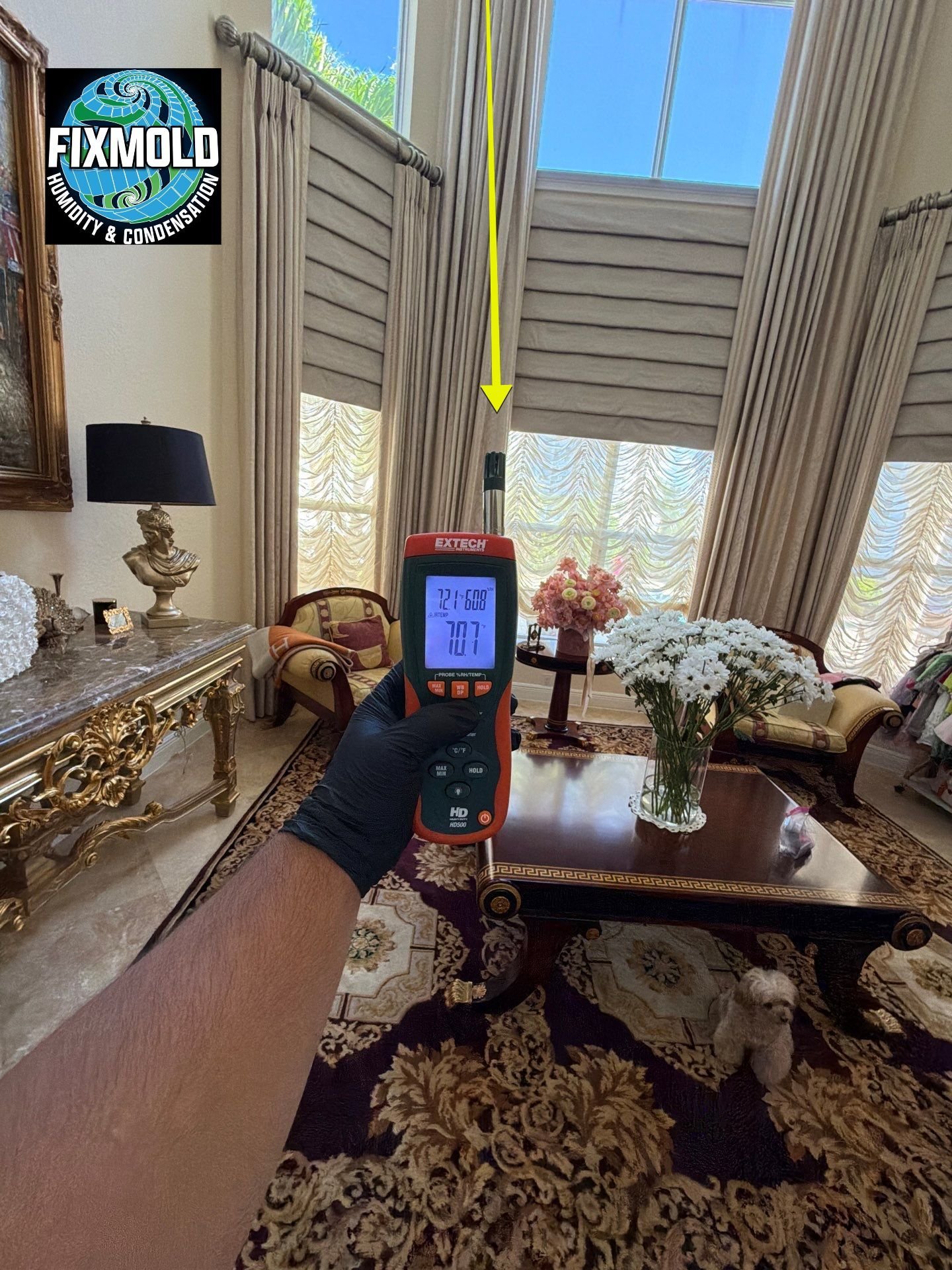
Humidity control remains one of the most important factors in maintaining long-term indoor air quality throughout South Florida properties. Oversized HVAC systems, poor ventilation, roof leaks, wet insulation, and unresolved condensation may all contribute to recurring airborne contamination if environmental conditions remain unstable.
Many homeowners repeatedly clean surfaces without realizing the underlying indoor air quality issue originates inside the HVAC system, attic space, insulation materials, or hidden moisture-affected cavities elsewhere in the building. Surface cleaning alone often fails when airborne contaminants continue circulating through the indoor environment.
Every Miami property responds differently depending on building age, HVAC configuration, moisture history, occupancy patterns, ventilation design, and environmental exposure. Older homes, luxury waterfront residences, condos, commercial properties, and storm-damaged structures each present unique indoor air quality challenges.
Understanding how South Florida humidity affects indoor environments helps explain why air quality deep cleaning often requires a broader environmental approach focused on moisture control, ventilation stability, HVAC cleanliness, and airborne particle reduction rather than cosmetic cleaning alone.