The rain may stop, but the moisture problem may only be beginning.
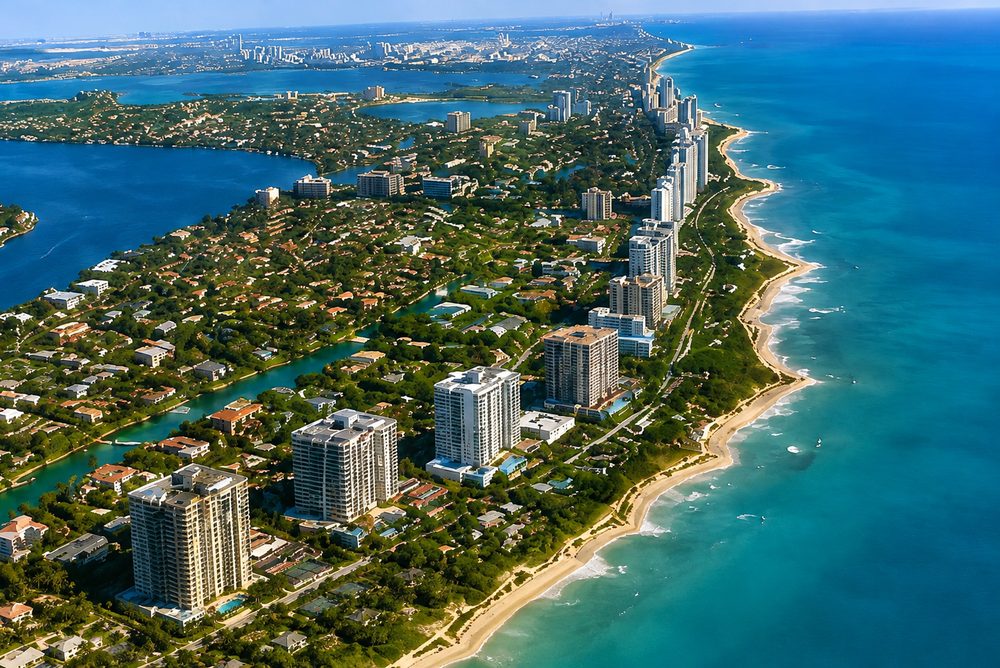
South Florida is no stranger to sudden downpours, tropical storms, heavy rainfall and unexpected flooding. While standing water may disappear within hours or days, the moisture left behind can remain trapped inside building materials, creating conditions that encourage mold growth, elevated humidity and condensation.
For homeowners, landlords, condominium associations and commercial property managers, understanding what happens after flooding is essential.
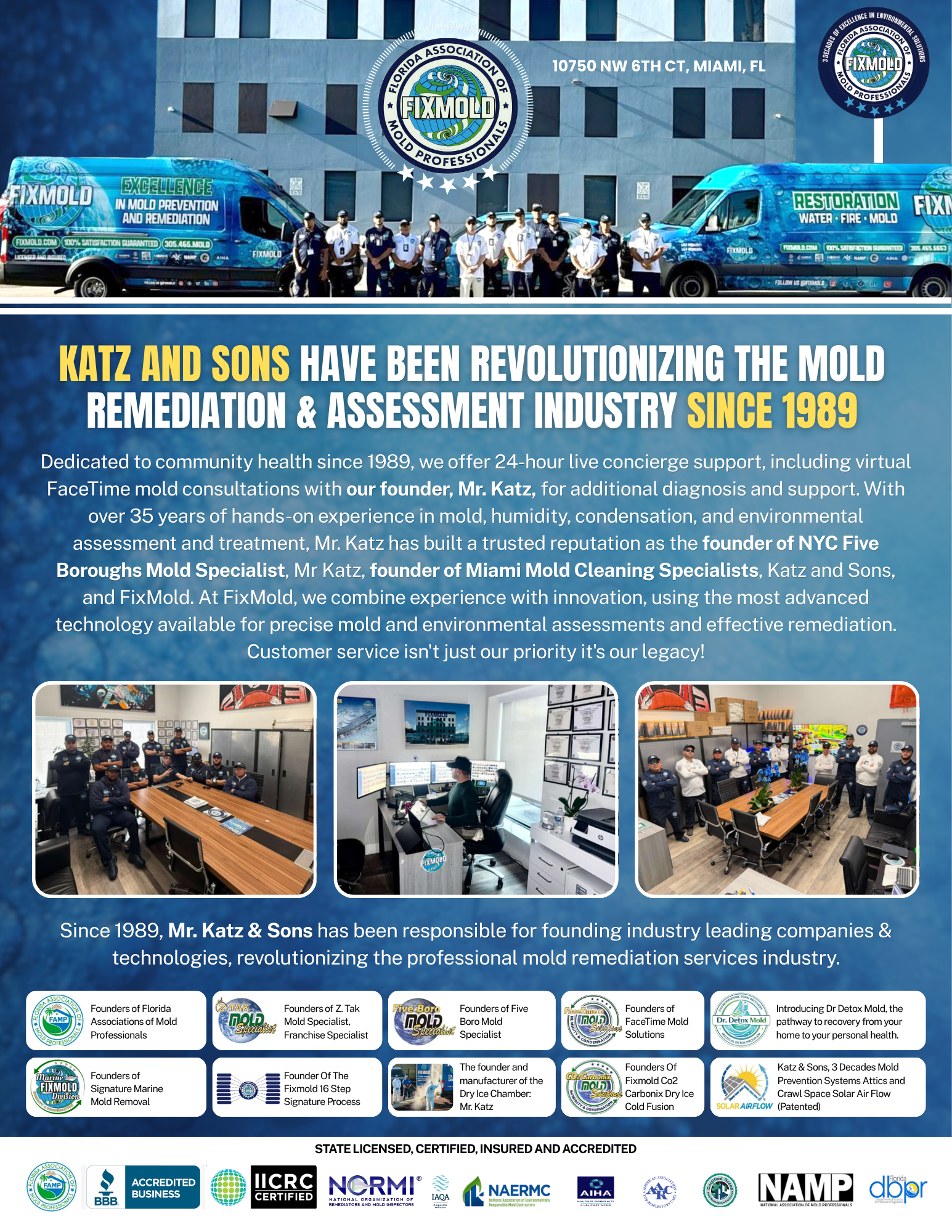
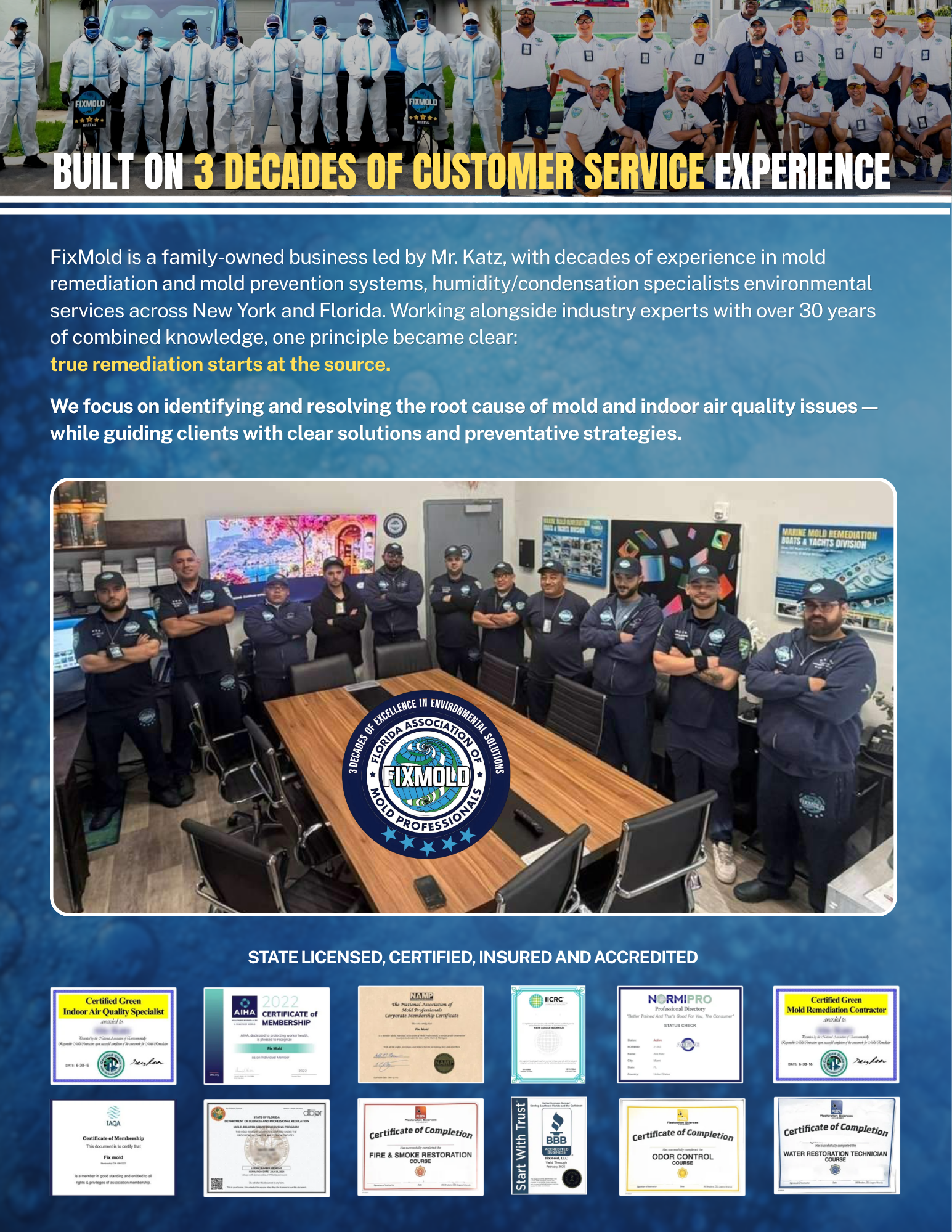
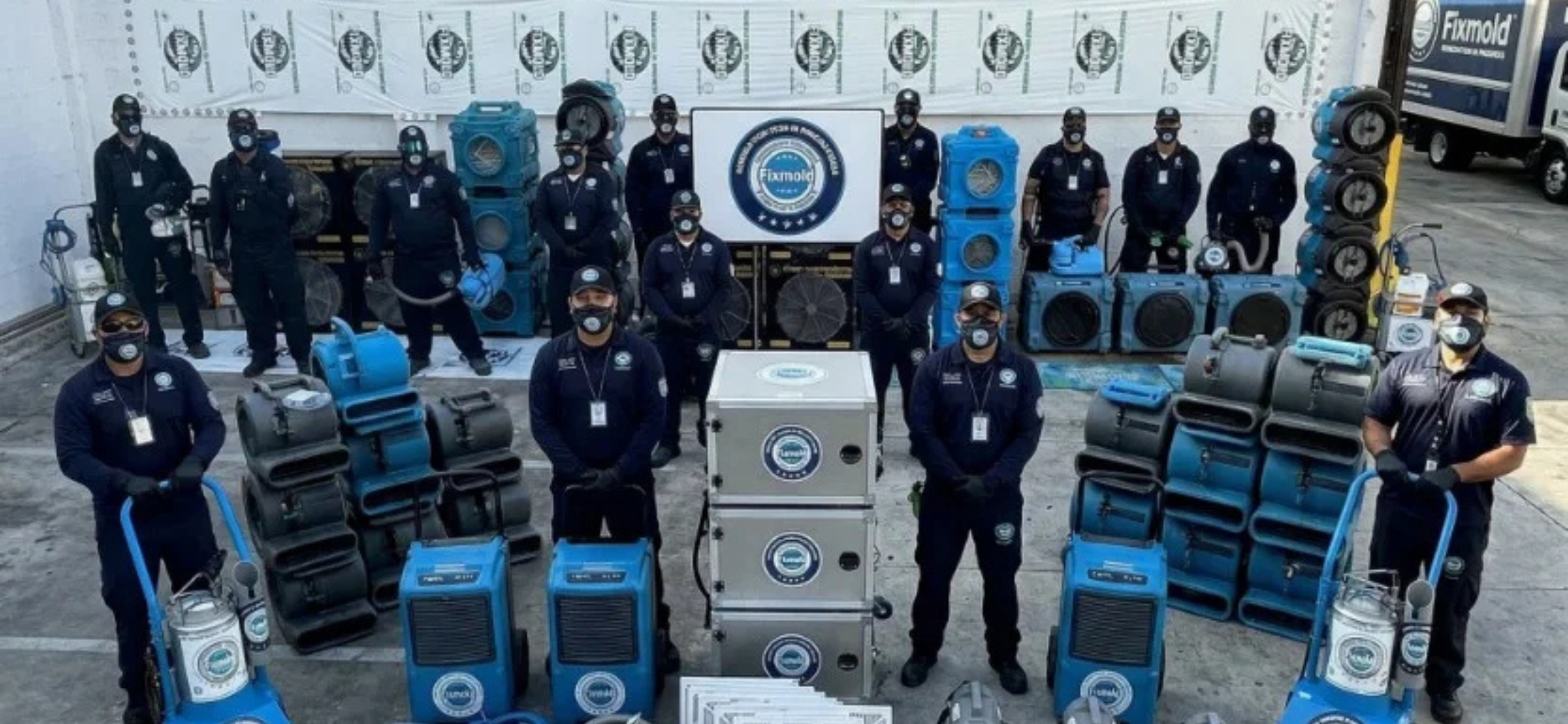
At FixMold Miami, we believe that addressing moisture problems starts with identifying the source. Our approach focuses on mold inspection, moisture investigation, professional remediation, humidity management and indoor air quality.
1. What Happens to Your Property After Heavy Rainfall?
Flooding and water intrusion can affect more than just the visible areas of a property.
Water can enter through:
- Roof leaks and damaged flashing.
- Exterior walls and balcony penetrations.
- Windows, doors and deteriorated seals.
- Foundation cracks and structural openings.
- Plumbing leaks and overflowing drains.
- Flooded crawlspaces and ground-level areas.
- HVAC systems and condensation drainage issues.
Even when visible water has been removed, moisture can remain trapped behind drywall, beneath flooring, inside insulation and within concealed building cavities.
This is why drying and evaluating the affected areas is so important.
2. Why Mold Can Develop After Flooding
Mold requires moisture and suitable conditions to grow. Following water intrusion, damp building materials can provide an environment that supports microbial growth.
The EPA recommends drying water-damaged areas within 24–48 hours when possible to help prevent mold growth.
Warning signs include:
- Persistent musty odors.
- Dark spots on walls or ceilings.
- Discoloration around windows and baseboards.
- Bubbling or peeling paint.
- Damp carpets and flooring.
- Visible growth around air conditioning vents.
- Recurring moisture despite previous cleaning.
Not all mold is visible. Some contamination may be concealed behind building materials or within HVAC components.
Professional evaluation can help determine the extent of the problem and the appropriate next steps.
3. The Hidden Problem: Excessive Indoor Humidity
South Florida’s naturally humid climate can make moisture management particularly challenging.
After flooding or water intrusion, indoor humidity may remain elevated, especially when ventilation, air conditioning or dehumidification is inadequate.
Excessive humidity can contribute to:
- Condensation on windows and walls.
- Dampness inside closets and cabinets.
- Musty odors.
- Moisture accumulation around HVAC systems.
- Conditions that support mold growth.
- Deterioration of susceptible building materials.
Controlling humidity is not simply about turning down the thermostat.
A proper assessment should consider indoor relative humidity, moisture sources, ventilation, air conditioning performance and the condition of the building envelope.
4. Condensation: A Common South Florida Concern
Condensation occurs when warm, moisture-laden air encounters a cooler surface.
This is particularly common around air conditioning systems, ductwork, ceiling registers, windows and poorly insulated surfaces.
Following periods of heavy rain, elevated indoor moisture can make condensation concerns worse.
Some common warning signs include:
- Water droplets around air conditioning vents.
- Damp ceiling areas near ductwork.
- Moisture on windows.
- Wet or discolored insulation.
- Repeated dampness around HVAC components.
FixMold Miami investigates humidity and condensation concerns to help identify contributing conditions and determine suitable corrective measures.
5. How FixMold Miami Approaches Mold and Moisture Problems
At FixMold Miami, we understand that every property has different moisture challenges.
Our services focus on investigating the source of the problem and determining the appropriate restoration approach.
Comprehensive Mold Inspection
Our evaluations can include visual inspections, moisture mapping, humidity measurements and assessments of accessible areas of concern.
Advanced Moisture Mapping
Moisture detection equipment helps identify damp areas within accessible building materials and investigate potential water intrusion pathways.
Professional Mold Remediation
Where mold contamination is identified, remediation is designed around the affected materials and conditions. This may include appropriate containment, removal of contaminated materials, HEPA filtration and detailed cleaning.
Humidity and Condensation Control
We assess contributing moisture conditions, HVAC performance and condensation concerns to help determine appropriate corrective measures.
HVAC and Duct System Restoration
Air conditioning systems and ductwork can be important parts of an indoor environmental assessment, particularly where exposed fiberglass, moisture or suspected contamination is present.
Our team evaluates the condition of the system and recommends suitable cleaning, restoration, repair or replacement options.
6. Why Addressing the Source Matters
One of the most common mistakes property owners make is focusing only on visible mold or water stains.
Painting over a damp wall, cleaning a visible spot or repeatedly using household deodorizers will not correct an ongoing water intrusion problem.
If the source of moisture remains unresolved, the conditions contributing to the problem may return.
At FixMold, our philosophy is simple:
We don’t just treat mold. We FixMold.
Our objective is to investigate the contributing conditions, address affected materials and help clients understand what is needed to protect their property.
7. What Should You Do After Flooding?
If your property has experienced water intrusion, consider these important steps:
- Address the water source as soon as it is safe to do so.
- Avoid entering areas with electrical or structural hazards.
- Arrange appropriate water extraction and professional drying.
- Remove standing water and wet materials when safe and appropriate.
- Have concealed moisture investigated.
- Assess HVAC systems and ductwork if affected.
- Monitor humidity and condensation.
- Arrange professional mold remediation when contamination is identified.
Floodwater may contain sewage, chemicals or other contaminants. Do not attempt to handle contaminated floodwater or affected materials without appropriate protective measures and professional guidance.
8. Serving South Florida Homes and Businesses
FixMold Miami provides mold, moisture, humidity, condensation and indoor air quality services throughout South Florida.
Our service areas include:
- Miami-Dade County
- Broward County
- Palm Beach County
- Monroe County
We assist residential and commercial property owners, condominium associations, property managers and other clients with a range of environmental concerns.
Explore our locations and service areas:
https://fixmold.com/locations
9. Don’t Wait Until Moisture Becomes a Bigger Problem
Heavy rainfall and flooding can leave behind conditions that are not immediately visible.
If you have experienced water intrusion, persistent humidity, condensation, musty odors or suspected mold contamination, consider arranging a professional assessment.
FixMold Miami can help you understand the condition of your property and explore the appropriate next steps.
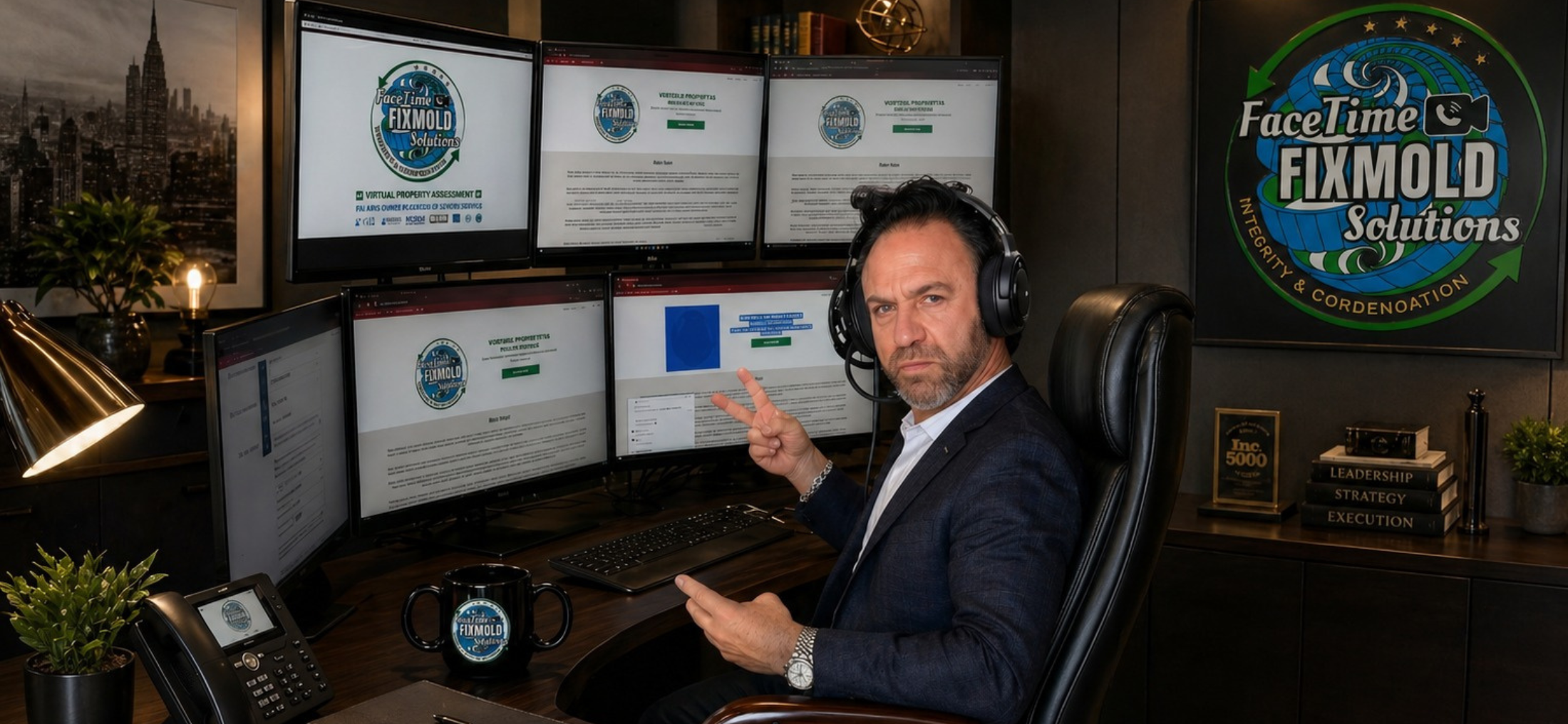
Request an online assessment:
https://fixmold.com/meta-form-leads-florida
FIXMOLD MIAMI – WE FIX THE SOURCE!
When South Florida weather creates moisture challenges, trust a team that understands mold, humidity, condensation and indoor air quality.
FixMold Miami
Experts in Mold, Humidity, Condensation and Air Quality.
📞 305-465-6653
🌐 https://fixmold.com/
Serving Miami-Dade, Broward, Palm Beach and Monroe Counties.
#SouthFloridaFlooding #FixMoldMiami #MoldRemediation #MoldInspection #WaterIntrusion #HumidityControl #CondensationControl #IndoorAirQuality #MiamiMold #FloodDamage
Jerusha is a contributor at FixMold, specializing in mold remediation, indoor air quality, moisture control, and environmental wellness. She creates informative content focused on mold prevention, and advanced restoration solutions for residential and commercial properties.