When most people think about poor indoor air quality, they picture dust collecting on furniture or pet hair on the floor. While these are common household contaminants, many homeowners don’t realize that microscopic airborne particles—including fiberglass fibers and other fine particulates—can have an even greater impact on the air they breathe every day.
Understanding the difference between debris, dander, fine particles, and fiberglass contamination is the first step toward creating a healthier home or workplace.
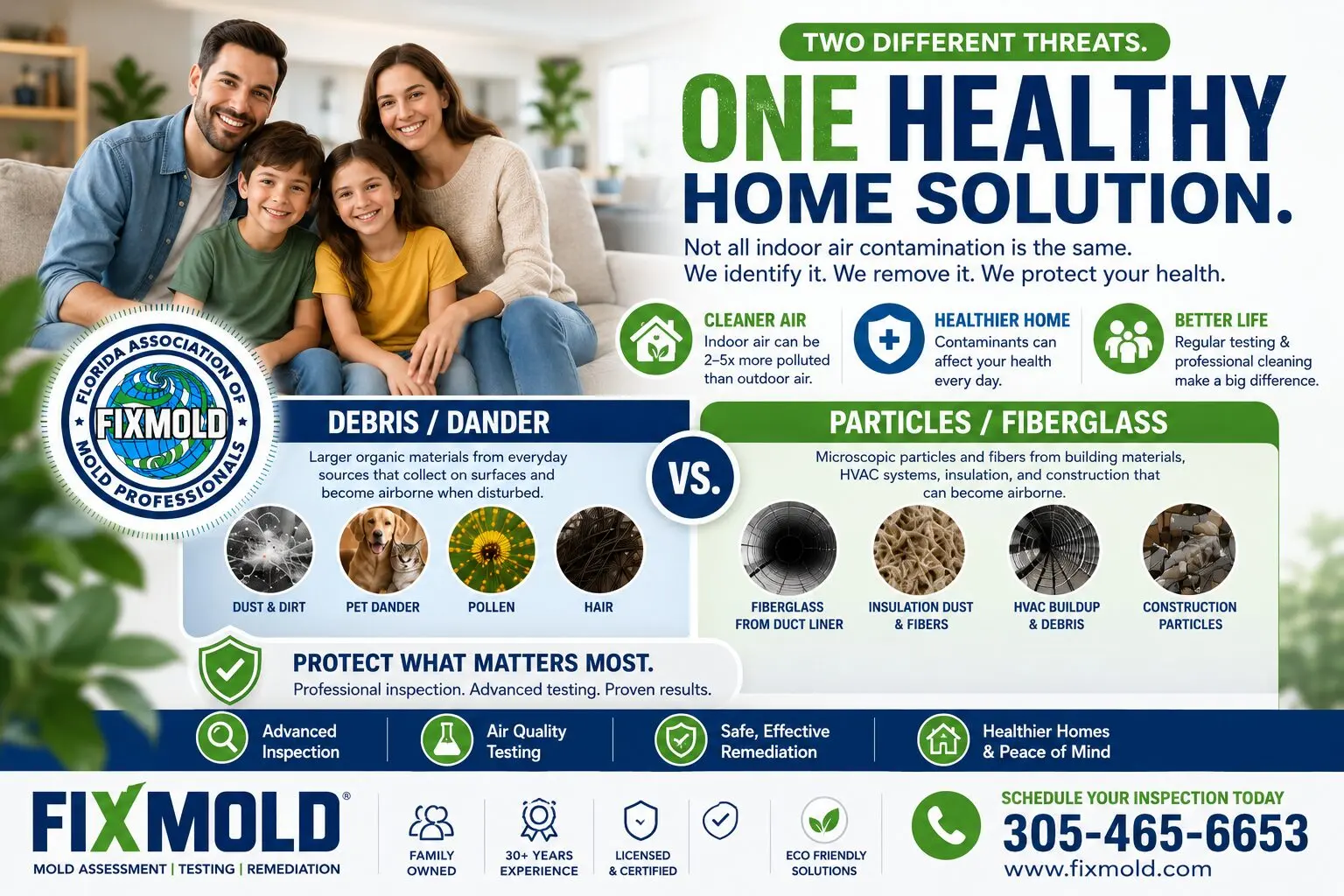
What Are Debris and Dander?
Household debris includes visible dust, dirt, lint, pollen, and other everyday contaminants that accumulate over time. Pet dander consists of tiny flakes of skin shed by cats, dogs, and other animals. These particles easily become airborne and circulate throughout your home via your HVAC system.
Common sources include:
- Household dust
- Pet dander
- Pollen
- Dust mites
- Fabric fibers
- Lint
- Hair and skin cells
Although these contaminants are common, they can contribute to:
- Allergy symptoms
- Asthma flare-ups
- Sneezing and coughing
- Itchy eyes
- Nasal congestion
- Reduced indoor air quality
Routine cleaning, quality air filtration, and HVAC maintenance can help reduce these airborne allergens.
What Are Fine Particles and Fiberglass?
Unlike dust and dander, fiberglass fibers are microscopic particles that often originate from insulation, ductwork, HVAC systems, ceiling tiles, or construction materials. When insulation becomes damaged, disturbed, or deteriorates over time, tiny fiberglass fibers can become airborne.
These particles are often invisible to the naked eye, making them much harder to detect without professional inspection and testing.
Sources of fiberglass contamination include:
- Aging attic insulation
- Damaged HVAC duct insulation
- Renovation or remodeling projects
- Water-damaged insulation
- Construction debris
- Mechanical system deterioration
Because these particles are so small, they can remain suspended in the air and circulate throughout the entire property.
Why Indoor Air Quality Matters
Every day, your family breathes thousands of gallons of air inside your home. If that air contains elevated levels of dust, mold spores, fiberglass fibers, or other airborne contaminants, it can affect both comfort and overall indoor environmental quality.
Common concerns associated with airborne contaminants include:
- Respiratory irritation
- Eye irritation
- Throat discomfort
- Skin irritation
- Allergy symptoms
- Increased dust accumulation
- Reduced HVAC efficiency
- Poor indoor air quality
Identifying the source of these contaminants is essential for developing an effective solution.
Signs Your Home May Have Airborne Contamination
You may benefit from a professional indoor air quality assessment if you notice:
- Excessive dust despite regular cleaning
- Persistent allergy symptoms indoors
- Visible insulation damage
- HVAC systems distributing dust throughout the home
- Fibers collecting around air vents
- Recent construction or remodeling
- Water damage affecting insulation
- Unexplained respiratory irritation
These signs may indicate that airborne contaminants are circulating throughout your property.
Professional Indoor Air Quality Testing
While air purifiers and frequent cleaning can improve general cleanliness, they cannot identify the source of contamination.
Professional indoor air quality assessments provide valuable information about what’s actually circulating through your indoor environment.
At FixMold, our comprehensive services include:
- Indoor Air Quality Assessments
- Mold Inspections
- Mold Testing
- Air Quality Testing
- Surface Sampling
- HVAC Contamination Assessments
- Mold Removal
- Mold Remediation
- Post-Remediation Verification Support
- Environmental Consulting
Using advanced equipment and proven inspection methods, our specialists help identify airborne contaminants so property owners can make informed decisions.
Why Choose FixMold?
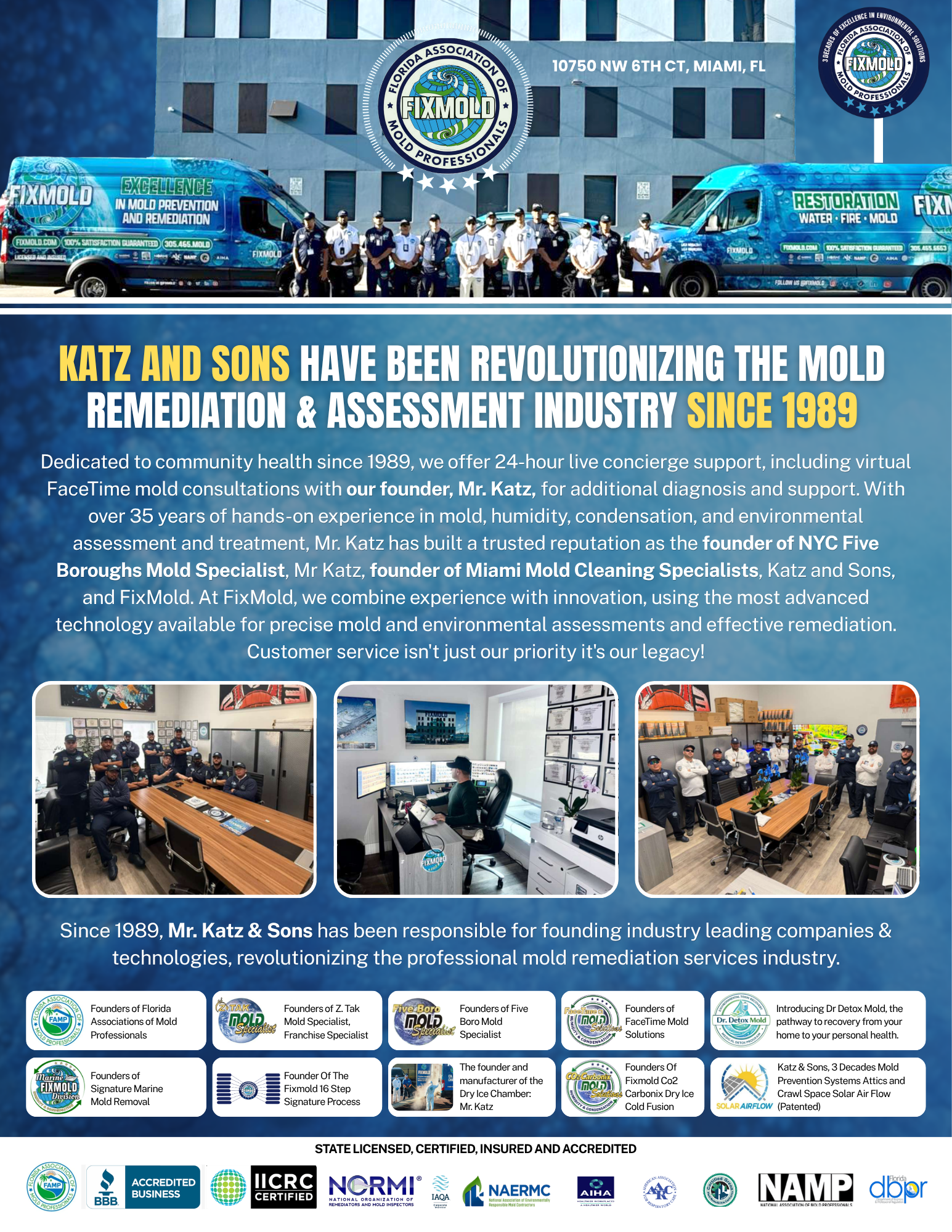
At FixMold, we understand that clean indoor air is about more than comfort—it’s about creating a healthier environment for your family, employees, tenants, and customers.
Our experienced team provides professional evaluations designed to identify mold, fiberglass contamination, airborne particles, and other environmental concerns affecting indoor air quality.
Whether you’re purchasing a home, recovering from water damage, experiencing allergy concerns, or simply want peace of mind, we offer customized solutions based on your property’s specific needs.
Breathe Cleaner Air with Confidence
Not every airborne contaminant is visible, and not every air quality issue is caused by mold. Dust, pet dander, fine particles, fiberglass fibers, and hidden contaminants can all affect your indoor environment.
If you’re concerned about the air inside your home or business, let FixMold help you uncover what’s really in your air. Our professional indoor air quality assessments, mold inspections, testing services, and remediation expertise provide the knowledge and solutions needed to restore healthier indoor environments.
Schedule your professional Indoor Air Quality Assessment with FixMold today and take the first step toward cleaner air, improved comfort, and greater peace of mind.
FixMold #IndoorAirQuality #HealthyHome #AirQualityTesting #MoldInspection #MoldRemediation #FiberglassParticles #DustAndDander #CleanAir #HVAC #AllergyRelief #HomeHealth #MiamiHomes #HealthyLiving #EnvironmentalWellness
https://fixmold.com/locations/mold-remediation-miami-fl
Jerusha is a contributor at FixMold, specializing in mold remediation, indoor air quality, moisture control, and environmental wellness. She creates informative content focused on mold prevention, and advanced restoration solutions for residential and commercial properties.