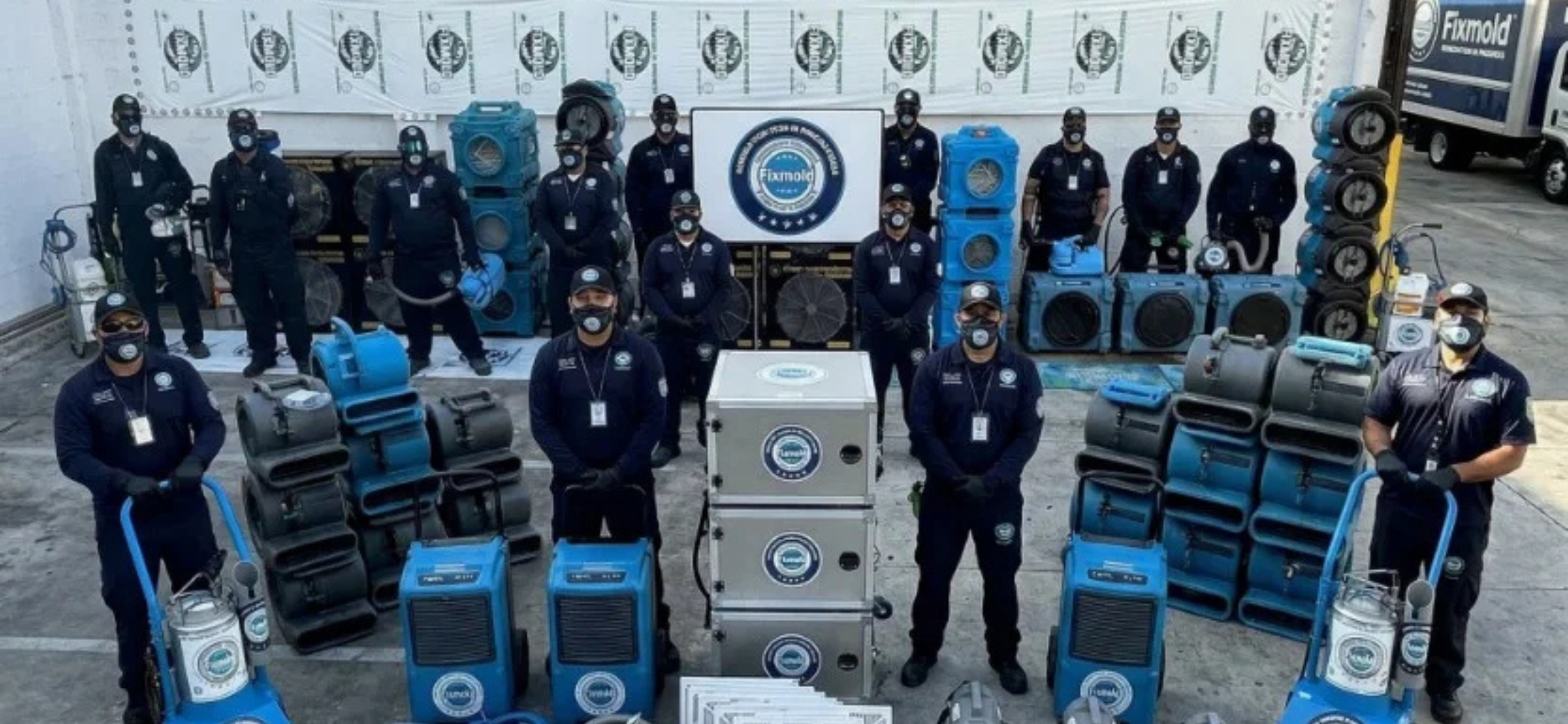
By FIXMOLD MIAMI | South Florida Mold Inspection & Remediation Specialists
Hurricanes, tropical storms, and heavy rainfall are part of life in Miami and South Florida. But once the winds stop and floodwaters recede, homeowners often overlook a serious problem: hidden moisture and mold contamination inside their properties.
A home may appear completely dry while moisture remains trapped behind drywall, beneath flooring, around windows, and inside attic insulation.
With South Florida’s high humidity and warm temperatures, these conditions can encourage mold growth and contribute to indoor air quality problems.
At FIXMOLD MIAMI, we specialize in identifying concealed moisture, investigating water intrusion, and providing professional mold inspection and remediation solutions.
1. Roof Leaks: Hidden Damage Above Your Ceiling
After a hurricane or heavy rainstorm, roofing systems can develop leaks that are difficult to identify from inside the home.
Damaged roofing tiles, flashing, vents, and penetrations may allow water to enter attic spaces and soak building materials.
Common warning signs include:
- Brown or yellow ceiling stains
- Peeling or bubbling ceiling paint
- Damp attic insulation
- Musty odors in upper rooms
- Mold growth along attic framing
- Water stains around ceiling fixtures
Even a small roof leak can cause substantial hidden moisture damage if left unresolved.
A professional post-storm mold inspection can help determine whether water has penetrated ceilings, framing, and attic materials.
2. Window Seals and Sliding Doors: A Common Source of Water Intrusion
South Florida homes frequently feature large windows, sliding glass doors, and hurricane-resistant window systems.
Although these components are designed to withstand severe weather, damaged seals, deteriorated caulking, improper installation, and wind-driven rain can still allow water intrusion.
Moisture may accumulate behind window trim, along interior wall edges, and beneath flooring.
Watch for:
- Water stains around window frames
- Damp window sills
- Peeling paint near openings
- Swollen baseboards
- Musty odors after rain
- Visible mold around window corners
Addressing the water-entry point is essential to preventing recurring mold problems.
3. Flooded Flooring: Mold Beneath the Surface
One of the most overlooked consequences of storm damage is moisture trapped beneath flooring.
Even after standing water has been removed, wood flooring, laminate, carpet padding, and subfloor materials may remain damp.
This trapped moisture can encourage microbial growth beneath the visible surface.
Potential problem areas include:
- Hardwood flooring
- Laminate planks
- Carpet and padding
- Subfloor assemblies
- Baseboards and floor transitions
Professional moisture mapping can help locate elevated moisture in affected flooring systems.
Depending on the extent of contamination and damage, some materials may require removal and replacement.
4. Wet Drywall: The Hidden Sponge Inside Your Home
Drywall is especially vulnerable to water damage because its paper facing and gypsum core can absorb moisture.
Following heavy rain, moisture may travel upward from wet floors or move through wall cavities.
This can create conditions suitable for mold growth on drywall paper, especially where ventilation is limited.
Warning signs include:
- Soft or deteriorated drywall
- Bubbling paint
- Swollen baseboards
- Discoloration near the floor
- Persistent musty odors
- Visible mold growth
Simply painting over water-damaged drywall does not correct the underlying problem.
Affected materials should be evaluated, properly dried, cleaned, or removed as appropriate.
5. Attic Insulation: Storm Moisture Can Remain Hidden
Roof leaks can saturate fiberglass insulation, attic decking, wood framing, and nearby building materials.
In South Florida’s warm and humid climate, attic conditions can complicate the drying process.
Wet insulation may lose insulating performance, while moisture retained in surrounding organic materials can encourage mold growth.
Important attic inspection areas include:
- Roof decking
- Wooden structural beams
- Soffit and ridge ventilation areas
- Attic insulation
- HVAC ductwork
- Air-conditioning plenums
- Ceiling penetrations
FIXMOLD MIAMI focuses on evaluating the underlying moisture source rather than simply treating visible discoloration.
6. Hidden Wall Cavities: Mold You Cannot See
One of the biggest challenges following storm damage is determining what is happening inside concealed building spaces.
Mold may develop behind drywall, beneath cabinetry, inside closets, and around plumbing penetrations.
These areas can remain damp without obvious surface damage.
Professional inspection equipment can help identify suspicious conditions through:
- Infrared thermal imaging
- Moisture meters
- Moisture mapping
- Relative humidity measurements
- Visual inspection
- Targeted cavity evaluation
Thermal imaging identifies temperature differences that may suggest moisture; it does not independently confirm mold.
Additional investigation may be necessary to establish the source and extent of contamination.
7. Why the First 24–48 Hours Matter
Time is critical after water intrusion.
Mold can begin growing on damp materials within approximately 24–48 hours under favorable conditions.
The longer moisture remains trapped, the greater the potential for building-material deterioration and microbial contamination.
After discovering storm-related water damage:
- Make sure the property is safe to enter.
- Document visible damage for insurance purposes.
- Identify and stop the water-entry source.
- Arrange safe water extraction and structural drying.
- Inspect concealed moisture-prone areas.
- Evaluate potentially contaminated building materials.
- Complete appropriate remediation and drying verification.
Floodwater may contain sewage, chemicals, and other contaminants. Professional assistance is especially important when significant flooding or electrical hazards are present.
8. Professional Post-Storm Mold Inspections in Miami
A thorough post-storm mold inspection should look beyond visible stains.
At FIXMOLD MIAMI, our approach emphasizes identifying moisture sources and evaluating the conditions that contribute to mold development.
Services include:
Mold Inspection and Testing
Assessment of visible and potentially concealed contamination.
Advanced Moisture Detection
Moisture meters, thermal imaging, and targeted inspections.
Water Damage Mold Remediation
Professional remediation of affected materials using appropriate containment and cleaning procedures.
Attic and Insulation Evaluation
Inspection of attic structural materials, insulation, and moisture-affected areas.
HVAC and Air Duct Evaluation
Assessment of air-conditioning systems and duct materials potentially affected by storm-related moisture.
Indoor Air Quality Assessment
Evaluation of environmental conditions and sampling when appropriate.
Our mission is to identify the conditions responsible for contamination and develop effective restoration solutions.
9. Why Choose FIXMOLD MIAMI?
35 Years of Experience
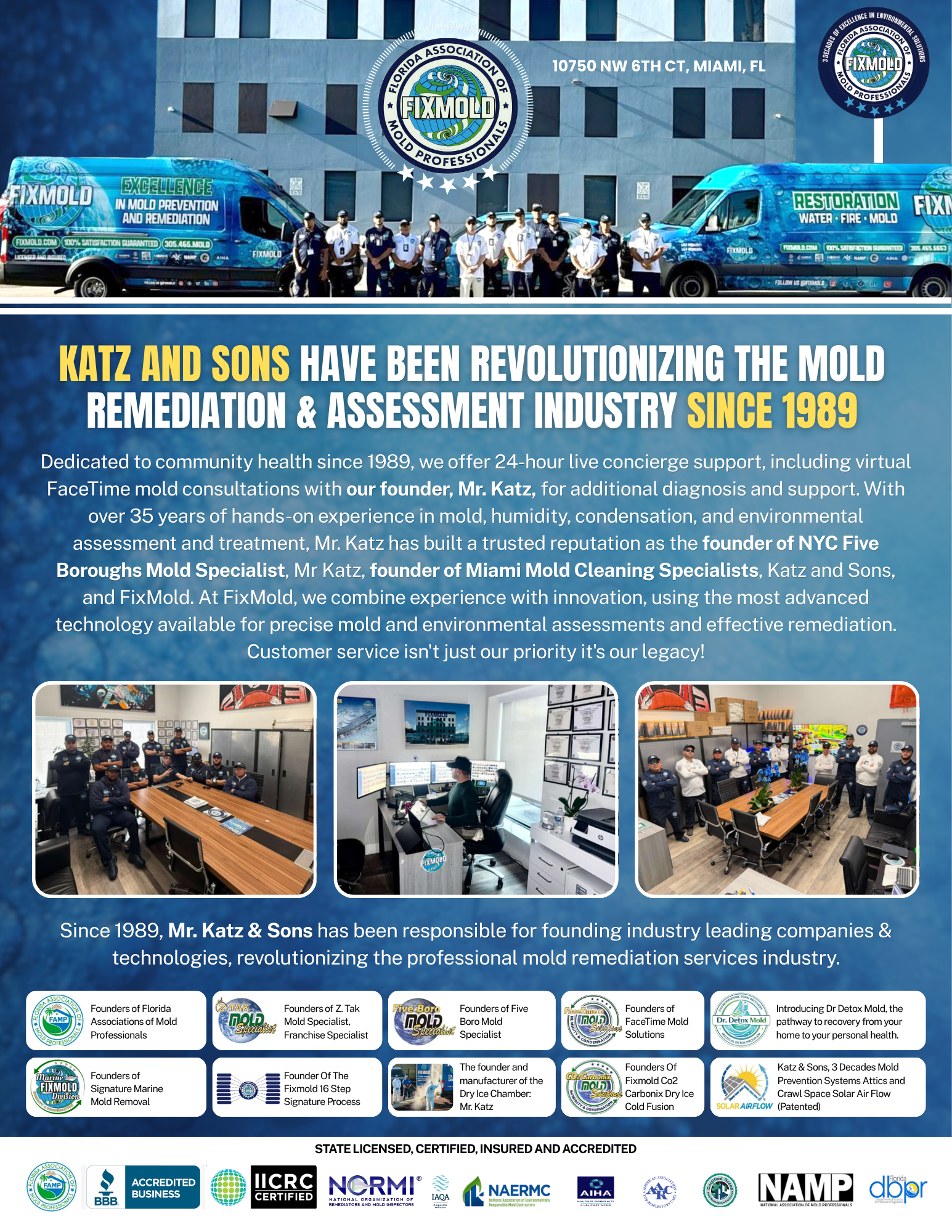
FIXMOLD MIAMI emphasizes decades of industry experience serving homeowners and property managers throughout South Florida.
Advanced Technology
Our technicians use professional moisture detection and inspection equipment to evaluate difficult-to-access areas.
State-Certified Professionals
We emphasize qualified assessments, professional remediation procedures, and appropriate project documentation.
Eco-Friendly Restoration Options
We prioritize effective remediation methods and appropriate low-emission products when suitable for the project.
Root-Cause Focus
Rather than concentrating exclusively on visible mold, we investigate the moisture conditions that allow contamination to develop.
The FIXMOLD MIAMI Difference:
We fix the source of the problem — 100% guaranteed.
10. Schedule Your Post-Storm Mold Inspection
Whether your property experienced a hurricane, tropical storm, roof leak, overflowing drainage system, or extended heavy rainfall, hidden moisture should never be ignored.
A professional evaluation can help identify affected materials before deterioration becomes more extensive.
FIXMOLD MIAMI provides mold inspections, moisture assessments, water damage mold remediation, and indoor air quality services throughout South Florida.
Contact Our Four South Florida Service Locations
Broward County: 954-951-8479
Miami-Dade County: 786-791-2928
West Palm Beach: 561-944-9352
Monroe County / Florida Keys: 305-465-6653
Website: https://fixmold.com
Frequently Asked Questions
How quickly can mold develop after a hurricane?
Mold can begin growing within 24–48 hours when moisture and suitable materials are present.
Can mold grow beneath dry-looking flooring?
Yes. Moisture can remain trapped beneath flooring even when the visible surface appears dry.
Should I inspect my attic after heavy rainfall?
If there is evidence of roof leakage or water intrusion, an attic inspection can help identify damp insulation, framing, and ceiling materials.
Does thermal imaging detect mold?
No. Thermal imaging can reveal temperature patterns that may indicate hidden moisture, but additional assessment is needed to determine whether mold is present.
Can water-damaged drywall always be saved?
No. The decision depends on the water source, exposure duration, damage, contamination, and whether the material can be safely cleaned and dried.
#FixMoldMiami #HurricaneMoldMiami #WaterDamageMoldRemediation #PostStormMoldInspection #MiamiMoldInspection #MiamiMoldRemediation #MoldRemovalMiami #SouthFloridaMold #HurricaneRecovery #WaterIntrusion #HiddenMold #AtticMold #FloodDamageRestoration #IndoorAirQuality #BrowardMoldRemediation #WestPalmBeachMold #FloridaKeysMold #ProfessionalMoldInspection #StormDamage #FixMold
https://fixmold.com/locations
Jerusha is a contributor at FixMold, specializing in mold remediation, indoor air quality, moisture control, and environmental wellness. She creates informative content focused on mold prevention, and advanced restoration solutions for residential and commercial properties.