FixMold Miami | 35 Years of Experience | Serving Miami-Dade, Broward, Palm Beach & Monroe Counties
When the Storm Ends, Hidden Property Damage May Be Just Beginning
Every year, South Florida property owners face the challenges of hurricane season, intense tropical rainfall, wind-driven water intrusion, and persistent humidity.
While visible flooding, damaged roofing, and ceiling leaks demand immediate attention, some of the most concerning damage occurs in places homeowners and property managers cannot easily see.
Moisture can become trapped behind drywall, beneath flooring, inside insulation, around windows, and within HVAC systems. Without proper investigation and moisture control, these conditions can contribute to microbial growth, building-material deterioration, and indoor environmental concerns.
At FixMold Miami, our approach focuses on identifying moisture problems, investigating their underlying causes, and developing appropriate remediation and corrective solutions.
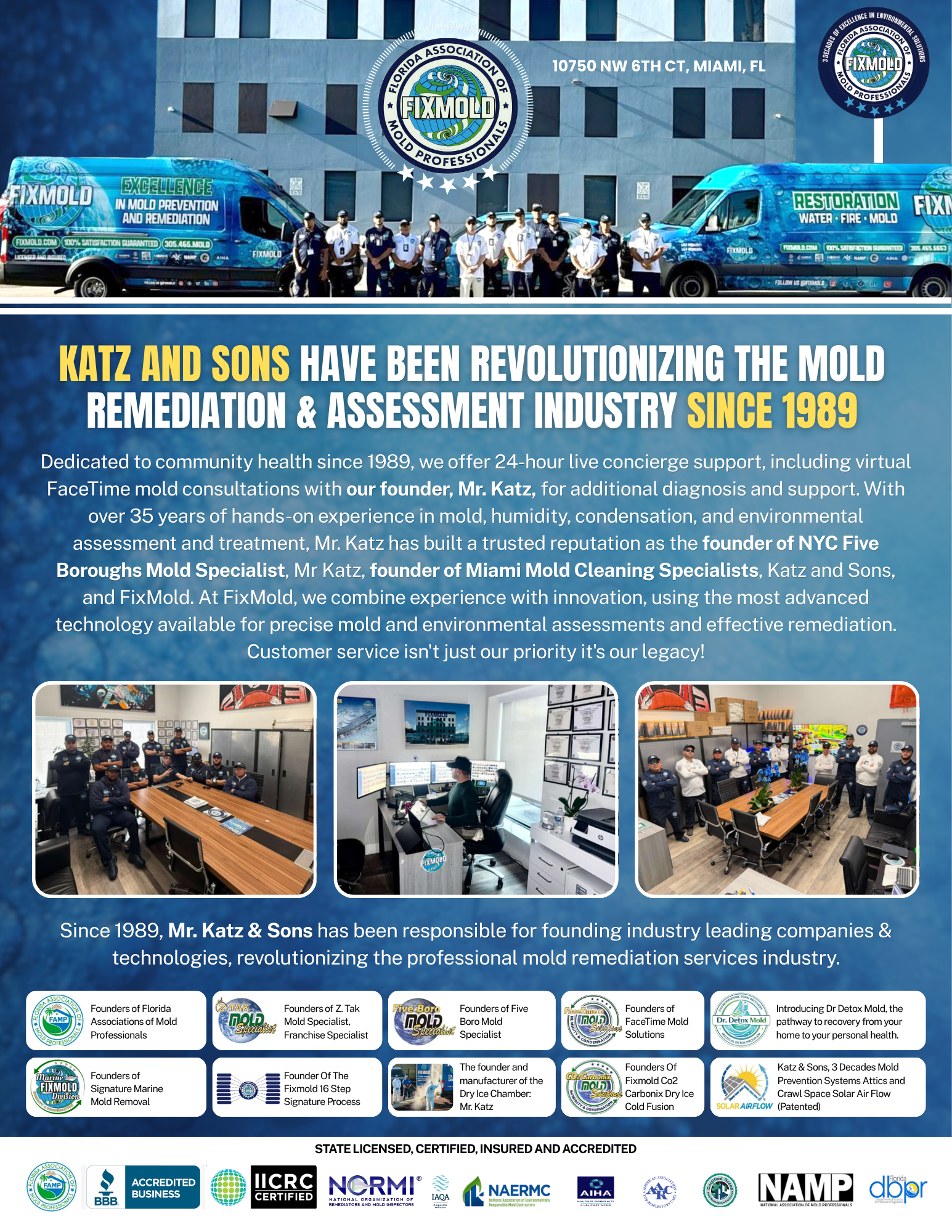
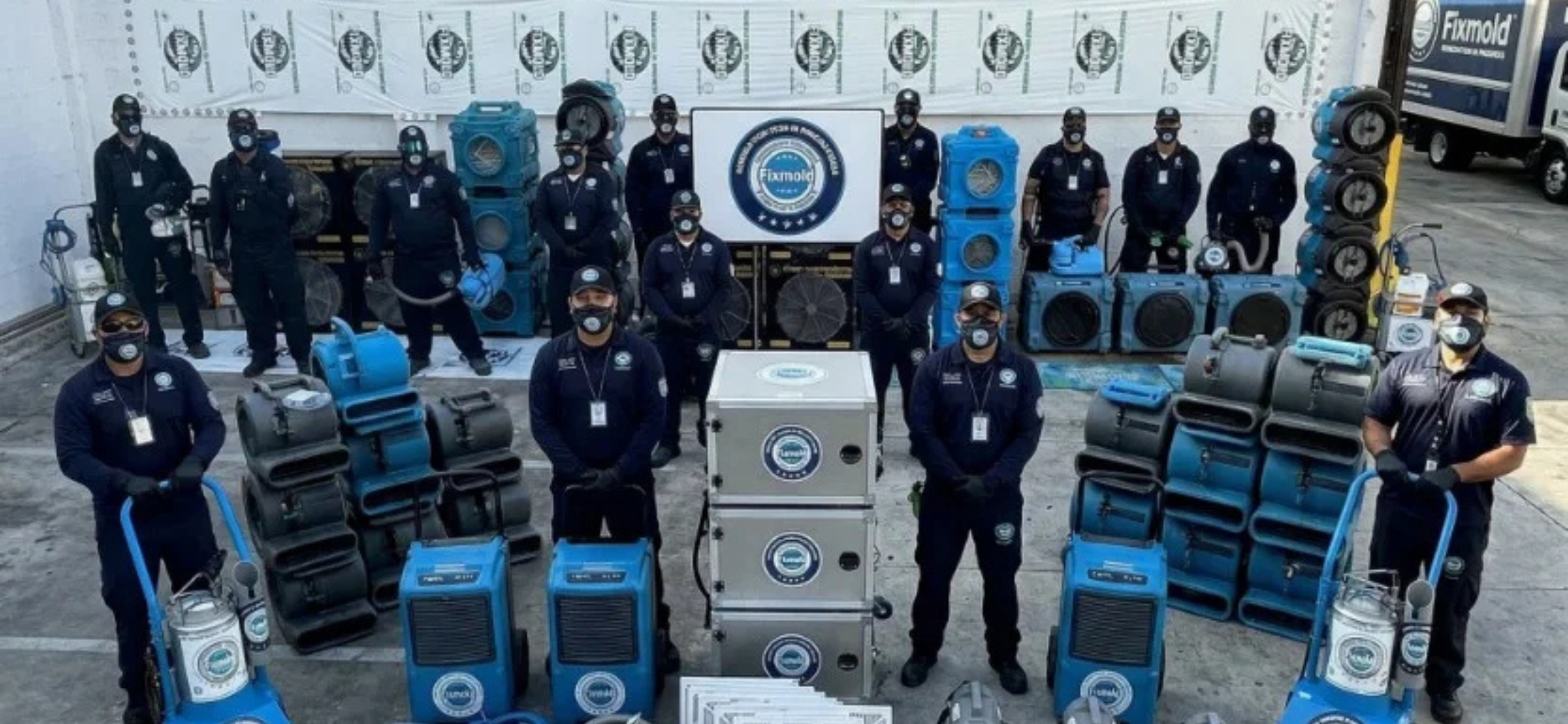
With 35 years of experience highlighted in our company branding, FixMold Miami emphasizes professional inspection, advanced diagnostic technology, documentation, and source identification.
1. Heavy Rainfall Can Cause Hidden Water Intrusion
South Florida storms can expose properties to substantial rainfall and wind pressure.
Water may enter through vulnerable building components, including:
- Roof penetrations and damaged roof assemblies
- Window and sliding-glass-door seals
- Exterior stucco cracks and wall openings
- Balcony and terrace waterproofing failures
- Plumbing and drainage systems
- HVAC penetrations and condensate systems
Even small amounts of intrusion can create long-term moisture concerns when affected materials remain wet.
Water stains, bubbling paint, warped flooring, and musty odors may signal the need for a professional moisture investigation.
Importantly, the absence of visible damage does not necessarily establish that building materials are dry.
2. Mold Can Develop After Storm-Related Moisture
Under favorable conditions, mold can begin developing on damp organic materials within approximately 24–48 hours.
Drywall paper, wood, dust, ceiling materials, and other susceptible surfaces can support mold growth when moisture persists.
Following significant rainfall or a water-intrusion event, property owners should pay particular attention to:
- Persistent musty odors
- Dark or discolored areas near baseboards
- Water-stained ceilings and walls
- Condensation around windows
- Elevated indoor humidity
- Recurring dampness around air-conditioning equipment
The key is controlling moisture and correcting the conditions that allow mold growth to continue.
Cleaning an affected surface without addressing the source of water may lead to recurring problems.
3. HVAC Systems May Contribute to Post-Storm Indoor Environmental Problems
Air-conditioning systems play an important role in controlling temperature and humidity throughout South Florida.
However, HVAC equipment can experience moisture-related issues when drainage systems fail, condensation accumulates, or stormwater affects mechanical spaces.
Depending on the system’s condition, inspections may identify:
- Moisture accumulation around air handlers
- Contaminated or deteriorated internal insulation
- Fiberglass particles associated with damaged HVAC materials
- Microbial growth on damp components
- Condensate drainage problems
- Excessive humidity in conditioned spaces
Fiberglass contamination and mold growth are different issues and require appropriate evaluation.
FixMold Miami focuses on investigating potential HVAC-related contamination sources and identifying corrective measures suited to the system and affected property.
A thorough assessment can help distinguish between a moisture problem, material deterioration, and potential contamination.
4. Condominiums and Apartments Face Unique Water-Intrusion Challenges
South Florida condominium buildings are especially vulnerable to complex water-intrusion disputes.
A leak originating from a roof, exterior wall, balcony, shared plumbing line, or neighboring residence can affect multiple units.
Determining the source of moisture is essential for planning repairs and documenting conditions.
Property managers, condominium associations, landlords, and residents can benefit from:
Moisture mapping: Identifying areas showing elevated moisture readings.
Thermal imaging: Supporting investigation of temperature differences that may indicate moisture and warrant further testing.
Photo documentation: Recording visible damage and site conditions.
Source investigation: Evaluating potential intrusion pathways and contributing factors.
Written findings: Providing clear documentation to help stakeholders understand observed conditions and recommended next steps.
Thermal imaging does not independently confirm mold, and professional interpretation is important.
5. Seasonal and Unoccupied Properties Need Special Attention
Many South Florida homes remain unoccupied for extended periods.
During hurricane and rainy seasons, vacant properties may develop moisture problems without anyone noticing.
An unnoticed roof leak, HVAC shutdown, clogged condensate line, or window intrusion can expose building materials to persistent dampness.
Owners of seasonal residences should consider periodic property checks, properly maintained HVAC equipment, and inspections after significant storms.
Early identification of damage may help limit its extent and reduce costly repairs.
6. Why Identifying the Source of the Problem Matters
At FixMold Miami, our guiding philosophy is straightforward:
We focus on identifying and correcting the source of the problem, not merely addressing visible symptoms.
Successful moisture management requires understanding why the affected material became wet.
If water continues entering the property, cleaning or replacing damaged materials alone may not provide a lasting solution.
A comprehensive approach may involve:
- Inspecting the property and documenting conditions.
- Identifying moisture sources and intrusion pathways.
- Evaluating affected building materials and HVAC components.
- Developing an appropriate drying or remediation plan.
- Addressing the underlying source through suitable corrective work.
- Conducting follow-up evaluation where necessary.
The exact services and corrective work depend on the findings, site conditions, and project scope.
7. What Property Owners Should Do After Heavy Rain or a Hurricane
Following a storm, safety comes first. Avoid standing water near electrical equipment and do not enter structurally compromised areas.
Once conditions are safe, look for evidence of water intrusion, document any visible damage, and arrange for prompt evaluation when moisture is suspected.
Where feasible, water-damaged materials should be dried promptly to reduce the likelihood of additional deterioration and mold growth.
Do not assume that a wall, ceiling, or floor is completely dry simply because its surface appears normal.
A qualified inspection can help determine whether additional investigation, drying, or remediation is appropriate.
8. Serving Homes, Condominiums and Commercial Properties Across South Florida
FixMold Miami serves property owners and managers throughout:
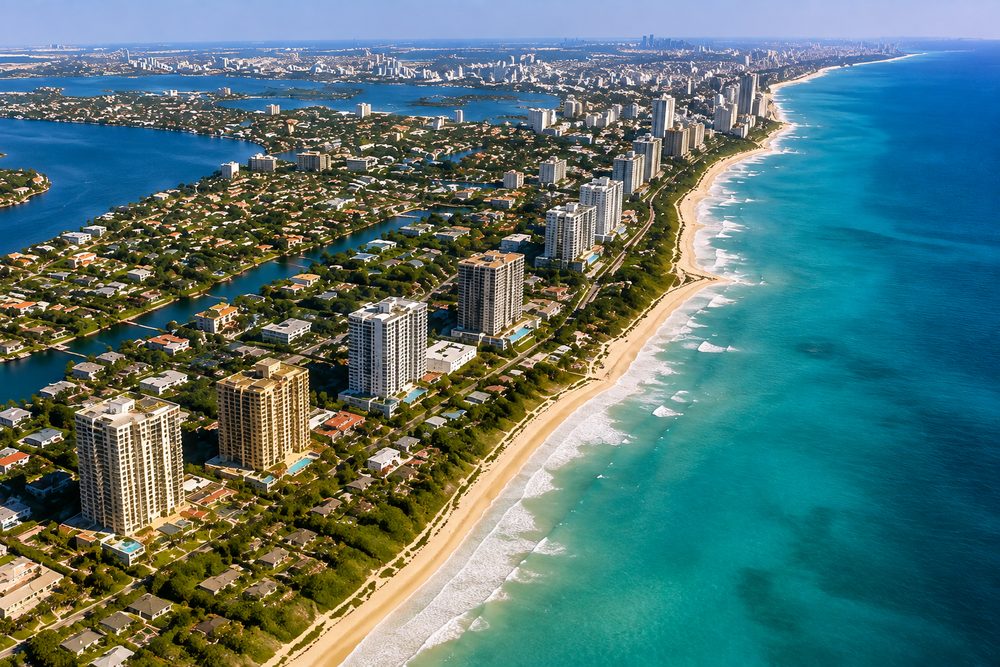
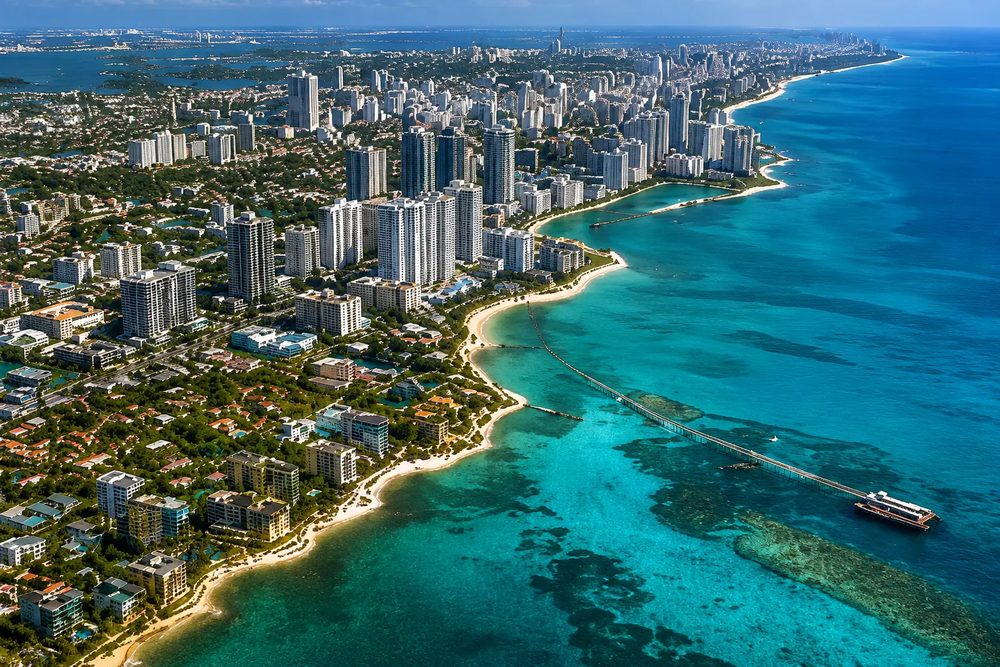
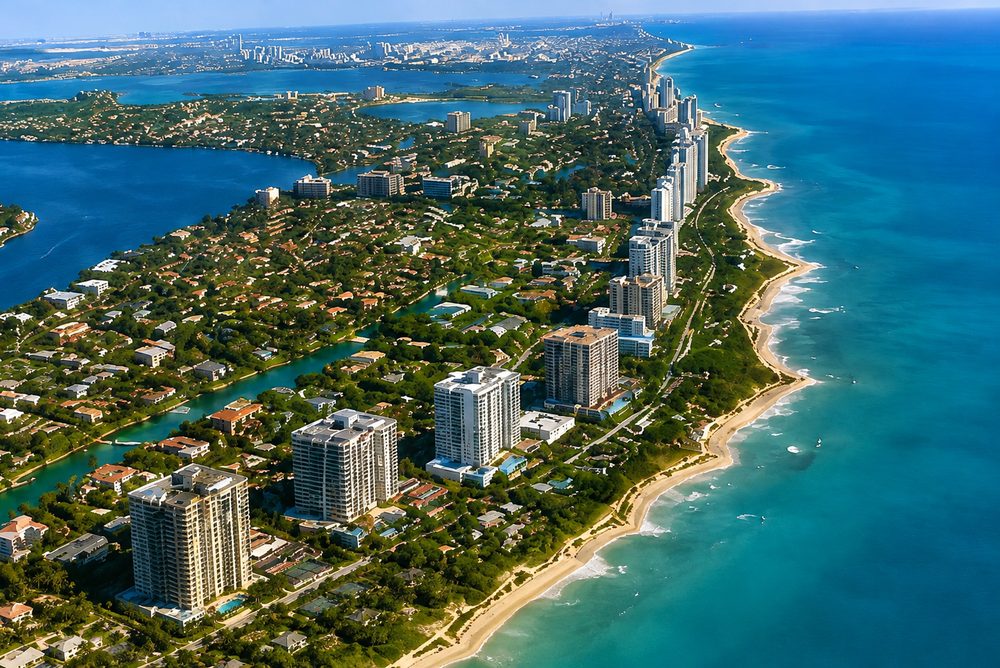
Miami-Dade County: Miami, Miami Beach, Brickell, Coral Gables, Aventura, Sunny Isles Beach, Doral, and surrounding communities.
Broward County: Fort Lauderdale, Hollywood, Pembroke Pines, Weston, Pompano Beach, and surrounding communities.
Palm Beach County: West Palm Beach, Boca Raton, Delray Beach, Palm Beach Gardens, and neighboring communities.
Monroe County: Florida Keys communities and surrounding service areas.
Our hurricane and rainy-season services focus on moisture investigations, mold-related concerns, HVAC contamination assessments, property documentation, and identifying sources of recurring environmental problems.
Protect Your Property Before Hidden Moisture Becomes a Larger Problem
Hurricane and rain season can create conditions that affect the safety, comfort, and condition of residential and commercial properties.
The most effective response begins with understanding where moisture entered, what materials were affected, and which corrective measures are appropriate.
Whether you own a waterfront residence, manage a condominium building, oversee a commercial property, or maintain a seasonal home, paying attention to water intrusion early can make a meaningful difference.
FixMold Miami — Investigating the Source. Addressing the Problem. Helping Protect South Florida Properties.
🌐 www.fixmold.com
Frequently Asked Questions
How soon can mold develop after water damage?
Mold can begin growing on susceptible damp materials within approximately 24–48 hours under favorable conditions, making prompt drying important.
Can mold exist behind a wall without visible stains?
Yes. Concealed moisture may create conditions for mold growth even when the exposed wall surface looks normal.
Does thermal imaging detect mold?
No. Thermal imaging identifies temperature differences that may assist with moisture investigations. It does not independently identify mold.
Can hurricane-related moisture affect HVAC systems?
Yes. Stormwater intrusion, condensation, drainage failures, and elevated humidity may contribute to moisture problems affecting HVAC components and surrounding materials.
Why is locating the source of water intrusion important?
If the moisture source remains unresolved, repaired or cleaned materials may become wet again, allowing damage to recur.
#FixMoldMiami #FixMold #HurricaneSeason #SouthFloridaHurricanes #RainSeason #MiamiMoldRemoval #MoldRemediation #WaterIntrusion #StormDamageRestoration #MoldInspection #MoistureDetection #ThermalImaging #HVACContamination #FiberglassContamination #IndoorAirQuality #MiamiDade #BrowardCounty #PalmBeachCounty #MonroeCounty #FloridaKeys #MiamiCondos #CondoManagement #PropertyManagement #WaterDamagePrevention #SouthFloridaHomes
https://fixmold.com/locations
Jerusha is a contributor at FixMold, specializing in mold remediation, indoor air quality, moisture control, and environmental wellness. She creates informative content focused on mold prevention, and advanced restoration solutions for residential and commercial properties.