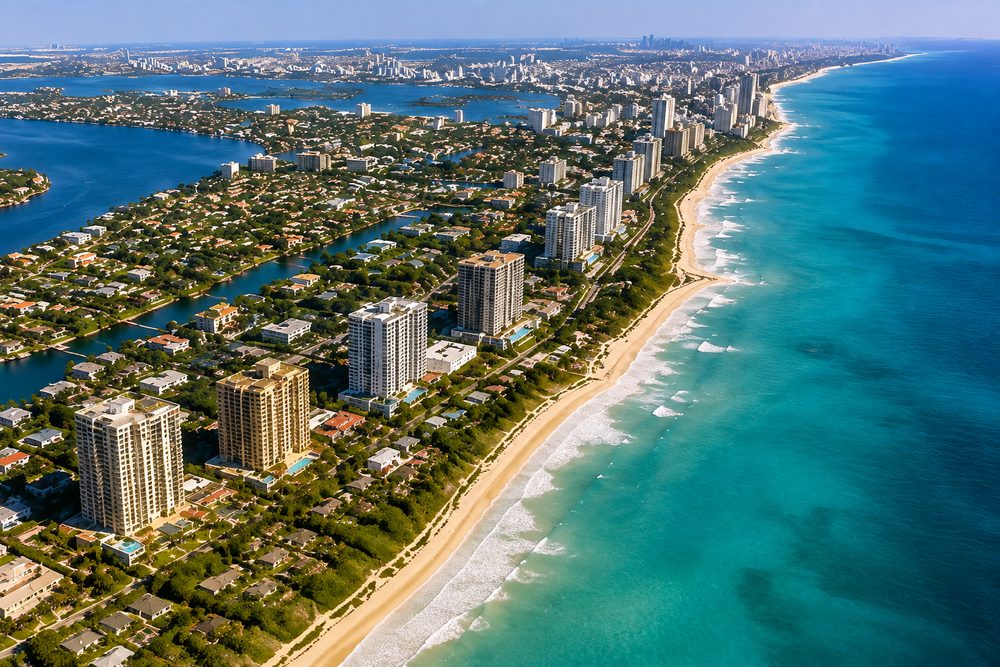
South Florida’s climate creates unique challenges for maintaining healthy indoor environments. High humidity, warm temperatures, powerful rainstorms, air-conditioning systems, and coastal conditions can all contribute to moisture problems inside buildings.
For owners and managers of high-rise condominiums, residential homes, and commercial properties, understanding where moisture originates is one of the most important steps in preventing mold from becoming a larger problem.
High-Rise Condos: Humidity and Condensation
Modern high-rise condos are often tightly sealed and heavily dependent on air conditioning. When warm, humid outdoor air meets cool indoor surfaces, condensation can develop around windows, exterior walls, vents, closets, and other areas.
Persistent condensation may indicate that moisture levels inside the unit are too high. Over time, damp materials can create favorable conditions for mold growth.
High-rise buildings also have complex HVAC, plumbing, and building-envelope systems. A moisture problem may originate several floors away or travel through wall cavities before becoming visible.
Wind-Driven Rain and Water Intrusion
South Florida thunderstorms and tropical weather can push rain against windows, balconies, exterior walls, roof systems, and building joints with tremendous force.
Even small failures in sealants, waterproofing, exterior coatings, or window systems can allow water to enter the structure.
Signs of possible water intrusion include:
- Bubbling or peeling paint
- Ceiling or wall stains
- Damp drywall
- Musty odors
- Discoloration near windows
- Recurring moisture after storms
Water intrusion should be investigated early because moisture can remain trapped behind walls even after the visible surface appears dry.
Roof Leaks, Attics and Poor Ventilation
Residential homes frequently experience mold concerns connected to roof leaks and attic conditions.
A small roof leak may allow moisture into insulation, roof decking, rafters, ceilings, and wall cavities. At the same time, inadequate ventilation can trap warm, humid air inside an attic.
Because these areas are often rarely inspected, a moisture issue can develop for an extended period before homeowners notice staining or odors inside the living space.
Hidden Plumbing Leaks
Not every mold problem begins with dramatic flooding.
Slow plumbing leaks behind walls, beneath sinks, inside bathrooms, around appliances, or beneath flooring can continuously introduce small amounts of moisture.
Bathrooms, kitchens, laundry rooms, and mechanical rooms deserve particular attention because they contain both water sources and materials capable of holding moisture.
HVAC Systems and Indoor Air Quality
Air-conditioning is essential in South Florida, but HVAC systems can also become part of a moisture problem.
Condensation around air handlers, clogged drain lines, damp ductwork, dirty vents, insulation problems, or excessive indoor humidity can create conditions that warrant further inspection.
Because HVAC systems move air throughout a building, property owners often become concerned when they notice musty odors near vents or recurring discoloration around registers.
Commercial Buildings: Leaks Can Become Operational Problems
For commercial properties, moisture damage affects more than building materials.
An overnight plumbing failure, roof leak, HVAC problem, or water intrusion event can interrupt employees, tenants, customers, and normal business operations.
Fast documentation and moisture assessment can help identify affected areas and determine appropriate next steps before conditions spread.
Musty Odors and Hidden Mold
One of the most common reasons property owners request an inspection is a persistent musty smell.
Visible mold is not always present. Growth can occur behind drywall, inside cabinetry, beneath flooring, inside wall cavities, around HVAC systems, or above ceilings.
A professional assessment can help determine whether excess moisture is present and identify locations requiring additional investigation or testing.
Where Mold Commonly Hides
Some of the most frequently overlooked areas include roof and ceiling lines, attics, HVAC vents, bathrooms, kitchens, closets, window and sliding-door assemblies, and wall cavities.
The key is not simply finding visible mold. The underlying moisture source must also be identified.
How FixMold Miami Helps
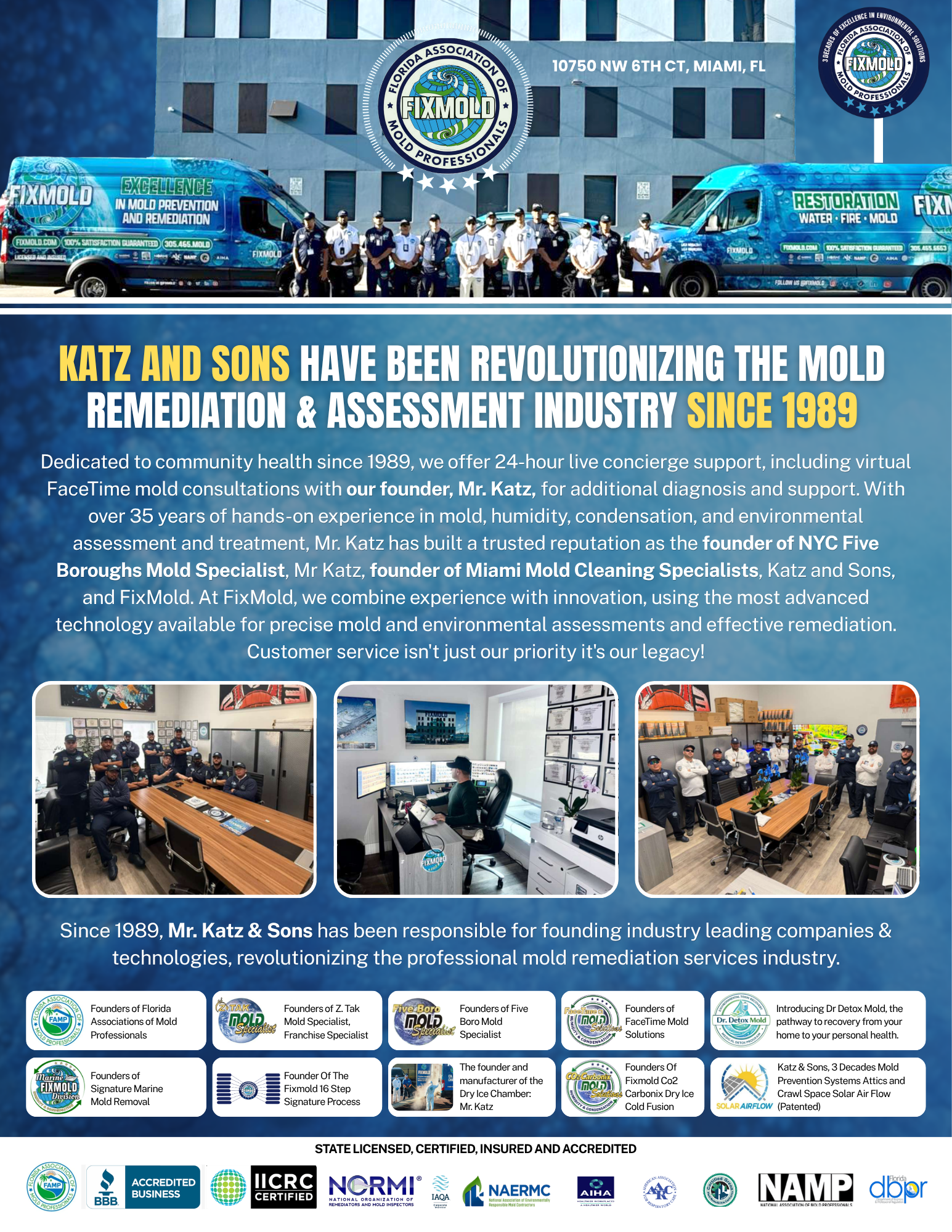
FixMold Miami provides inspection, testing, remediation, and prevention services for high-rise condos, residential properties, and commercial buildings throughout South Florida.
Our goal is to identify moisture conditions, determine where mold-related concerns may be developing, address affected materials appropriately, and help property owners reduce the likelihood of recurring problems.
If you are noticing musty odors, recurring condensation, water stains, recent leaks, storm-related intrusion, or indoor air quality concerns, an early evaluation can help prevent a small issue from becoming a much larger project.
FixMold Miami — helping South Florida properties maintain cleaner, healthier indoor environments.
#FixMoldMiami #MoldInspection #MoldRemediation #MoldTesting #SouthFlorida #MiamiMold #HighRiseMold #CondoMold #CommercialMold #IndoorAirQuality #WaterDamage #WaterIntrusion #HVACMold #Humidity #PropertyManagement #MoldPrevention
Google Business Profile Post — Approx. 1,000 Characters
Mold can develop long before you see it. South Florida properties face unique moisture challenges from high humidity, condensation, wind-driven rain, roof leaks, hidden plumbing problems and HVAC systems. These conditions can affect high-rise condos, houses and commercial buildings alike.
Warning signs may include musty odors, ceiling stains, condensation, damp walls, discoloration around vents or windows, recurring humidity and indoor air quality concerns.
FixMold Miami specializes in professional mold inspections, moisture assessments, testing when appropriate, remediation and prevention. Our team helps identify where moisture is coming from and what areas may be affected so property owners, condo associations and managers can address problems early.
Serving Broward, Miami-Dade, West Palm Beach and Monroe County.
#FixMoldMiami #MoldInspection #MoldRemediation #MoldTesting #MiamiMold #SouthFloridaMold #IndoorAirQuality #WaterIntrusion #HighRiseCondos #CommercialMold #HVACMold #PropertyManagement
https://fixmold.com/locations/mold-remediation-surfside-fl
Jerusha is a contributor at FixMold, specializing in mold remediation, indoor air quality, moisture control, and environmental wellness. She creates informative content focused on mold prevention, and advanced restoration solutions for residential and commercial properties.