Introduction
You notice a musty smell in your bathroom. Your daughter’s cough won’t go away. The corner of your bedroom wall looks slightly discolored. These subtle signs might be your first clue that mold is growing in your South Florida home. South Florida’s warm, consistently humid climate creates ideal conditions for mold proliferation, making mold one of the most common and costly problems homeowners face in Broward County. Unlike issues you can see or easily fix, mold often hides behind walls, under floorboards, and in dark corners where it grows undetected until the problem becomes serious.
That’s where professional Broward mold inspection comes in. A thorough home mold inspection isn’t just about finding the mold you can see. It’s about uncovering hidden growth, identifying what’s causing it, and protecting your family’s health before expensive structural damage occurs. Whether you’re a new homeowner, a property buyer, or simply worried about your indoor air quality, understanding the importance of professional mold inspection could save you thousands of dollars and prevent serious health issues down the road.
What Exactly Is a Home Mold Inspection and Why Does It Matter?
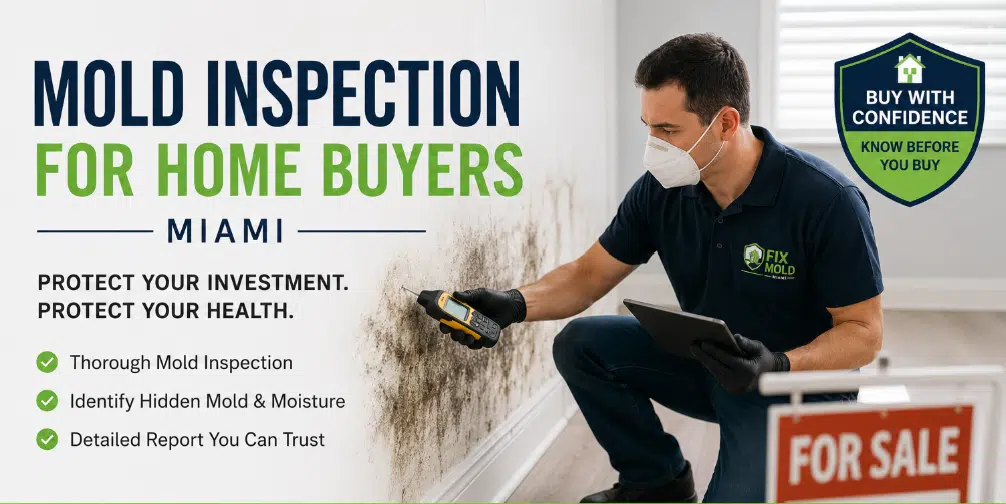
A home mold inspection is a professional evaluation conducted by a certified inspector who systematically examines your property for mold growth and the conditions that allow mold to thrive. The inspector checks visible surfaces and investigates hidden areas where moisture commonly accumulates, using specialized equipment and trained expertise to identify problems that your eyes alone would miss.
Unlike a general home inspection, which touches on mold only if obvious signs appear, a dedicated mold inspection goes deep. A professional mold assessment is important because you want it to be accurate and unbiased. The best way to ensure reliability is to hire an inspection company that has nothing to gain from the results and does not benefit financially from mold removal—meaning the inspector’s job is to find the truth, not convince you to purchase their remediation services.
Why it matters: Mold doesn’t just damage your home’s structure. Mold releases spores into the air, which can lead to a range of health problems—from mild allergies to severe respiratory issues. Early detection prevents these issues from escalating.
6 Common Signs You Need a Broward Mold Inspection Right Now
Knowing when to schedule a professional mold inspection can mean catching a problem before it becomes a crisis. Here are the clearest indicators that your home needs attention:
- Visible Mold Growth Black, green, or white spots on walls, ceilings, or around windows are obvious signs of mold. If you can see mold, you can probably skip the inspection and go straight to remediation. However, visible mold usually indicates a larger hidden problem, so professional assessment is still wise.
- Musty, Earthy Odors A lingering, earthy smell could mean mold is growing out of sight. If you can’t identify where the smell originates, mold is likely behind walls or under floors—exactly where professional equipment can find it.
- Water Damage or History of Leaks Past flooding, roof leaks, or plumbing problems can often leave mold behind. Look out for active leaks, wood rot, and water stains. Even if damage is old, mold may have already colonized the area.
- Respiratory Symptoms Without Clear Cause Sneezing, coughing, headaches, or irritated eyes that improve when you’re away from the home can be linked to mold exposure. If your family’s health improves during vacations but worsens when you return home, mold inspection should be your next step.
- Persistent Humidity and Condensation Condensation on windows or consistently damp areas (like basements, crawl spaces, attics, or bathrooms with no extraction fans) create the perfect environment for mold to thrive.
- You’re Buying or Selling a Home A pre-purchase home mold inspection is one of the smartest investments you can make. Finding mold before you buy gives you leverage to negotiate with the seller to fix the problem, give you a credit to fix the problem, or lower the selling price.
What Happens During a Professional Home Mold Inspection in Broward?
Understanding what to expect during your mold inspection helps you prepare and know what information the inspector will provide. The process is straightforward but thorough.
A typical mold inspection involves the inspector talking to the property owner about any areas where they have seen mold, or where there have been moisture problems or water damage in the past. The inspector will go over the house thoroughly, looking in places known to be prone to mold growth.
The step-by-step process includes:
Initial consultation about your concerns and history of moisture issues
Visual examination of high-risk areas: bathrooms, basements, attics, crawl spaces, HVAC systems, and around windows and doors
Use of specialized equipment like moisture meters, thermal imaging, and humidity sensors to detect hidden moisture
Typical hotspots include HVAC closets and air handlers, laundry rooms, bathrooms, sliding door tracks, and roof penetrations
Air and surface sampling if mold is suspected, with samples sent to an independent lab for analysis
Detailed written report documenting findings, mold types (if identified), affected areas, and moisture sources
Recommendations for remediation and moisture control
The entire inspection typically takes 2-4 hours depending on your home’s size and complexity.
Why Is Broward County Particularly Vulnerable to Mold Problems?
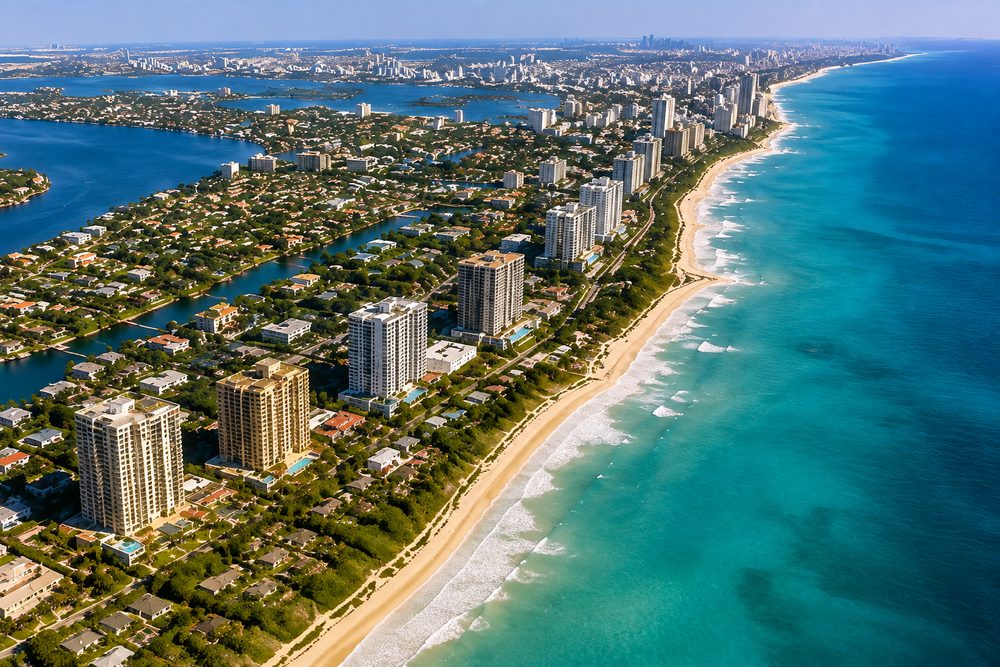
Geography and climate make South Florida unique in ways that directly impact mold risk. Understanding why your area is prone to mold helps explain why professional inspection isn’t optional—it’s essential.
Broward County’s average temperatures in the 70s and 80s (F) provide an ideal breeding ground. With the region’s year-round warmth, mold spores remain highly active and reproduce quickly, making mold control a continuous challenge.
Beyond temperature, the region faces specific moisture challenges:
– Coastal humidity and ocean moisture penetrate homes, especially in barrier island condos and waterfront properties
– Hurricane season and tropical storms introduce flooding and water intrusion that, if not dried within 24-48 hours, almost guarantees mold growth
– Rising water tables and frequent rain keep the ground saturated, affecting basements and crawl spaces
Salt-air environment accelerates deterioration of building materials, creating cracks where moisture enters
-Aging infrastructure in older homes and buildings compounds the problem with aging pipes, compromised roofing, and worn seals around windows and doors
-Coastal humidity, the Intracoastal and canal network, afternoon thunderstorms, and tropical systems create prime conditions for hidden moisture in Broward County.
How Mold Exposure Affects Your Family’s Health
Mold isn’t just a property problem—it’s a health issue that affects your family’s wellbeing, sometimes in ways you don’t immediately recognize.
For people sensitive to molds, symptoms such as nasal and sinus irritation or congestion, dry hacking cough, wheezing, skin rashes or burning, watery or reddened eyes may occur. People with severe allergies to molds may have more serious reactions, such as hay-fever-like symptoms or shortness of breath.
The most vulnerable populations include:
Children, especially those with developing respiratory systems
Elderly residents with weakened immune systems
Anyone with asthma or chronic respiratory conditions
People with allergies or compromised immune function
Research published in the International Journal of Hygiene and Environmental Health shows that children exposed to household mold face elevated asthma risks, with 11% developing the condition compared to 7% of unexposed children.
Beyond respiratory issues, headaches, memory problems, mood swings, nosebleeds, and body aches and pains are sometimes reported in mold complaints. The good news: usually, symptoms disappear after the mold is removed.
How Often Should You Get a Mold Inspection in South Florida?
Frequency depends on your home’s risk level, age, and location. A general recommendation is to have a mold inspection every 1-2 years, especially in high-risk areas like Southwest Florida. Broward County, with its coastal location and hurricane vulnerability, falls into the high-risk category.
Get inspections at these intervals:
Every 1-2 years if your home is older than 20 years or has a history of water issues
Annually if you live in a flood-prone area or have experienced recent storm damage
After any water damage event (leaks, flooding, burst pipes) within 24-48 hours, before mold has a chance to establish
Before buying a property to catch issues the seller hasn’t disclosed
After mold remediation to verify the problem was completely resolved
Even if your home appears mold-free, routine inspections catch hidden growth before it becomes expensive.
Choosing the Right Mold Inspector in Broward County
Not all mold inspectors are created equal. Your choice directly impacts the accuracy of findings and the quality of your remediation plan.
Look for these qualifications:
Certification from recognized organizations like the International Association of Certified Indoor Air Consultants (IAC)
Independence from mold remediation companies—they should only inspect, not perform removal
Licensed according to Florida Department of Business and Professional Regulation standards
Insured with liability and errors & omissions coverage
Experience with Broward County homes and South Florida climate challenges
Clear reporting with detailed documentation, photos, and lab analysis results
Ask potential inspectors these questions: How many years have you been inspecting? What certification do you hold? Are you independent from remediation companies? Can you provide references from recent Broward County clients?
Conclusion: Take Action Before Mold Takes Over
Your Broward home is one of your most valuable assets. Mold threatens that investment silently and quickly, but professional home mold inspection puts you in control.
South Florida’s climate makes mold inevitable—but hidden mold damage is preventable. Whether you’ve noticed warning signs, you’re purchasing a new property, or you simply want peace of mind, a professional Broward mold inspection reveals what you can’t see and protects what matters most: your home and your family’s health.
Don’t wait for problems to escalate. Schedule a professional mold inspection today with a certified, independent inspector who serves Broward County. The cost of inspection is minimal compared to the thousands you’ll spend on remediation if you ignore the problem. Your future self will thank you.
Ready to protect your home? Contact a certified Broward mold inspector this week for a thorough evaluation. Your family’s health is worth it.
Milly is a content contributor at FixMold with a focus on mold inspection, remediation strategies, air quality improvement, and property protection. She shares practical insights and educational resources to help homeowners and businesses maintain safer, cleaner indoor environments.