You walk through every room. Nothing looks off. No black spots on the walls. No obvious water stains on the ceiling. The house seems fine.
But your family keeps getting sick. Headaches. Congestion. Itchy eyes that clear up the moment you step outside. And there’s a smell you can’t quite place — faint, earthy, almost like old books — that no amount of cleaning seems to fix.
Most Miami Gardens homeowners only call for mold remediation after they can already see or smell the problem. By then, it’s usually spread well beyond what’s visible.
A certified mold remediation professional walks in and, within the first hour, finds active mold growth behind your bathroom wall, elevated spore counts in your master bedroom, and a slow moisture leak under the kitchen floor you had no idea existed.
This is not unusual. In Miami Gardens, it’s actually pretty common.
South Florida’s heat and humidity create near-perfect mold conditions year-round. And because mold spreads inside walls, under floors, and through HVAC systems, most of what’s growing in your home is completely invisible to you. That’s exactly why Miami Gardens mold remediation done by a certified professional looks nothing like what most homeowners expect.
What certified professionals look for goes well beyond a visual check. Hidden moisture pockets, airborne spore levels, contaminated HVAC systems, and compromised building materials — none of that shows up on the surface. Knowing what pros look for helps you act faster, smarter, and before the damage becomes serious.
Here’s what they’re actually looking for — and why you can’t see it yourself.
Why Miami Gardens Homes Are So Vulnerable to Hidden Mold
Miami-Dade County sits above 75% relative humidity for most of the year. That’s not just uncomfortable. For mold spores, it’s an open invitation.
Mold only needs two things: moisture and an organic surface to feed on. In Miami Gardens, moisture is constant. After a summer storm, indoor humidity spikes fast, especially if your AC system isn’t working efficiently. Homes built between the 1960s and 1990s, which make up a large share of Miami Gardens housing stock, often have older HVAC systems, minimal vapor barriers, and building materials that absorb and hold moisture readily.
That combination means mould can colonise a wall cavity within 24 to 48 hours after any water intrusion. And once it starts, it doesn’t stop on its own.
What Do Mold Remediation Professionals Actually Look For?
Certified mold remediation professionals don’t just look for visible mold. They look for the conditions that allow mold to survive and spread. That includes hidden moisture levels inside walls and floors, airborne spore concentrations in different rooms, contaminated HVAC components, and structural damage to building materials. Most of this requires specialized equipment that homeowners don’t have access to.
Here’s a breakdown of their process.
Moisture Mapping With Professional Meters
The first thing a pro does is pull out a moisture meter, and they use it everywhere: baseboards, drywall seams, around window frames, under bathroom tiles, next to appliances. A moisture reading above 17% in drywall or wood signals active moisture retention, which means mold is either already growing or very close to starting.
This step alone finds problems that are completely invisible on the surface. A wall can look and feel dry while holding enough moisture three inches in to sustain mold growth for months.
Thermal Imaging Cameras
Thermal cameras detect temperature differences across surfaces. Wet materials hold temperature differently than dry ones, so a thermal scan of your walls shows exactly where moisture is pooling even if there’s no visible sign of it.
In Miami Gardens homes, this tool commonly reveals moisture behind exterior walls where condensation builds up between the warm outside and the air-conditioned interior. It also picks up slow leaks under flooring that have never broken the surface.
Air Quality Sampling
This is the step most homeowners don’t expect. A certified inspector collects air samples from multiple locations inside your home, plus a baseline sample from outside. Those samples go to a third-party laboratory where they’re analyzed for mold spore types and concentrations.
This matters for two reasons. First, it tells you whether your indoor air quality is already compromised even if you can’t see mold anywhere. Second, it identifies the specific species present. Cladosporium is common and less concerning. Stachybotrys, often called black mold, produces mycotoxins and requires a much more aggressive remediation protocol. You can’t distinguish the two by looking at them.
A proper mold inspection in Miami always includes air sampling. A visual check alone is not enough.
HVAC System Inspection
Most homeowners never think to check their air conditioning system for mold. Professionals always do. The AC coil gets cold and wet every time it runs. If the drain line is even slightly clogged, water pools in the air handler pan and mold colonizes within days. Every time the system runs after that, it distributes spores through every vent in the house.
This is one of the most common findings during Miami Gardens mold inspections. It also explains why people experience allergy symptoms in every room, not just in one area. The air system is the delivery mechanism.
Structural Material Assessment
Once moisture and spore data are collected, a professional assesses which building materials are salvageable and which need to go. Drywall that has been wet for more than 48 to 72 hours is typically unsalvageable because mold penetrates the paper backing and gypsum core. The same applies to insulation, certain types of subflooring, and wood framing that has been chronically exposed to moisture.
This assessment determines the actual scope of remediation. It’s also why professional Miami Gardens mold removal costs more than a surface clean: it involves removing and replacing contaminated materials, not just treating what’s visible.
The Six Places Professionals Always Check First
Based on what professionals consistently find in South Florida homes, these are the six locations that get the most attention:
- Behind exterior drywall where condensation forms between warm outside air and cooled interior surfaces
- Inside the HVAC air handler and ductwork where moisture accumulates on coils and drain pans
- Under kitchen and bathroom flooring where slow appliance leaks go undetected for months
- In attic spaces where poor ventilation traps humidity against wood sheathing and rafters
- Inside bathroom wall cavities behind tile and around tub surrounds where grout failures allow water intrusion
- Below kitchen sinks and around dishwashers where small drips create chronic wet conditions
Most homeowners, when they do a self-check, look at visible surfaces in these areas. Professionals look inside them.
Warning Signs You Shouldn’t Wait On
You don’t need a professional to tell you something might be wrong. These are the signals that should prompt you to pick up the phone:
- A musty or earthy smell that doesn’t go away after cleaning. Mold produces microbial volatile organic compounds (mVOCs) that create a distinct odor. If you can smell it, it’s actively growing somewhere.
- Health symptoms that improve when you leave the house: sneezing, congestion, itchy eyes, or worsening asthma. Mold exposure often mimics seasonal allergies.
- Paint bubbling, peeling, or staining that keeps returning after you clean or repaint.
- Soft spots or warping in floors or walls, especially near bathrooms, kitchens, or exterior walls.
- Indoor humidity consistently above 60% on a hygrometer. This is the threshold where mold growth accelerates significantly.
Any one of these is a reason to investigate. Two or more together is a reason to call a professional immediately.
Why DIY Testing Falls Short in Miami Gardens
Hardware store mold test kits can confirm that mold spores are present in a general area. That’s about all they do.
They won’t identify the species, measure airborne concentration, locate the moisture source, or tell you how far the growth has spread. A positive DIY test result still requires a professional to find and eliminate the source. A negative result can create dangerous false reassurance while mold quietly expands inside wall cavities.
In Miami Gardens specifically, where older construction, hurricane-related water intrusion events, and persistent humidity compound the risk, surface-level testing is not a reliable substitute for a certified inspection.
What the Remediation Process Actually Looks LikeOnce a professional assessment is complete, remediation follows a strict protocol. It’s not just cleaning. It involves:
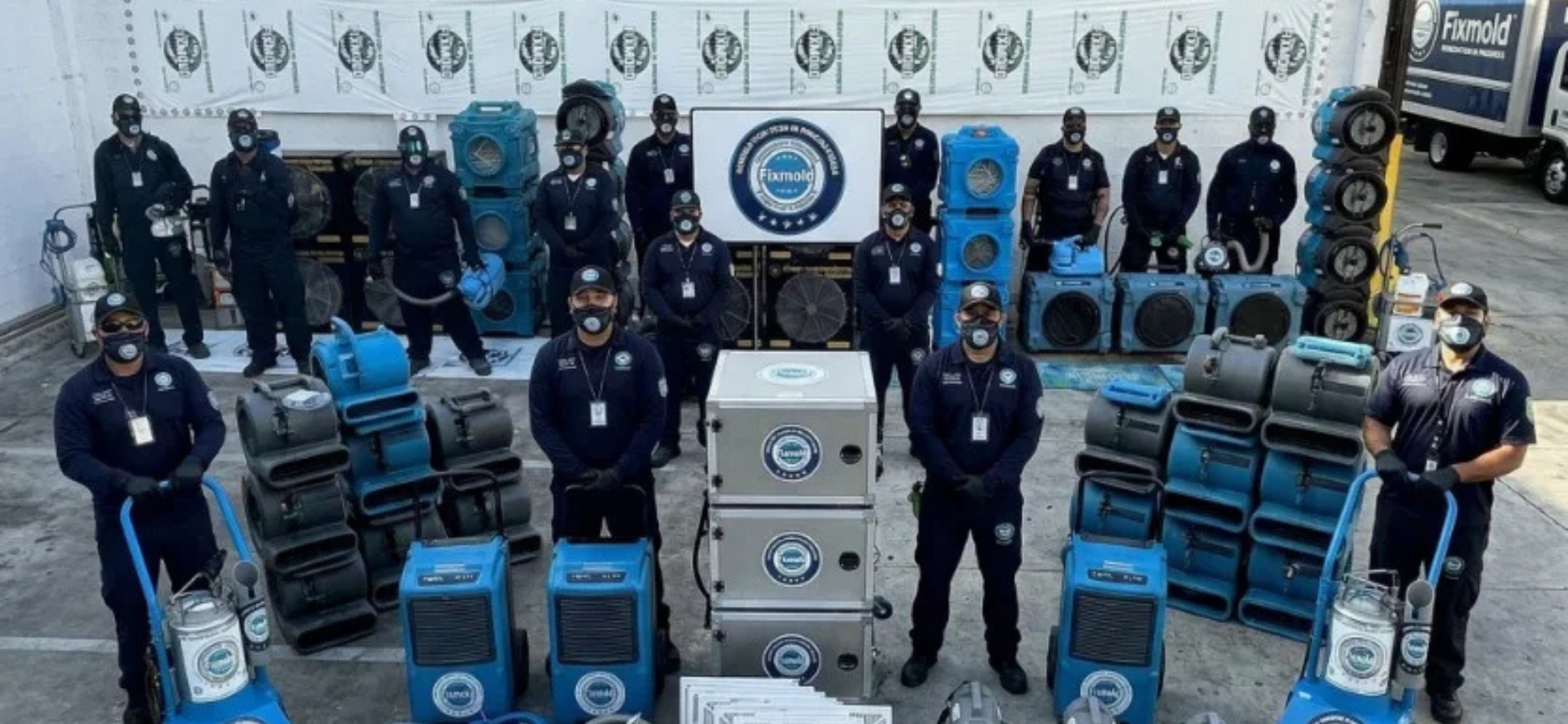
- Containment of the affected area using plastic sheeting and negative air pressure to prevent spores from spreading to unaffected rooms
- Removal of contaminated materials including drywall, insulation, and flooring that can’t be effectively treated
- HEPA vacuuming and antimicrobial treatment of all affected surfaces
- Drying and dehumidification to bring moisture levels back to safe ranges
- Post-remediation air testing by a third-party inspector to verify that spore counts have returned to acceptable levels before any reconstruction begins
That last step is important. Reputable remediation companies don’t self-certify their own work. An independent clearance test confirms the job is actually done.
Conclusion: What You Can’t See Is What Costs You the Most
Visible mold is the easy part. By the time you can see it, professionals are already thinking about what’s behind it.
In Miami Gardens, where the climate works against homeowners every single day, the gap between what you can see and what’s actually growing in your home can be significant. The mold you spot on a bathroom ceiling is almost never the whole story.
The homeowners who get ahead of this problem aren’t lucky. They schedule professional inspections before symptoms become severe, they take early warning signs seriously, and they work with certified teams who use the right tools instead of guessing.
If anything in this article sounds familiar, don’t wait. Contact FixMold to schedule a professional mold inspection in Miami Gardens. Their certified team uses thermal imaging, moisture mapping, and third-party lab testing to find what you can’t see — and give you a clear, honest plan to deal with it.
Frequently Asked Questions
What does Miami Gardens mold remediation involve?
Miami Gardens mold remediation is a multi-step process that includes professionally containing the affected area, removing contaminated building materials, treating all surfaces with antimicrobial agents, drying the space to safe moisture levels, and conducting a third-party clearance test to confirm the mold has been fully eliminated. It follows protocols established by the IICRC (Institute of Inspection, Cleaning, and Restoration Certification) and goes well beyond surface-level mold cleaning.
How do professionals find mold that isn’t visible?
Certified professionals use moisture meters to detect elevated moisture inside walls and flooring, thermal imaging cameras to identify hidden wet areas through temperature differences, and air quality sampling to measure airborne spore concentrations. These tools allow them to locate active mold growth and identify its source without opening up walls unnecessarily.
How do I know if I need mold remediation or just mold cleaning?
If the affected area is larger than 10 square feet, if mold is growing inside walls or under flooring, or if air quality testing shows elevated spore counts, professional remediation is needed rather than surface cleaning. Household cleaning products treat only what’s visible and don’t address contaminated building materials or the moisture source driving the growth.
How long does mold take to grow after a water leak in Miami?
In Miami’s climate, mold can begin colonizing on wet surfaces within 24 to 48 hours of a water intrusion event. The combination of warm temperatures and high ambient humidity accelerates growth significantly compared to drier climates. This is why any leak, flooding, or moisture intrusion needs to be addressed and dried out immediately, not monitored to see if it becomes a problem.
Is mold remediation in Miami Gardens covered by homeowner’s insurance?
Coverage depends on the cause of the moisture. Sudden and accidental water damage from a burst pipe or appliance failure is often covered, including resulting mold remediation costs. Mold caused by long-term neglect, gradual leaks, or chronic high humidity is typically excluded. Document any water damage event with photos immediately and contact your insurer quickly. A professional inspector’s written report documenting the source and scope can strengthen your claim significantly.
#FixMold #MiamiGardensMoldRemediation #MoldRemediationMiami #MoldInspectionMiami #HiddenMold #MoldRemovalMiamiGardens #SouthFloridaHomes #MoldPrevention #MiamiHmeowners #MoldDetection #ProfessionalMoldRemoval #FloridaMold https://fixmold.com/locations/mold-remediation-miami-gardens-fl/
Milly is a content contributor at FixMold with a focus on mold inspection, remediation strategies, air quality improvement, and property protection. She shares practical insights and educational resources to help homeowners and businesses maintain safer, cleaner indoor environments.