Black mold in Miami is more than just an aesthetic problem—it’s a serious threat to your home’s structural integrity and your family’s health. With Miami’s hot, humid climate creating the perfect breeding ground for mold growth, many homeowners find themselves battling this invasive fungus every year.
Whether you’re dealing with black mold in Miami right now or want to prevent future infestations, this comprehensive guide covers everything you need to know about detection, health risks, removal options, and professional solutions that work.
Table of Contents:
- What is Black Mold?
- Why Miami Has a Black Mold Problem
- 7 Signs of Black Mold in Your Miami Home
- Health Risks of Black Mold Exposure
- DIY vs Professional Removal
- The Professional Black Mold Removal Process
- Black Mold Prevention Tips
- When to Call FixMold Experts
What is Black Mold? Understanding the Threat
Black mold, scientifically known as Stachybotrys chartarum, is a toxic fungus that thrives in damp, warm environments. Unlike common household molds that are typically harmless, black mold in Miami poses significant health risks to anyone exposed to its spores.
This mold appears as dark greenish-black patches and often produces a distinctive musty odor. It grows on surfaces with high cellulose content—including wood, drywall, insulation, and fabric—making homes particularly vulnerable.
Key characteristics of black mold:
- Grows in water-damaged areas
- Produces mycotoxins (toxic substances)
- Requires consistent moisture to thrive
- Spreads rapidly in humid conditions
- Can cause serious health complications
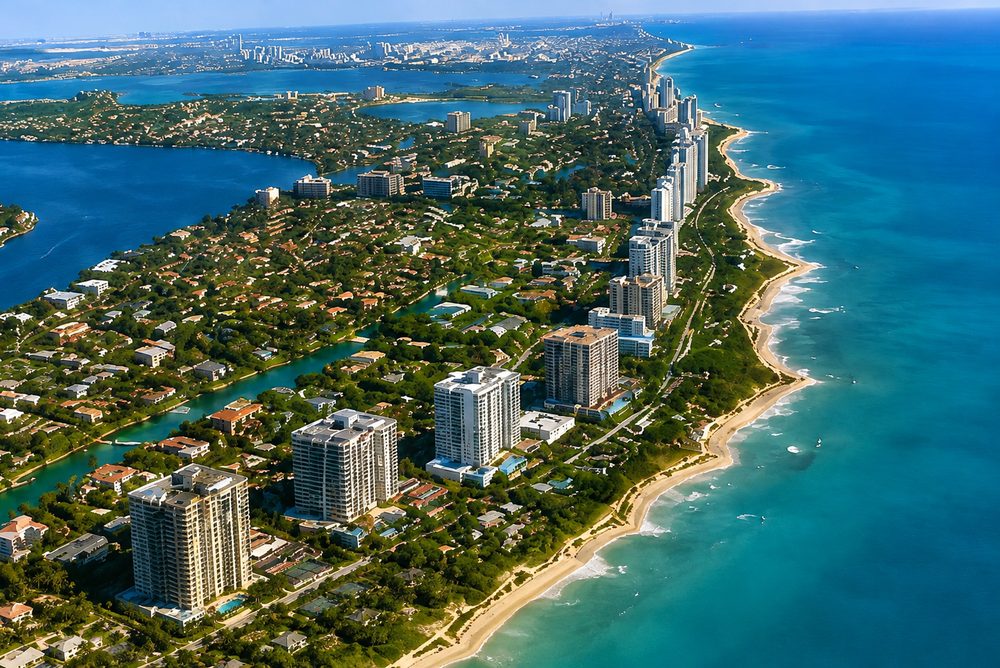
Miami’s subtropical climate—with temperatures between 75-90°F and humidity levels often exceeding 70%—creates ideal conditions for black mold in Miami to flourish year-round.
Why Miami Has a Black Mold Problem
If you live in Miami, Kendall, Coral Gables, or anywhere in South Florida, you’re living in one of America’s mold capitals. Here’s why:
Humidity & Climate
Miami experiences humidity levels that hover between 70-90% throughout most of the year. This moisture-rich environment is exactly what black mold needs to survive and spread. Even well-maintained homes struggle against black mold in Miami because of these environmental factors.
Hurricane & Flood Damage
The Atlantic hurricane season (June-November) brings torrential rainfall and flooding. Water intrusion from hurricanes, tropical storms, and heavy rains can lead to water damage that remains hidden in walls, attics, and basements—perfect conditions for mold growth.
Air Conditioning Condensation
Running air conditioning 24/7 creates condensation in ductwork, drains, and around units. If not properly maintained, these areas become mold breeding grounds. This is especially true in properties throughout Coral Gables mold remediation and Miami Beach mold services areas.
Aging Infrastructure
Many Miami homes are older with outdated plumbing, poor ventilation, and deteriorating roofs. These vulnerabilities allow moisture to penetrate deeper into walls, creating hidden black mold in Miami colonies that go undetected for months.
7 Clear Signs of Black Mold in Your Miami Home
Early detection is crucial. Here are the warning signs that black mold in Miami may be present:
Sign #1: Visible Dark Patches
The most obvious indicator is seeing dark greenish-black patches on surfaces. Look in:
- Bathroom corners and around shower tiles
- Under sinks and around pipes
- Air conditioning units and vents
- Crawl spaces and attics
Sign #2: Strong Musty Odor
That distinctive “earthy, musty” smell is often the first sign of black mold in Miami. If you notice this smell in your home, even if you can’t see mold, have a professional inspection immediately.
Sign #3: Water Staining
Brown or black stains on walls, ceilings, or around windows indicate previous or ongoing water intrusion—the root cause of mold growth.
Sign #4: Allergic Reactions
Unexplained allergies, sneezing, coughing, or itchy eyes—especially inside your home—could indicate mold exposure.
Sign #5: Respiratory Issues
Wheezing, difficulty breathing, or chest tightness that worsens indoors may suggest black mold in Miami exposure.
Sign #6: Discoloration Around HVAC
Check your air conditioning vents and ductwork. Dark growth around these areas is common.
Sign #7: Visible Moisture or Condensation
Excessive moisture buildup on windows, walls, or in corners indicates humidity problems that will lead to black mold in Miami growth.
Health Risks of Black Mold Exposure
Unlike common household molds, black mold in Miami produces mycotoxins—poisonous substances that can cause serious health problems.
Respiratory Issues
- Persistent cough
- Wheezing and shortness of breath
- Asthma attacks
- Bronchitis
- Pneumonia (in severe cases)
Allergic Reactions
- Sneezing and congestion
- Itchy, watery eyes
- Skin rashes
- Hives
Neurological Symptoms
- Headaches
- Memory problems
- Difficulty concentrating
- Brain fog
- Tremors (rare but severe cases)
Immune System Suppression
Prolonged exposure to black mold in Miami can weaken your immune system, making you more susceptible to:
- Frequent infections
- Chronic fatigue
- Long-lasting colds and flu
Vulnerable Populations
Children, aged individuals, and people with compromised immune systems face the greatest risk from black mold in Miami.
Important: If you suspect black mold in your home and experience these symptoms, consult a healthcare provider and contact a professional remediation company immediately.
DIY vs Professional Black Mold Removal: What You Need to Know
Why DIY Removal Fails
Many homeowners attempt to handle black mold in Miami themselves using bleach, vinegar, or commercial cleaners. Here’s why this approach is dangerous and ineffective:
1. Incomplete Removal
Surface cleaning doesn’t eliminate mold roots that have penetrated walls, insulation, and wood. Black mold in Miami can regrow within weeks after DIY treatment.
2. Health Hazards
Disturbing mold without proper containment releases spores into the air, spreading mycotoxins throughout your home—making the problem worse.
3. No Root Cause Treatment
DIY solutions don’t address underlying moisture issues. Until water intrusion is fixed, black mold in Miami will return.
4. Structural Damage Goes Undetected
Professional inspections reveal hidden mold behind walls and under floors. DIY approaches miss these critical areas.
Why Professional Removal is Essential
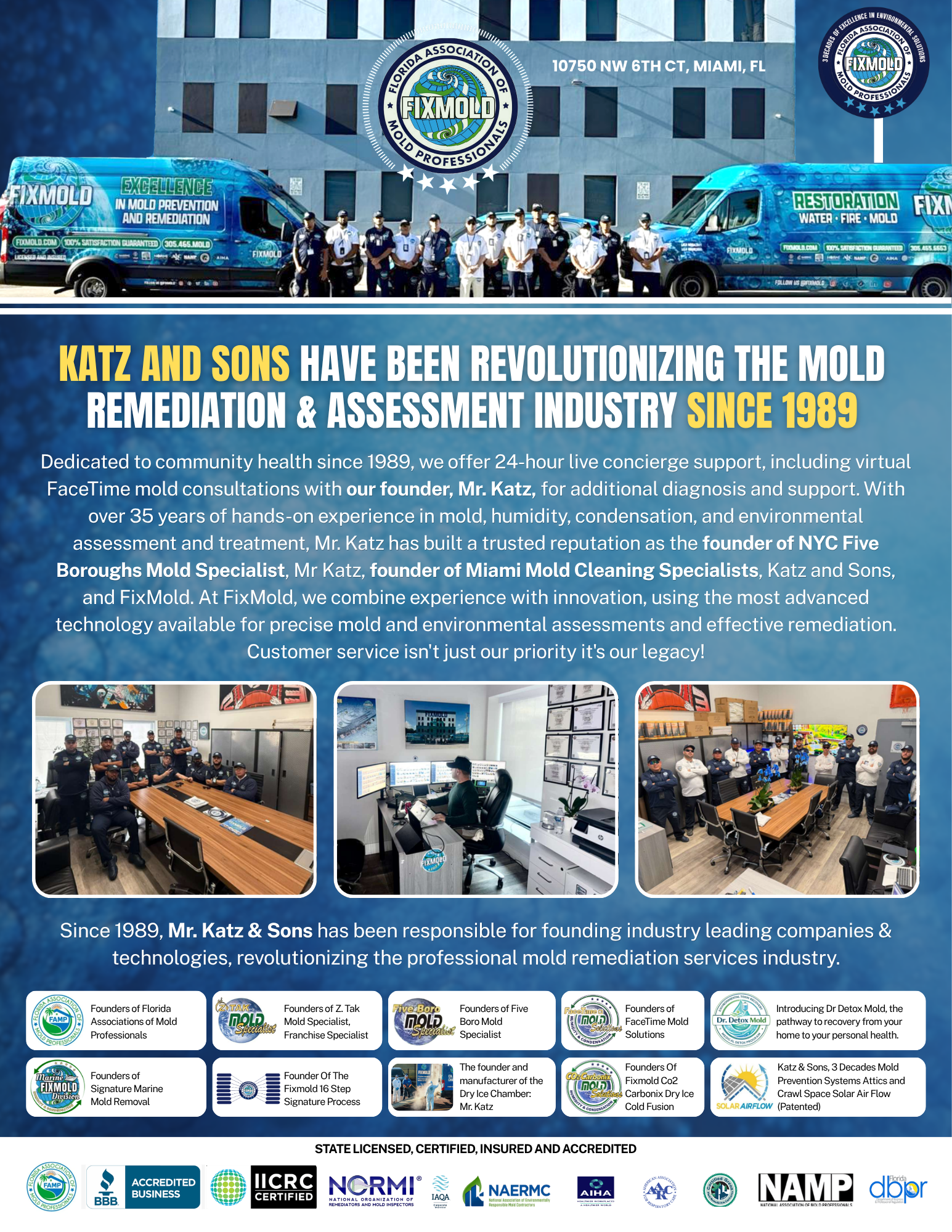
Professional mold remediation companies like Fix Mold handle black mold in Miami safely and effectively:
✅ Certified Technicians: Licensed professionals understand mold biology and safe removal protocols
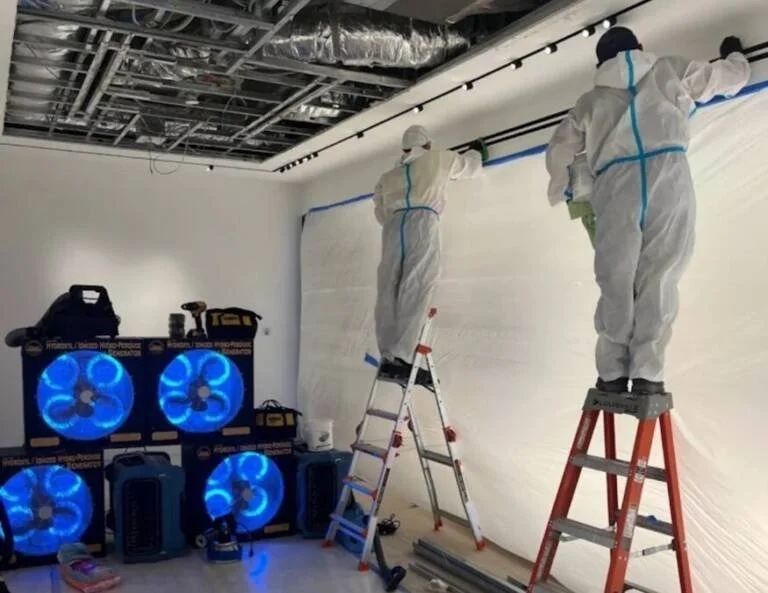
✅ Proper Containment: Negative pressure systems and barriers prevent spore spread
✅ Advanced Equipment: HEPA filters, infrared cameras, and moisture meters detect hidden mold
✅ Root Cause Elimination: Professionals identify and fix water intrusion sources
✅ Guaranteed Results: Professional work includes warranties and follow-up inspections
✅ Insurance Documentation: Professional removal is properly documented for insurance claims
The Professional Black Mold Removal Process
When you hire professionals to handle Black Mold Removal Process, here’s what the process looks like:
Phase 1: Inspection & Assessment
- Visual inspection of affected areas
- Moisture mapping with thermal imaging
- Mold testing to confirm Stachybotrys species
- Water source identification
- Written remediation plan with cost estimate
Phase 2: Containment
- Seal off affected areas with plastic sheeting
- Install negative air machines
- Create containment barriers to prevent spore migration
- Set up HEPA filtration systems
Phase 3: Removal & Cleanup
- Remove contaminated materials (drywall, insulation, subflooring)
- Clean all surfaces with specialized antimicrobial agents
- Apply mold-inhibiting coatings
- Dispose of contaminated materials following EPA guidelines
Phase 4: Moisture Control & Prevention
- Repair plumbing leaks
- Improve ventilation and dehumidification
- Install or repair sump pumps
- Seal cracks and gaps
- Address gutter and downspout issues
Phase 5: Restoration
- Replace removed drywall
- Reinstall flooring
- Repaint with mold-resistant paint
- Restore HVAC systems
Phase 6: Post-Remediation Verification
- Air quality testing
- Final moisture inspection
- Visual verification of cleanup
- Certificate of remediation provided
Black Mold Prevention Tips
Prevention is the best defense against black mold in Miami:
Control Moisture
- Keep indoor humidity below 50-60%
- Use dehumidifiers in damp areas
- Ensure proper bathroom and kitchen ventilation
- Fix leaks immediately
Improve Air Circulation
- Install ceiling fans
- Open windows when weather permits
- Clean HVAC filters monthly
- Have ductwork professionally cleaned annually
Maintain Your Home
- Inspect roof regularly for leaks
- Clean gutters and downspouts quarterly
- Seal foundation cracks
- Check for water intrusion after heavy rains
Regular Inspections
- Professional mold inspections every 1-2 years
- Annual HVAC maintenance
- Regular plumbing checks
- Post-hurricane damage assessments
Proper Ventilation
- Run bathroom fans during and 20 minutes after showers
- Vent clothes dryers outside
- Use range hoods while cooking
- Ensure attic vents are clear
Cost of Professional Black Mold Removal
The cost of removing black mold in Miami varies based on:
Size of Affected Area:
- Small (under 10 sq ft): $500-$1,500
- Medium (10-30 sq ft): $1,500-$5,000
- Large (over 30 sq ft): $5,000-$15,000+
Severity of Contamination:
- Surface mold: $800-$2,000
- Drywall replacement needed: $2,000-$6,000
- Structural wood damage: $5,000-$15,000+
Water Damage Involved:
- Simple moisture: Add $500-$1,000
- Plumbing repair: Add $1,000-$3,000
- Foundation issues: Add $3,000-$10,000+
Why Cheap Removal is Risky
Ultra-low quotes often mean:
- Incomplete removal
- No containment precautions
- Unlicensed contractors
- No warranty or follow-up
- Higher chance of regrowth
Pro Tip: Get multiple quotes from certified companies. The cheapest isn’t always the best value.
Common Questions About Black Mold in Miami
Q: Can I use bleach to kill black mold?
A: Bleach can remove surface black mold in Miami, but it won’t eliminate roots in porous materials. Professional remediation is necessary for complete removal.
Q: How long does black mold removal take?
A: Most black mold in Miami projects take 5-10 days, depending on size and severity.
Q: Will my insurance cover mold removal?
A: Some homeowners policies cover mold if it results from sudden water damage (like burst pipes). Mold from maintenance issues typically isn’t covered. Check your policy.
Q: Can black mold return after professional removal?
A: If moisture sources are properly fixed, mold shouldn’t return. However, new mold can grow if humidity isn’t controlled.
Q: Is it safe to stay in my home during removal?
A: No. Professional black mold in Miami removal requires temporary relocation. Contractors will advise on timeline.
When to Call the Experts
If you suspect black mold in Miami in your home, don’t wait. Contact Fix Mold Miami—South Florida’s trusted mold remediation experts—for:
✅ Free professional inspections
✅ Certified mold testing
✅ Same-day response to emergencies
✅ Licensed, insured technicians
✅ Complete removal & prevention
✅ Documented reports for insurance
📞 CALL FIXMOLD TODAY: (786) 882-1823
Get Your Professional Inspection + Mold Testing
Jerusha is a contributor at FixMold, specializing in mold remediation, indoor air quality, moisture control, and environmental wellness. She creates informative content focused on mold prevention, and advanced restoration solutions for residential and commercial properties.