Like what we publish? Pin Fixmold Miami as a preferred source on Google.
White mold on wood can be a common problem for homeowners, causing structural damage and potential health risks. It’s important to understand the causes of white mold and effective solutions for dealing with it before it becomes a more significant issue.
In this article, we’ll discuss the various causes of white mold on wood and provide practical tips and strategies for prevention. We’ll also cover effective methods for removing white mold from wood surfaces and highlight the importance of seeking professional assistance for extensive infestations.
Key Takeaways:
White mold on wood can cause structural damage and health risks.
Understanding the causes of white mold and prevention strategies is crucial for addressing the issue.
Effective methods for removing white mold from wood surfaces include using vinegar, hydrogen peroxide, and commercial mold cleaners.
For extensive infestations, it’s important to seek professional mold remediation services.
Regular inspection and maintenance of wood surfaces can help prevent the growth of white mold.
Identifying White Mold on Wood
White mold on wood can often be mistaken for efflorescence or other types of mold, making it challenging to identify. However, there are some key characteristics and signs to look out for when identifying white mold on wood.
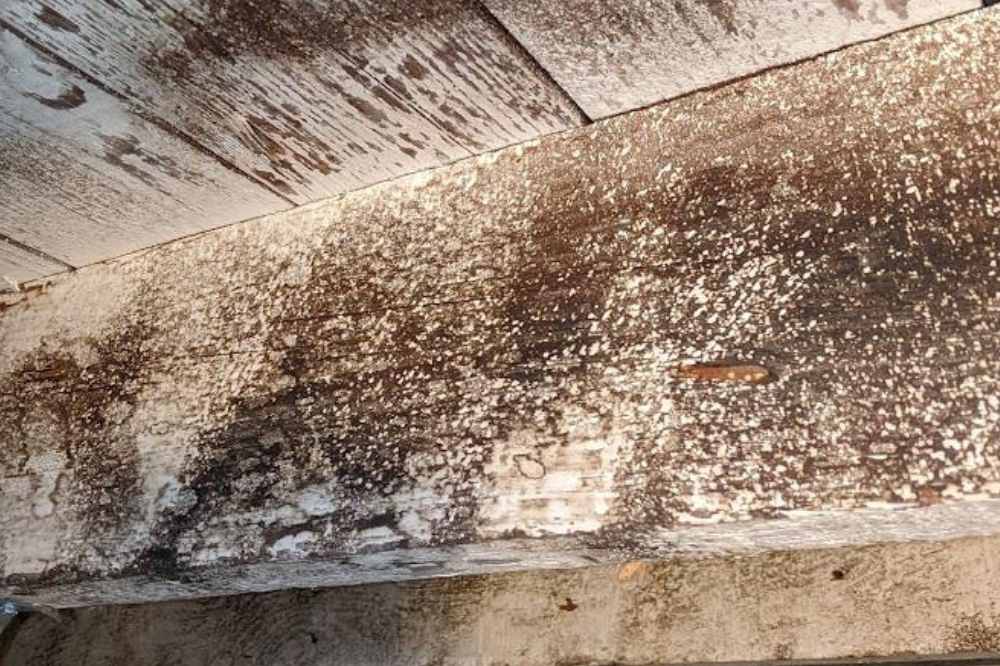
The first and most obvious sign of white mold is its appearance; it has a cottony or fluffy texture and is typically white or light gray in color. It often grows in circular or irregular patterns and can cover large areas of wood surfaces.
Another way to detect white mold is through smell; it often has a musty or earthy odor, indicating its presence on the wood surface.
It’s essential to note that white mold starts forming and spreading in damp and humid areas, especially if there’s poor ventilation. It means that it’s common to find white mold growing on areas around leaky pipes or drains, damp basements, and attics.
One helpful way to confirm whether it’s white mold or not is to compare it with other types of similar-looking molds. For instance, white mold on wood can easily be identified when compared to blue-green mold or black mold, which has a slimy texture and a distinct dark color.
If you’re uncertain whether it’s white mold or something else entirely, it’s best to consult an expert in the field.
“White mold on wood can be challenging to identify, but its appearance and musty odor are significant signs to look out for. Identifying white mold early on can help prevent extensive infestations and property damage, making regular inspection and maintenance an essential prevention strategy.”
Symptoms of White Mold on Wood
White mold on wood can appear in various forms, and it’s essential to identify the symptoms to ensure prompt treatment. Some of the most common symptoms of white mold on wood include:
Visible growth: White mold can appear as a fuzzy, powdery, or cotton-like growth on the surface of wood.
Musty odor: White mold on wood often produces a strong musty smell, especially in enclosed spaces or poorly ventilated areas.
Discoloration: White mold can cause wood to become discolored, with shades ranging from yellow or brown to green or black.
Water damage: White mold on wood often indicates water damage or high moisture levels, which can cause the wood to warp, crack, or rot.
It’s important to note that exposure to white mold on wood can pose several health risks, such as respiratory problems, allergies, and infections. Additionally, untreated white mold can lead to extensive property damage and compromise the structural integrity of your home over time.
If you notice any of the above symptoms, it’s crucial to seek professional assistance or take immediate action to address the issue. Safeguard your home and health by reaching out to a mold remediation specialist if you suspect you have a white mold problem.
Causes of White Mold on Wood
The presence of white mold on wood can likely be attributed to several different causes, including:
Moisture and High Humidity Levels: Moist, damp environments are the perfect breeding ground for mold spores to thrive, and areas such as basements, bathrooms, and kitchens are particularly susceptible to high humidity levels.
Inadequate Ventilation: Poor ventilation can cause moisture buildup, which can contribute to the growth of white mold on wood. Proper ventilation is vital to keep mold spores at bay.
Organic Material Present on the Wood’s Surface: Any organic material, such as sawdust or wood shavings, can provide the ideal food source for mold spores on wood.
If any of these conditions exist, it is essential to deal with them promptly to prevent and control the growth of white mold on wood.
Identifying the underlying cause is the first step in preventing white mold on wood from recurring and spreading. Take a proactive approach to maintain healthy airflow and moisture control in your home to help protect your family and your property from mold-related damage and health issues.
Prevention of White Mold on Wood
Preventing white mold on wood is vital to maintaining a healthy environment in your home. Here are some practical tips to help you prevent white mold from taking root:
Control moisture levels: White mold thrives in damp environments, so it’s essential to keep your home dry. Make sure to keep humidity levels below 60% by using a dehumidifier in areas with poor ventilation, such as the basement or bathroom. Fix any water leaks or plumbing issues as soon as possible, as excess moisture can quickly lead to mold growth.
Improve ventilation: Proper ventilation helps to ensure that air circulates freely throughout your home, reducing the risk of humidity buildup. Install exhaust fans in bathrooms and kitchens, and make sure that your dryer vent is properly vented to the outside.
Regular inspection and maintenance: Keep an eye out for any signs of mold growth on your wooden surfaces, such as discoloration, musty odors, or visible mold growth. Regularly inspect wooden surfaces and structural elements of your home for any signs of moisture damage, rot, or decay. If you notice any issues, take prompt action to fix the problem and prevent mold from taking hold.
By following these simple tips, you can help prevent white mold from growing on your wooden surfaces and protect your home and family from the health risks associated with mold exposure. Remember that prevention is always better than a cure.
Common Sources of Moisture in the Home
Source of Moisture
Potential Consequences
Leaky pipes or plumbing fixtures
Water damage, mold growth
High humidity levels
Mold growth, musty odors
Poor ventilation
Humidity buildup, stale air, mold growth
Flooding or water damage
Water damage, mold growth
How to Remove White Mold on Wood
If you’ve detected white mold on your wood surfaces, it’s essential to remove it promptly to avoid further damage and health risks. Here are some effective methods for removing white mold from wood:
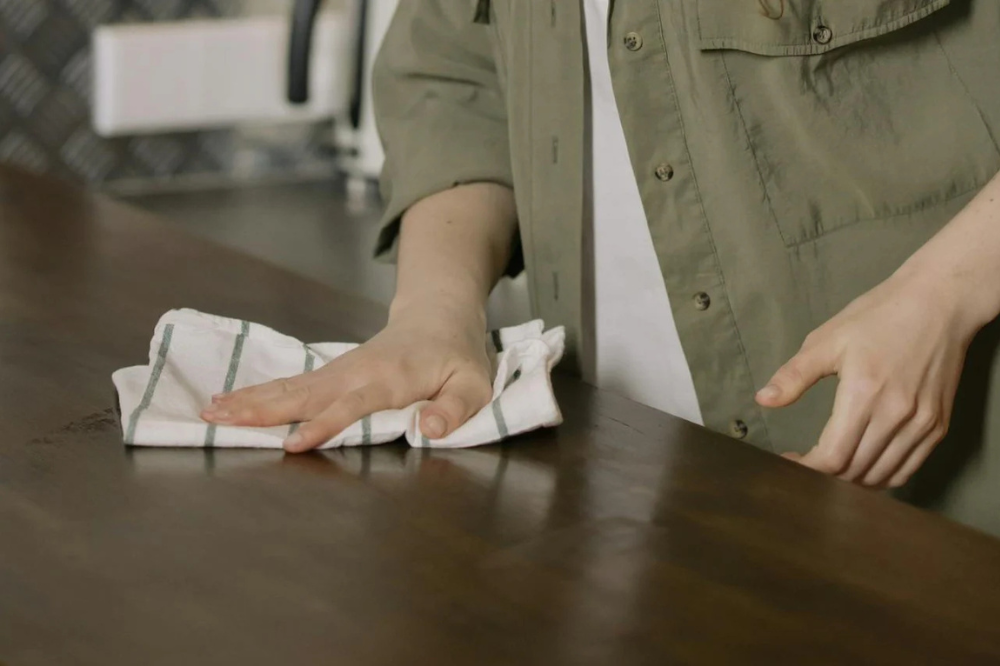
Using vinegar: Mix equal parts of white vinegar and water, then apply the solution to the moldy area and let it sit for an hour before wiping it off with a clean cloth. Repeat the process until the mold is gone.
Using hydrogen peroxide: Mix one part of hydrogen peroxide (3%) and two parts of water, then spray the solution onto the moldy wood and let it sit for 10 minutes before scrubbing with a brush. Rinse with water and dry completely.
Using commercial mold cleaners: Choose a mold cleaner for wood surfaces and follow the manufacturer’s instructions. Wear gloves, a mask, and eye protection, and ensure adequate ventilation during the cleaning process.
To prevent regrowth, consider treating the affected area with a mold inhibitor or encapsulant. Proper cleaning and disinfecting techniques can also help eliminate any remaining spores and prevent future mold growth.
White Mold on Wood: Professional Remediation
If you’ve discovered extensive white mold infestations on wood surfaces in your home, seeking professional assistance is highly recommended. While DIY mold removal methods may be effective for small-scale outbreaks, larger or more severe infestations often require the expertise of experienced mold remediation companies.
Professional mold remediation companies have access to specialized equipment and advanced techniques to quickly and safely remove white mold from wood and prevent future outbreaks. Moreover, they can conduct pre- and post-remediation inspections to ensure that your property is completely free of mold and to identify and address any underlying moisture problems that may be contributing to the mold growth.
When selecting a mold remediation company, be sure to choose a reputable and licensed contractor with experience in dealing with white mold on wood. Additionally, ask for references and certifications, and inquire about the company’s warranties and insurance coverage.
While professional remediation services may come with a higher price tag than DIY methods, it is a worthwhile investment in safeguarding your home and protecting the health and safety of your family.
Safeguarding Your Home: White Mold Prevention Tips
Preventing white mold on wood requires a proactive approach to home maintenance, focusing on moisture control, proper ventilation, and regular inspections. Here are some additional tips to help safeguard your home against white mold:
Reduce humidity levels: Use dehumidifiers in areas with high humidity, such as bathrooms and basements, and ensure proper ventilation in these spaces.
Control moisture: Address any leaks or water damage promptly, and regularly inspect areas prone to moisture, such as crawl spaces and attics.
Clean gutters: Ensure your gutters are clear of debris to prevent water from accumulating and seeping into your home’s walls and structures.
Remove clutter: Avoid storing items directly on the ground, as this can increase moisture levels and create an ideal environment for mold growth.
Ensure proper ventilation: Ventilate your home regularly by opening windows and doors, using exhaust fans, and installing air conditioning units.
Use mold-resistant products: Consider using mold-resistant paint and building materials in areas prone to moisture, such as bathrooms and kitchens.
By implementing these prevention tips, you can reduce the risk of white mold on wood and protect your home and loved ones. Remember, ongoing maintenance and proactive measures are key to preventing white mold.
Conclusion
White mold on wood can pose serious health risks and cause significant property damage if left untreated. Early detection, prompt removal, and preventive measures such as controlling moisture, improving ventilation, and regular inspections are key to minimizing its impact. Homeowners can use safe treatments like vinegar, hydrogen peroxide, or commercial cleaners for minor infestations, while professional remediation is recommended for extensive mold growth. By staying informed, vigilant, and proactive, you can protect both your health and property, ensuring that white mold on wood does not become a recurring issue.
When white mold on wood spreads or reappears after surface treatment, professional remediation is often required. FixMold offers reliable mold removal services in Estero to remove mold safely, protect wooden structures, and prevent future growth.
FAQ
What is white mold on wood?
White mold on wood is a type of fungus that grows on wooden surfaces, typically in environments with high humidity and moisture levels. It appears as a white or light-colored growth and can cause damage to the wood material if left untreated.
How can I identify white mold on wood?
White mold on wood can be identified by its fluffy or powdery appearance, with a white or light gray color. It often develops in patches or spreads over the surface of the wood. Additionally, a musty odor may be present in areas affected by white mold.
What are the symptoms of white mold on wood?
Symptoms of white mold on wood include discoloration of the wood surface, softening or rotting of the material, and the presence of mold growth. In some cases, individuals may also experience allergic reactions or respiratory issues when exposed to white mold.
What causes white mold to grow on wood?
White mold on wood is typically caused by a combination of high moisture or humidity levels and organic material present on the wood’s surface. Common sources of moisture include leaks, condensation, or inadequate ventilation in areas where wooden structures or furniture are located.
How can I prevent white mold on wood?
To prevent white mold on wood, it is important to control moisture levels by addressing any leaks or sources of excess dampness. Improving ventilation in areas with wooden structures is also crucial. Regular inspection and maintenance of the wood surfaces can help identify and address any potential mold growth early on.
How can I remove white mold from wood?
To remove white mold from wood, you can use various methods such as wiping the affected area with a mixture of vinegar and water, applying hydrogen peroxide, or using commercial mold cleaners. It is important to follow proper safety precautions and thoroughly clean and disinfect the wood surface.
When should I seek professional help for white mold on wood?
If you have extensive white mold infestations on wood or if the mold has caused significant damage, it is advisable to seek professional assistance. Professional mold remediation companies have the expertise, equipment, and experience to effectively handle and eliminate mold growth in a safe and efficient manner.
What additional measures can I take to prevent white mold on wood?
In addition to controlling moisture levels and improving ventilation, you can take proactive measures to prevent white mold on wood. These include using dehumidifiers in areas prone to high humidity, applying mold-resistant coatings or finishes on wooden surfaces, and regularly cleaning and inspecting the wood for any signs of mold growth.
JerushaJerusha - Author at Fix Mold Miami
Jerusha is a contributor at FixMold, specializing in mold remediation, indoor air quality, moisture control, and environmental wellness. She creates informative content focused on mold prevention, and advanced restoration solutions for residential and commercial properties.