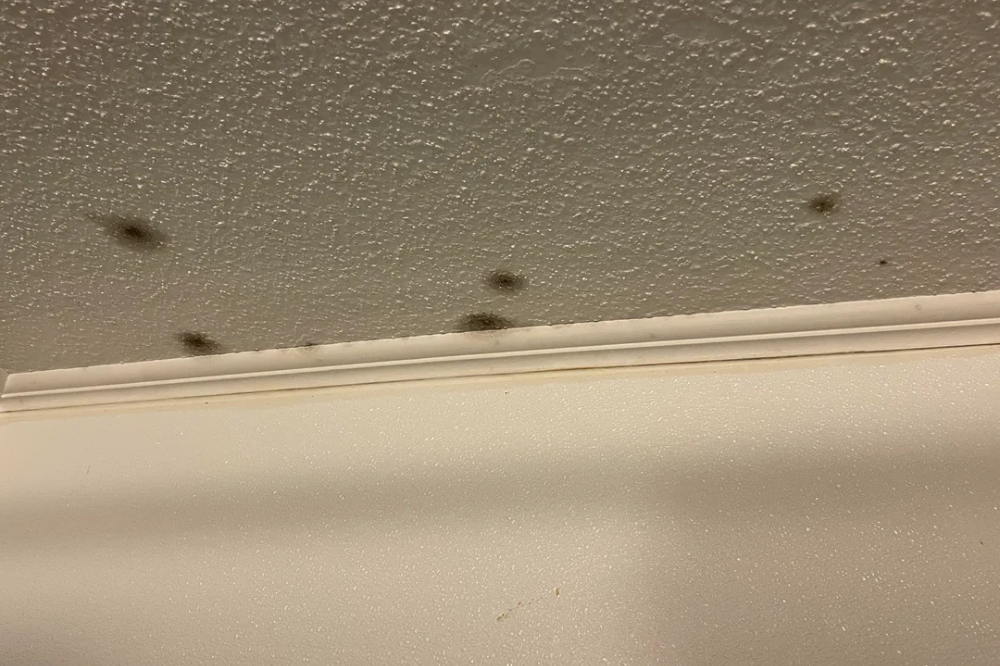
Have you ever looked up at your ceiling and noticed tiny black dots scattered across the surface, and wondered what they are? Are they harmless specks of dust, signs of pests, or something more concerning, like mold? While the sight of these mysterious spots can be alarming, understanding their cause is the first step in addressing them effectively. In this article, we’ll explore the most common reasons for black dots on ceilings, how to identify whether they’re harmless or a sign of a bigger problem, and what steps you can take to keep your home safe and clean.
What are those black dots on your ceiling
The small black dots that seem to pepper the ceiling in many homes are known as “cobwebs” or “spiderwebs”. These webs are actually spun by arachnids such as spiders and mites. While some of these webs may appear to be nothing more than tiny, harmless specks on the ceiling, they are often indicative of a larger spider infestation.
These webs form due to the spiders’ instinct to spin their web to catch food or insects. The webs also provide an easy way for the spiders to stay safe from predators and other pests. Over time, these webs create a network of threads that can stretch across an entire room. This can result in a nasty black dot pattern on the ceiling, walls, and other surfaces.
It’s important to keep in mind that although these webs may seem harmless, they are often signs of a larger infestation. If you notice any cobwebs or spiderwebs, your best bet is to contact a professional pest control specialist to assess the situation and eliminate the problem. A qualified exterminator will be able to remove the webs, as well as any other pests that may be lurking in your home. Additionally, they can provide tips on ways to keep spiders away from your house in the future.
What could they be, and why should you care
What could they be and why should you care? ‘Them’ in this context could refer to a variety of things, depending on the context. It could be something physical, such as an object or piece of clothing, or it could be something more abstract, like a concept or idea.
Regardless of what ‘they’ might be, it’s important to pause and consider why you should care. After all, investing your time and energy into something that isn’t beneficial or valuable in some way is a waste of resources. It’s important to ask yourself if there’s any reason why this particular thing matters to you.
If the answer is yes, then it might be worth the effort to take a closer look and explore it further. On the other hand, if you don’t have a good reason to care, then it’s probably best to move on and focus your energy on something else. Taking the time to consider why ‘they’ should matter is an important part of making sure you’re focusing on what’s most important.
What to do if you have black dots on your ceiling
If you find yourself facing the issue of black dots on your ceiling, there are a few steps that can be taken to address the problem. It is important to first identify the source of these spots to properly treat them. They could be caused by either mold or mildew, or they may simply be a result of dirt and dust accumulation.
If mold or mildew is the cause, a solution of bleach and water can be used to treat the area. Mix one part bleach with four parts water and use a sponge or cloth to scrub the spots. Be sure not to saturate the area too much, as this could lead to discoloration or further damage.
Conclusion
If you’re like me, you probably didn’t give much thought to the black dots on your ceiling until now. But after reading this article, you may be wondering what they are and why they’re there. The answer is that they’re most likely either acoustic tiles or vents for your air conditioning system. If you have an older home, these tiles were likely installed in order to muffle sound and keep your ceilings from cracking. While some people find them unsightly, there’s no need to worry – they won’t hurt you, and they can usually be covered up with a coat of paint if you don’t like them.
If you’re unsure whether you’re dealing with mold or mildew and the problem keeps coming back, a professional evaluation can save time and prevent further damage. FixMold provides trusted mold remediation services in Davie, helping homeowners accurately identify the issue and eliminate mold at the source for long-term protection.
Jerusha is a contributor at FixMold, specializing in mold remediation, indoor air quality, moisture control, and environmental wellness. She creates informative content focused on mold prevention, and advanced restoration solutions for residential and commercial properties.