| Step | What Happens |
|---|---|
| 1. Confirm source and scope | Identify the moisture source and affected areas |
| 2. Coordinate with your maintenance provider | Panels, seats and components are removed and reinstalled according to the aircraft's own procedures |
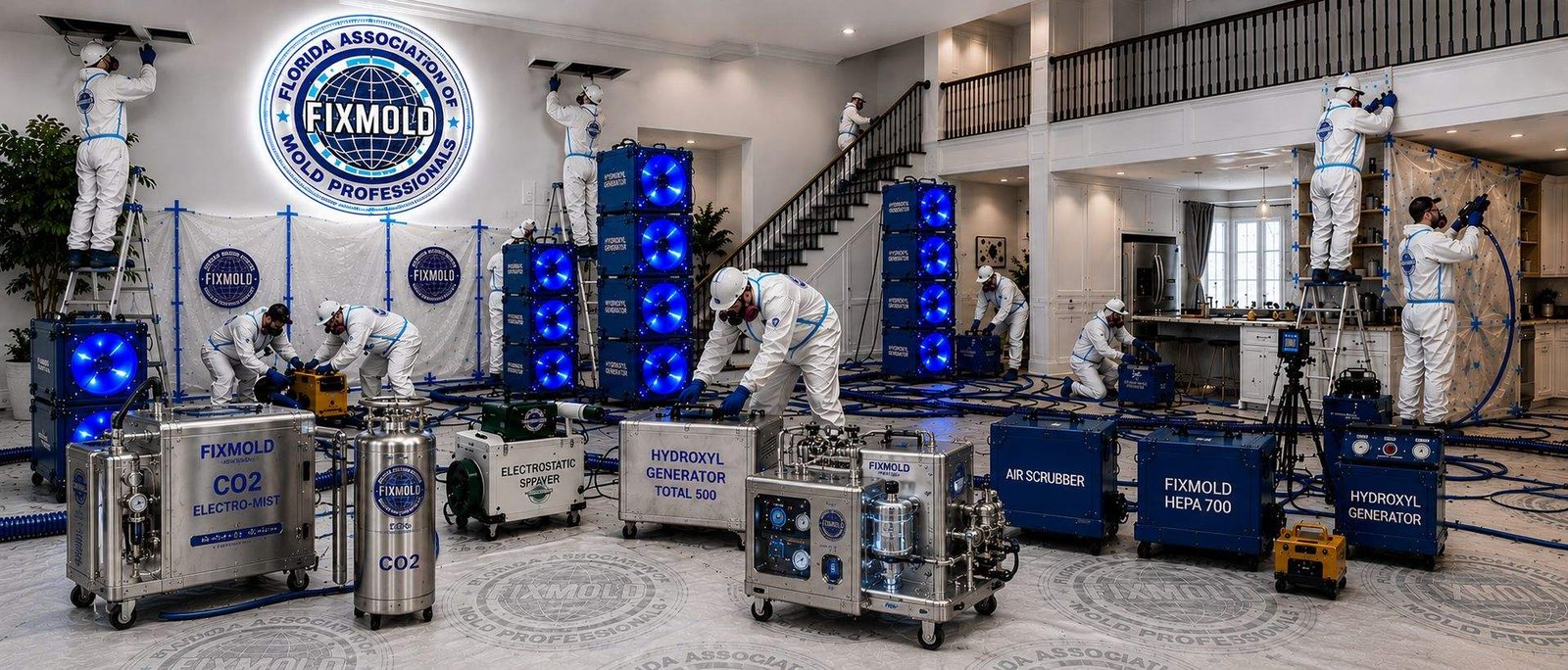
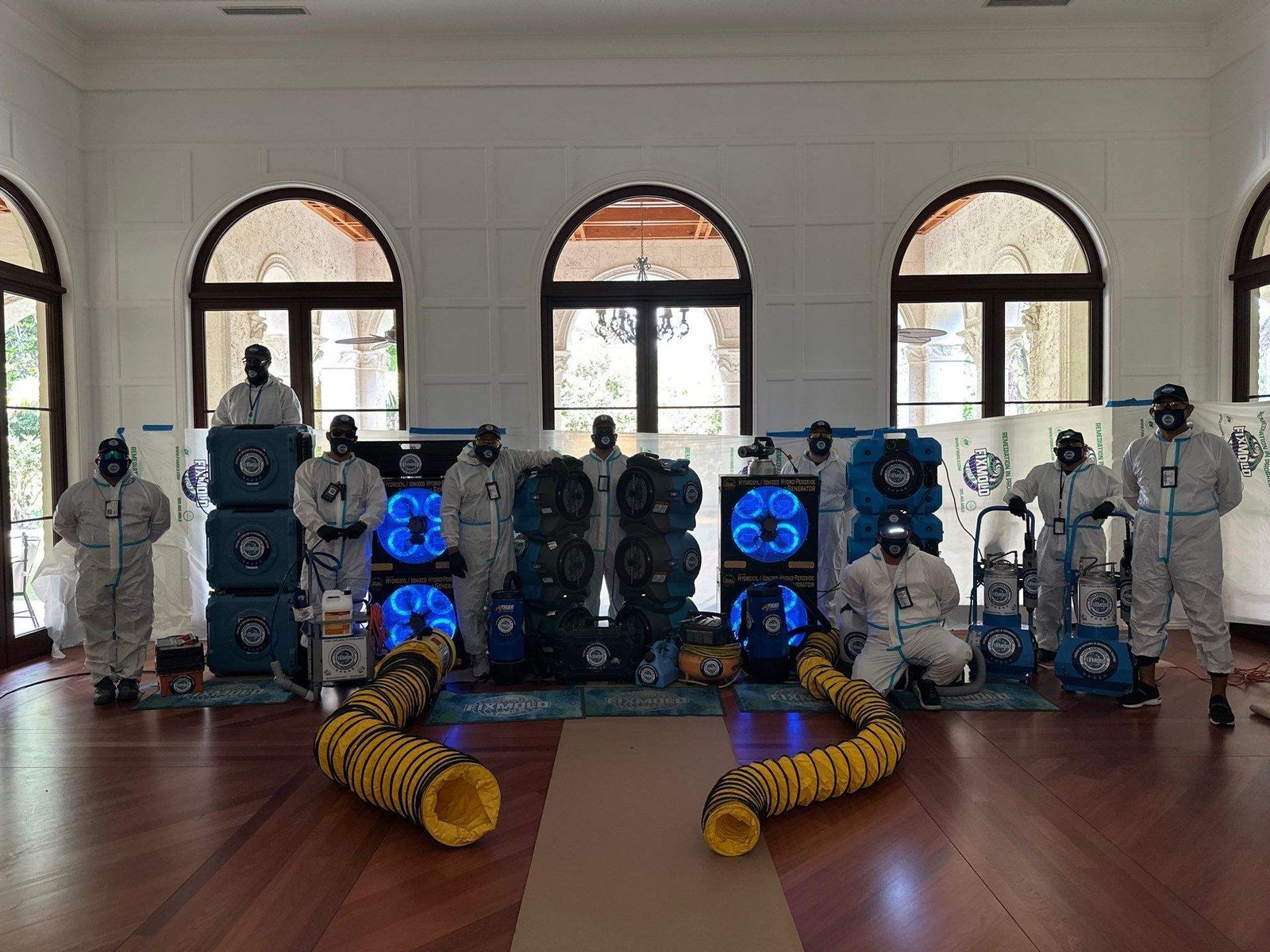
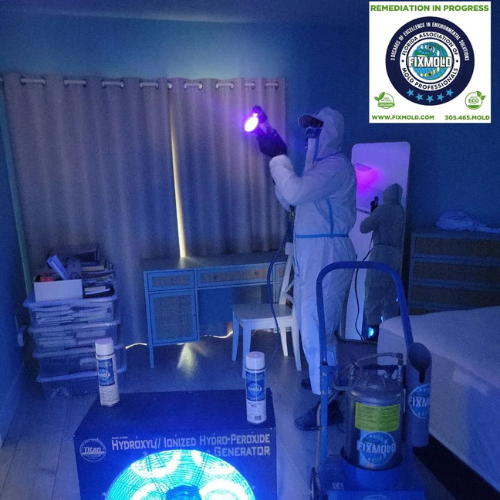
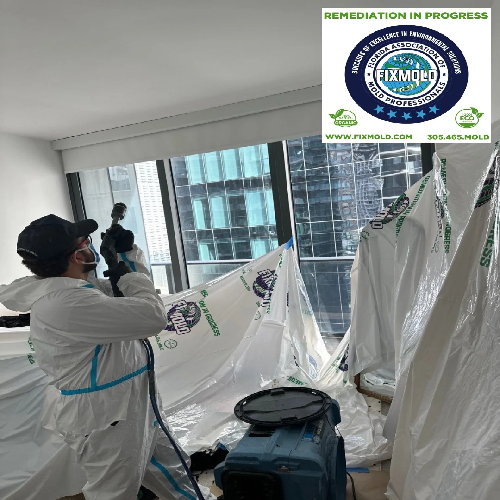
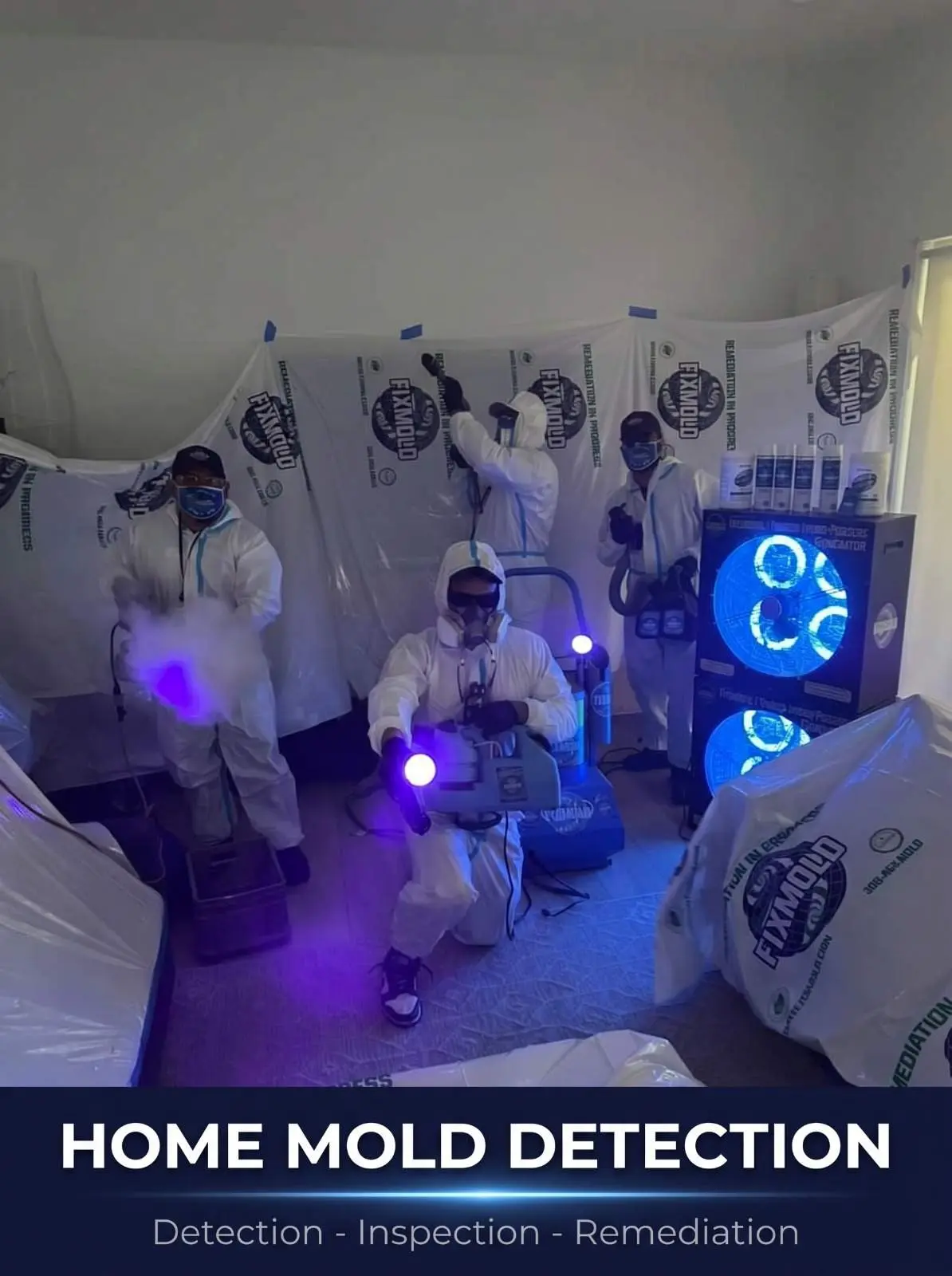
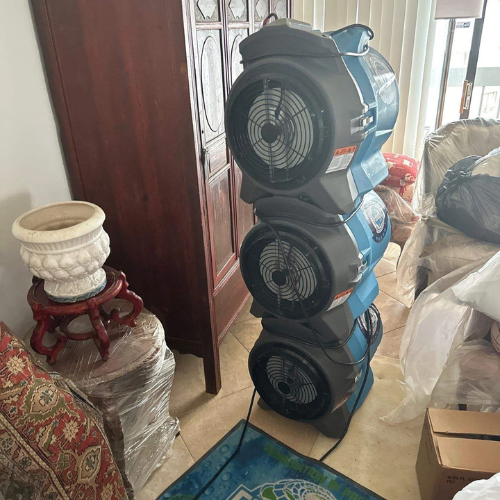
| 3. Contain the work area | [HEPA-filtered air control](https://fixmold.com/services/hepa-filtration-systems-miami/) keeps particles from spreading |
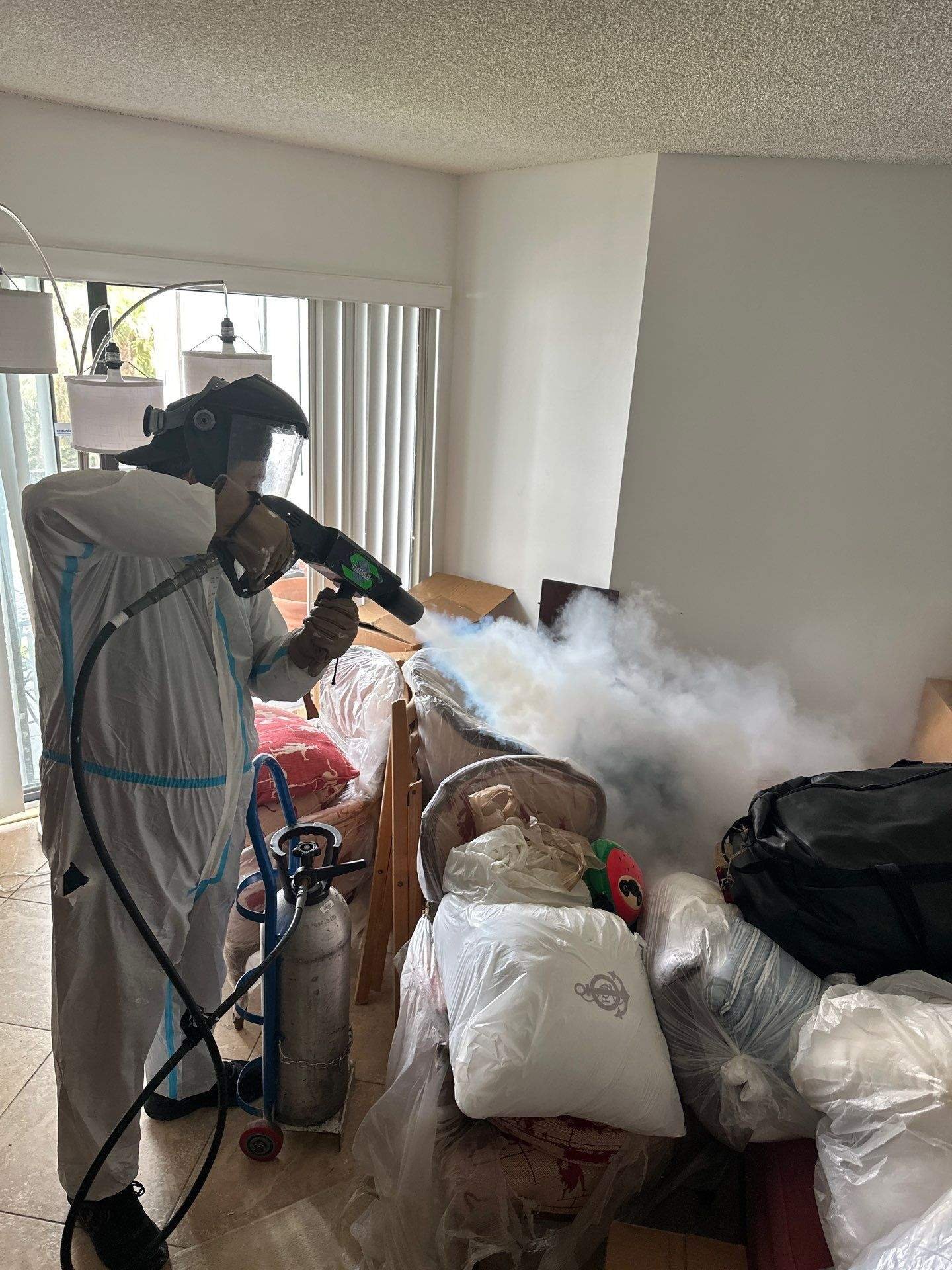
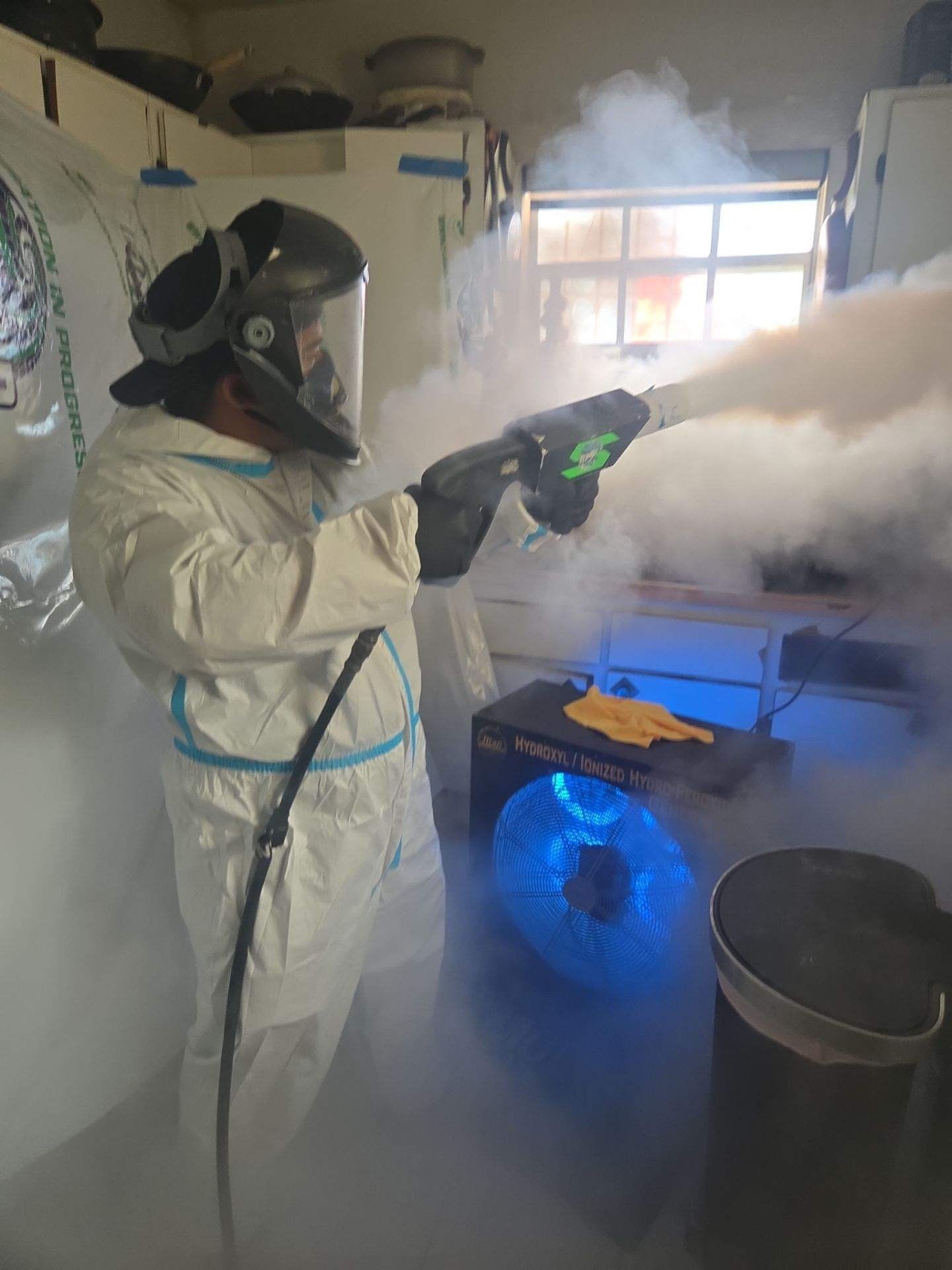
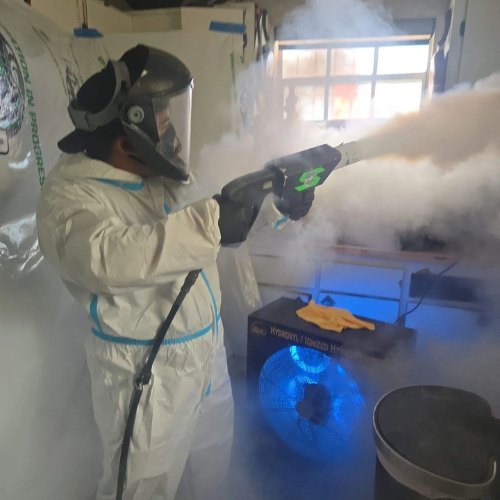
| 4. Treat or remove affected materials | Using[ non-VOC and low-VOC products](https://fixmold.com/services/fixmolds-fully-organic-product-line/) where suitable, applied per manufacturer instructions |
| 5. Dry and correct the moisture source | Prevents growth from returning |
| 6. Verify the result | [Post-remediation testing and a clearance certificate](https://fixmold.com/services/mold-clearance-testing-and-certificates/) document that the work met project criteria |


View Our Reviews Accross All PlatformsΒ Here
Yes. Any aircraft cabin can develop mold when moisture stays in carpet, padding, insulation, upholstery or wall cavities long enough for growth to begin. In South Florida the risk is higher because outdoor humidity is high year-round, aircraft are often cooled on the ground for long periods, and storms can push water past seals.
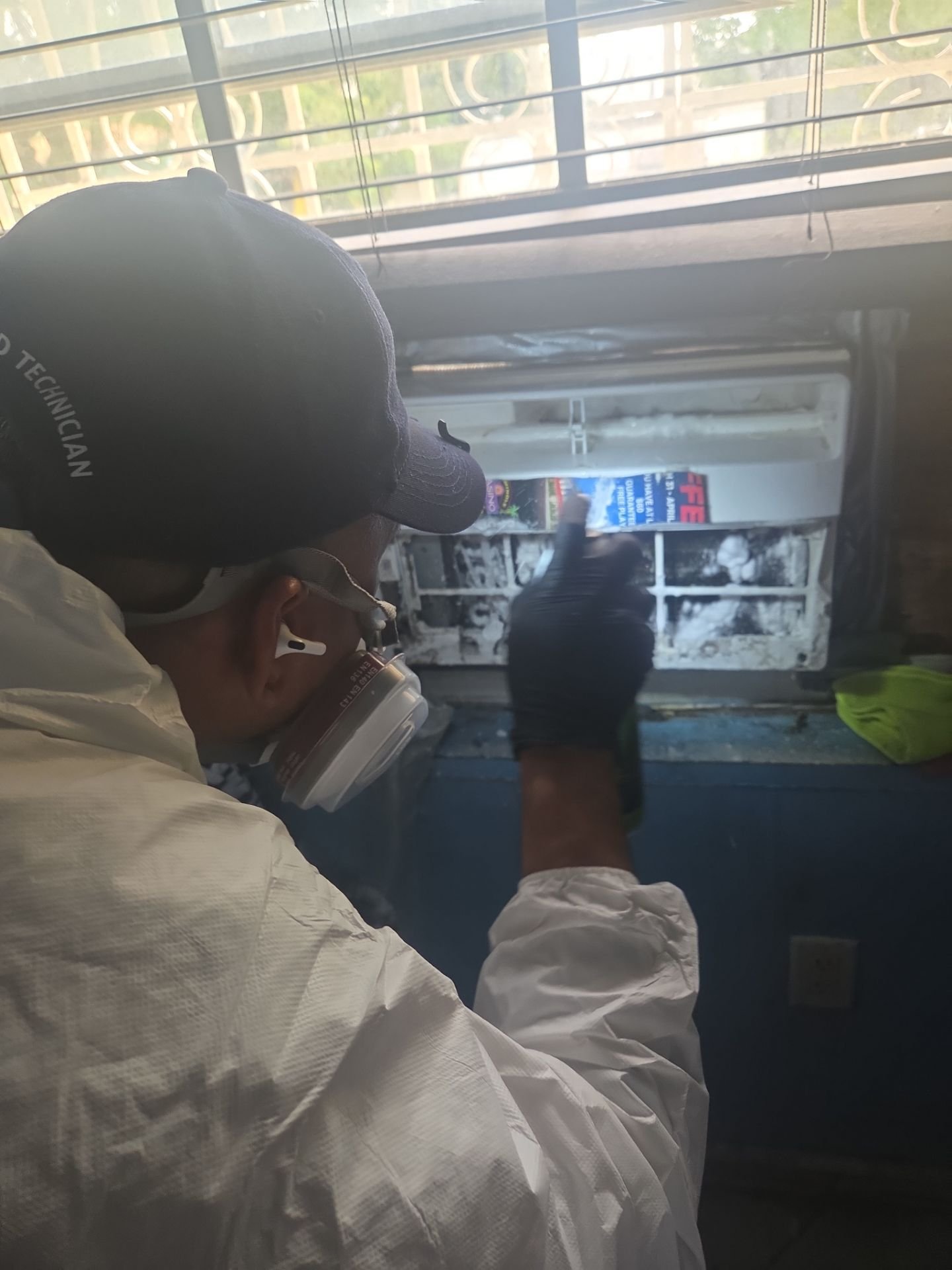
The earliest sign is usually a persistent musty or earthy smell, particularly when the air system starts or after the cabin has been closed for several days. Other signs include discoloration or spotting on ceiling and sidewall panels, damp or stained carpet, condensation that keeps returning around windows and vents, and odor that comes back after detailing.
Crew or passengers who notice allergy-like symptoms that ease after leaving the aircraft may also want to have the cabin evaluated. These signs can have other causes, and symptoms alone can't confirm mold.

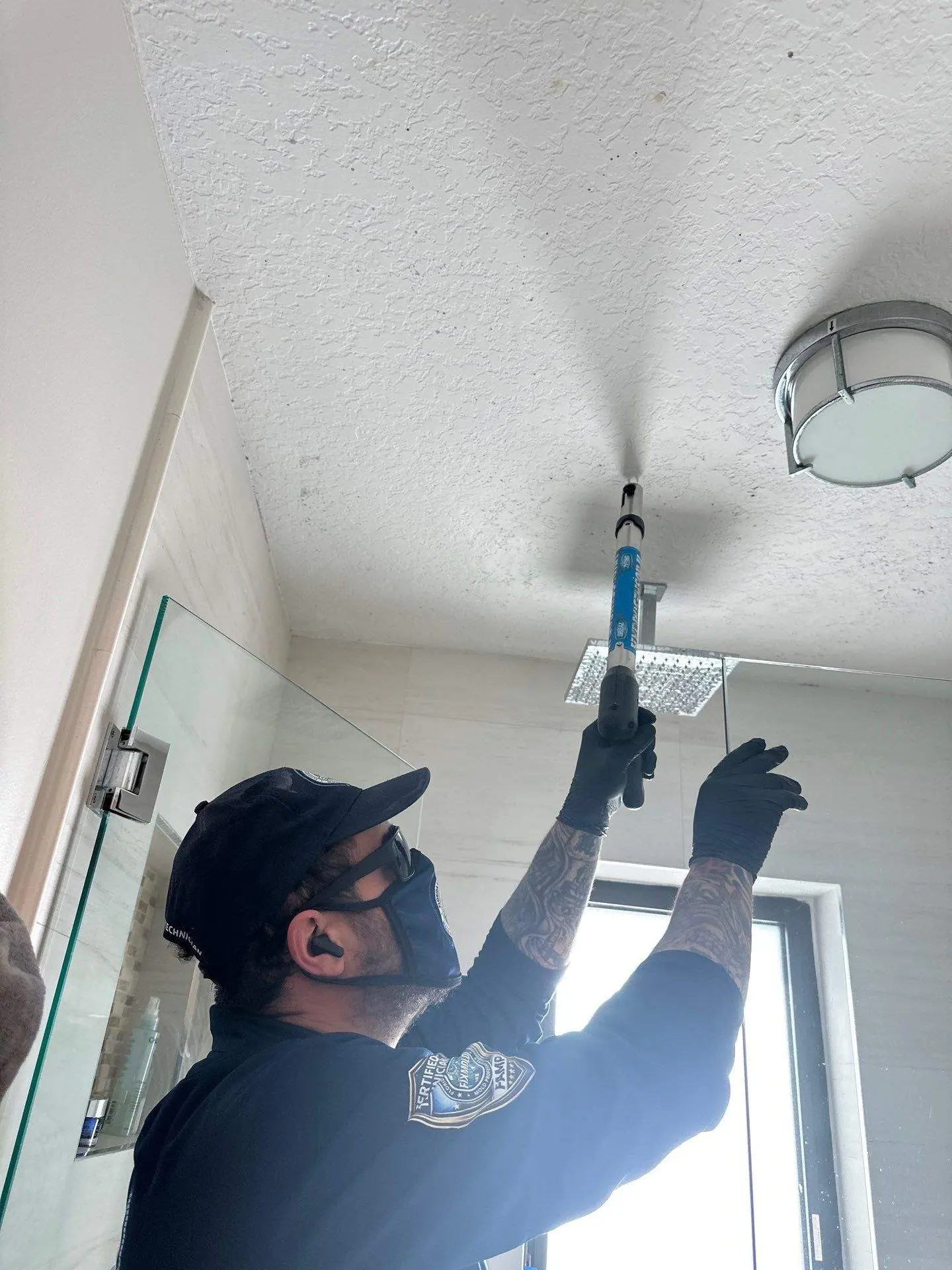
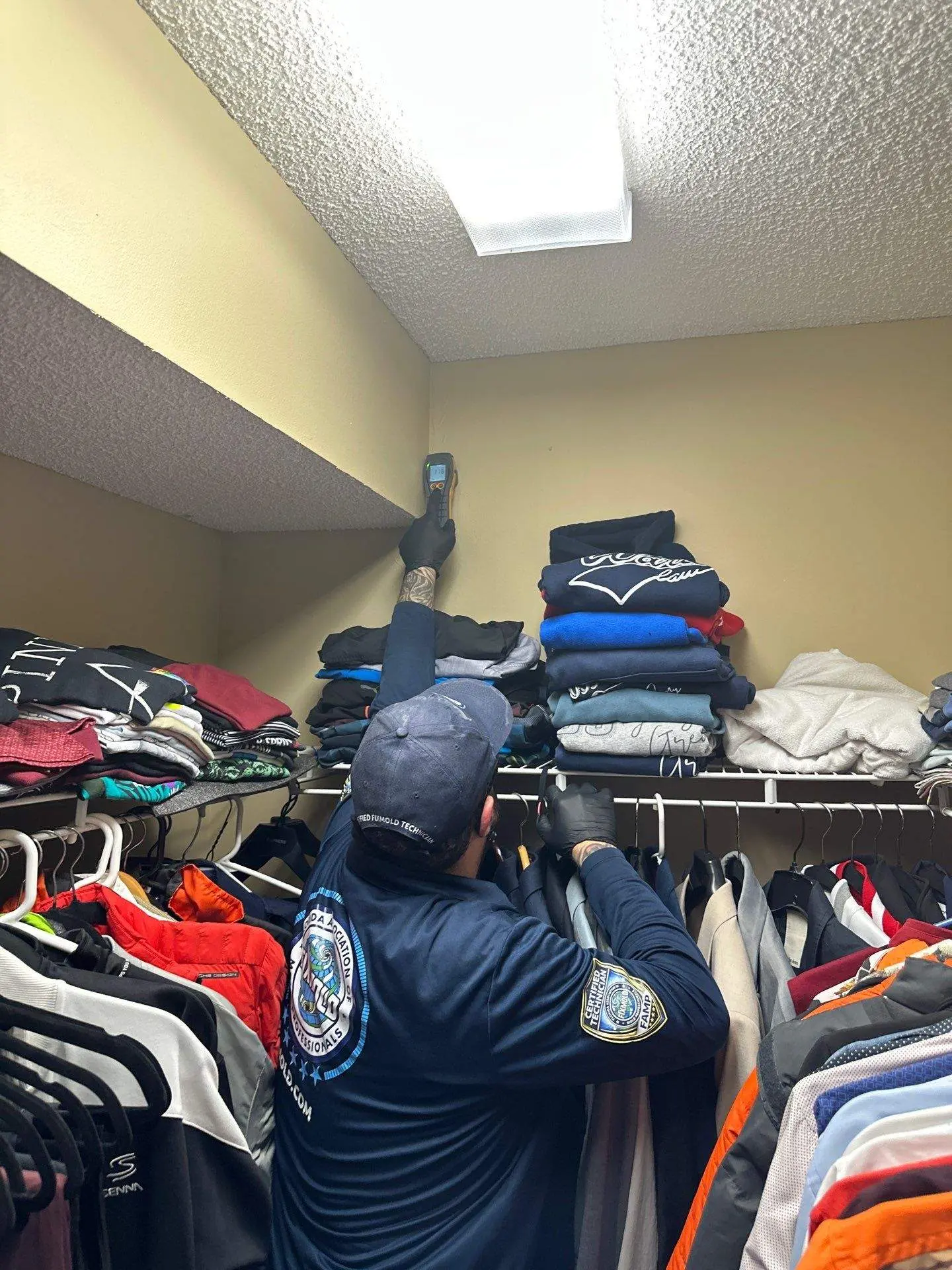
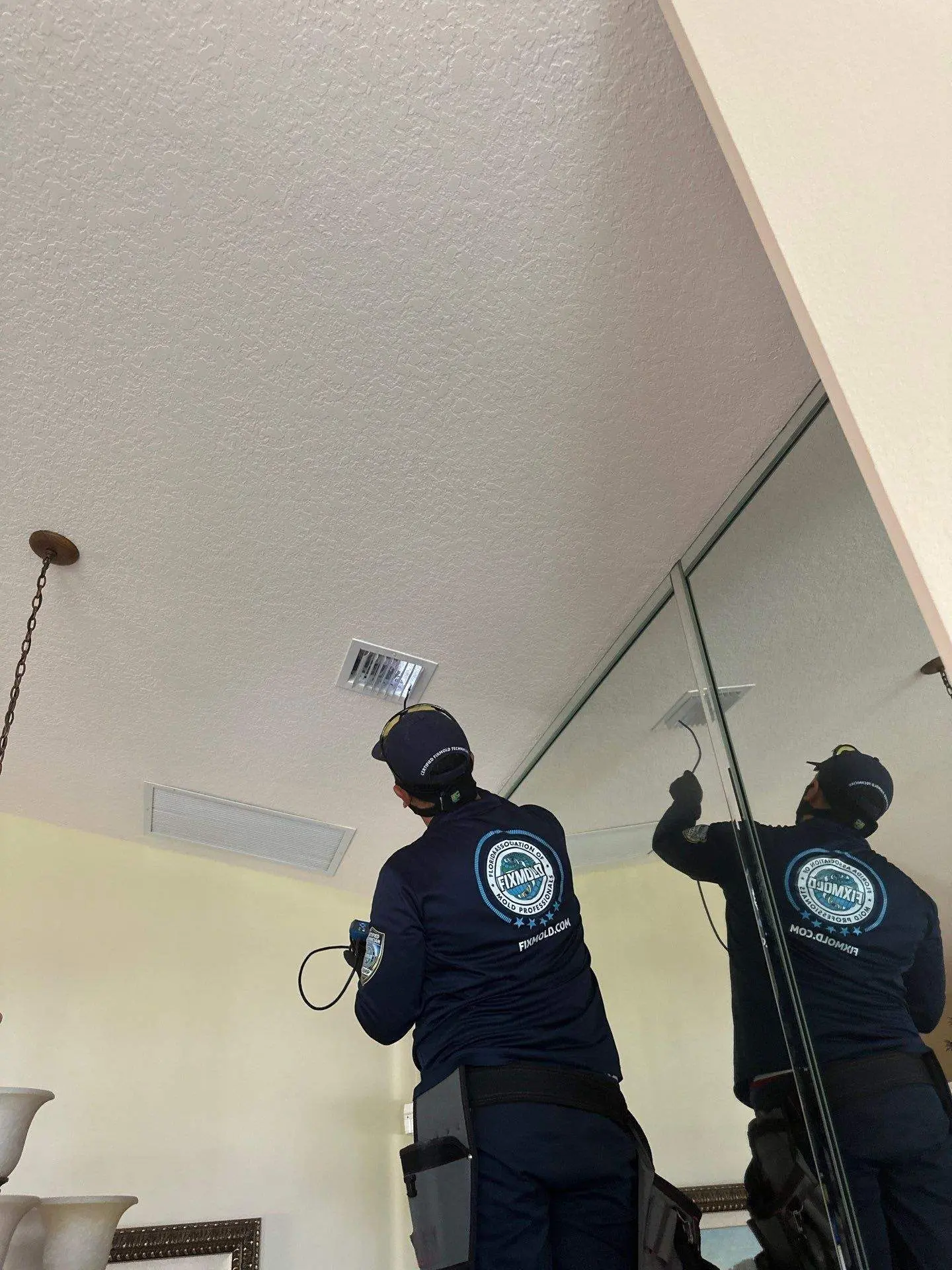
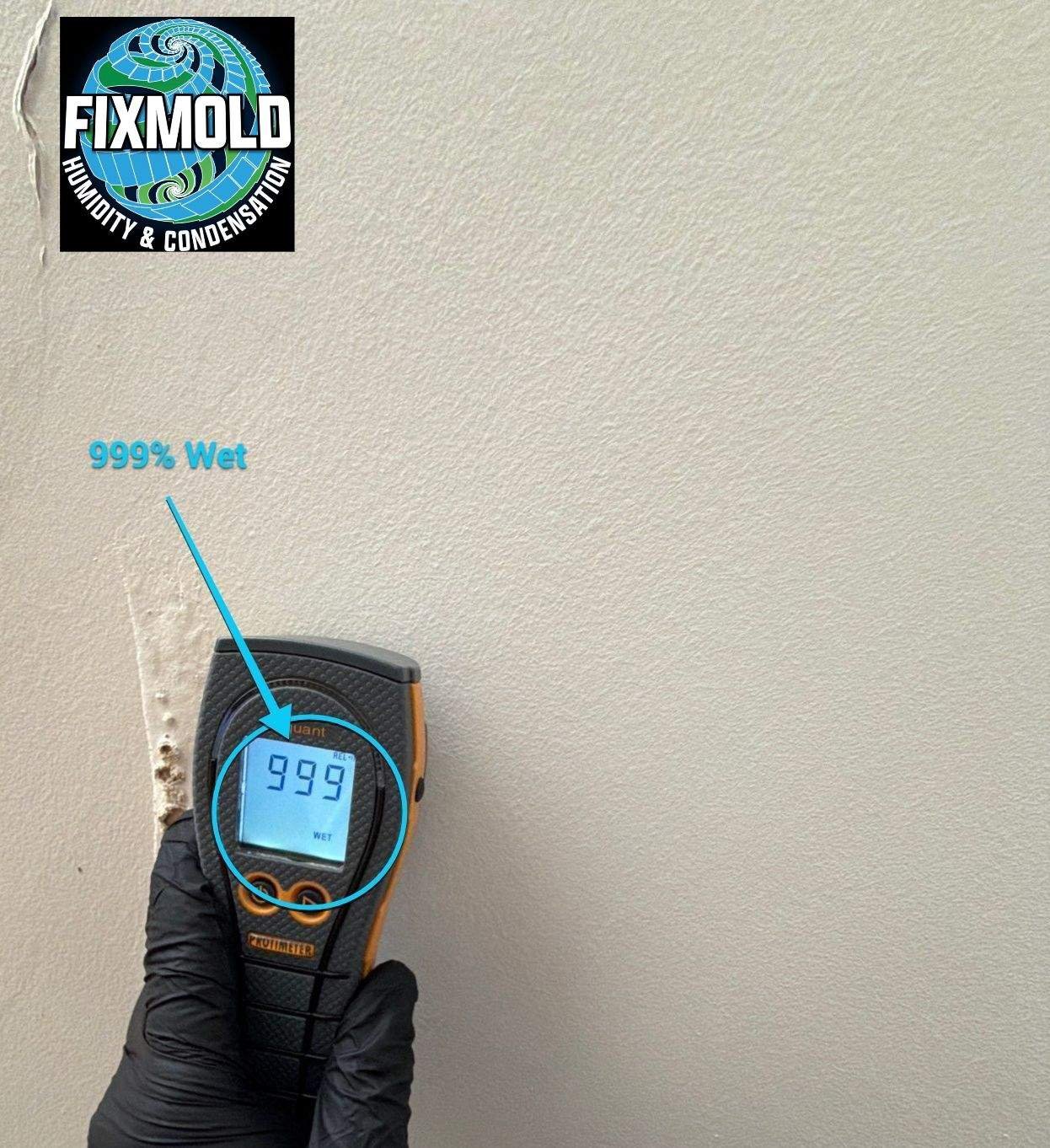
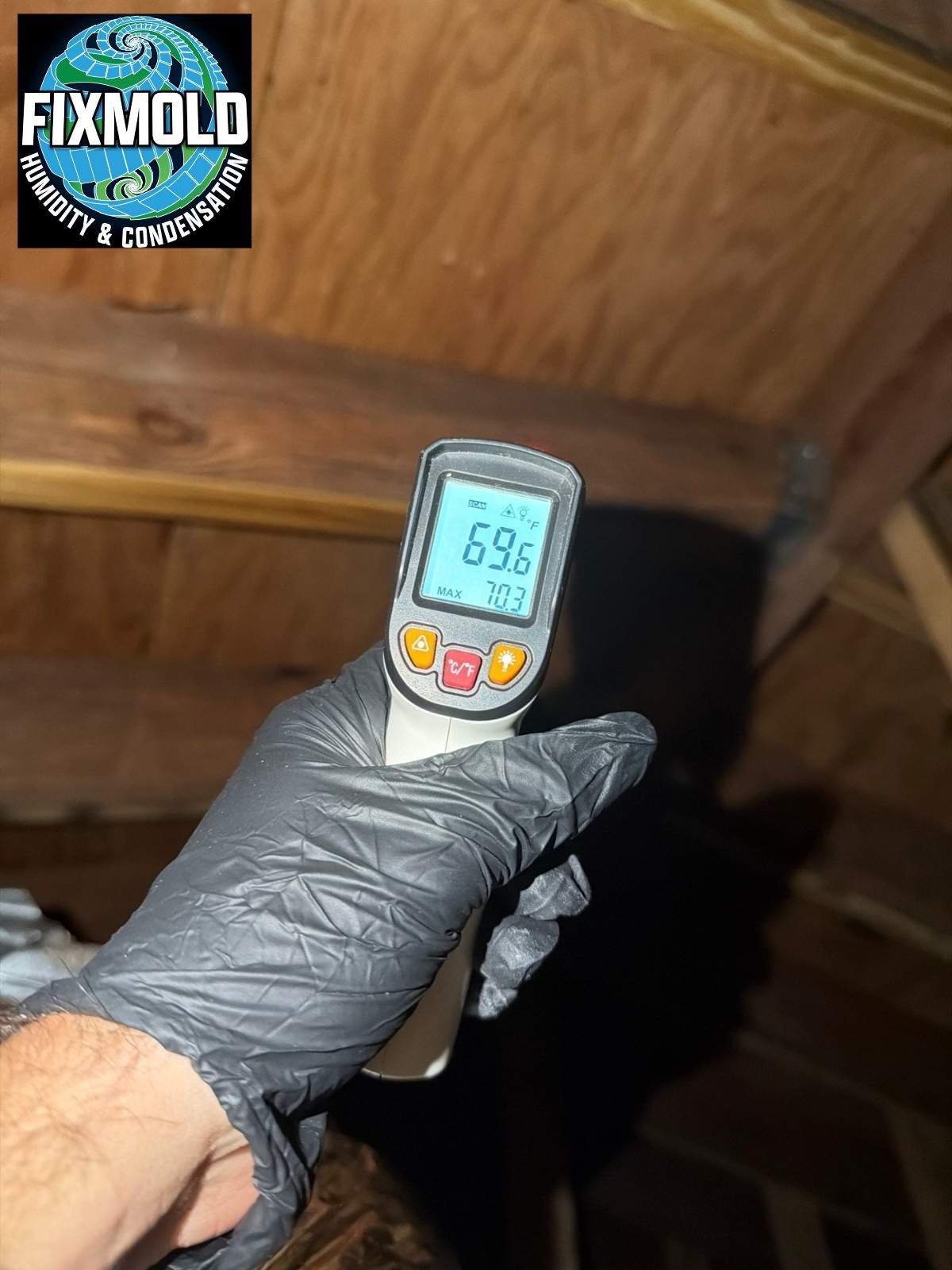
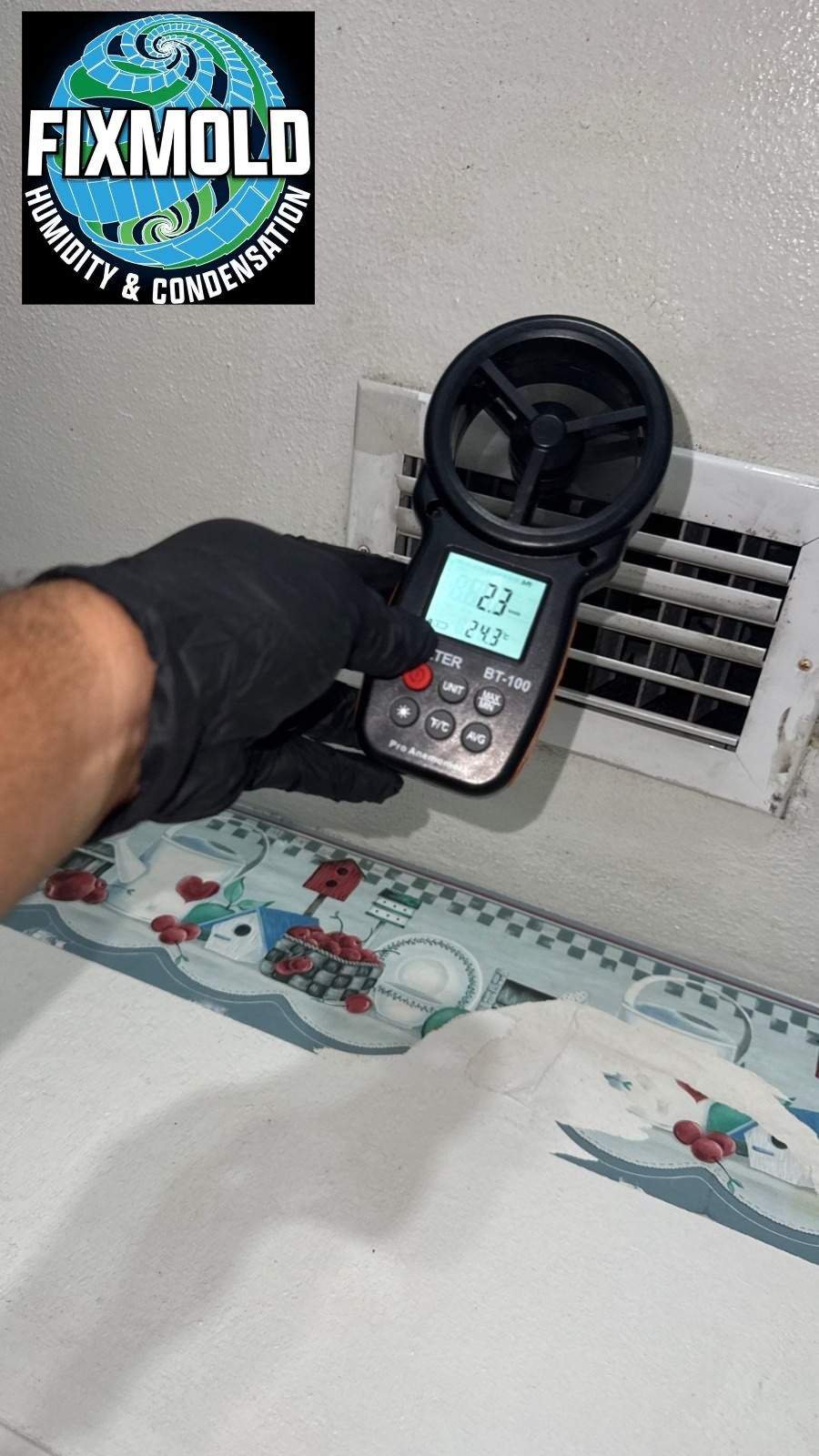
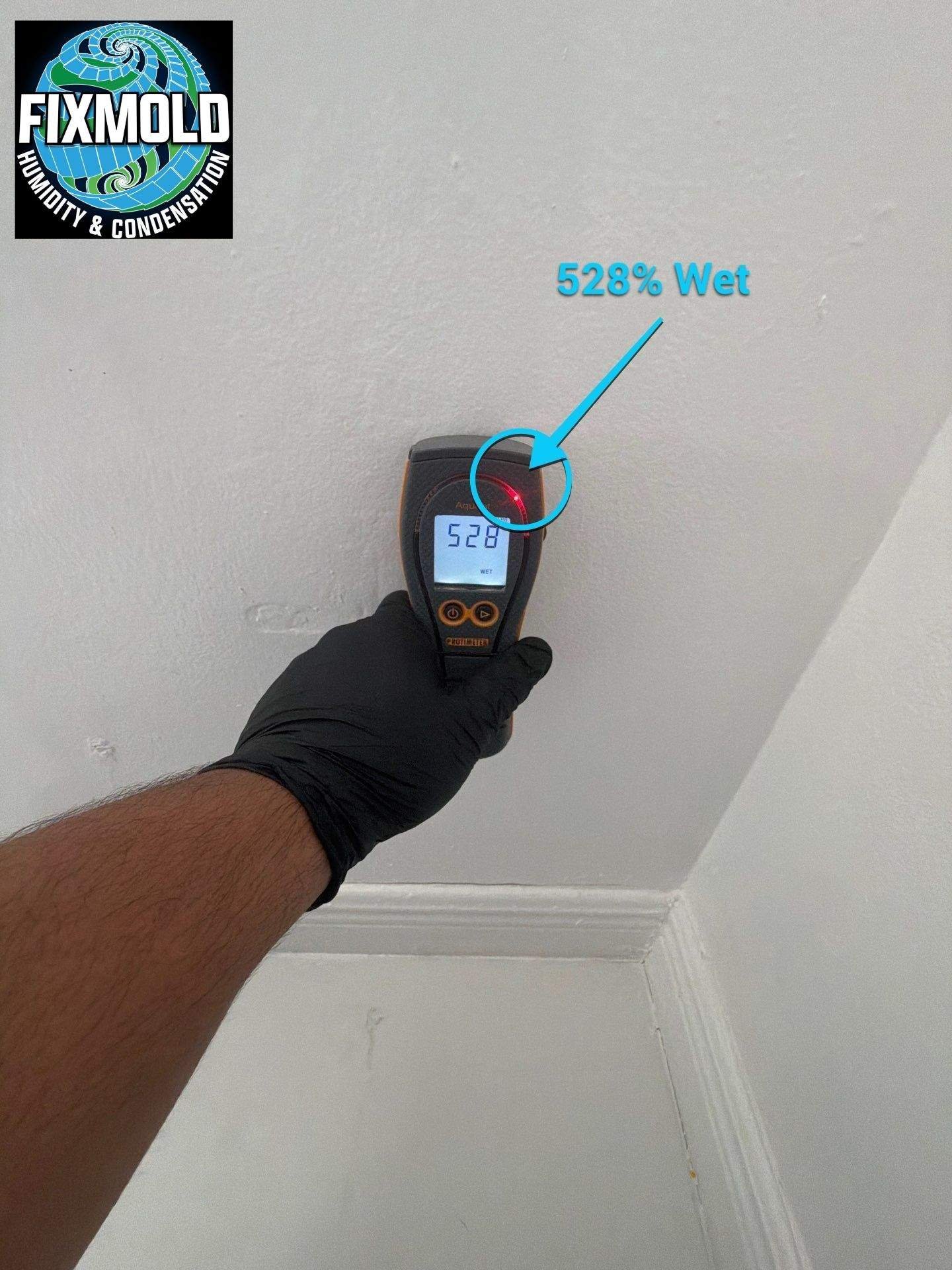
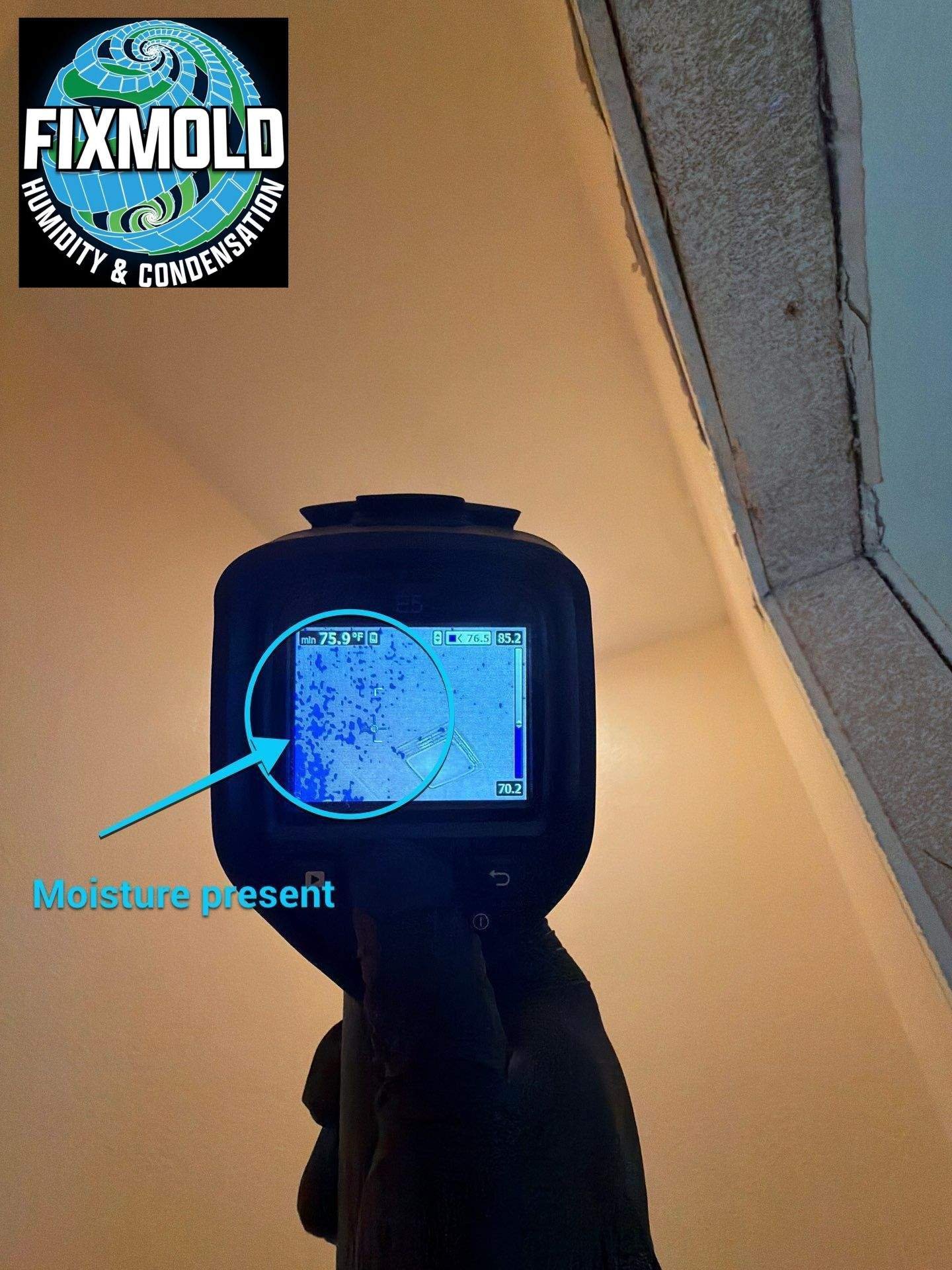
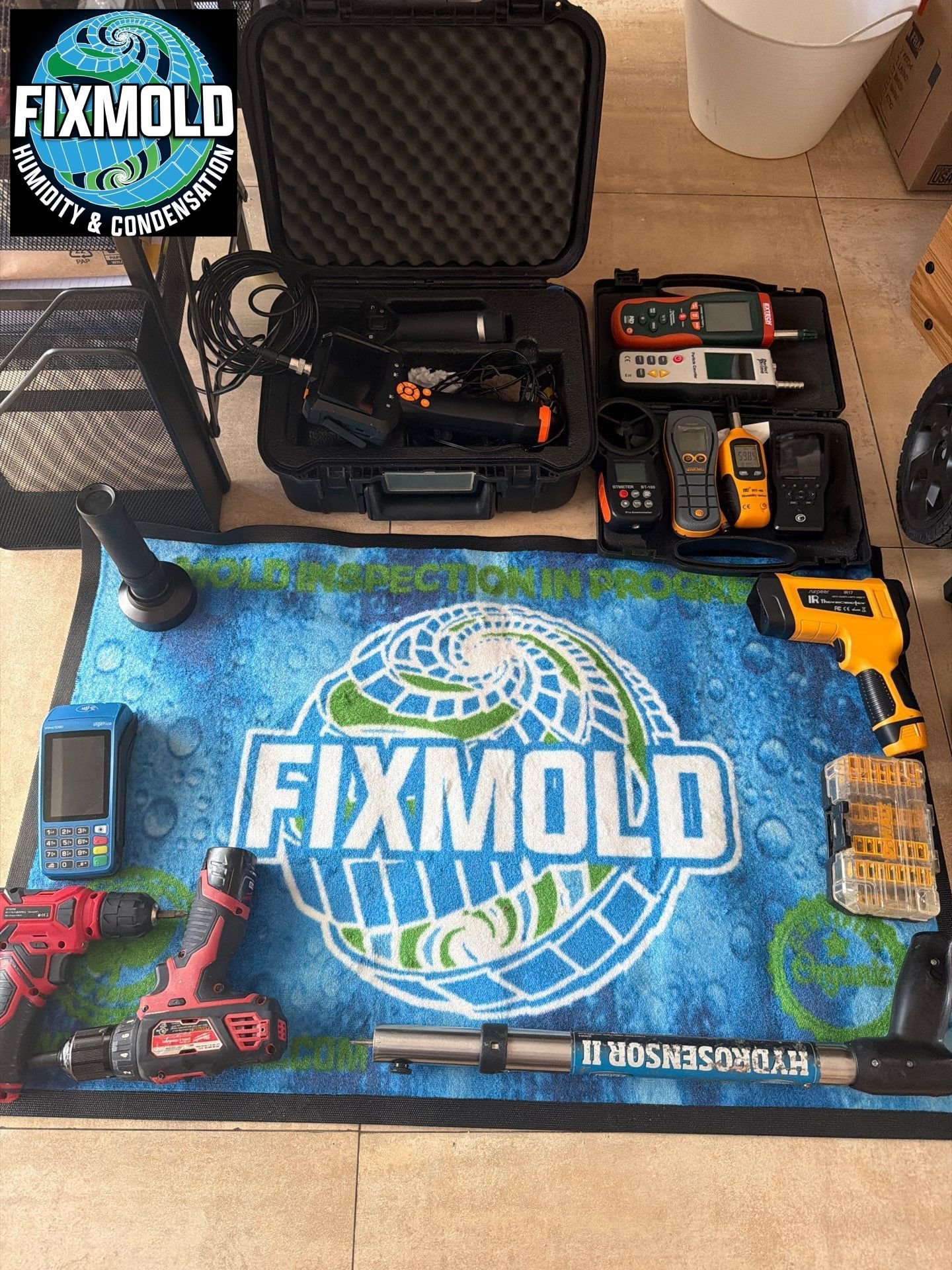
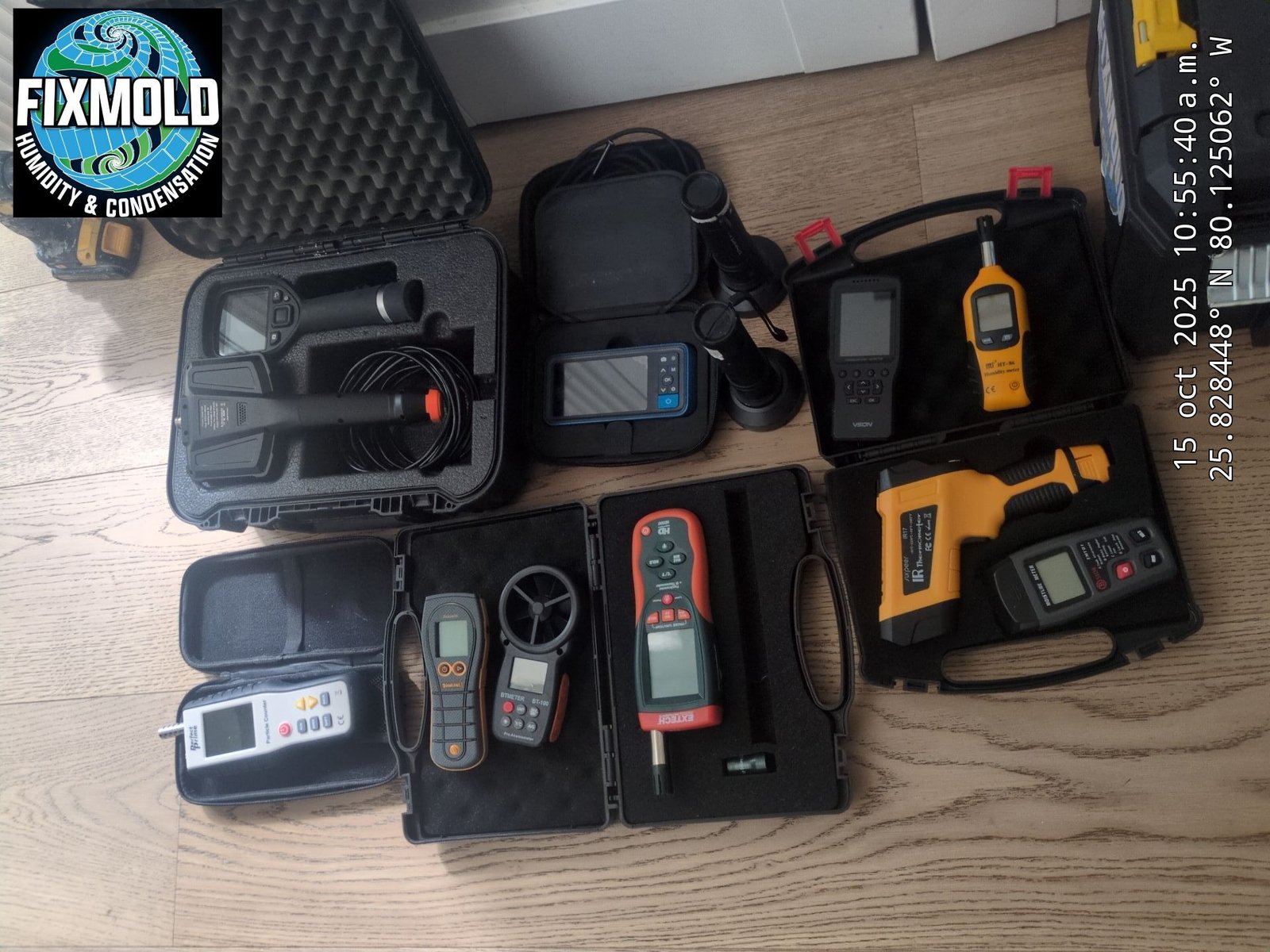
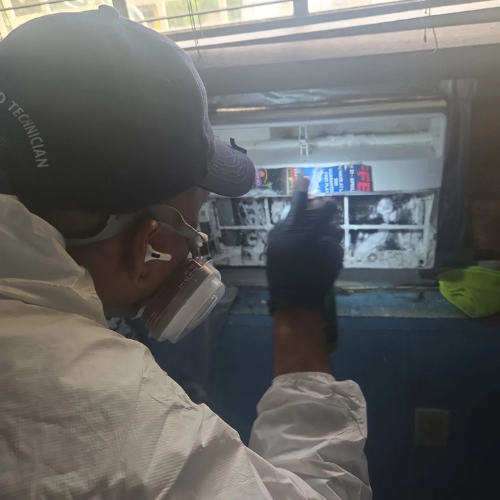
An inspection using thermal imaging and moisture detection can show where moisture is present, and laboratory sampling can identify what is growing when sampling is appropriate. We can also start with a free virtual consultation, where you show a technician what you are seeing before deciding on an in-person visit.
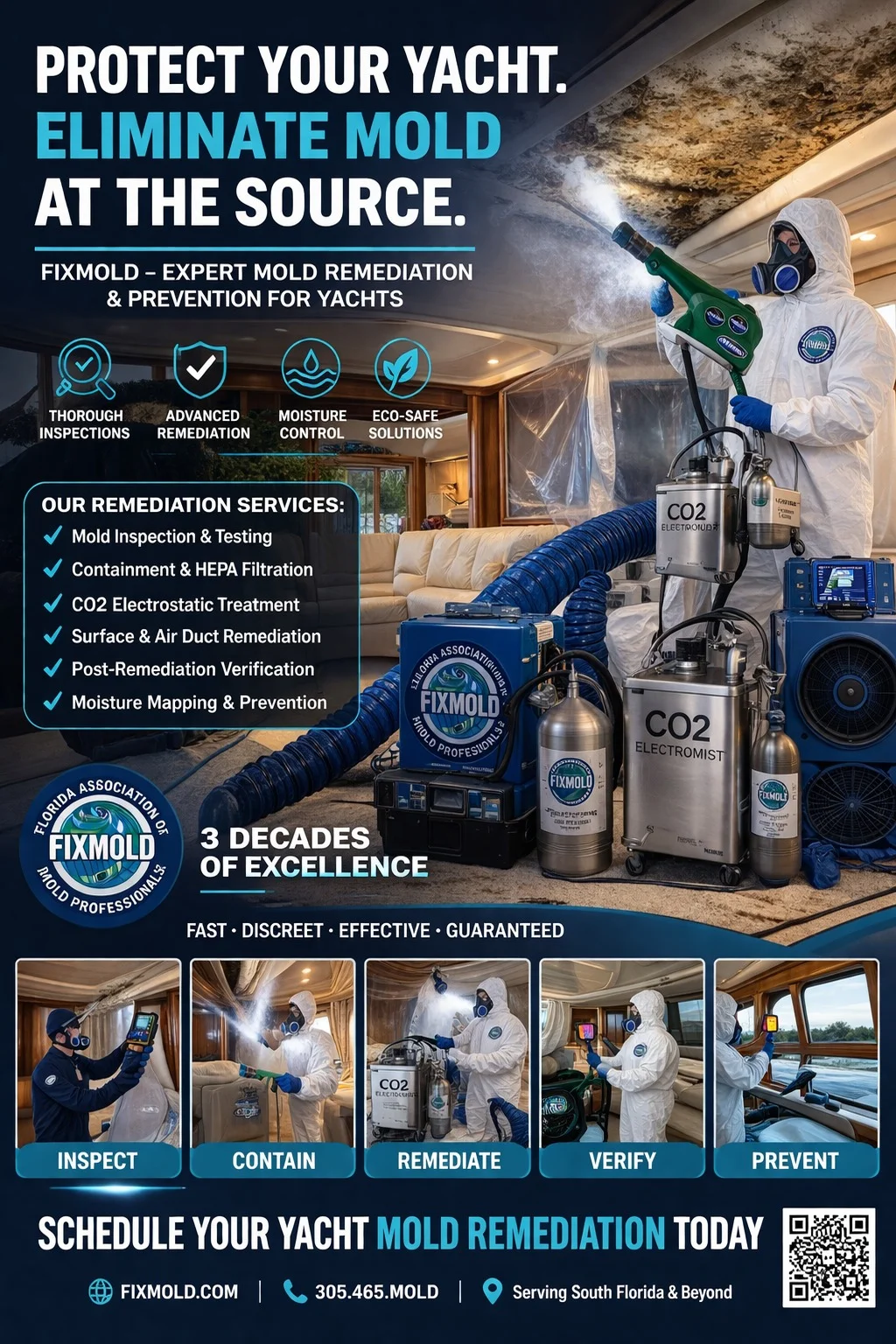
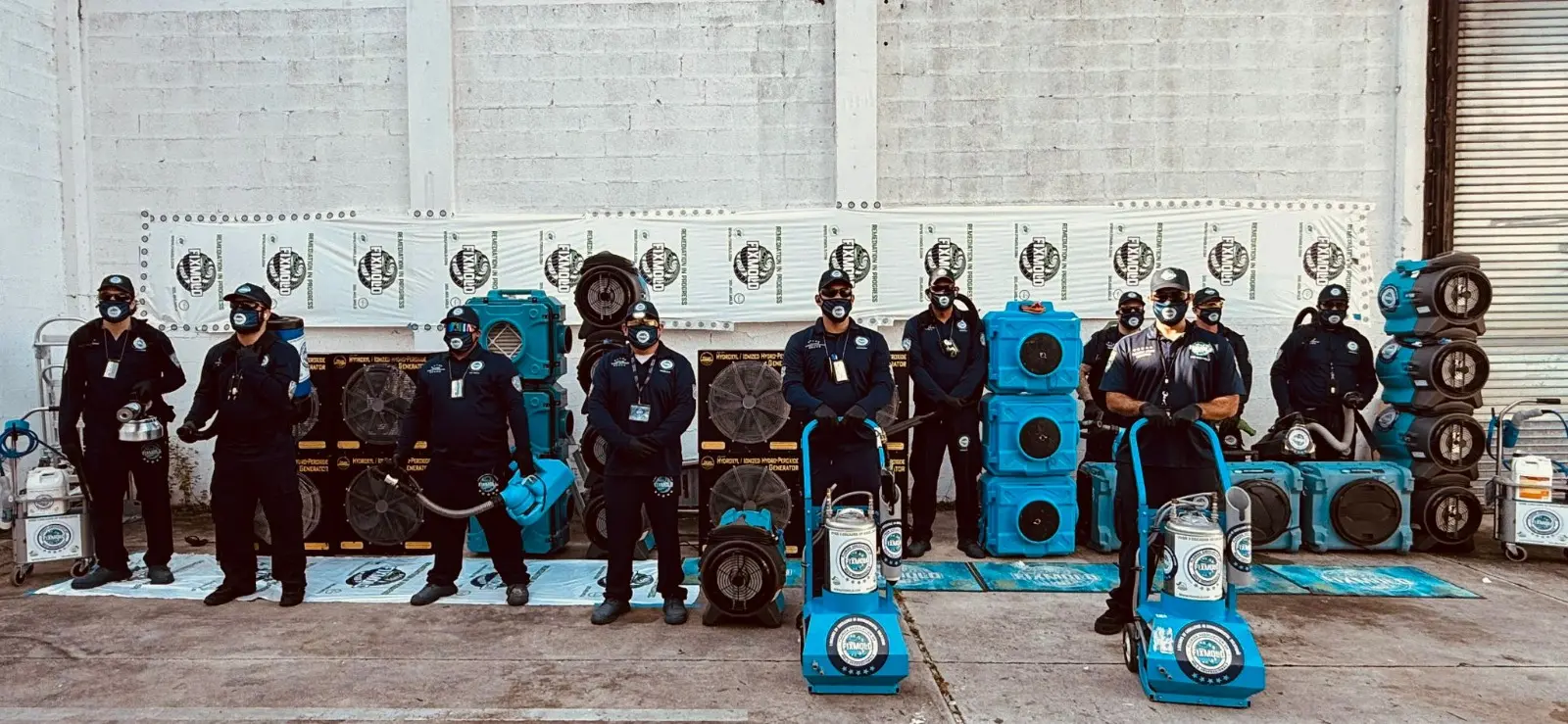
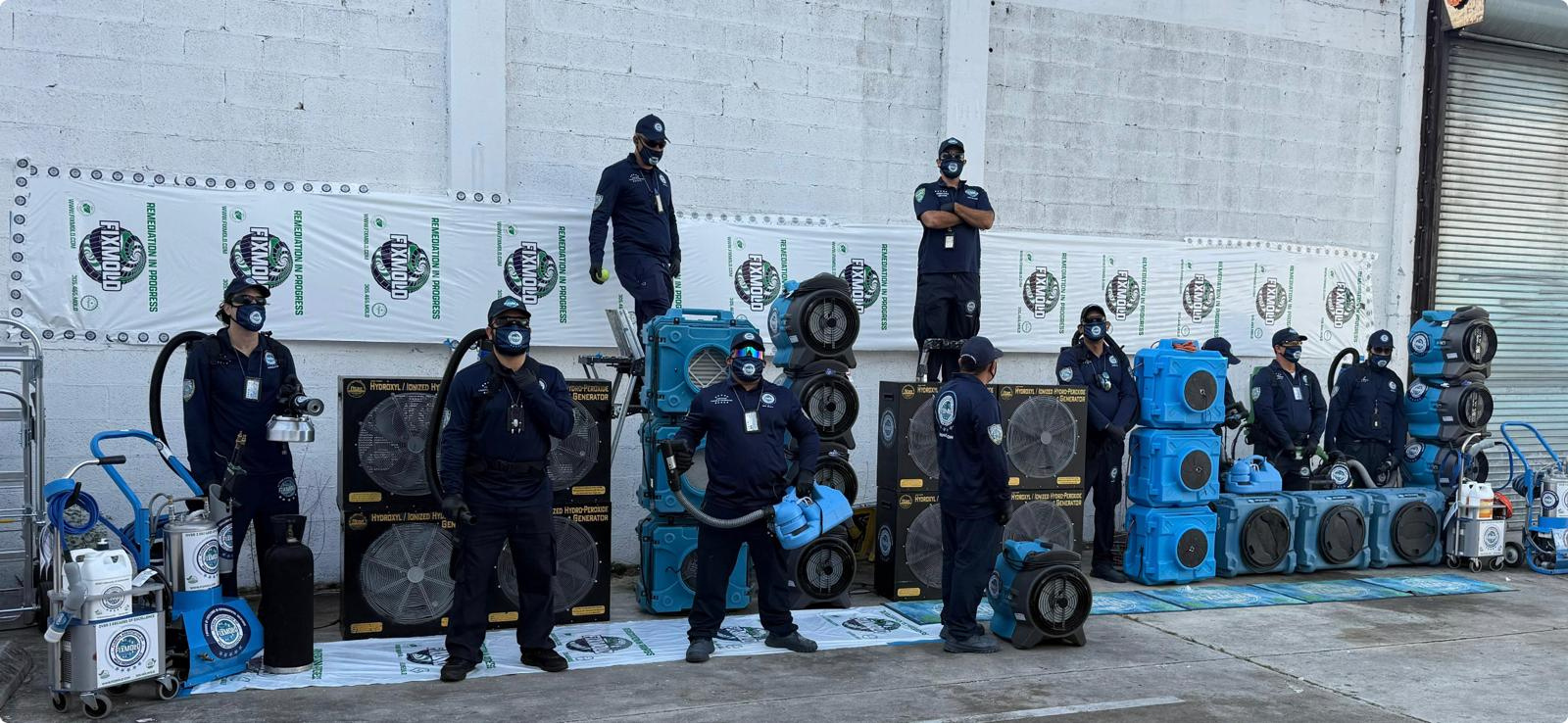
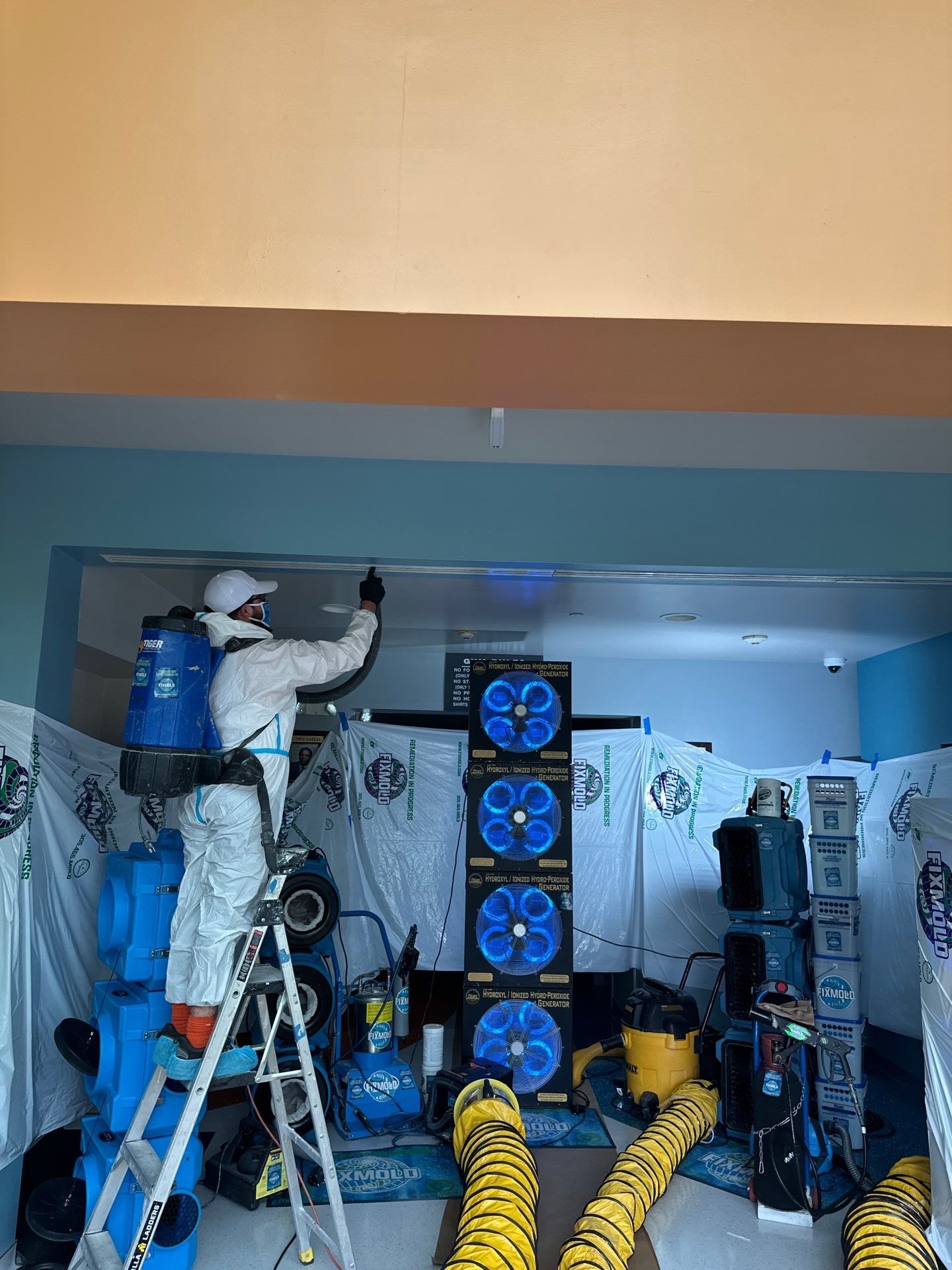
The approach is scoped to each aircraft rather than applied as a standard treatment. We coordinate with your maintenance provider so panels, seats and components are accessed and reinstalled according to the aircraft's procedures, and we keep work areas contained so particles don't spread.
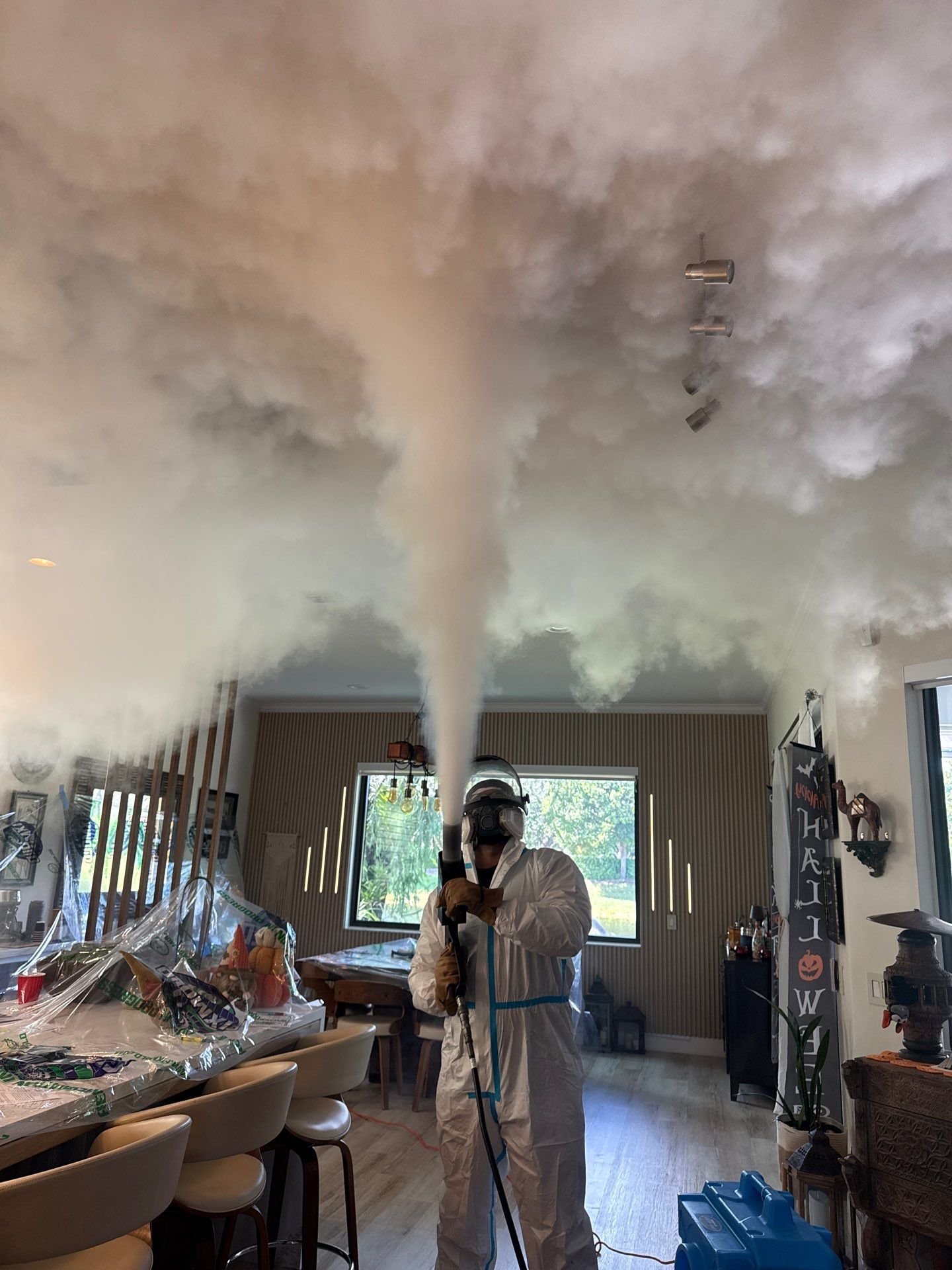
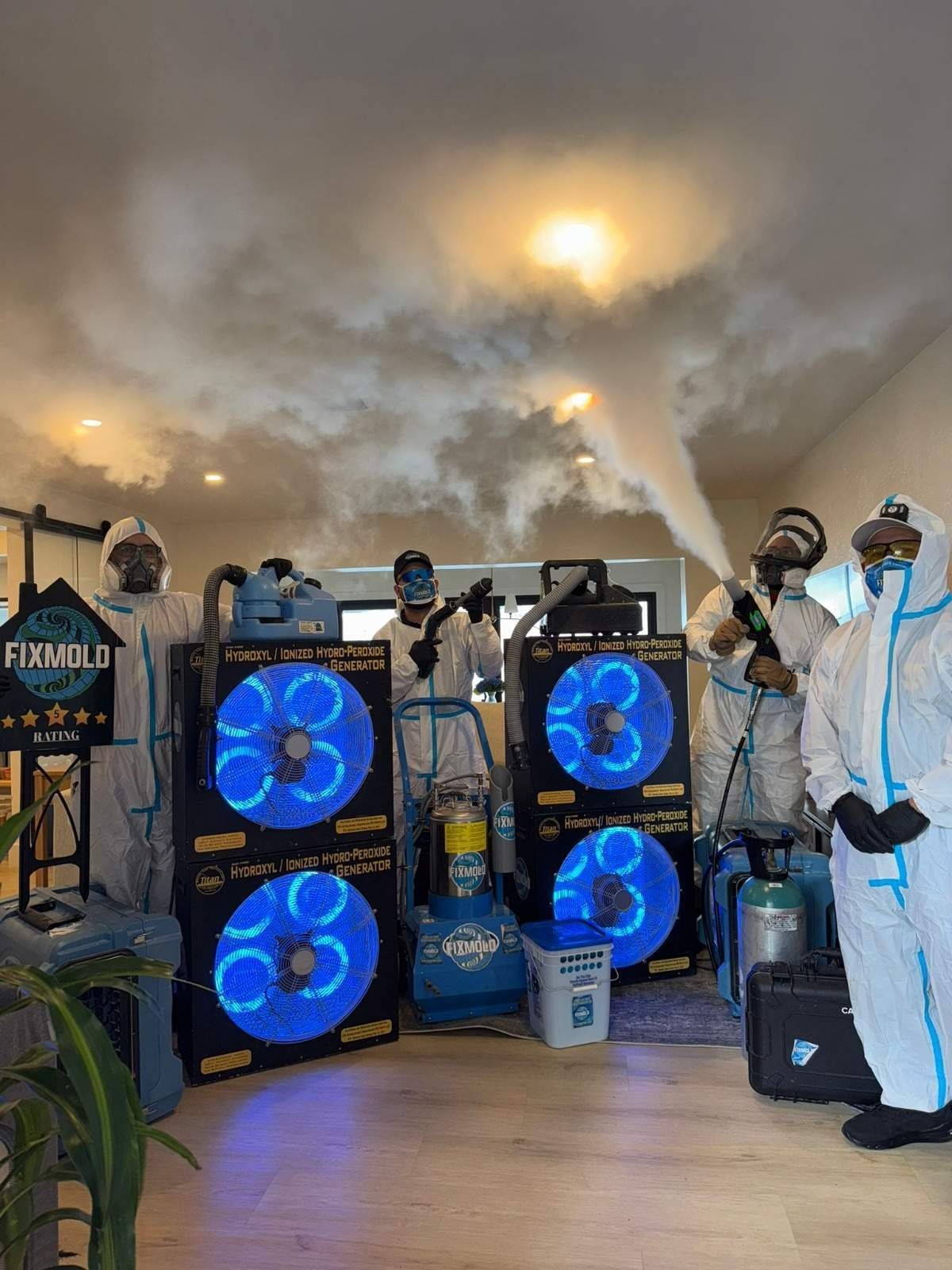
Products and equipment are selected for the materials involved and applied according to manufacturer instructions and the project protocol, with non-VOC and low-VOC options used where appropriate. HEPA-filtered air control reduces airborne particles during the work, and affected materials are cleaned, treated or removed depending on how far the contamination has reached, with moisture correction following so the problem is less likely to return.
We do not treat sensitive avionics or electrical components without maintenance-team direction, and where appropriate, post-remediation verification confirms the result.
It can. Mold and moisture-related contamination can change cabin air quality through airborne spores, fragments and odor compounds, and the effects vary with the person, the type of mold and the extent of exposure. For many people the response is mild, such as irritation or allergy-like symptoms, though people with asthma, weakened immune systems or chronic lung conditions may be more sensitive and should speak with a healthcare professional about persistent symptoms.
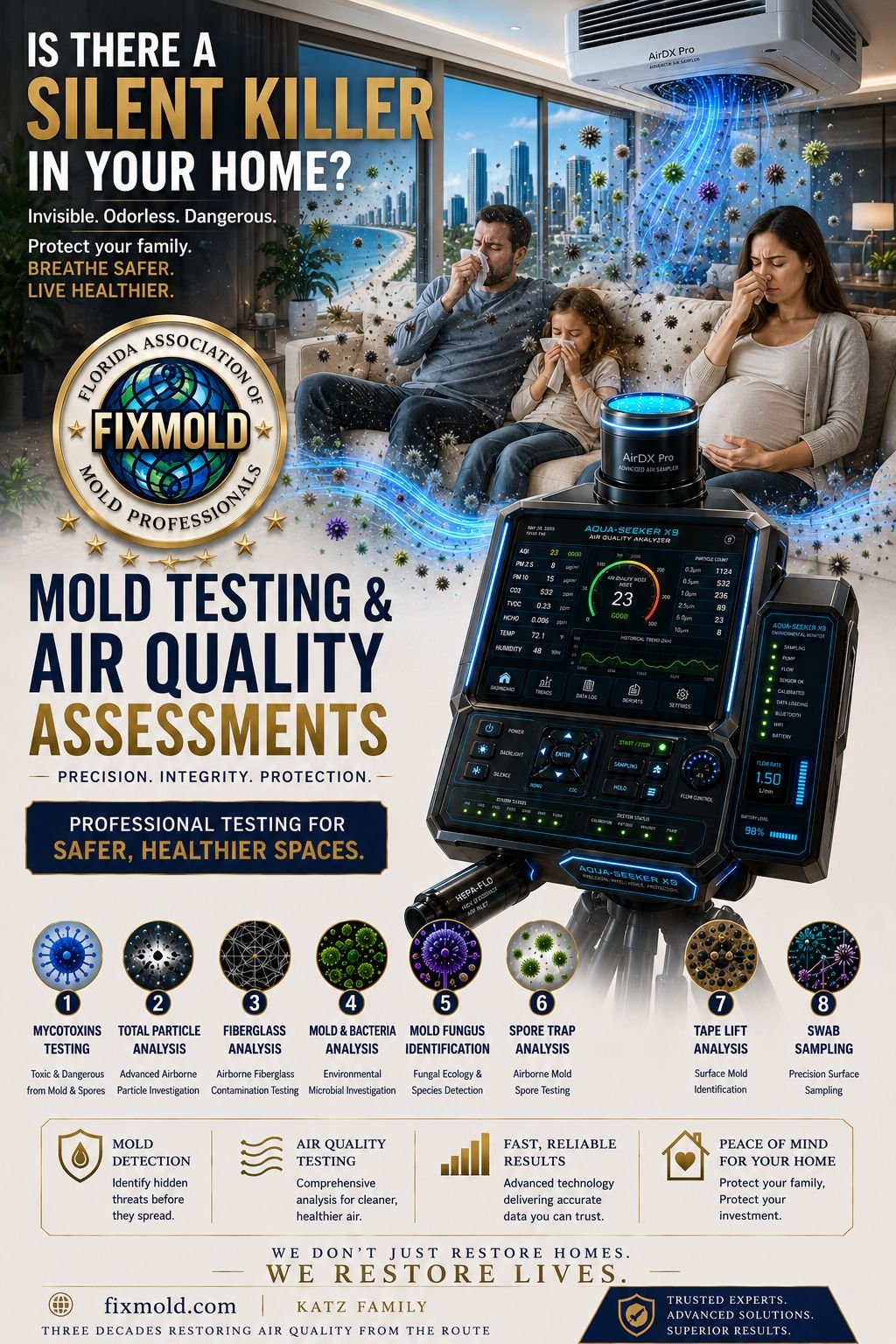
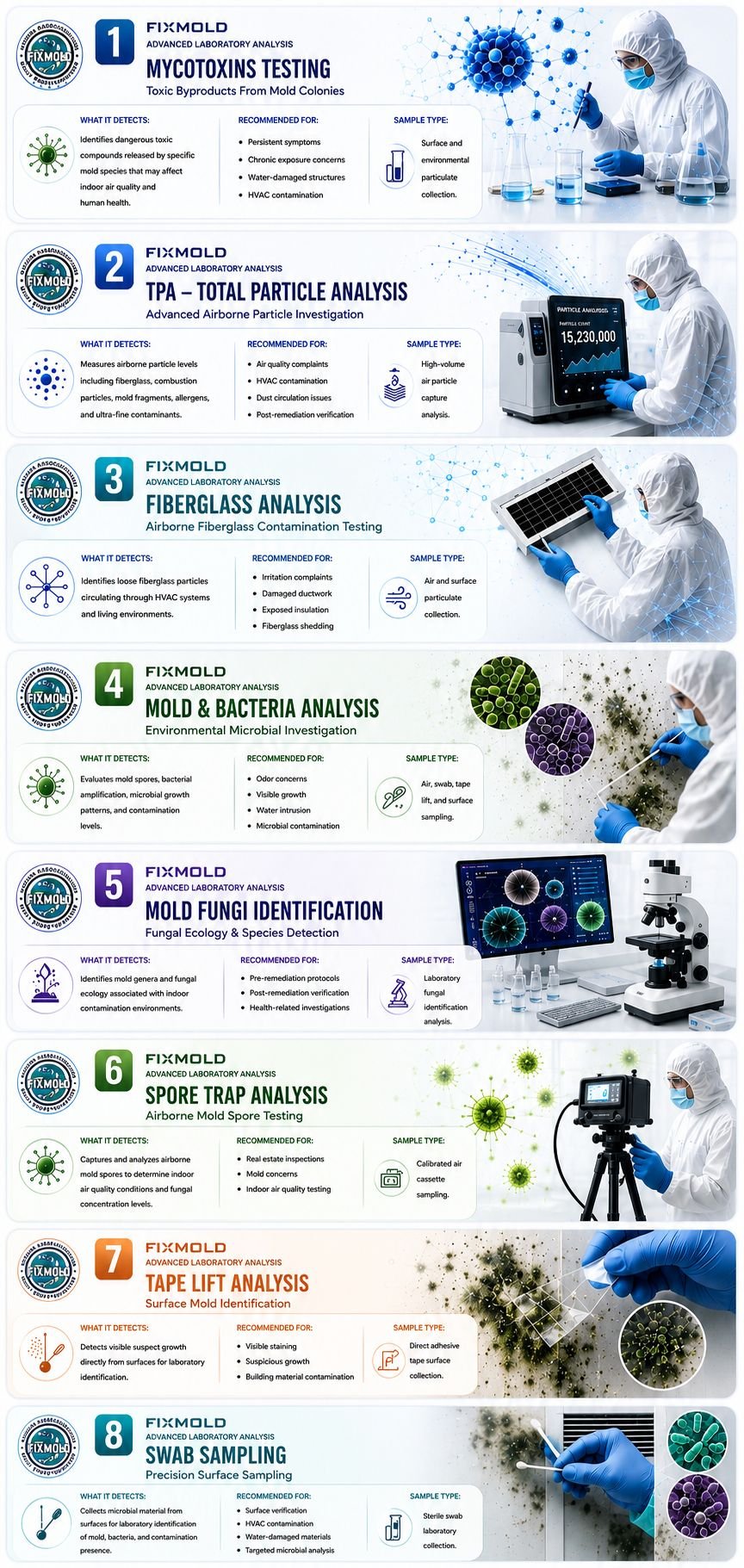
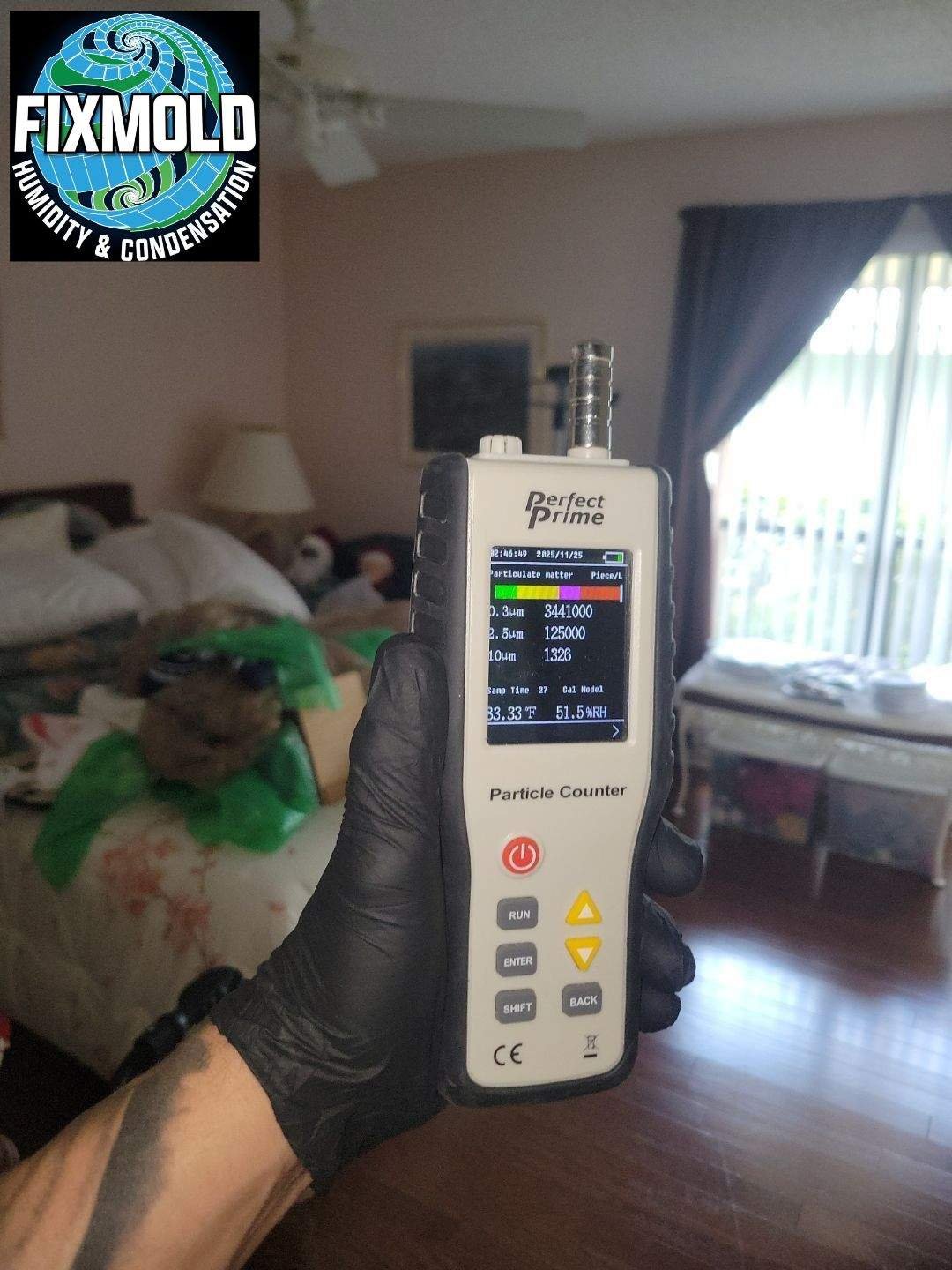
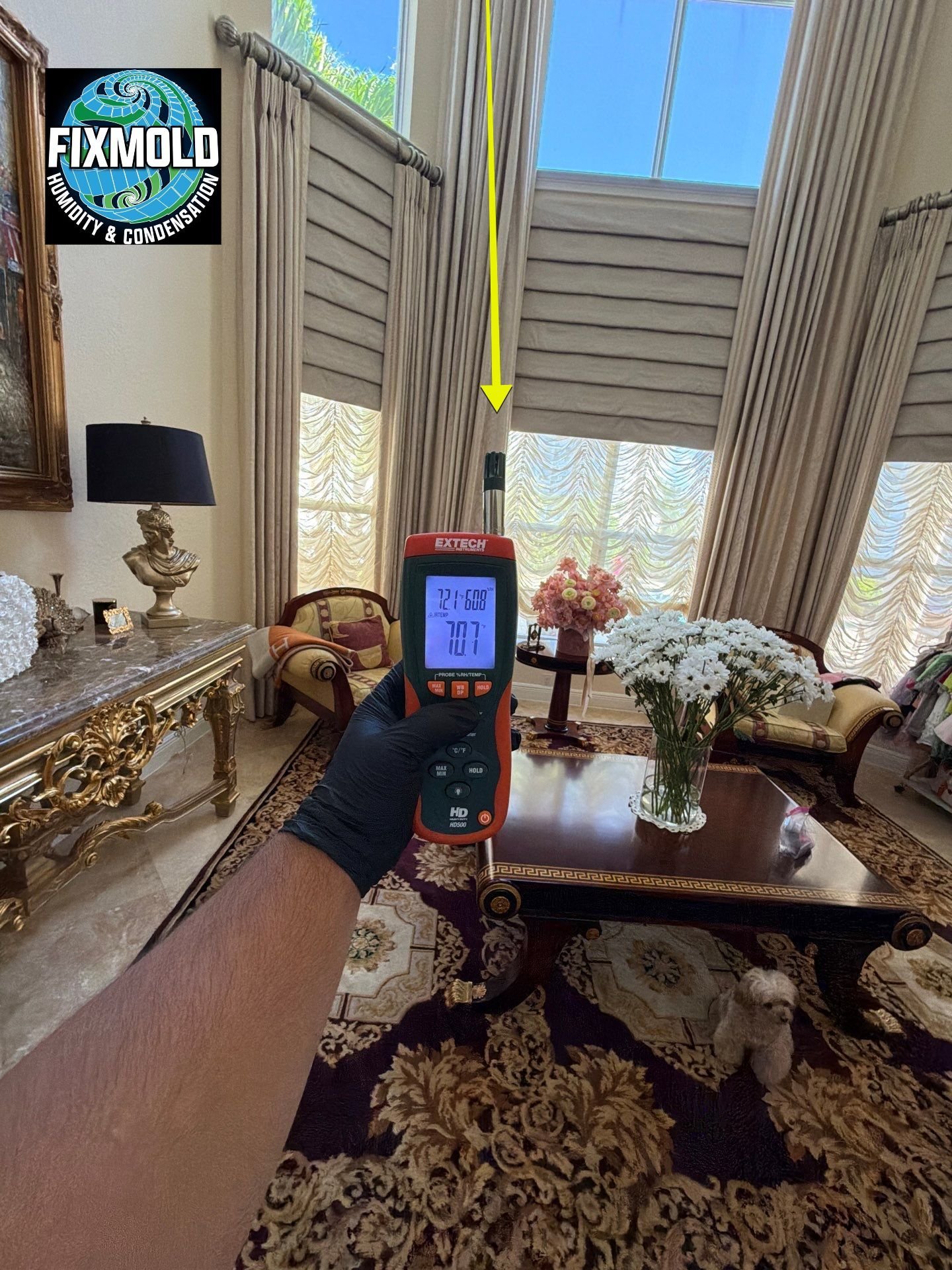
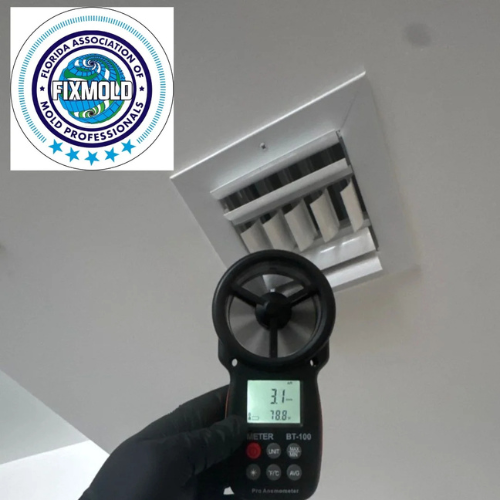
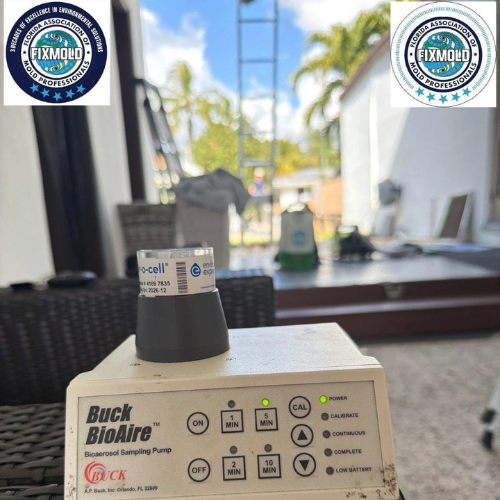
Symptoms alone cannot determine whether a mold problem exists, which is why testing matters, air and surface sampling analyzed by an independent laboratory, together with humidity and particle readings, gives a factual picture of cabin conditions.
For flight crews who spend long hours in the same enclosed space, knowing exactly what is in the cabin air is more useful than guessing from smell.

Prevention comes down to controlling moisture. Keep hangar humidity as low as practical, ventilate and run the cabin air system periodically during storage, and avoid closing a damp cabin for long stretches.
Repair lavatory, galley and window-seal leaks promptly, and dry the interior after storms, washdowns and cleaning. Inspect the hangar itself for roof leaks and condensation, since building conditions affect every aircraft inside, and for aircraft that sit for long periods, scheduled inspections catch problems while they are small.
Remote environmental monitoring can track humidity and temperature in the cabin or hangar and alert you when conditions drift, which is helpful for owners who are not on site every day. If mold has already been removed, keeping the moisture source corrected is what determines whether the problem stays gone.
Call or text