| Factor | Fixed-Wing Aircraft | Helicopter |
|---|---|---|
| Cabin size | Larger, more airflow when parked | Smaller, tighter, less airflow |
| Door cycling | Fewer door opens per flight hour | Frequent door opens, especially tours/EMS |
| Typical basing | Hangar or ramp | Often coastal helipads, direct salt-air exposure |
| Flight pattern | Fewer, longer flights | Multiple short flights per day (tours, EMS) |
| Cleaning frequency | Periodic | Frequent, sometimes multiple times daily (EMS) |
| Cause | Why It Matters |
|---|---|
| Salt-laden coastal air | Settles into seals, upholstery and panels faster than inland operation |
| Frequent door cycling | Tour and charter helicopters open/close doors many times per flight day |
| Tight cabin geometry | Less airflow means moisture has fewer paths to dry out |
| EMS cleaning cycles | Frequent disinfection introduces moisture that may not fully dry between uses |
| Skid and belly-pan exposure | Salt spray during coastal operation affects lower aircraft surfaces |


View Our Reviews Accross All PlatformsΒ Here
Smaller, tighter cabins with less airflow, combined with frequent door cycling in humid coastal air, create more opportunities for moisture to settle in seals, floors and upholstery than in larger fixed-wing aircraft.

We do not treat avionics or electrical components without direction from your maintenance provider. Work near sensitive equipment follows the aircraft's own maintenance procedures.
Timing depends on the extent of the issue and the aircraft's schedule. Because helicopter turnaround windows are often tighter than fixed-wing aircraft, remediation is scoped and scheduled to fit your operation β this is best discussed directly with our team.
Salt-laden humid air adds to moisture retention in seals, upholstery and exposed panels, which is why coastal-based helicopters are inspected for both moisture and corrosion-related concerns together.

Reactions to mold exposure vary by individual, and people with respiratory conditions or weakened immune systems may be more sensitive β see mold and the immune system for more detail.
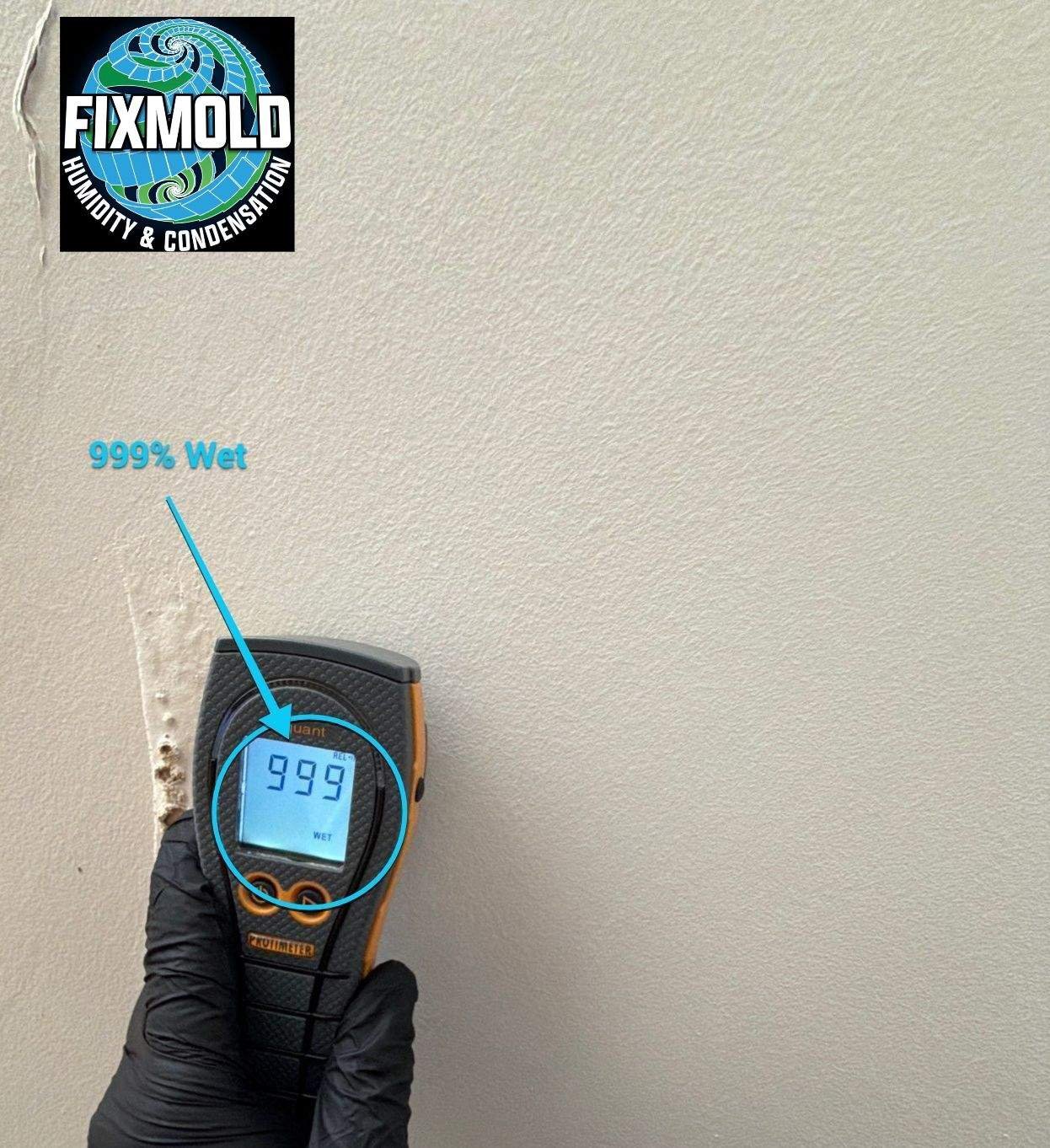
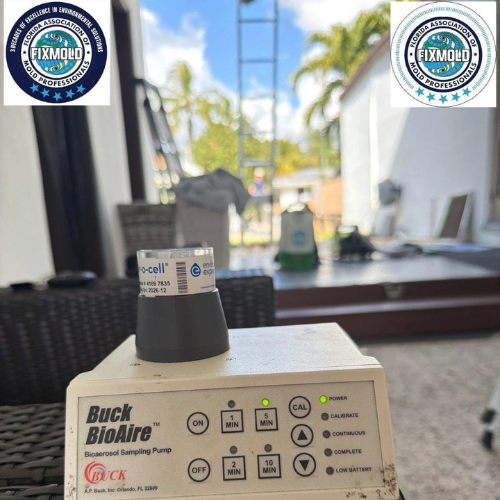
Not necessarily. Fuel odor, cleaning product residue, and general cabin wear can smell similar to early mold growth. An inspection with moisture detection β and lab sampling when warranted β confirms whether mold is actually present.
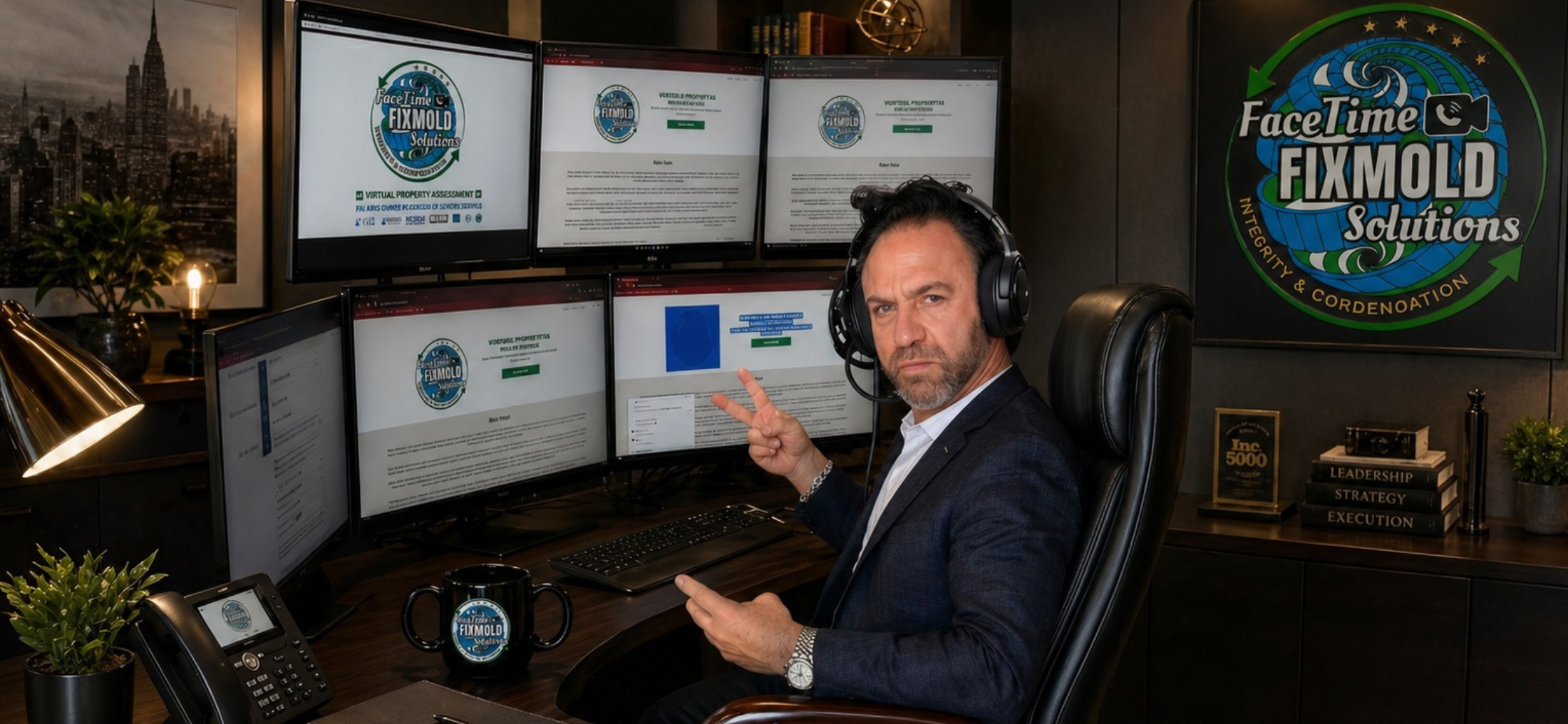
Yes. FixMold offers FaceTime Mold Solutions, a free virtual consultation where you can show a technician what you're seeing before committing to an in-person visit.
Cost depends on the aircraft's size, the extent of the issue, and whether lab sampling is included. Contact us directly for a quote based on your specific helicopter.
Not necessarily. Fuel odor, cleaning product residue, and general cabin wear can smell similar to early mold growth. A proper inspection uses moisture detection β and lab sampling when warranted β to confirm whether mold is actually present rather than guessing from smell alone.
Coastal basing and salt-laden humid air create more consistent moisture exposure than inland operation. How often a specific helicopter should be inspected depends on its basing, usage and cleaning frequency β worth discussing directly with our team.
Yes. FixMold offers FaceTime Mold Solutions, a free virtual consultation where you can show a technician what you're seeing before committing to an in-person visit.