Important Health Notice: FixMold evaluates buildings and indoor environmental conditions. FixMold does not diagnose disease, determine the medical cause of symptoms, prescribe medication or provide medical treatment. Environmental findings should be discussed with a qualified healthcare professional when health symptoms are involved.
MOLD EXPOSURE & COMMON SYMPTOMS
Some people exposed to damp or moldy environments may experience nasal congestion, sneezing, sore throat, coughing, wheezing, irritated or watery eyes, or skin irritation. People with asthma or mold allergies may experience stronger reactions. Other people may experience no noticeable symptoms at all.
1. What symptoms can be associated with damp or moldy indoor environments?
Some people exposed to damp or moldy environments may experience nasal congestion, sneezing, sore throat, coughing, wheezing, irritated or watery eyes, or skin irritation. People with asthma or mold allergies may experience stronger reactions. Other people may experience no noticeable symptoms at all.
2. Can mold cause coughing?
Mold and damp indoor environments can be associated with coughing and other respiratory symptoms, particularly in people who are sensitive or have asthma. A cough can have many possible causes, however, so environmental findings cannot establish the medical cause of an individual's cough.
3. Can mold cause wheezing?
Yes, mold exposure can be associated with wheezing, and mold can trigger asthma symptoms in susceptible individuals.
4. Can mold make asthma worse?
Research shows an association between damp indoor environments and worsening asthma symptoms. CDC also identifies mold as a possible asthma trigger.
5. Can mold cause nasal congestion or a runny nose?
Mold-allergic individuals may experience nasal stuffiness, runny nose, sneezing and other allergy-like symptoms.
6. Can mold cause itchy or watery eyes?
Yes. Red, itchy or watery eyes are among the allergic reactions reported by some mold-sensitive individuals.
7. Can mold cause throat irritation?
Mold and damp environments may irritate the nose, throat and respiratory tract in some individuals.
8. Can mold cause skin irritation?
Some people may develop a rash or other skin reaction after exposure or contact with mold.
9. Does everyone react to mold the same way?
No. Reactions vary significantly. Some people experience allergies or respiratory irritation, people with asthma may experience worsening symptoms, and others may have no noticeable reaction.
10. Can symptoms start immediately after mold exposure?
Allergic reactions to mold may occur immediately or may be delayed.
ASTHMA, ALLERGIES & RESPIRATORY REACTIONS
11. How can I tell whether mold is triggering my asthma?
A healthcare professional should evaluate asthma symptoms. From the environmental side, FixMold can investigate moisture, visible mold, HVAC conditions and indoor-air-quality concerns that may represent potential environmental triggers. CDC notes that mold can trigger asthma attacks.
12. Can mold affect someone who is not allergic to mold?
Yes. Mold may irritate the eyes, skin, nose, throat or lungs even in people who do not have a diagnosed mold allergy.
13. What is a mold allergy?
A mold allergy occurs when a person's immune system reacts to mold allergens. Symptoms can include sneezing, nasal congestion, runny nose, itchy or watery eyes and skin reactions. Medical diagnosis should be performed by a healthcare professional.
14. Can mold cause chest tightness?
Chest tightness is a recognized asthma symptom, and mold can be an asthma trigger. Chest symptoms should be medically evaluated, particularly when new, significant or accompanied by difficulty breathing.
15. Why might someone feel better when they leave a building?
For some people with environment-related asthma or sensitivities, symptoms can change when exposure conditions change. This pattern can provide useful information to a healthcare professional and can also be relevant during an environmental investigation.
ASPERGILLUS & HEALTH QUESTIONS
16. What is Aspergillus?
Aspergillus is a common mold found throughout the environment. Most people breathe Aspergillus spores regularly without developing illness.
17. Does finding Aspergillus in my house mean I have aspergillosis?
No. An environmental Aspergillus finding does not diagnose aspergillosis. Most people exposed to Aspergillus do not develop an infection.
18. Who is at greater risk from Aspergillus?
People with significantly weakened immune systems and certain underlying lung diseases have greater risk for serious aspergillosis.
19. What symptoms can occur with aspergillosis?
Different forms of aspergillosis have different symptoms. Cough and shortness of breath are common, while some forms may involve wheezing, fever, sinus symptoms, fatigue, chest pain or coughing up blood. This is a medical condition requiring professional diagnosis.
20. Can FixMold diagnose Aspergillus infection?
No. FixMold can investigate and document Aspergillus or other fungal findings in the environment. Infection or illness must be diagnosed and treated by a qualified healthcare professional.
PENICILLIUM, CLADOSPORIUM & OTHER MOLDS
21. What does Aspergillus/Penicillium on an air test mean?
Environmental laboratories commonly report Aspergillus/Penicillium-like spores as a category using certain microscopy methods. The result should be interpreted with the sampling location, outdoor comparison, moisture conditions and inspection findings—not as a medical diagnosis.
22. Can Penicillium cause allergy-type reactions?
Mold-sensitive individuals may experience allergy or respiratory symptoms in moldy environments, but an environmental Penicillium result cannot establish that it caused a particular person's symptoms.
23. What does Cladosporium on my mold report mean?
Cladosporium is commonly found outdoors as well as indoors. Its significance depends on the overall indoor/outdoor pattern, moisture findings and building conditions.
24. Is Stachybotrys more dangerous because it is called “black mold”?
Color alone does not determine health risk. EPA recommends addressing indoor mold by correcting the moisture source and cleaning or remediating mold growth rather than relying only on the species or color.
25. What does Chaetomium on a mold report mean?
Chaetomium can occur in connection with moisture-affected cellulose materials. Its presence can be useful environmental information, but it does not diagnose a health condition.
HEADACHES, FATIGUE & NONSPECIFIC SYMPTOMS
26. Can mold cause headaches?
Headaches have many possible causes. Major public-health guidance most consistently associates damp/moldy environments with allergic, respiratory and irritant effects. An environmental mold finding alone should not be used to conclude that mold caused someone's headache.
27. Can mold cause fatigue?
Fatigue is nonspecific and can result from many medical or lifestyle conditions. Certain fungal illnesses can involve fatigue, but ordinary environmental testing cannot establish that household mold is the medical cause.
28. Can mold cause dizziness?
Dizziness has many possible causes and should not be diagnosed from a mold test. If someone is experiencing persistent dizziness, they should discuss it with a healthcare professional.
29. Can mold cause brain fog?
“Brain fog” is not a specific medical diagnosis, and an environmental mold result cannot prove its cause. FixMold can investigate the building while the individual's healthcare professional evaluates symptoms.
30. Why does FixMold avoid claiming that mold caused a client's symptoms?
Because environmental testing identifies conditions in a building, not the medical cause of illness. CDC notes that reactions to mold differ substantially among individuals.
CHILDREN, OLDER ADULTS & HIGHER-RISK OCCUPANTS
31. Are children more sensitive to mold?
Children with asthma, allergies or other respiratory conditions may be more sensitive to damp or moldy environments. CDC also advises that children should not participate in disaster mold cleanup.
32. What if my child has coughing or wheezing and we also found mold?
The child's symptoms should be discussed with a pediatric healthcare professional. Separately, the indoor moisture and mold condition should be investigated and corrected.
33. What if someone in the home has a weakened immune system?
CDC advises people with significant immune suppression to avoid buildings with visible or detectable mold growth and to avoid participating in mold cleanup.
34. What if someone has chronic lung disease?
People with chronic lung disease may have greater risk from certain fungal infections and should discuss mold-related concerns with their healthcare professional.
35. Should someone with severe asthma participate in mold cleanup?
CDC advises people with asthma or other lung conditions to avoid entering moldy or water-damaged buildings under certain circumstances, particularly following severe weather events.
MEDICAL TESTING VS ENVIRONMENTAL TESTING
36. Can an air test tell me whether mold is causing my symptoms?
No. Environmental air testing provides information about the building at the time and location sampled. It does not diagnose an individual's medical condition.
37. Can a swab test determine whether mold made someone sick?
No. A swab identifies material collected from a surface. It does not establish a medical cause-and-effect relationship.
38. Does a high mold spore count prove that a home is medically unsafe?
There is no universal federal health-based pass/fail concentration for indoor mold spores. Environmental results require interpretation with the inspection, moisture conditions and other evidence. CDC also notes that there are no set standards establishing acceptable quantities of different molds in homes.
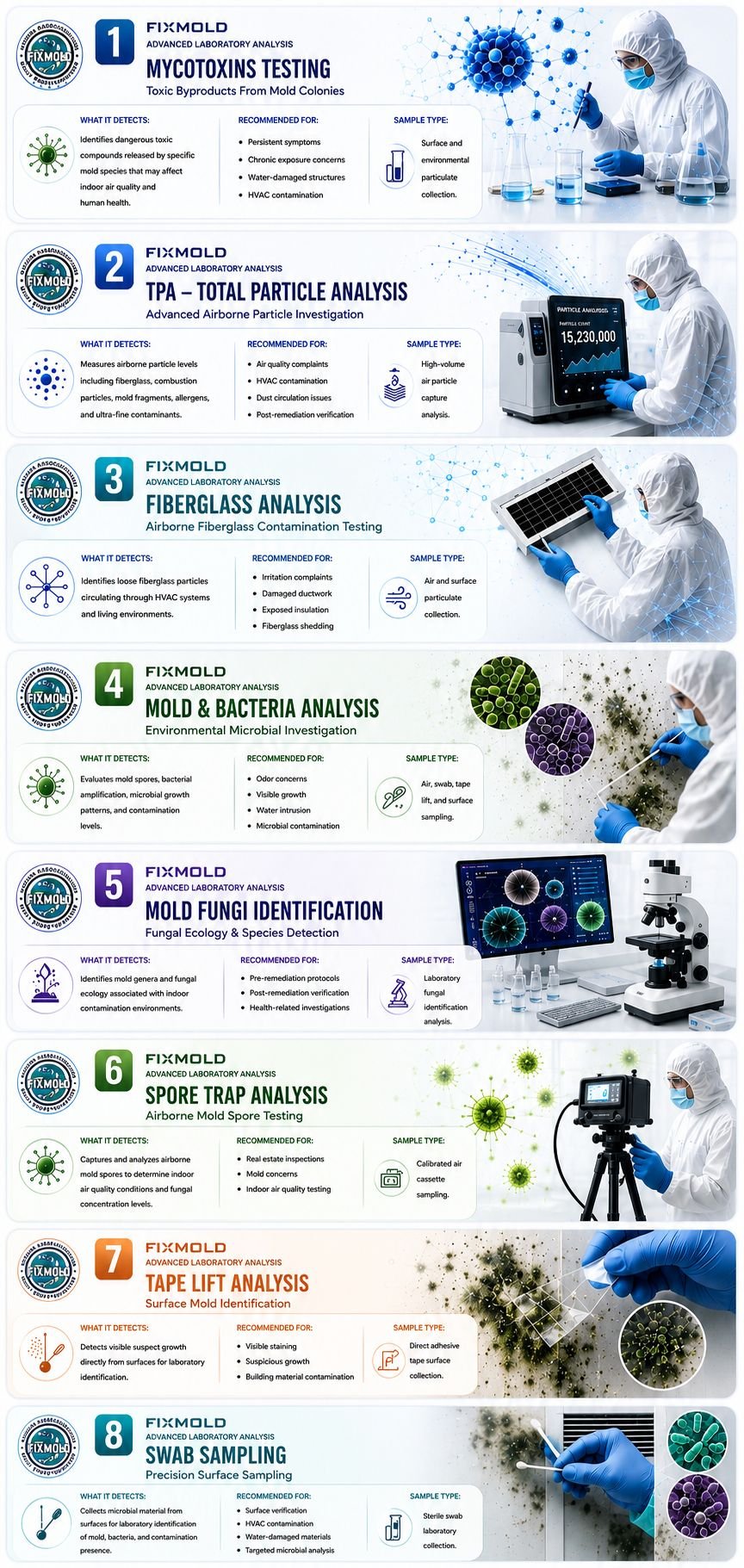
39. Can a mycotoxin environmental test diagnose mold toxicity?
No. An environmental mycotoxin result is not a medical diagnosis and cannot establish that a person's symptoms were caused by the measured substance.
40. What information should I bring to my doctor if I am concerned about my home?
A client may choose to bring their environmental inspection report, moisture findings, laboratory results, timeline of water damage and information about when and where symptoms occur. Their healthcare professional can decide what information is medically relevant.
MOLD HEALTH “TREATMENT”
41. Does FixMold treat people for mold exposure?
No. FixMold treats the environment—not the patient. Medical diagnosis, medication and treatment belong to licensed healthcare professionals.
42. What does environmental treatment mean?
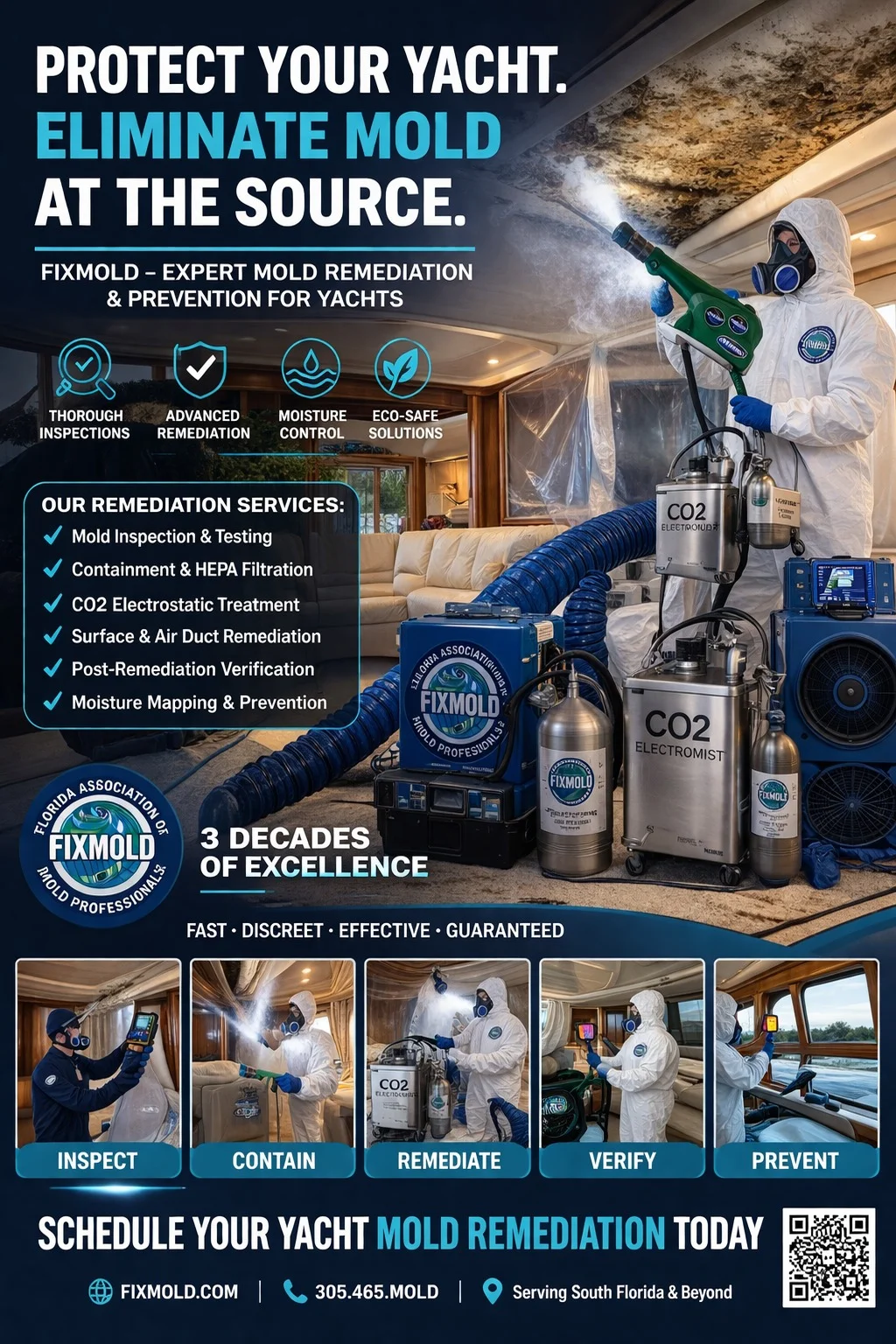
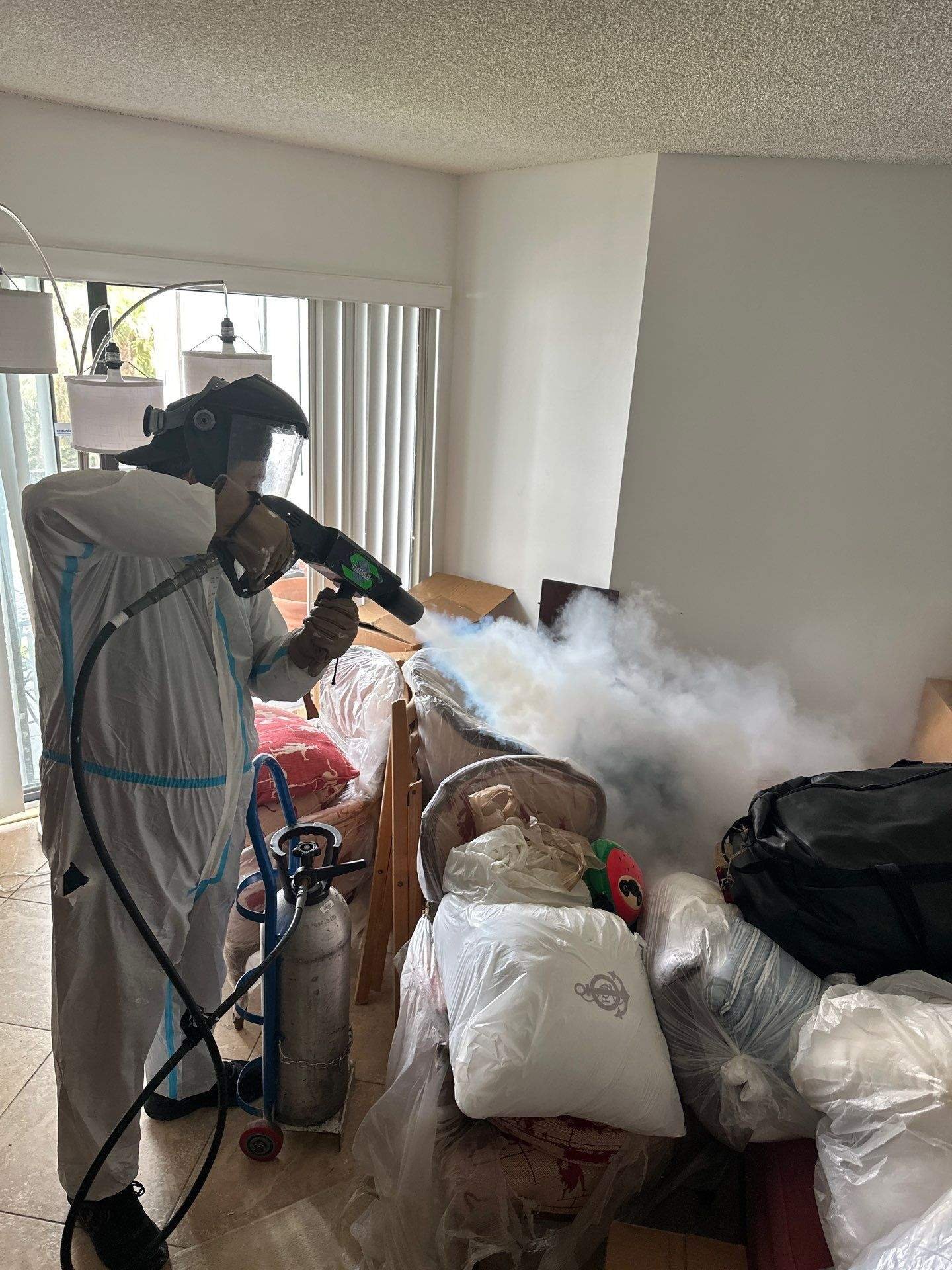
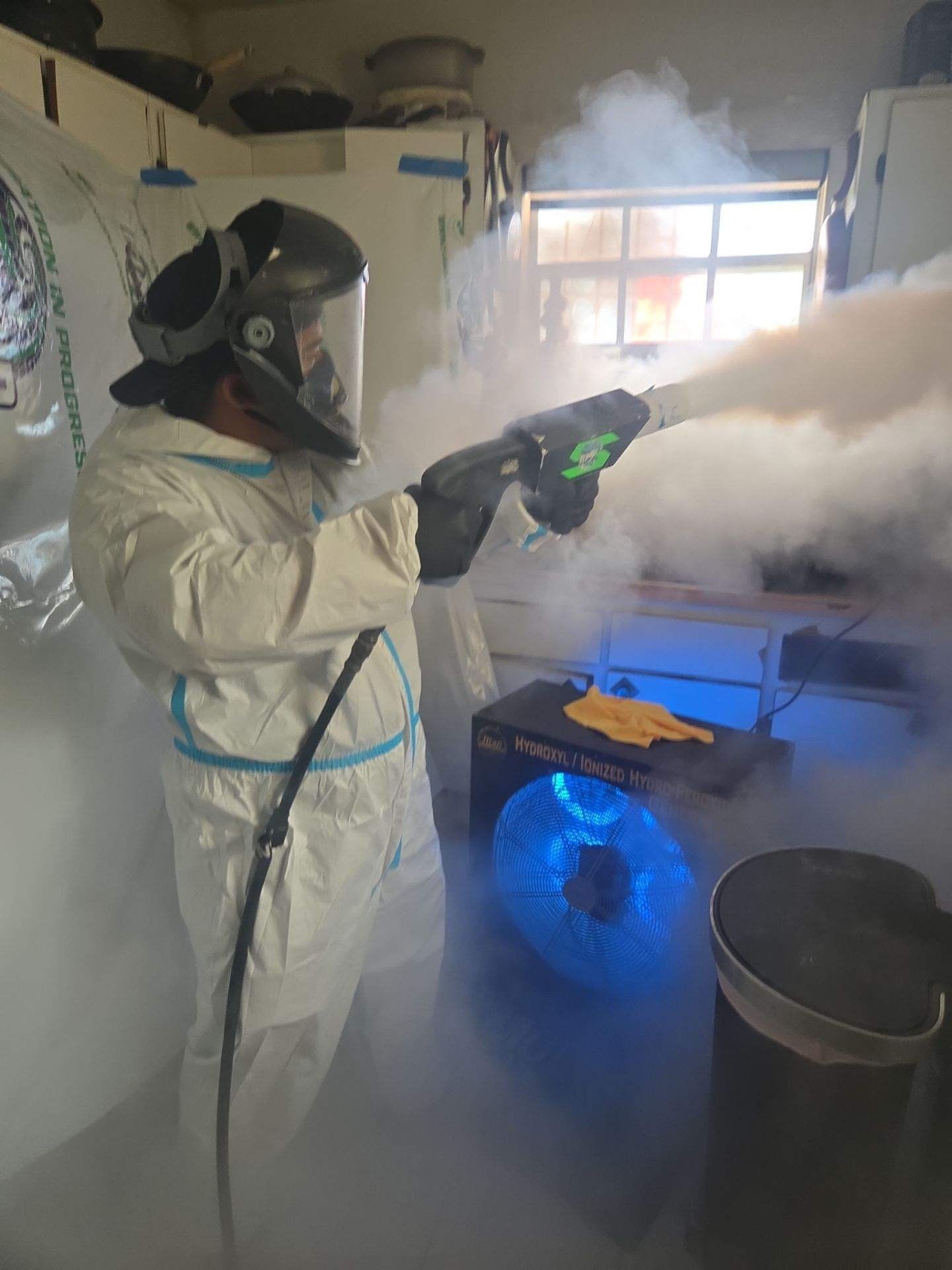
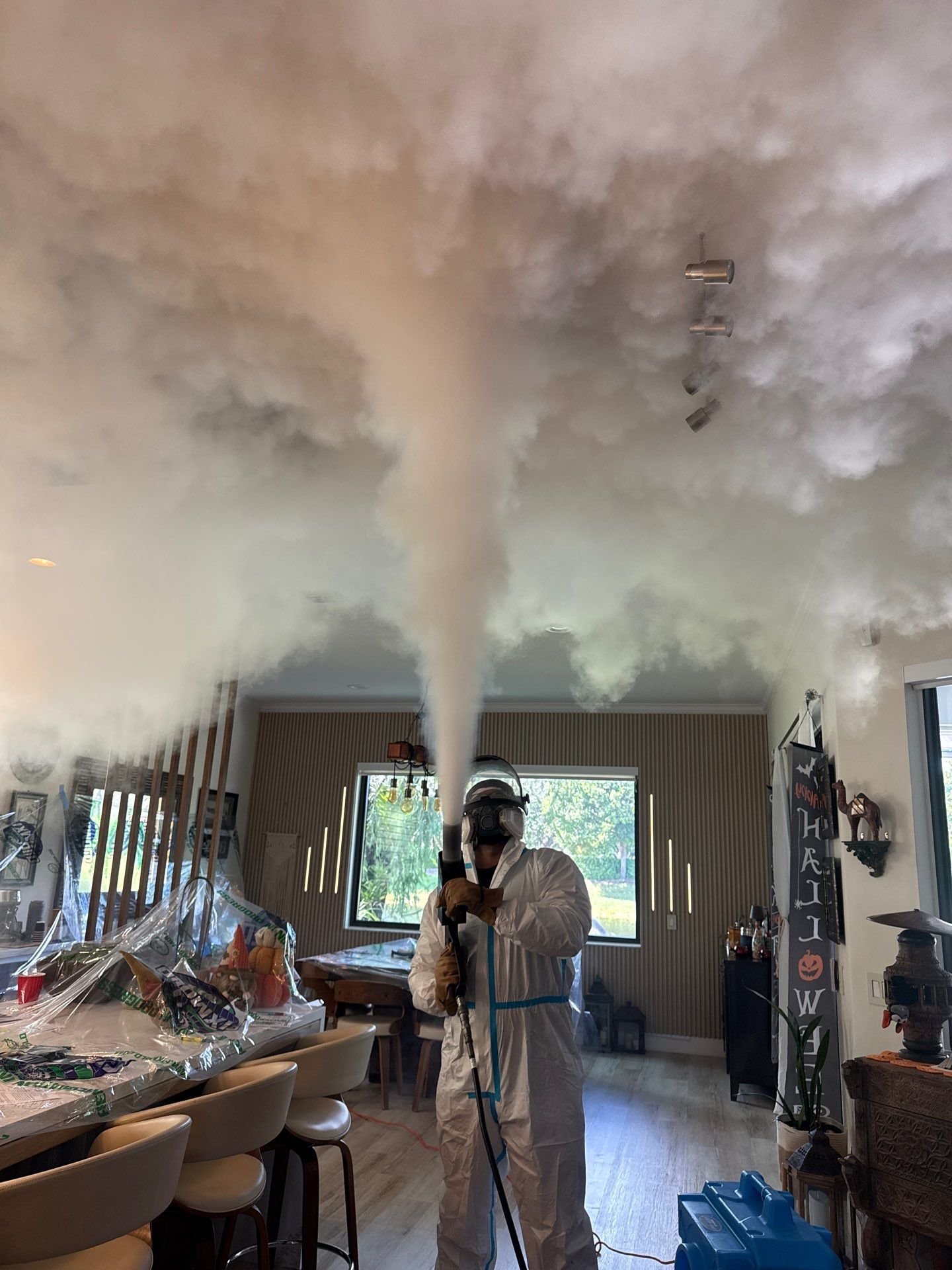
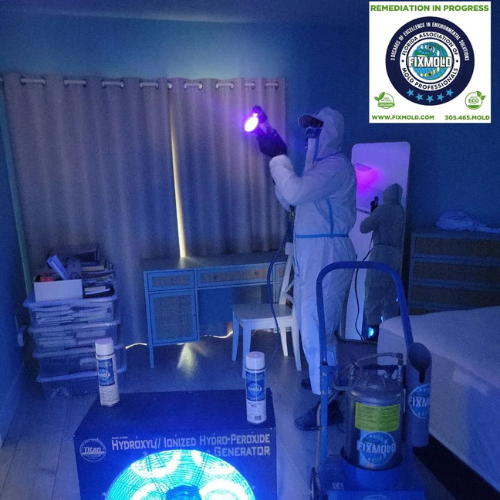
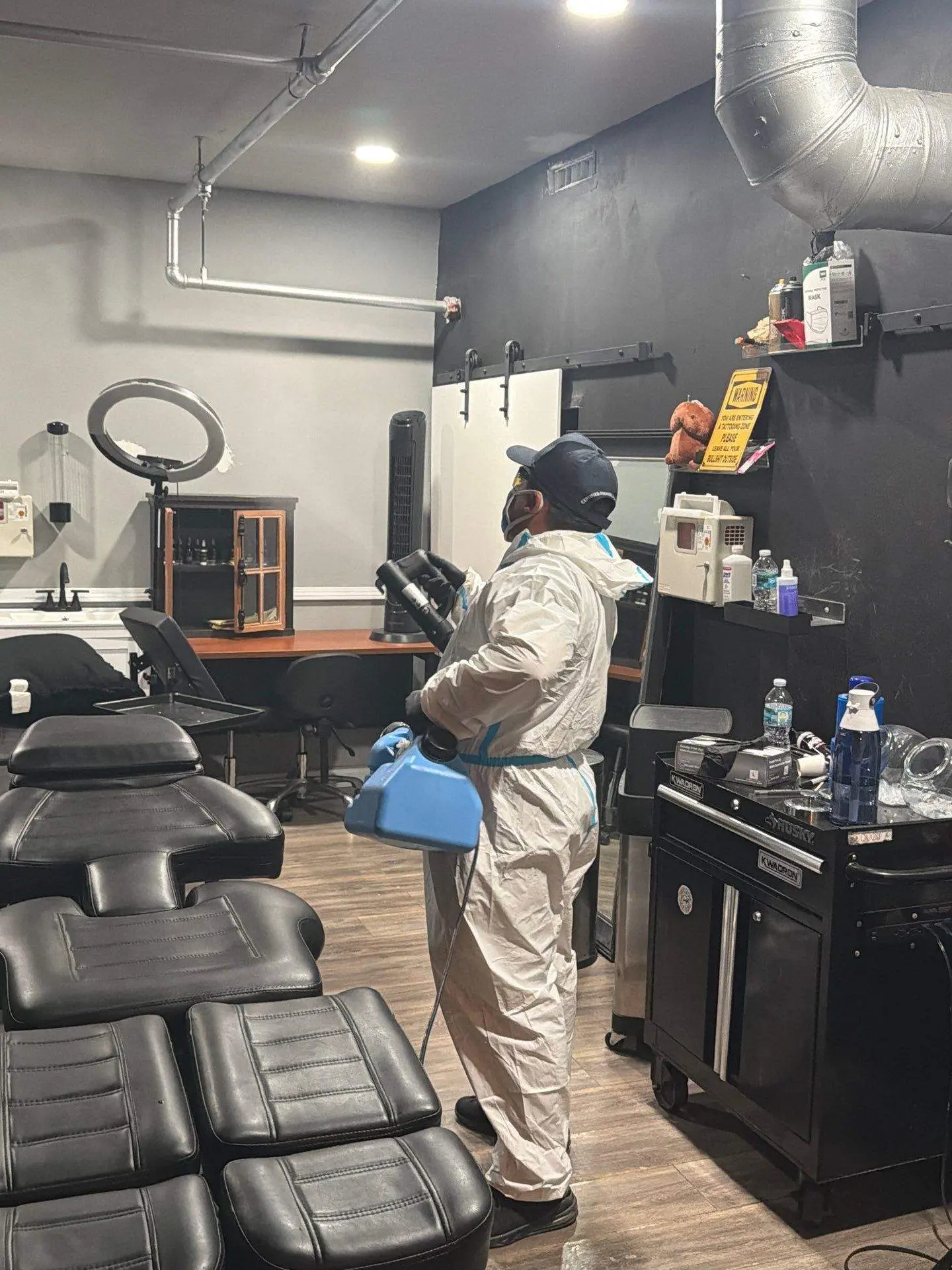
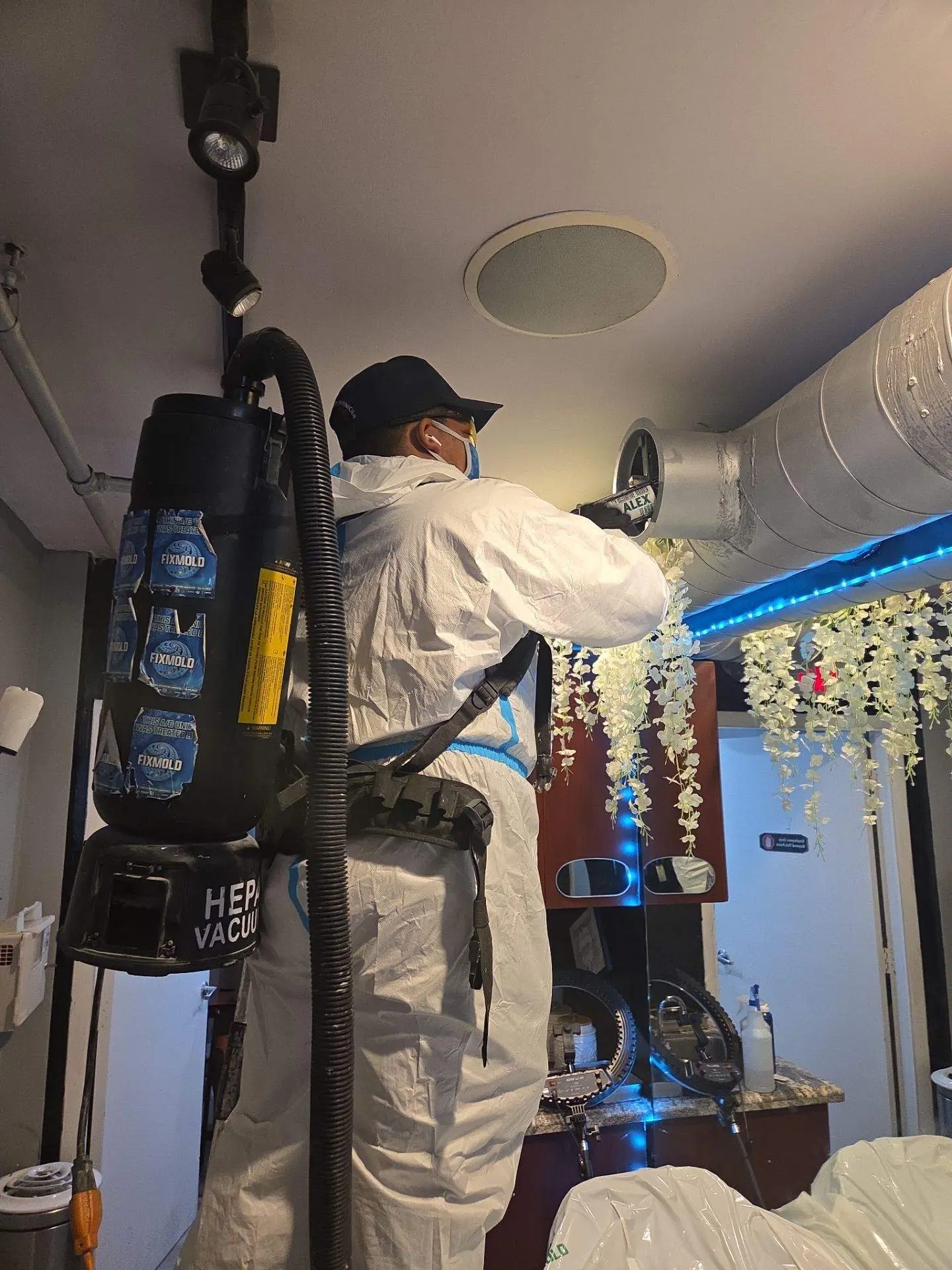
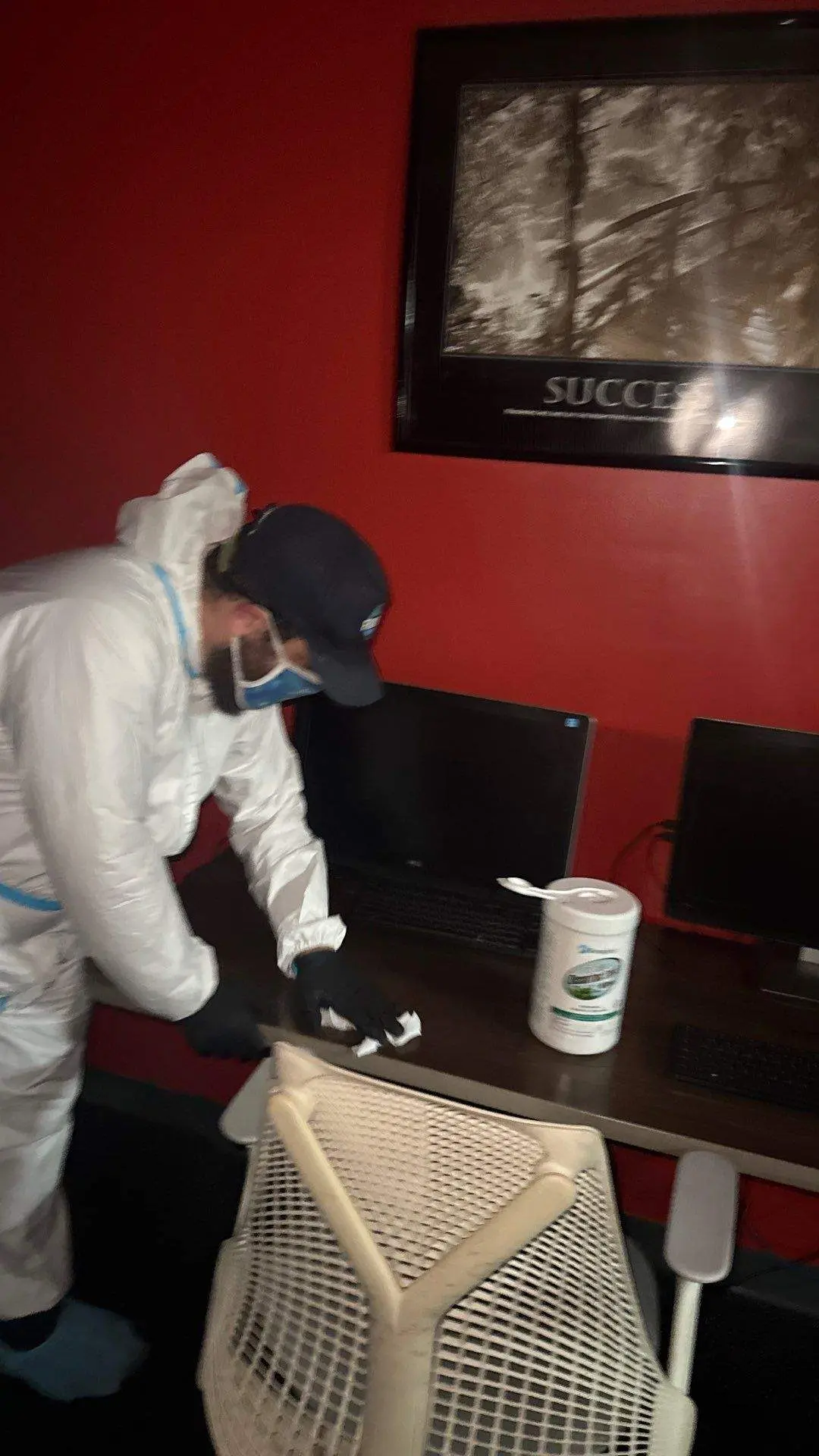
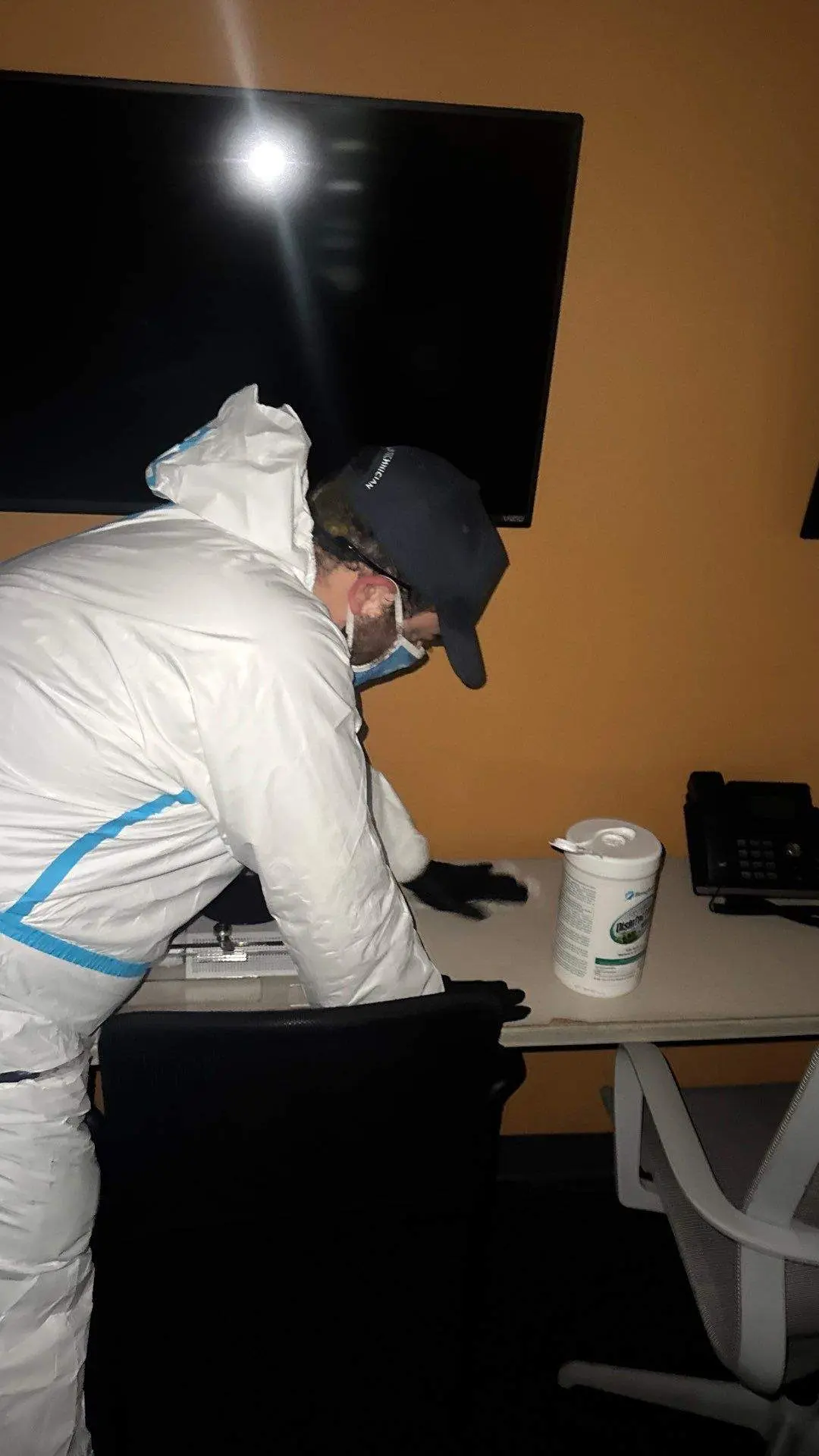
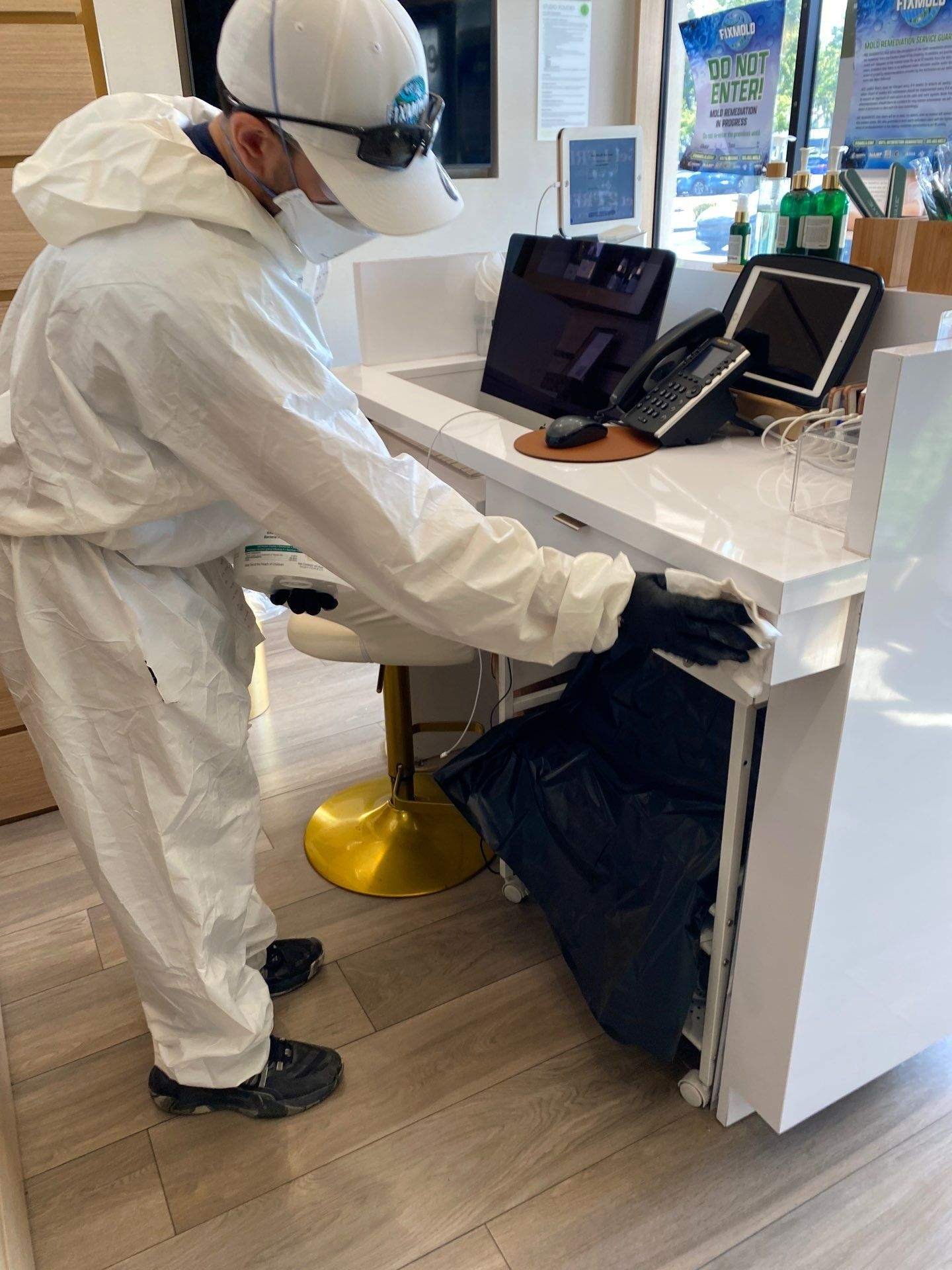
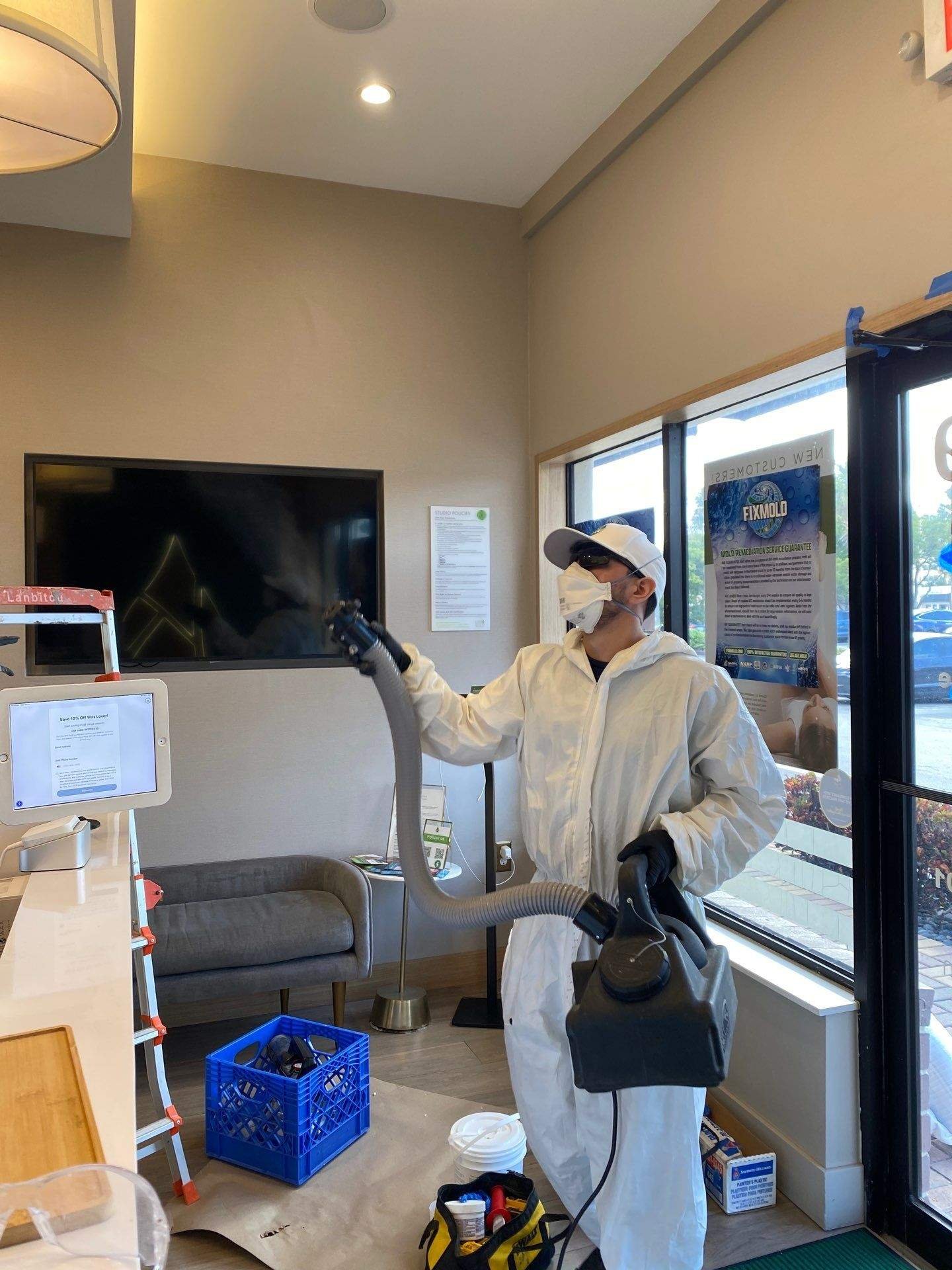
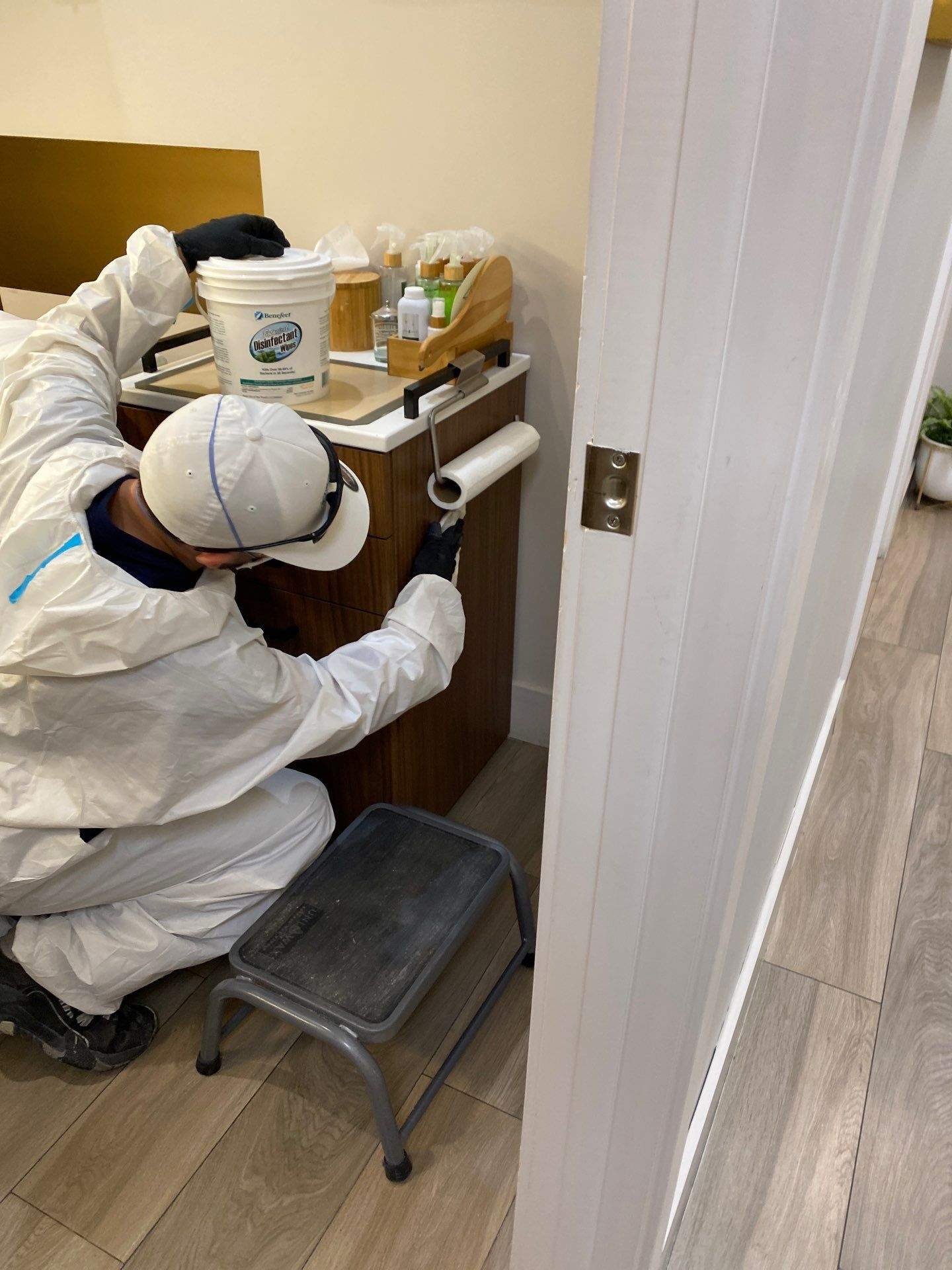
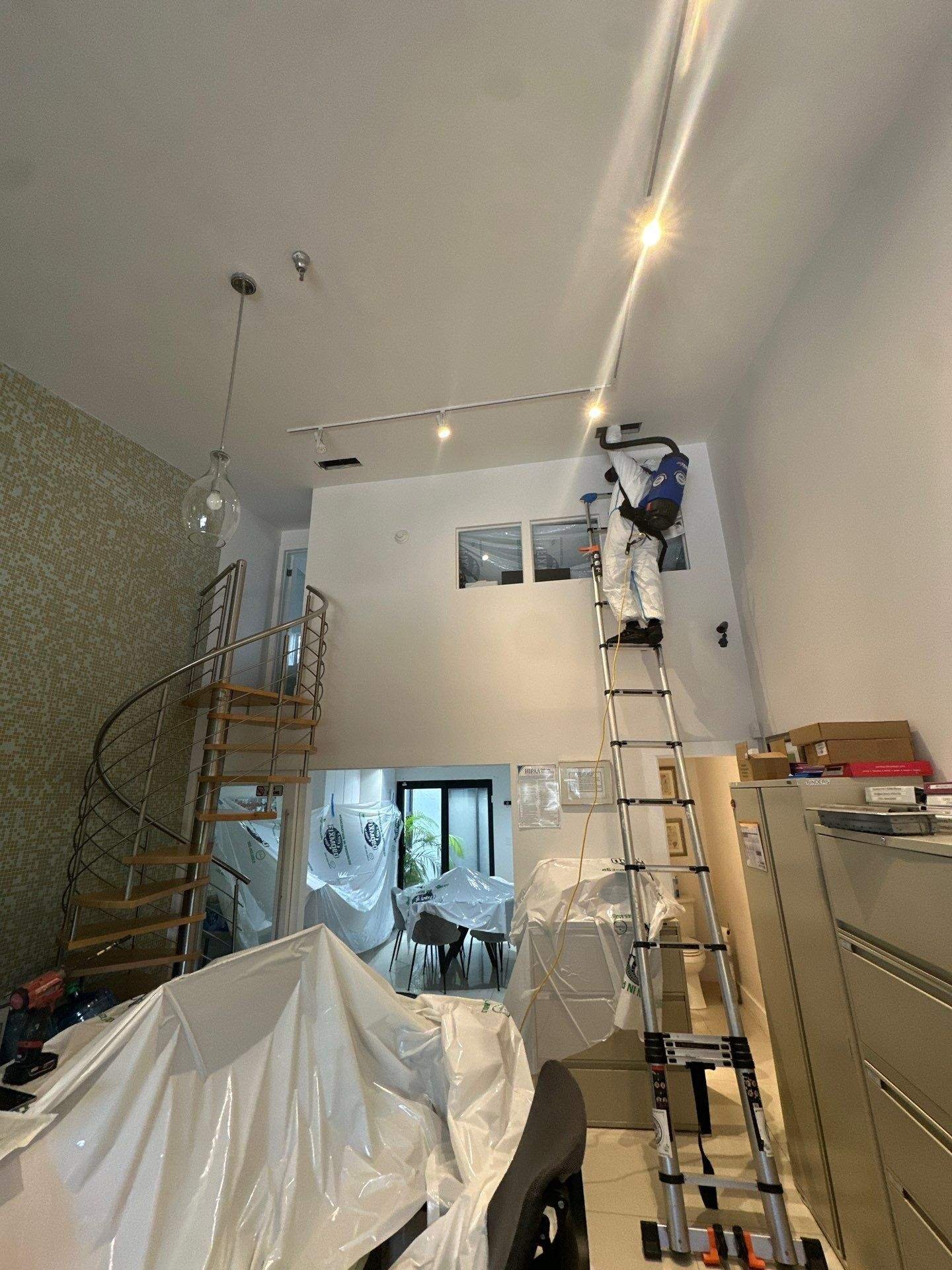
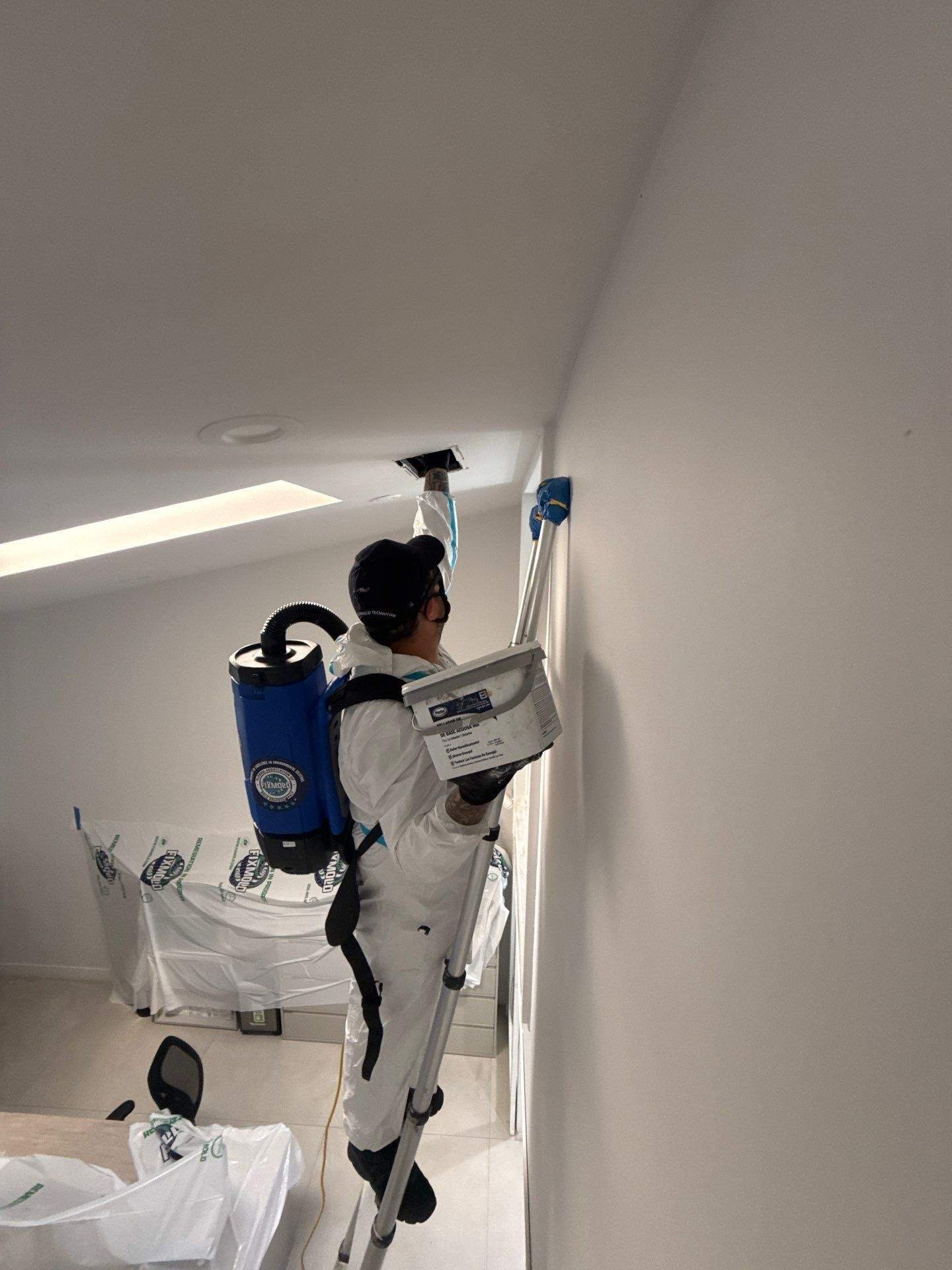
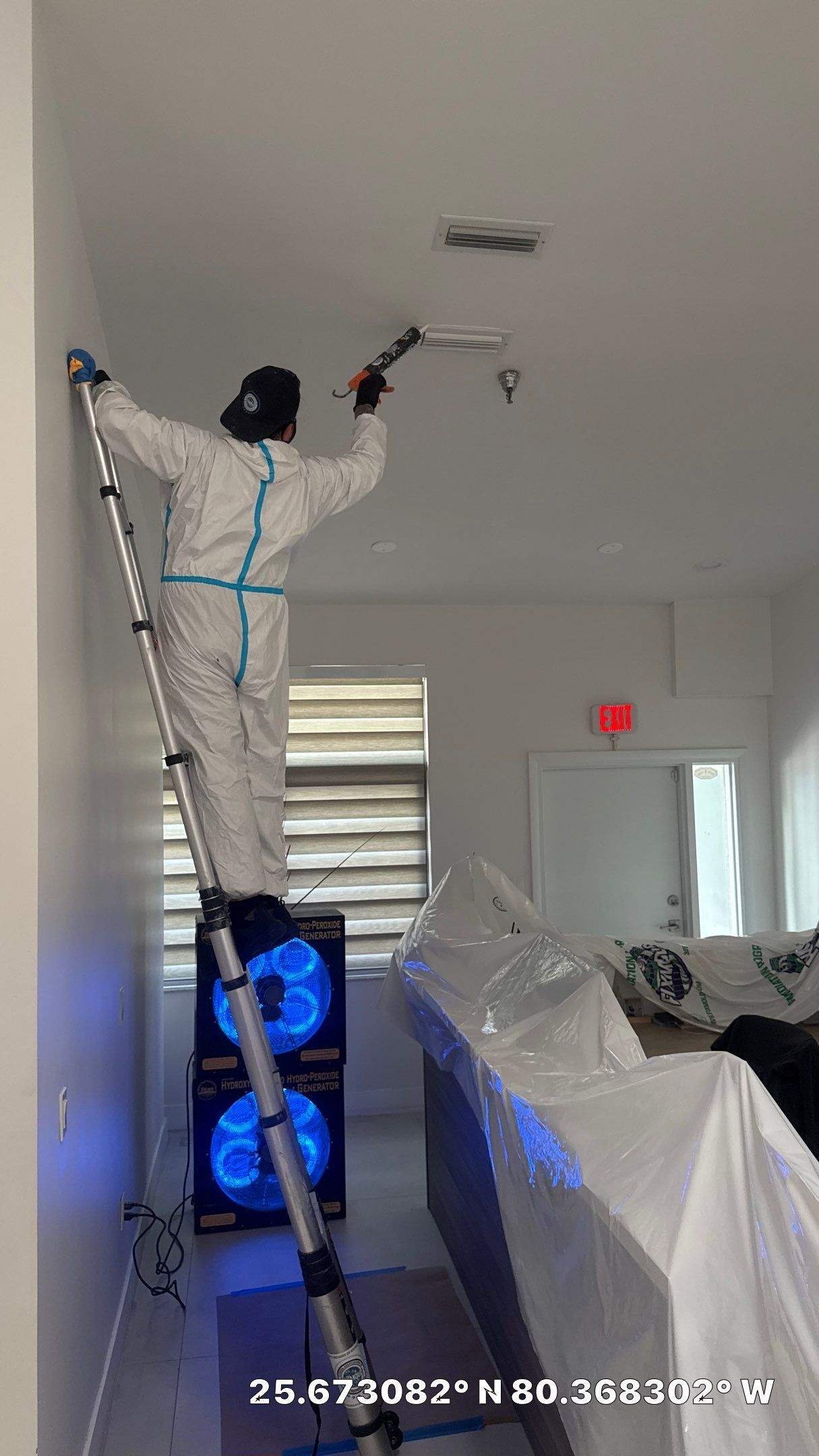
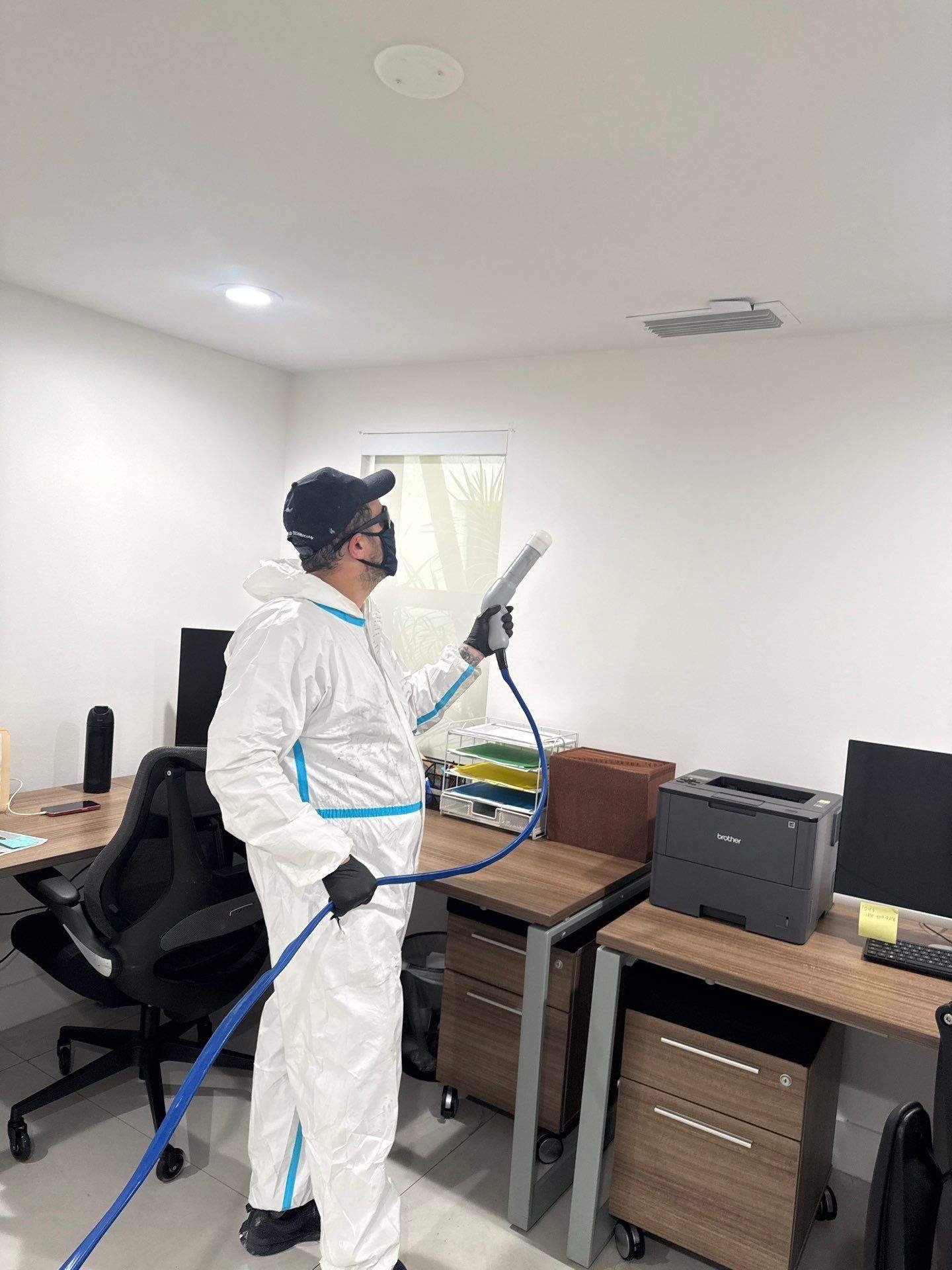
Environmental treatment may include correcting moisture sources, remediation of contaminated materials, HEPA filtration, HVAC restoration, contents cleaning, ventilation correction and other building-specific measures.
43. Will removing mold guarantee that someone's symptoms disappear?
No responsible environmental company should guarantee a medical outcome. Correcting a damp or moldy environment can reduce an environmental exposure, but individual health outcomes must be evaluated medically.
44. Should medication be stopped after mold is removed?
No medication should be started, stopped or changed because of an environmental remediation project without guidance from the prescribing healthcare professional.
45. Is environmental remediation part of addressing a mold concern?
When indoor mold growth is present, EPA emphasizes correcting the underlying moisture problem and addressing the mold growth.
FIXMOLD MIAMI CONCIERGE
46. What is FixMold Miami Concierge? FixMold Miami Concierge can be presented as a premium environmental-support service that coordinates the property side of a mold or indoor-air-quality concern—from the initial conversation through inspection, testing options, environmental documentation, corrective recommendations and restoration planning.
47. What happens during the initial Concierge consultation?
The process can begin by documenting the occupants' environmental concerns, known water events, musty odors, rooms of concern, HVAC symptoms, humidity or condensation issues, previous mold history and any environmental questions they would like the inspection to address.
48. Does FixMold Concierge review health symptoms?
The team can document reported symptoms as part of understanding the environmental concern, but should not diagnose them or state that mold caused them. Health concerns should be referred to the customer's healthcare professional.
49. Can FixMold Concierge coordinate environmental testing?
Yes. Based on the building conditions and purpose of the investigation, appropriate environmental testing may include air samples, surface samples, particle measurements, moisture diagnostics, humidity measurements and other selected IAQ evaluations.
50. Will FixMold Concierge explain my laboratory results?
FixMold can explain what the environmental laboratory terminology and measurements mean in relation to the property investigation while avoiding medical interpretations.
51. Can Concierge investigate the HVAC system if symptoms appear worse when the AC runs?
Yes. When occupants report odors or environmental concerns associated with HVAC operation, the investigation can include relevant accessible HVAC components, vents, ductwork, moisture, insulation and airflow conditions.
52. Can Concierge evaluate bedrooms where symptoms seem worse at night?
Yes. FixMold can evaluate the room's building and environmental conditions, including moisture, HVAC supply/return areas, humidity, exterior walls, windows and other relevant sources without claiming that any finding caused the symptoms.
53. Can Concierge investigate a home after a previous leak even if there is no visible mold?
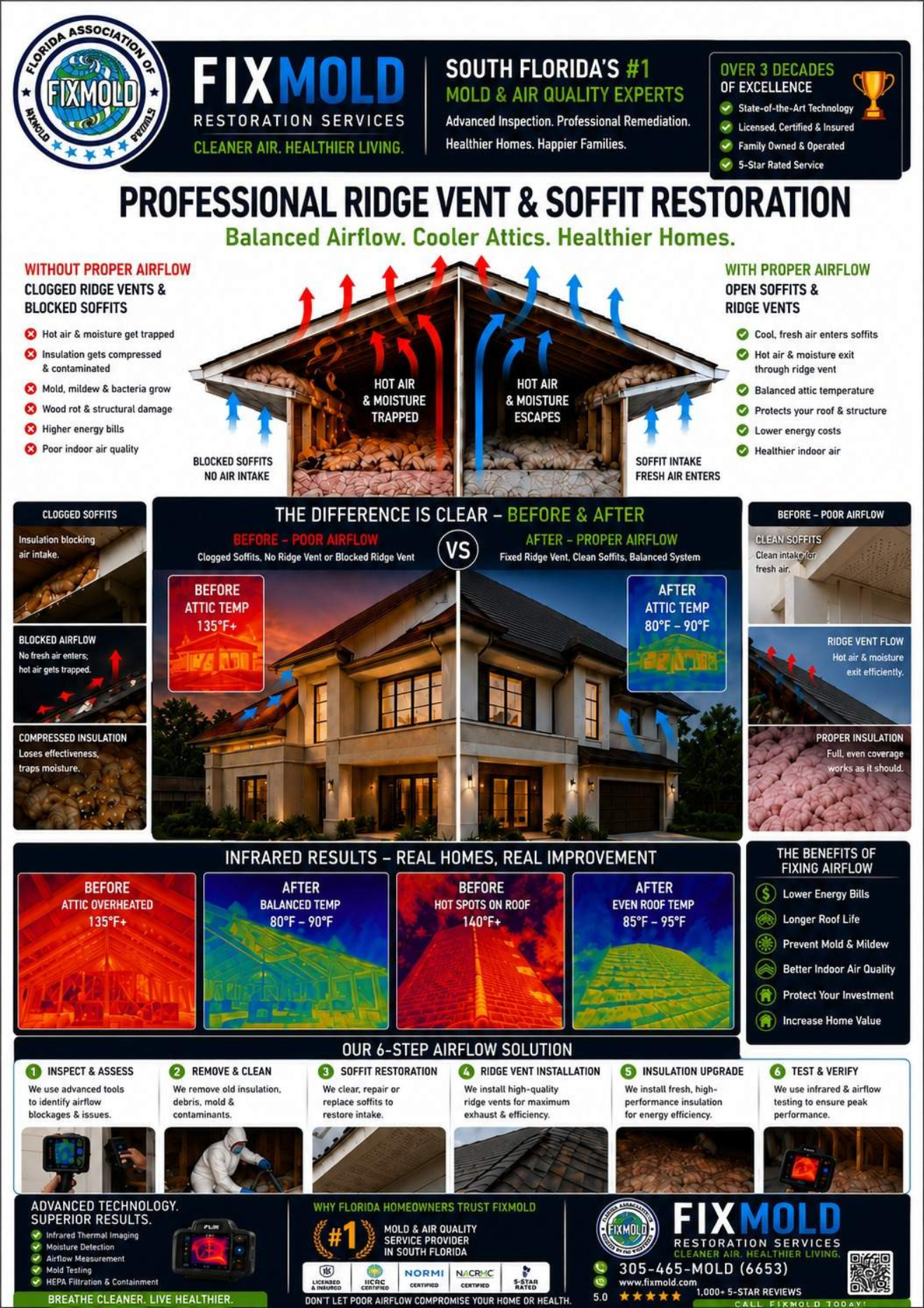
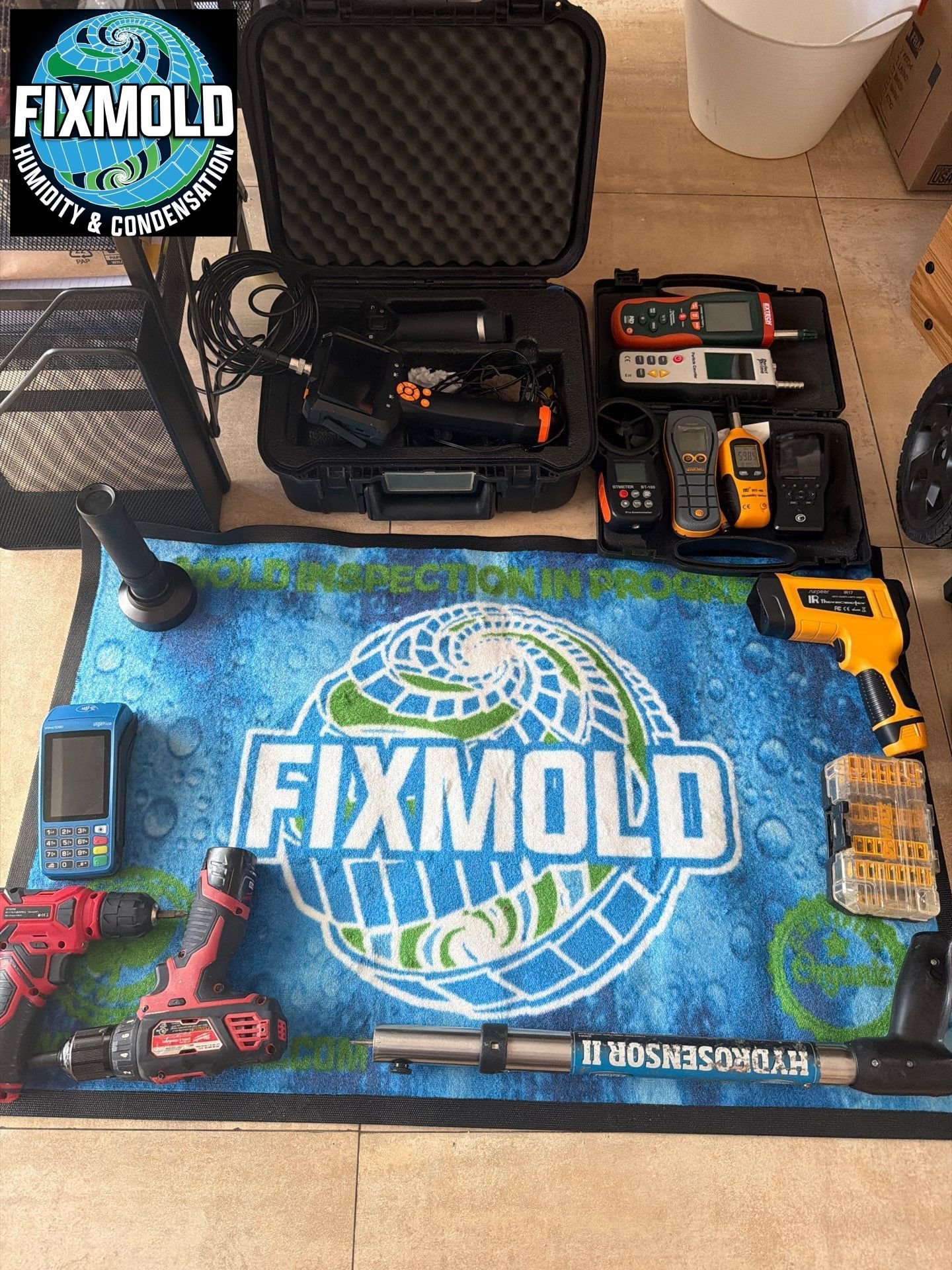
Yes. Moisture mapping, infrared imaging and physical inspection can help identify areas requiring additional investigation after a water event.
54. Can FixMold coordinate with my physician?
With the customer's authorization and appropriate privacy safeguards, environmental documentation can be provided for the customer to share with their healthcare professional. FixMold's role remains limited to the building and environmental conditions.
55. Can Concierge help a family understand what happens after mold is found?
Yes. A concierge approach can organize the environmental process into clear stages: investigate → identify moisture → test when useful → establish scope → remediate/restore → verify conditions → document the project.
WHEN HEALTH CONCERNS REQUIRE PROMPT ATTENTION
56. When should someone seek medical attention instead of waiting for an environmental inspection?
Persistent respiratory symptoms, worsening asthma or other health concerns should be discussed with a healthcare professional rather than waiting for an environmental company to determine their cause.
57. When is breathing difficulty an emergency?
Sudden or severe difficulty breathing—especially when it significantly interferes with breathing or speaking—requires urgent medical attention. Severe shortness of breath, chest pain, blue or gray lips, confusion or coughing up blood are also reasons to seek emergency care.
58. What if an immunocompromised person is living in a home with visible mold?
CDC advises people with weakened immune systems to avoid moldy buildings and mold-removal activities until remediation is completed. Their healthcare professional should also be consulted regarding their individual medical risk.
59. What if mold appears to trigger an asthma attack?
The individual should follow their healthcare provider's asthma action plan and prescribed treatment. From the environmental side, indoor mold and moisture should be corrected because mold can act as an asthma trigger.
60. What is the goal of the FixMold Miami Concierge approach?
The goal is to give customers one organized environmental pathway when mold, moisture, HVAC or indoor-air-quality concerns feel overwhelming—while maintaining a clear boundary between environmental investigation/restoration and medical diagnosis/treatment.
A Deep Commitment To Restoration
A Family Legacy Of Trust
Mold Removed From Your Home. What About Your Body?
A medically guided approach to supporting recovery after mold exposure.
FixMold focuses on eliminating mold from your environment.
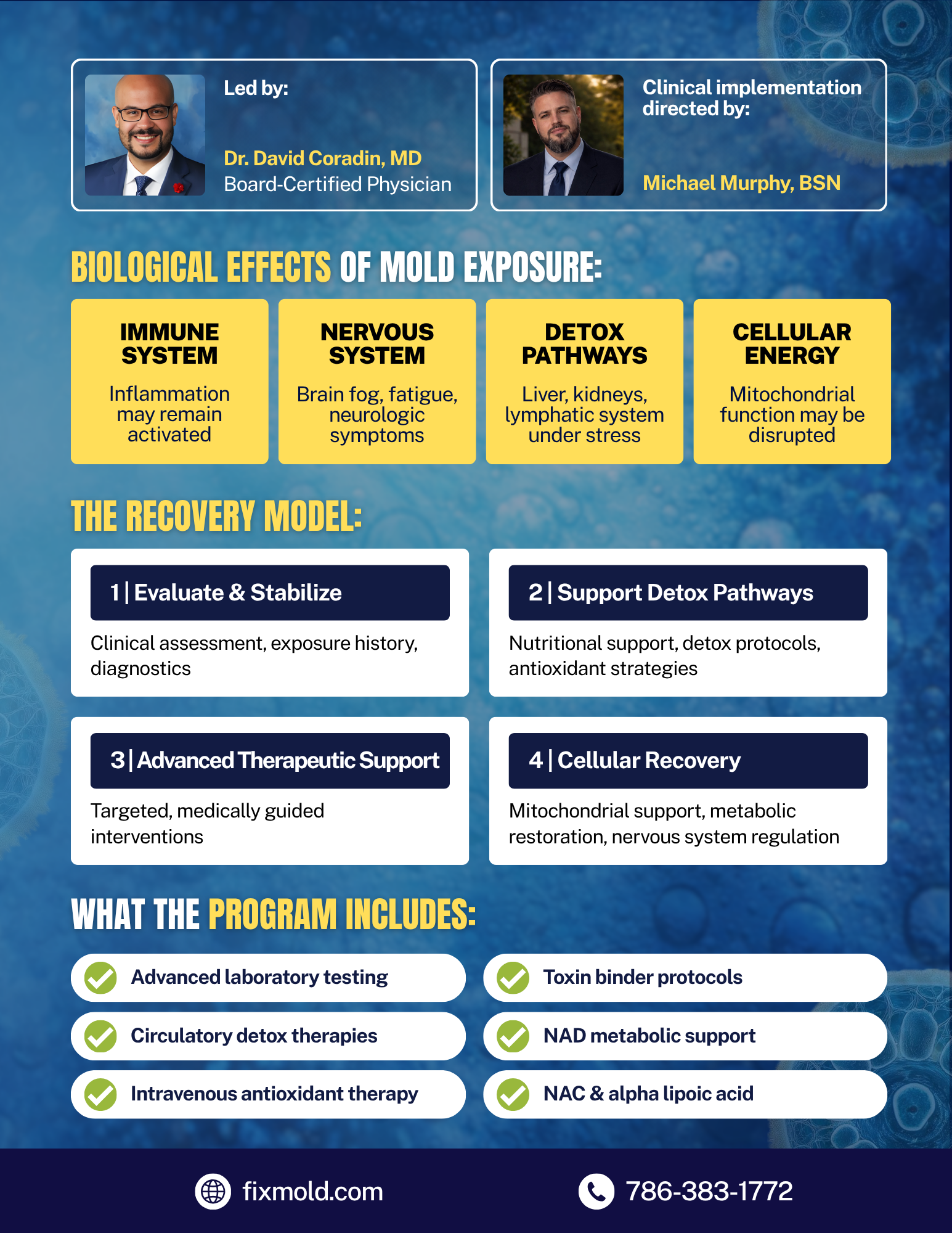
But for some individuals, recovery doesn’t stop there. Even after successful remediation, the body may continue responding to past exposure. In these cases, a structured, medically guided approach may be necessary to support full recovery.
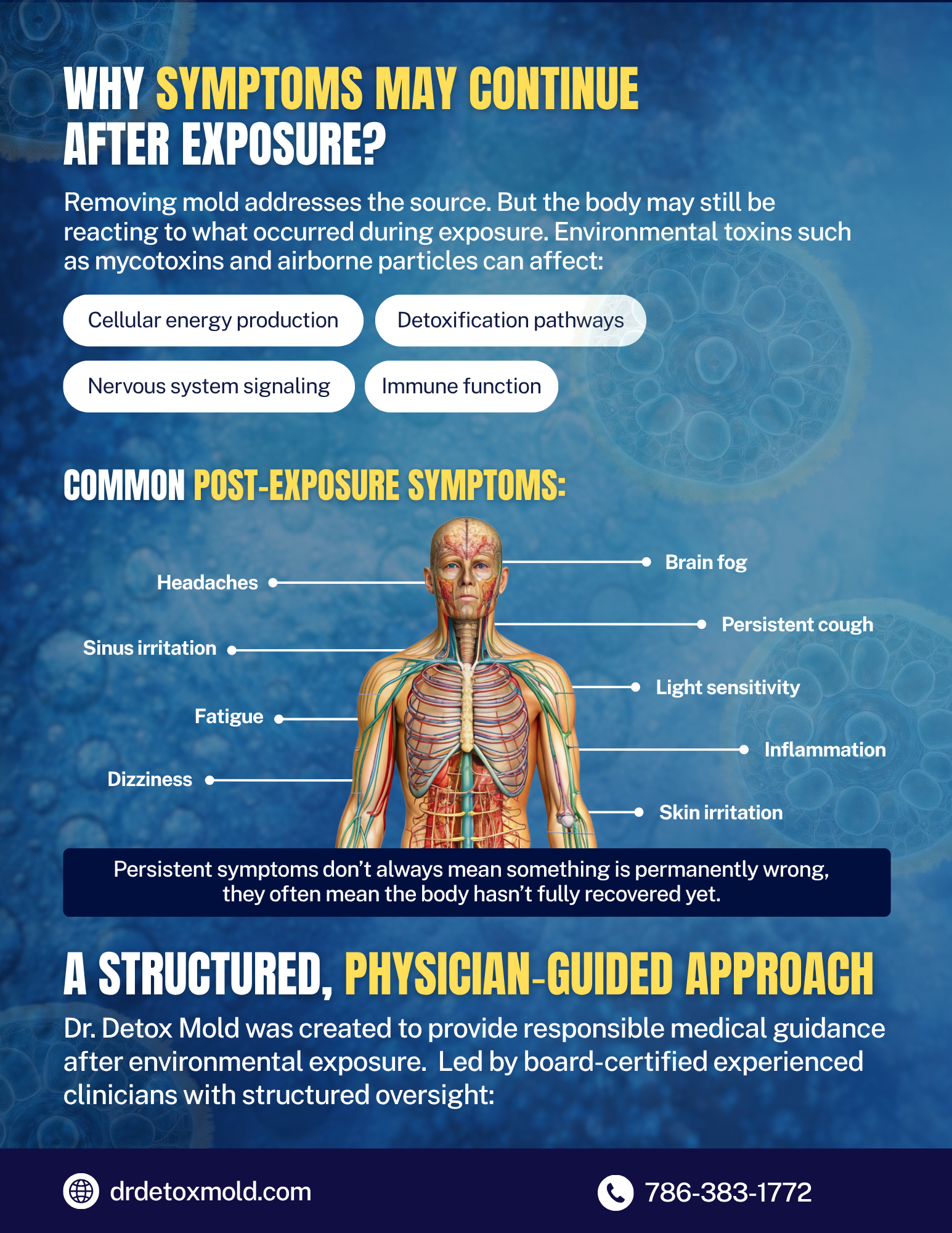
Why Symptoms Can Continue After Mold Exposure
Removing mold addresses the source of the problem, but it does not always resolve how the body has been affected during exposure.
Environmental toxins can impact multiple systems:
• Immune function
• Nervous system signaling
• Cellular energy production
• Detoxification pathways
For some individuals, these systems require time and proper support to return to balance.
2. Detoxification Support
• Nutritional protocols
• Toxin-binding strategies
• Antioxidant support
3. Advanced Therapeutic Support
• Targeted, medically guided interventions
• IV-based therapies when appropriate
4. Cellular Recovery
• Mitochondrial support
• Metabolic restoration
• Nervous system regulation
Core Focus
• Detoxification support
• Immune system balance
• Cellular energy restoration
• Nervous system regulation
Key Principle
Recovery is not about doing more. It is about doing the right things, in the right order.
Next Steps
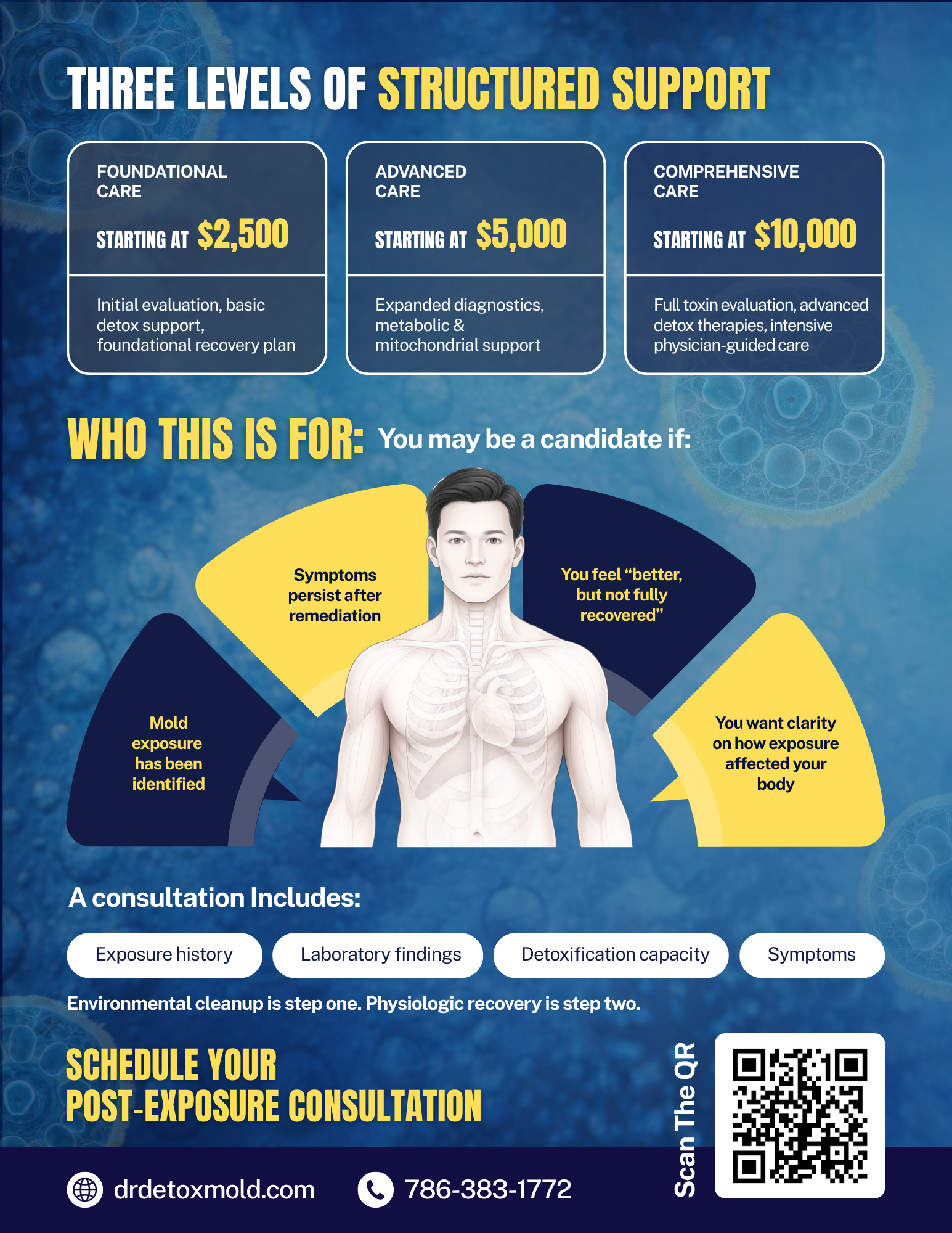
If mold exposure has been identified and symptoms are still present, evaluation may provide clarity.
• Exposure history review
• Laboratory evaluation
• Detoxification assessment
• Symptom analysis
Trustindex verifies that the original source of the review is Google.
Overall great service. Victor and his team were very professional. Victor explained the entire process and was very thorough. Videos and photos are sent during and after the process. I would definitely recommend this company again with anyone experiencing mold issues.
Posted on Google
Arthur M
Trustindex verifies that the original source of the review is Google.
Really impressed with the service from FixMold. Victor was very knowledgeable, explained everything clearly, and helped ease my concerns. The air quality in my home feels noticeably better after the service. Big thanks to Victor and the crew. I’d definitely recommend them.
Posted on Google
Daina Lee
Trustindex verifies that the original source of the review is Google.
Had a really good experience with this mold remediation team. They were professional, explained everything clearly, and showed up on time. They took care of the problem properly and made sure the area was clean and safe. Very happy with the results and would recommend them to anyone dealing with mold.
Posted on Google
Danny
Trustindex verifies that the original source of the review is Google.
We actually came across FaceTime Mold Solutions while trying to figure out what was causing the issue in our home. Mr. Katz was really helpful and made sure all our questions was answered during the whole process, which helped us understand things better. It definitely made the situation feel less stressful.
The technicians was respectful and very knowledgeable about what they were doing. Everything went pretty smooth overall and we’re happy with the service we receive.
Posted on Google
Ashley
Trustindex verifies that the original source of the review is Google.
Highly recommend. Fast and efficient. Communication is good, they answered fast when I needed to follow up. I spoke with manager Jerusha and Mr Katz. Alex, Diego and Santiago are very professional and left everything spotless on their way out :)
Posted on Google
Noel Moreno
Trustindex verifies that the original source of the review is Google.
Great experience, was worth calling for their services. Will call them again in the future and definitely recommend them to other people i know
Posted on Google
Francisco Taylor
Trustindex verifies that the original source of the review is Google.
Amazing service! Irinelis was very helpful and made everything smooth and stress-free. I really appreciate the support—highly recommend
Posted on Google
Jose Turcios
Trustindex verifies that the original source of the review is Google.
I had hired other companies before and the problem remained the same, but thanks to Fix Mold Miami and Irinelis, who explained the process step by step, I was able to solve my problem. I recommend them 100%. Thank you, Irinelis, great job!
Posted on Google
Wilder Calero
Trustindex verifies that the original source of the review is Google.
Great experience with this fix mold Miami company. Very professional, thorough, and honest. They explained everything clearly and did an excellent job. I would definitely recommend them to anyone dealing with mold issues.
Proudly Serving all of South Florida
We are here to answer any question you may have.
+
Why does mold keep returning after cleaning?
Recurring mold usually indicates that the original moisture problem was never fully corrected. Surface cleaning may temporarily remove visible growth, but hidden moisture from roof leaks, plumbing problems, HVAC condensation, humidity imbalance, or poor ventilation may still be affecting structural materials behind the scenes.
In Miami’s humid climate, buildings dry slowly after water exposure, allowing concealed dampness to remain active inside walls, ceilings, flooring systems, insulation materials, and HVAC components for long periods.
Long-term mold correction depends on identifying and resolving the source of moisture rather than repeatedly treating surface symptoms alone.
+
Can mold grow inside HVAC systems?
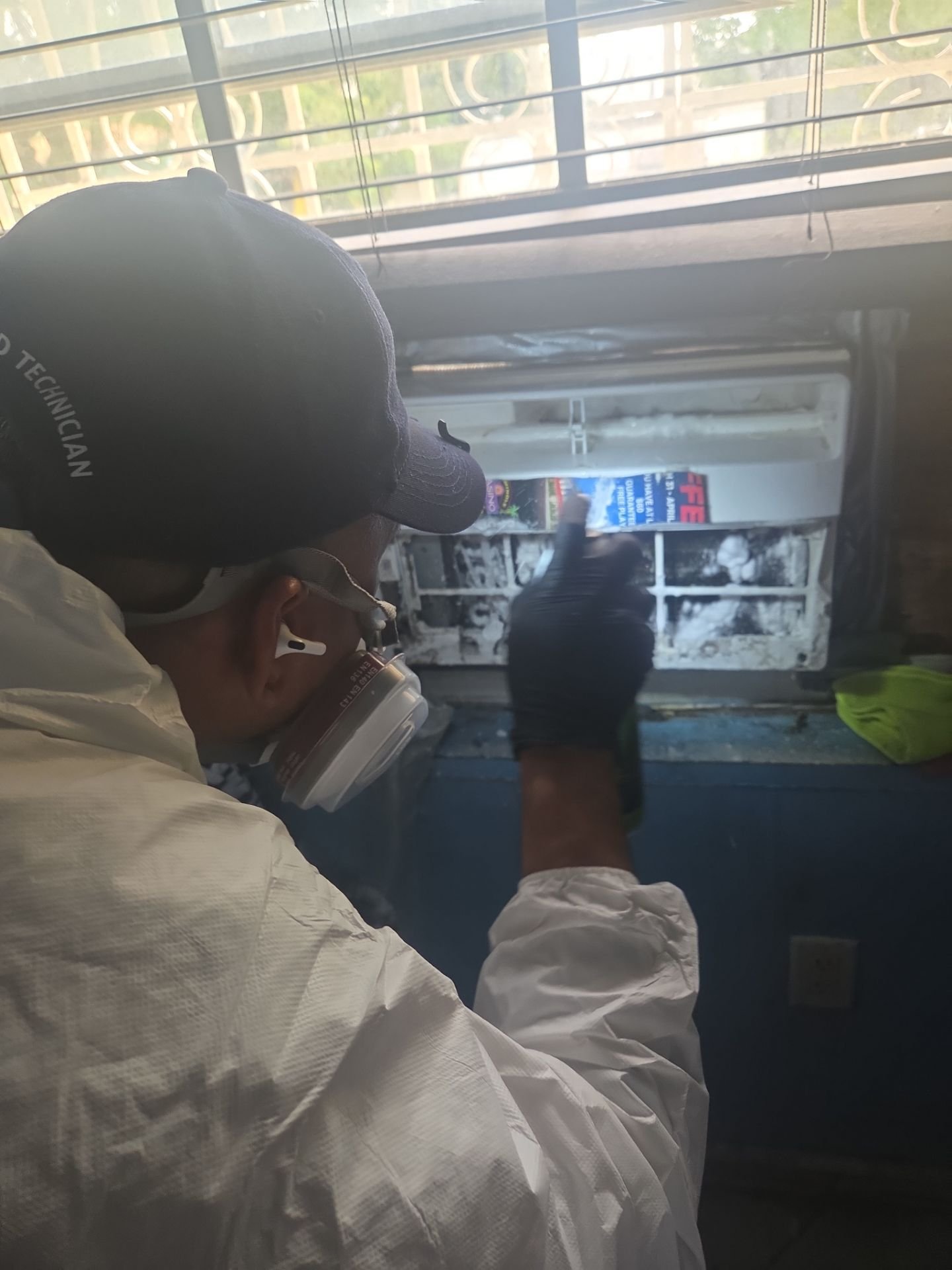
Yes. HVAC systems are one of the most common hidden sources of mold throughout South Florida homes and commercial buildings. Air conditioning systems create condensation continuously while cooling humid air.
If drain systems clog, airflow becomes restricted, or insulation absorbs moisture, microbial growth may develop inside ducts, vents, air handlers, and nearby HVAC materials.
Since the ventilation system circulates air throughout the building, airborne particles associated with hidden contamination may spread into multiple rooms.
Many people first notice musty odors or stale air near vents before visible mold appears elsewhere inside the property.
+
Can mold exist behind walls even if I cannot see it?
Yes. Hidden mold is extremely common throughout Miami properties because moisture frequently develops inside enclosed structural cavities before visible contamination appears indoors.
Mold may grow behind drywall, inside insulation systems, beneath flooring assemblies, around plumbing leaks, inside ceiling cavities, or within attic and crawlspace areas where humidity and airflow problems allow moisture to remain trapped.
Many properties experiencing musty odors, humidity imbalance, or indoor air quality concerns appear visually clean while hidden environmental contamination continues affecting the building behind finished surfaces.
Thermal imaging and moisture detection are commonly used to help identify concealed dampness associated with hidden mold activity.
+
Why are attics and crawlspaces common mold areas in South Florida?
Attics and crawlspaces often trap heat and moisture due to South Florida’s humid climate. Roof leaks, poor ventilation, HVAC duct condensation, flooding, elevated groundwater, and humidity buildup may all contribute to damp conditions inside these enclosed structural spaces.
Attics frequently develop moisture problems during storm season while crawlspaces may remain damp year-round due to poor drainage and groundwater exposure.
Because airflow is limited in these areas, moisture often remains trapped long enough for contamination to develop gradually over time.
Hidden environmental conditions inside attics and crawlspaces may eventually affect indoor air quality throughout the occupied living space.
+
What happens during professional mold removal?
Professional mold removal typically begins with identifying the source of moisture contributing to contamination inside the property. Environmental evaluation may involve thermal imaging, moisture detection, humidity analysis, HVAC assessment, and airflow inspection.
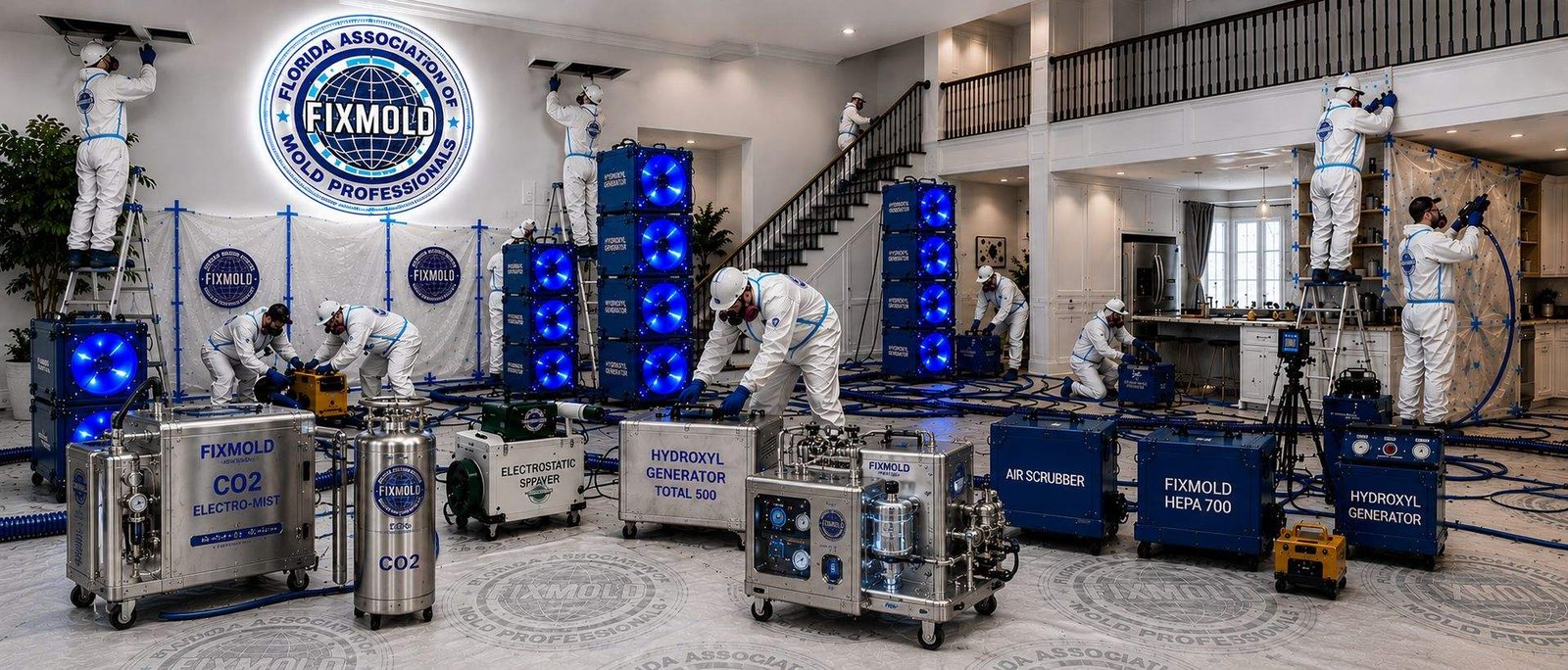
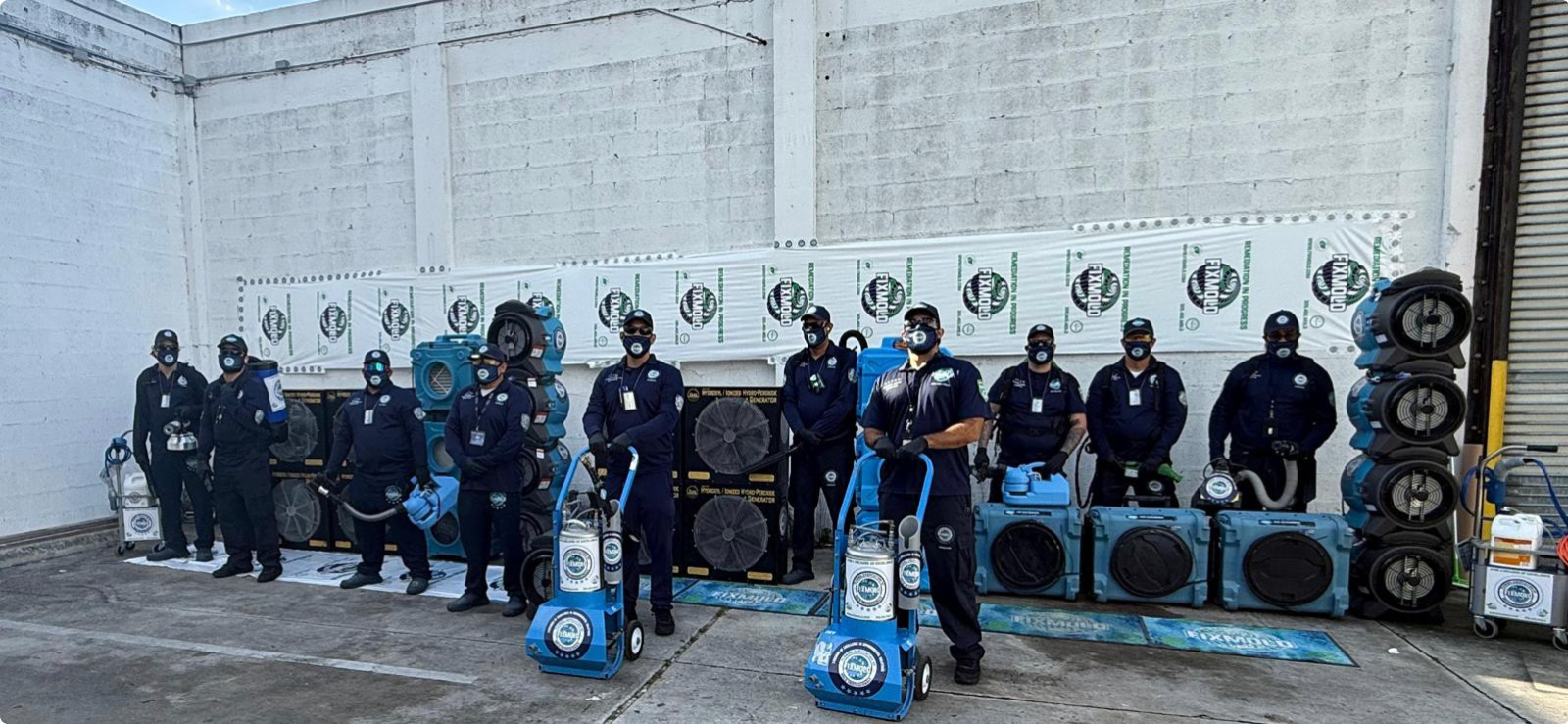
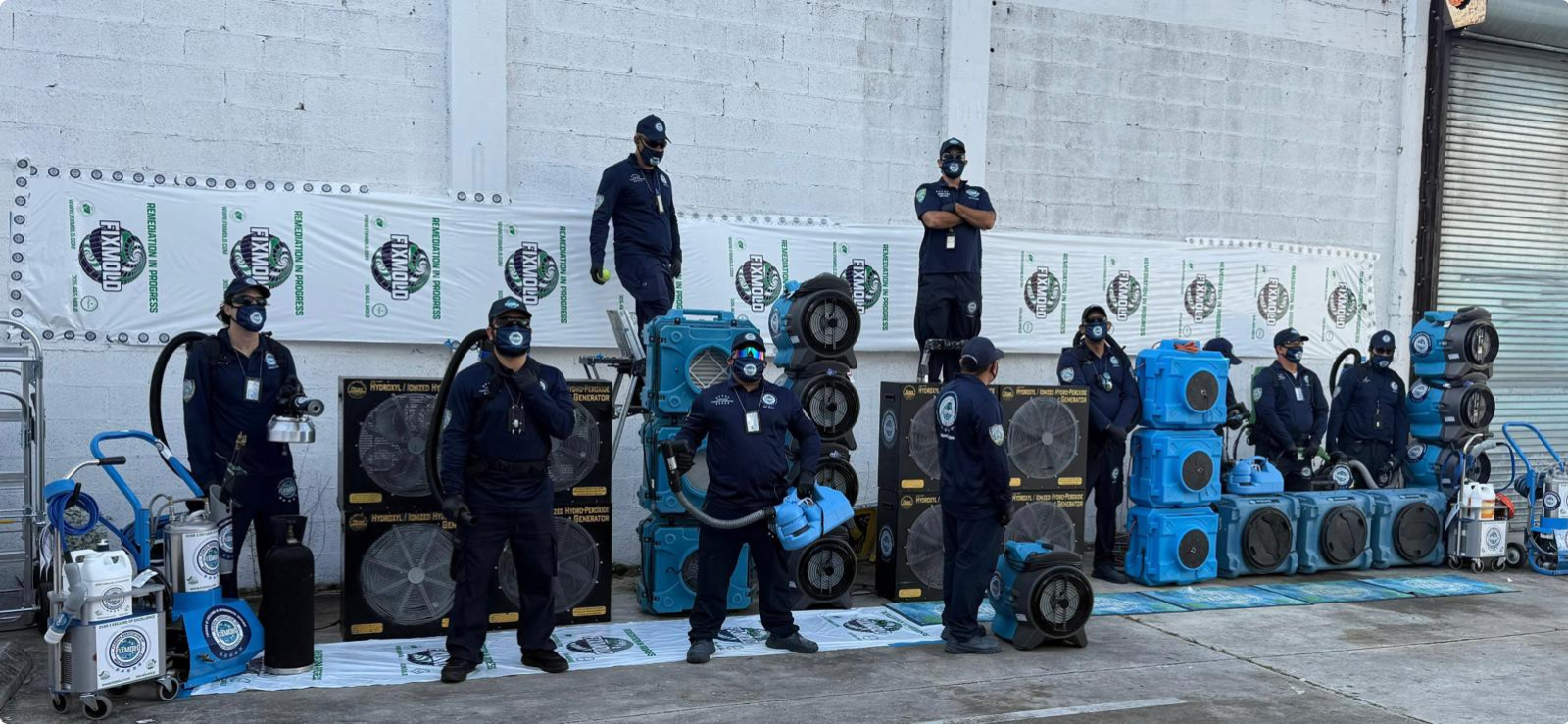
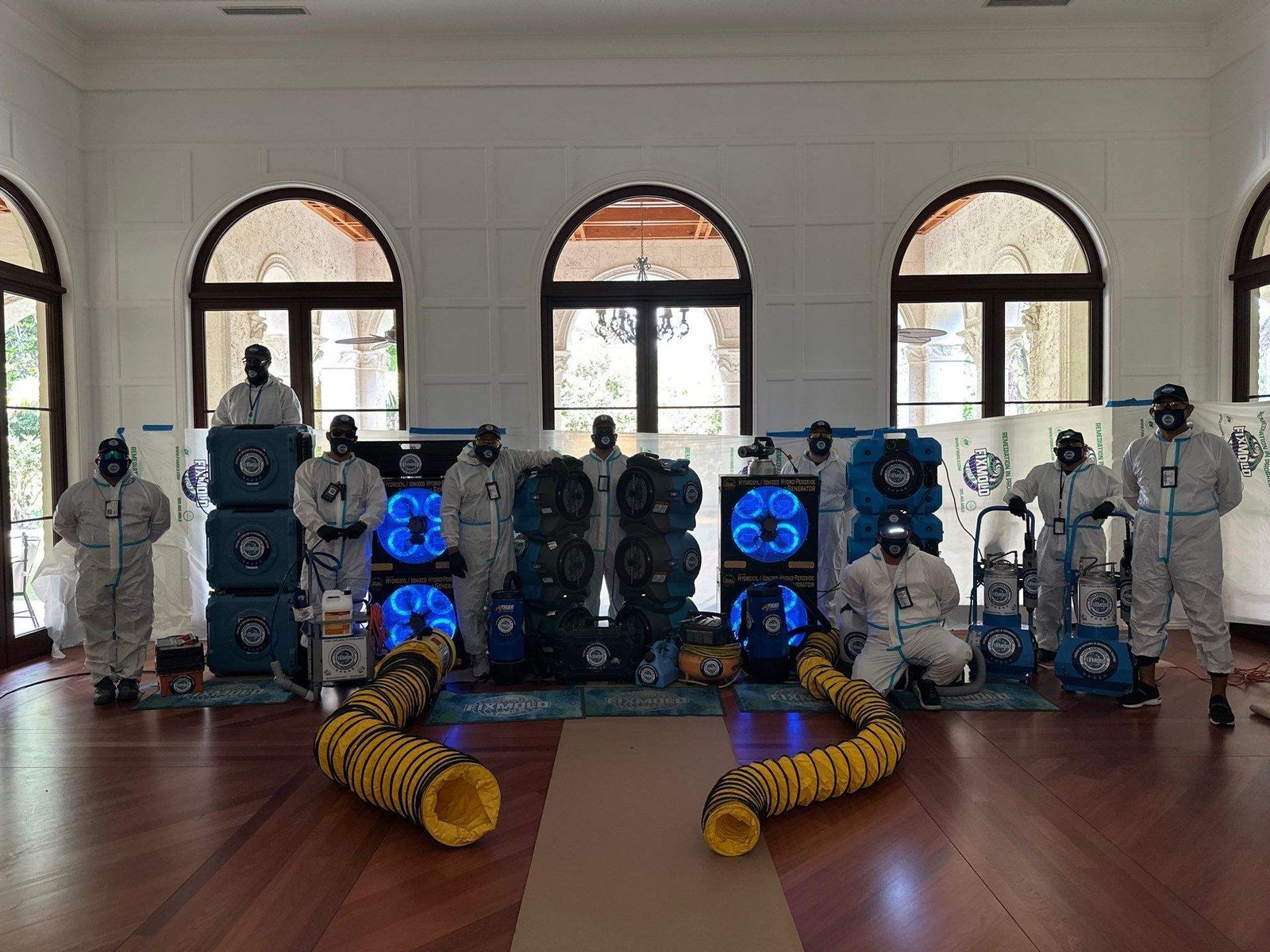
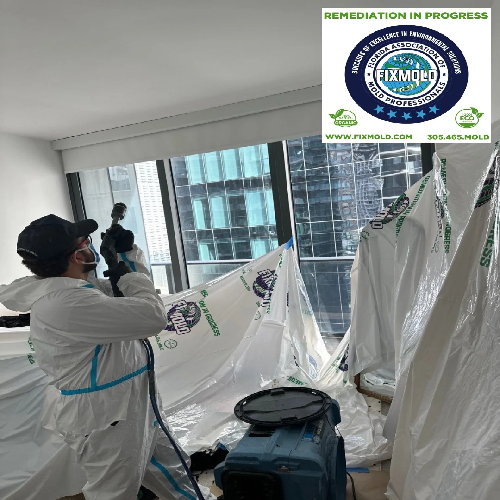
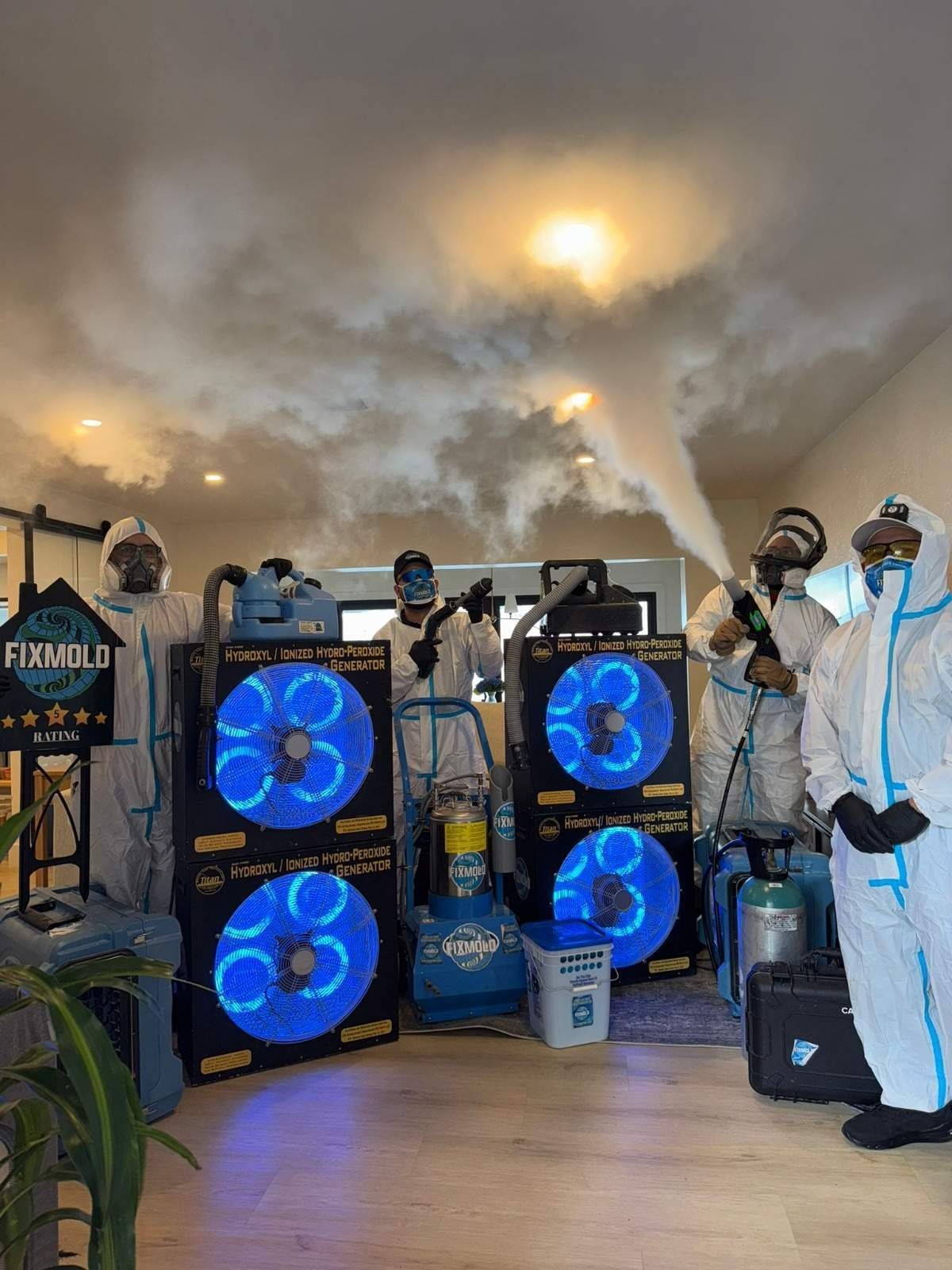
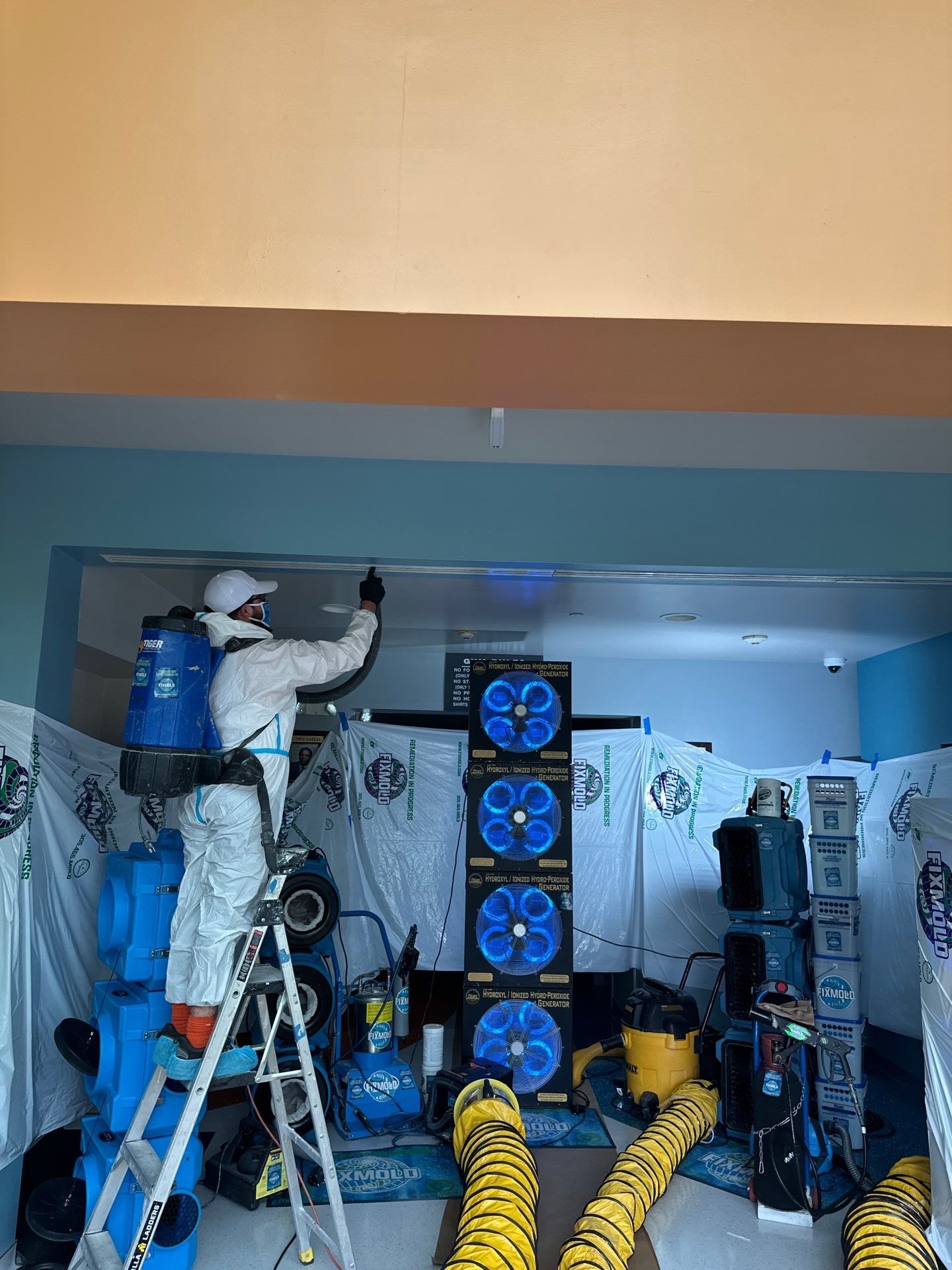
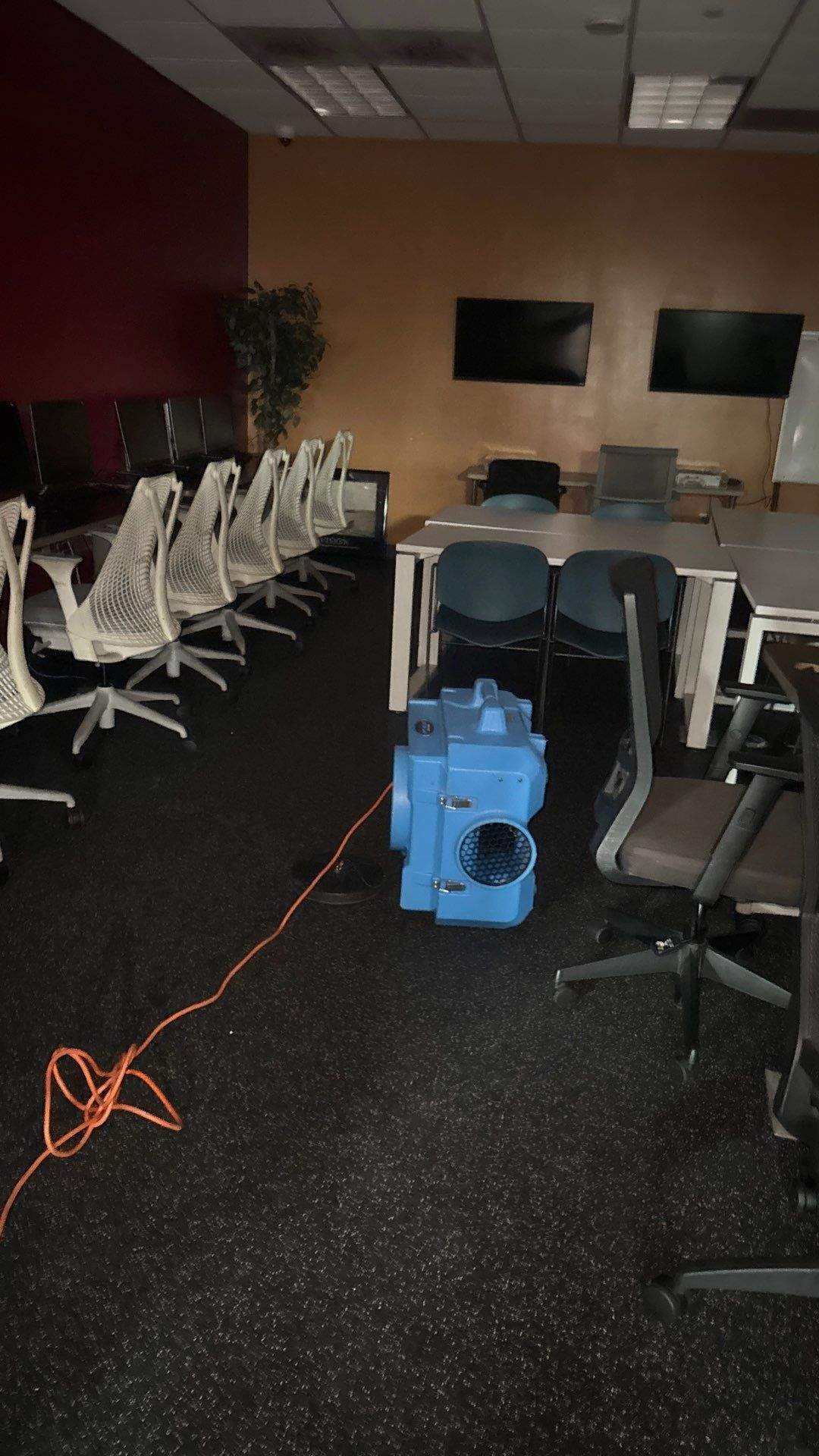
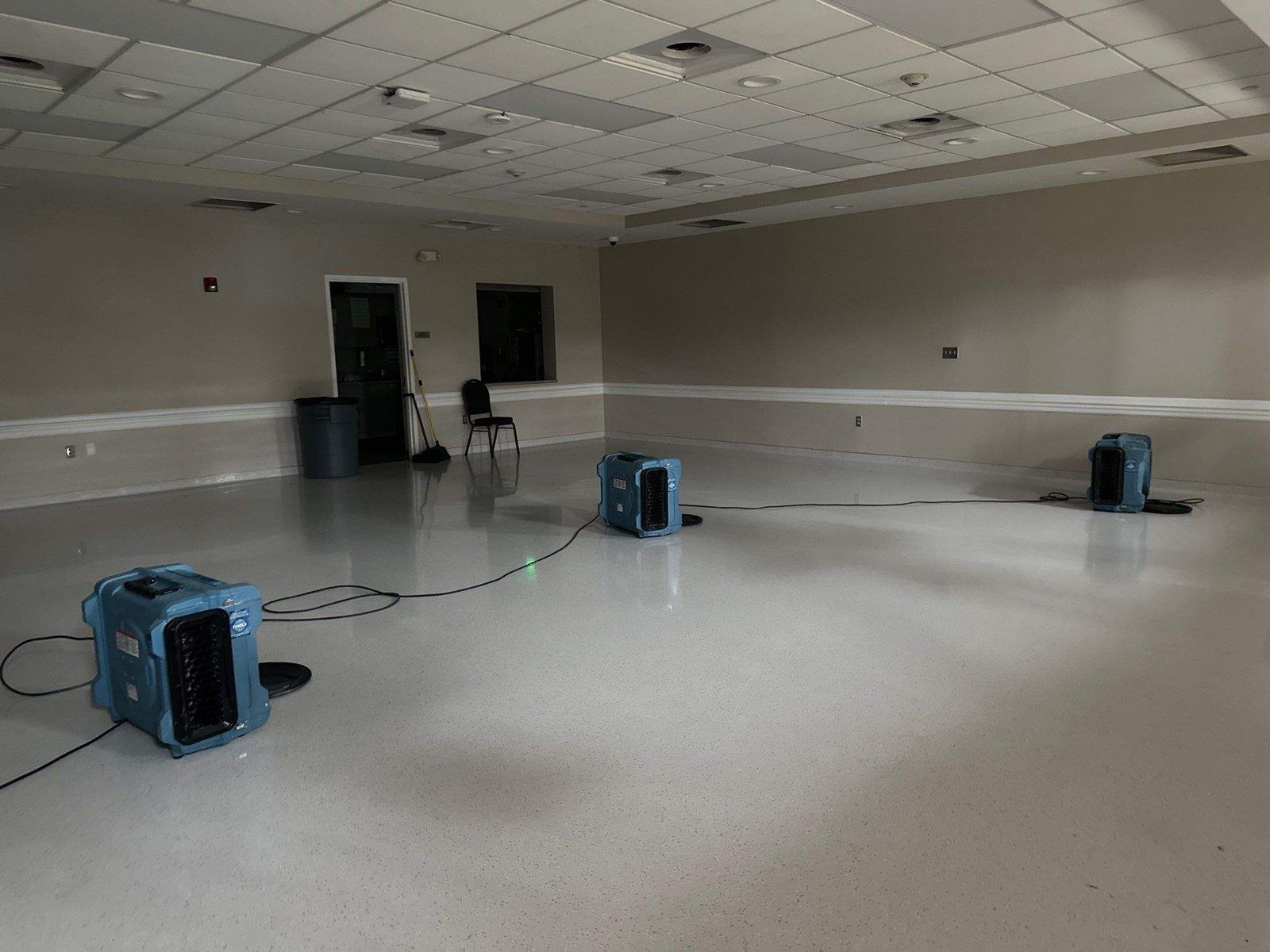
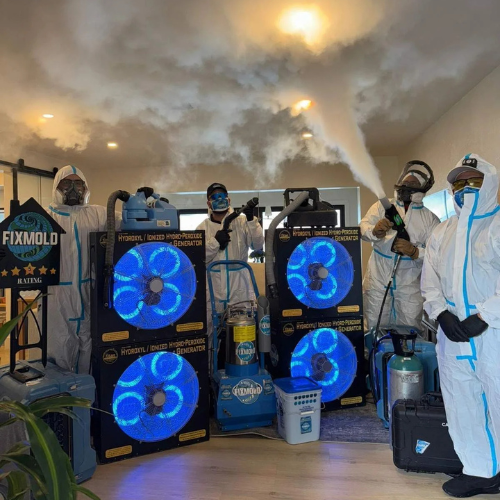
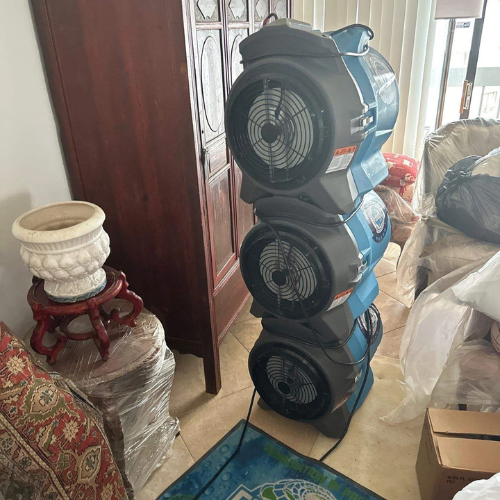
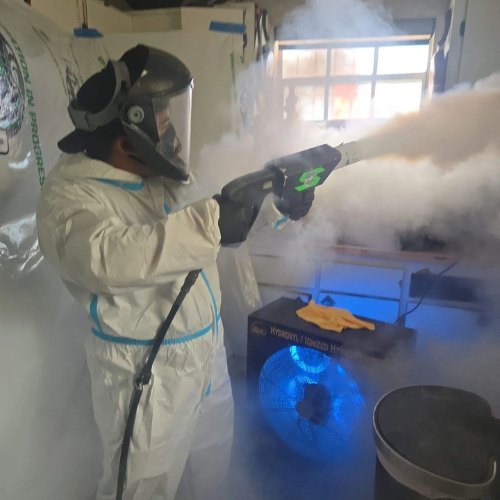
Containment systems and air scrubbing equipment may be used to help reduce airborne particulate spread during remediation activities. Depending on the extent of moisture damage, contaminated materials such as drywall, insulation, flooring systems, or cabinetry may require removal.
Structural drying and humidity stabilization are also important because South Florida buildings retain moisture much longer than properties in dry climates.
The goal is not only to remove visible contamination but also to correct the environmental conditions contributing to ongoing mold growth inside the building.