| Factor | Private Jet | Commercial Aircraft |
|---|---|---|
| Usage pattern | Sits for days between flights | Constant turnaround, daily flights |
| Water system load | Occasional lavatory/galley use | High-frequency lavatory flushes, galley service |
| Cleaning frequency | Periodic detailing | Daily or multi-times-daily cleaning |
| Ground exposure | Extended hangar/ramp storage | Repeated short ground cycles in humid air |
| Moisture pattern | One long humid soak | Many small condensation cycles, repeated |
| Passenger volume | Low, known passengers | High, constant turnover |

| Cause | Why It Matters |
|---|---|
| Lavatory seal wear | High flush frequency wears seals faster than on private aircraft |
| Galley water line leaks | Constant beverage/ice service adds ongoing moisture load |
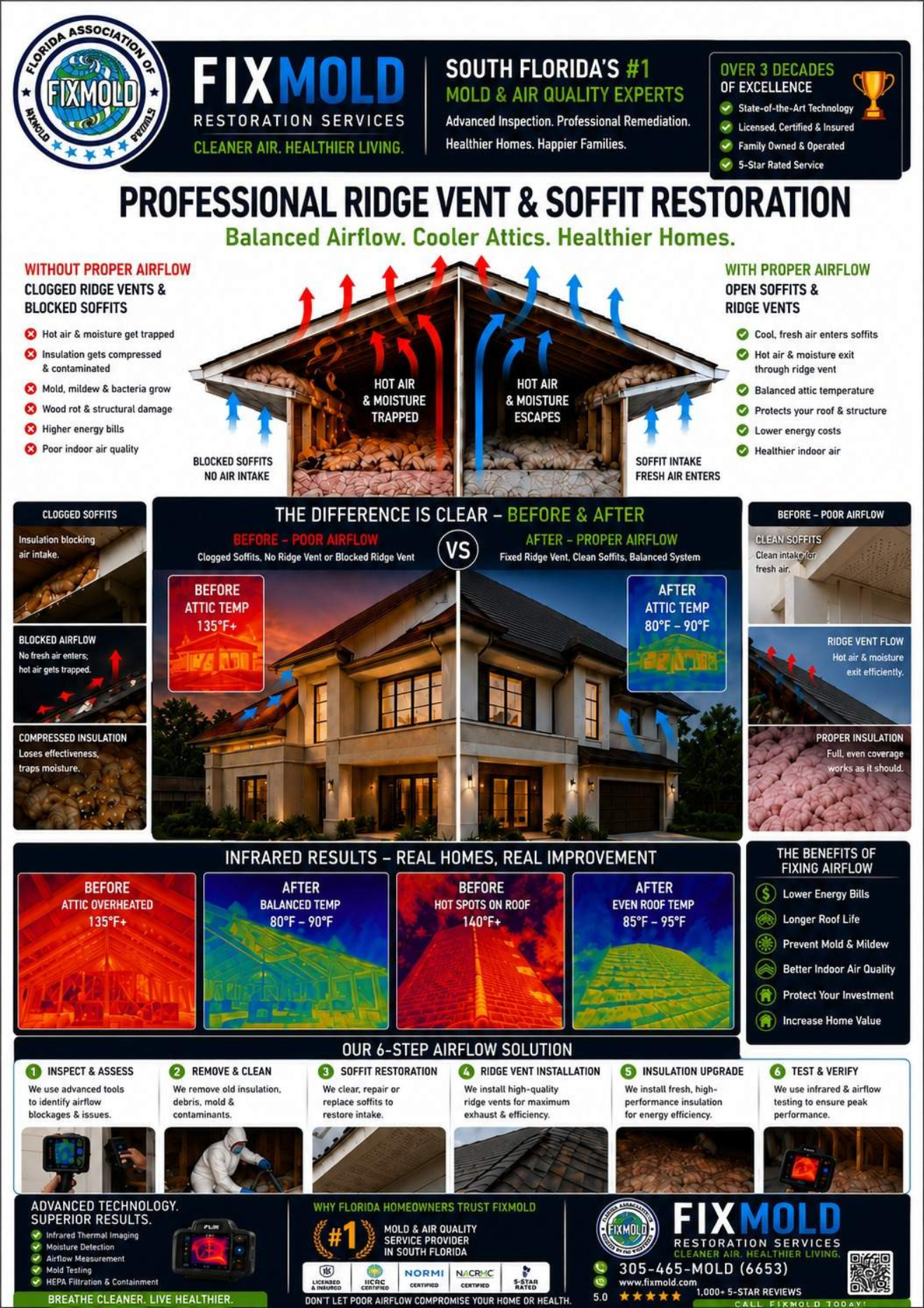
| Ducting condensation | AC cycling on/off between flights creates repeated condensation |
| Humid ground time | South Florida ground stops expose the cabin to high ambient humidity |
| Door-cycle moisture | Frequent boarding/deplaning in humid air introduces moisture each cycle |
| Cleaning residue moisture | Wet cleaning without full drying time between flights |
| Service | What It Answers | When You Need It |
|---|---|---|
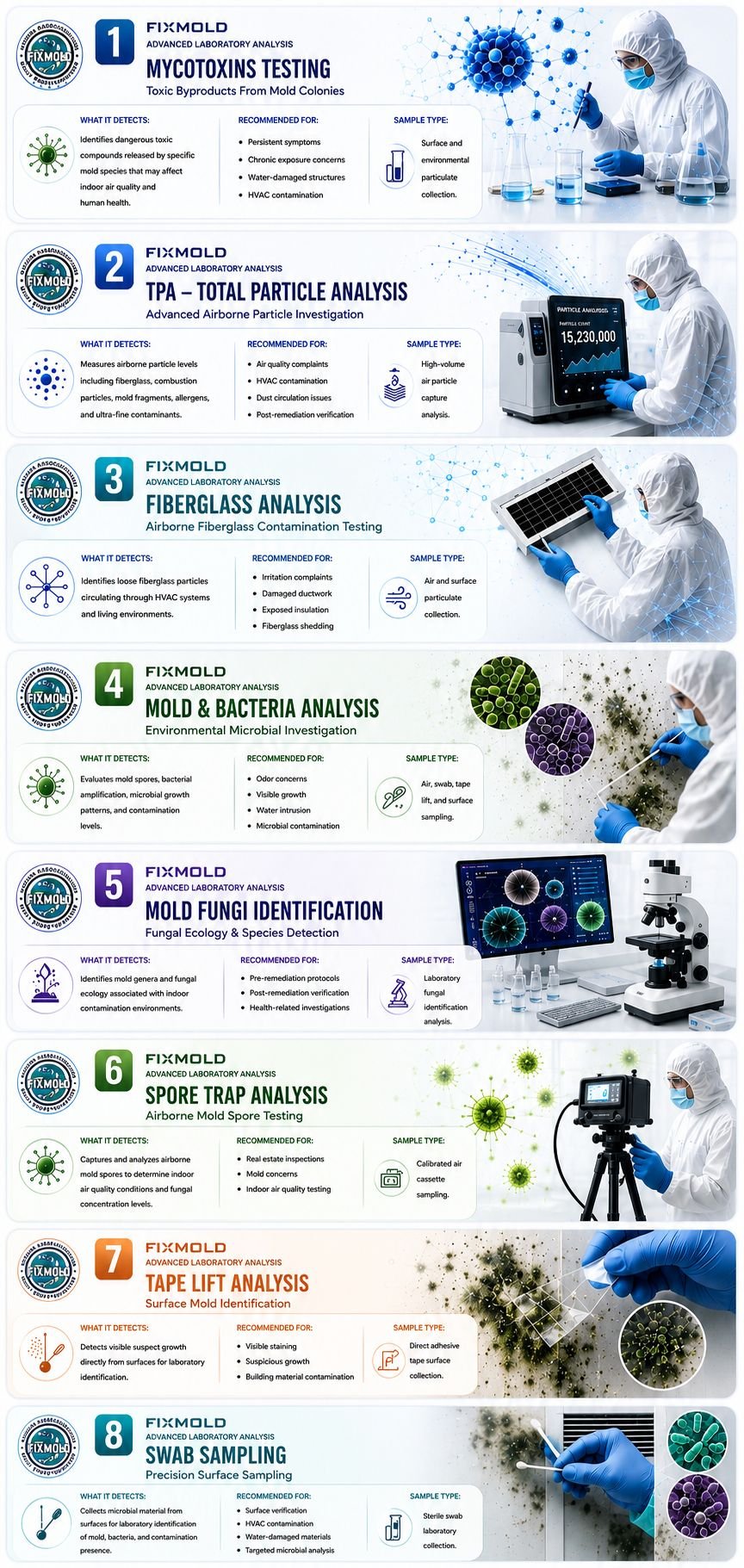
| Mold inspection | Is there a problem, and where? | Odor complaints, pre-lease, routine fleet review |
| Mold testing | What exactly is present, confirmed by lab | Following inspection, when sampling is warranted |
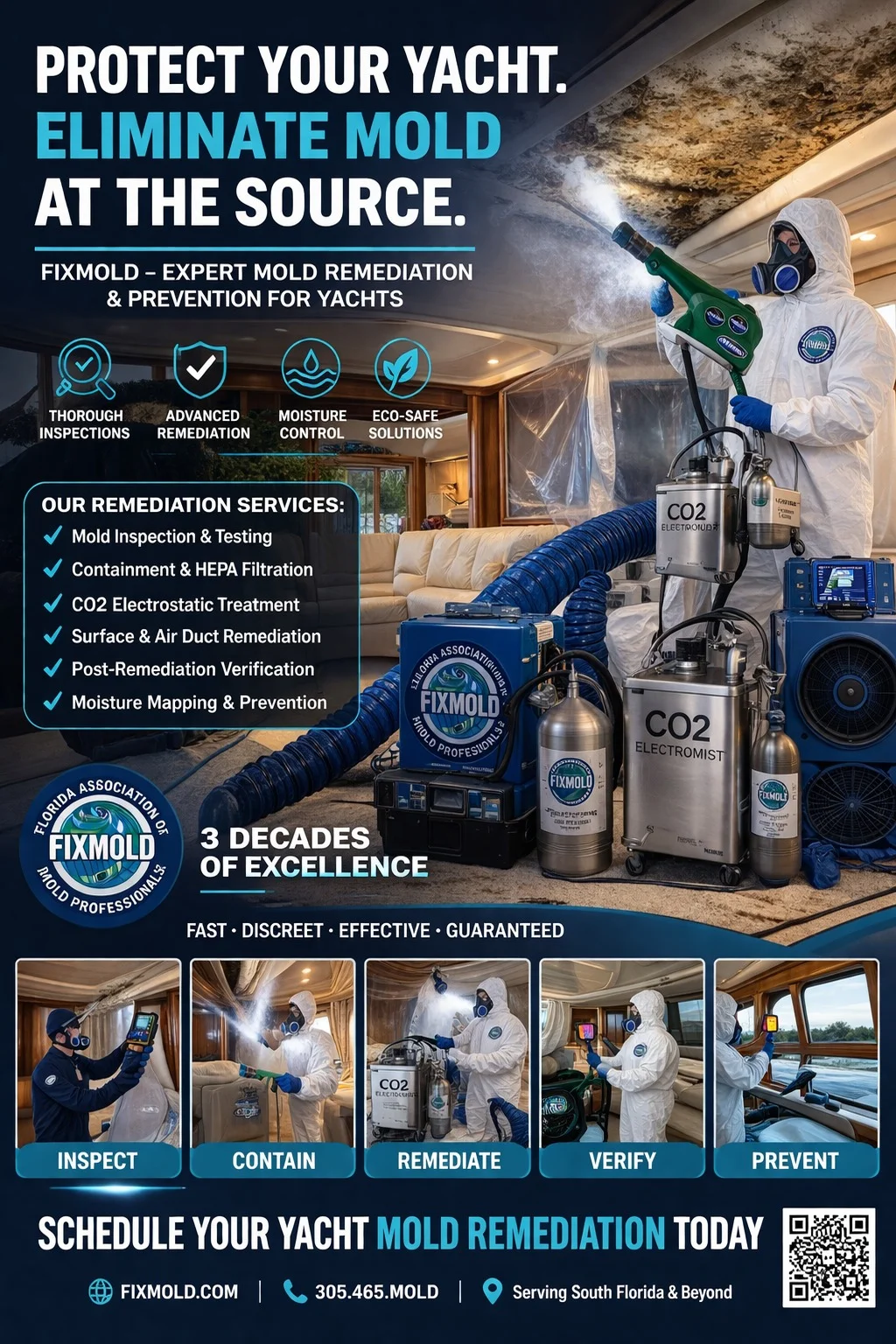
| Mold remediation | Removing/treating the problem | After a confirmed issue |
| Clearance testing | Did remediation actually work? | After remediation, before returning to service |


View Our Reviews Accross All PlatformsΒ Here
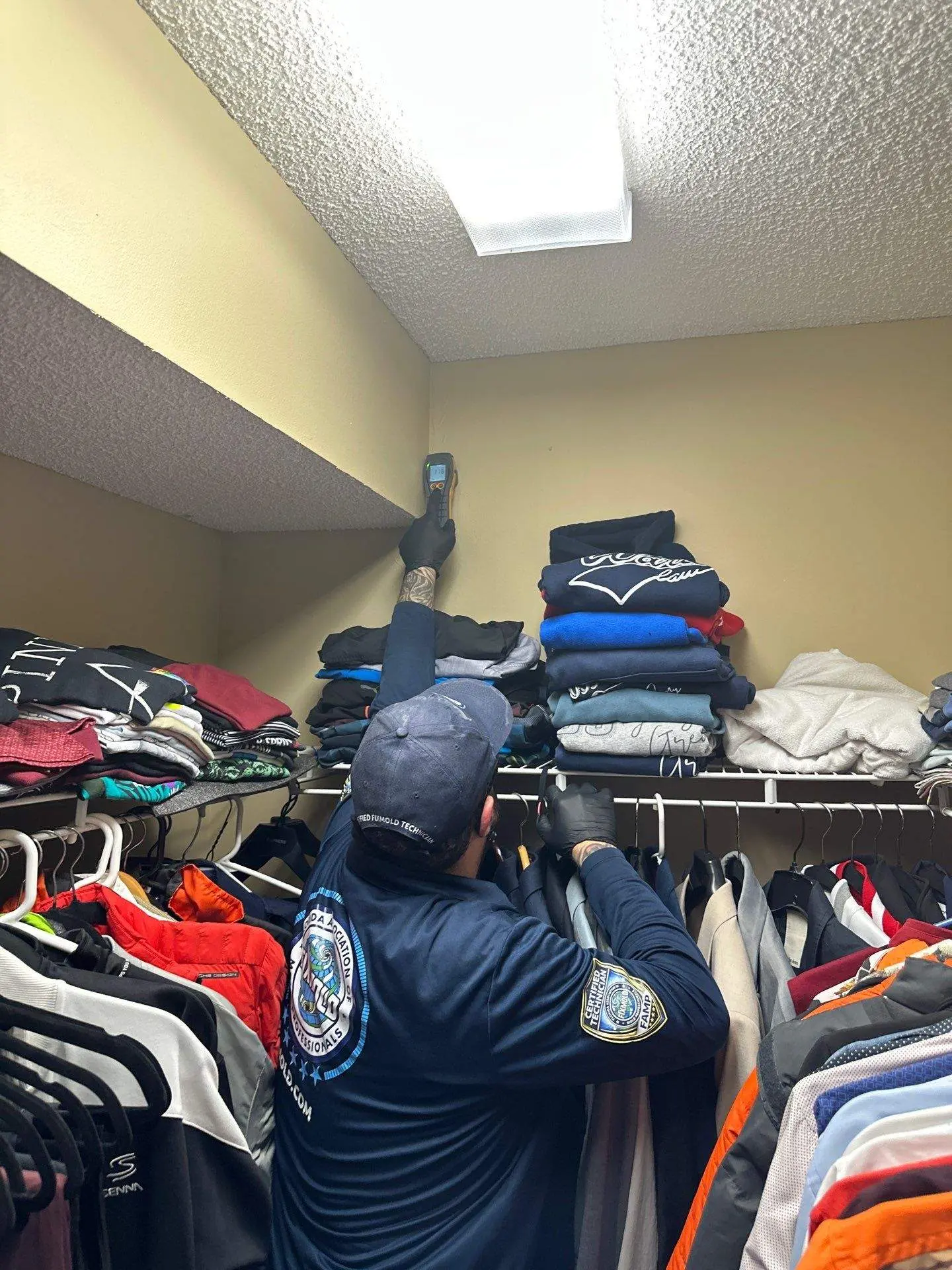
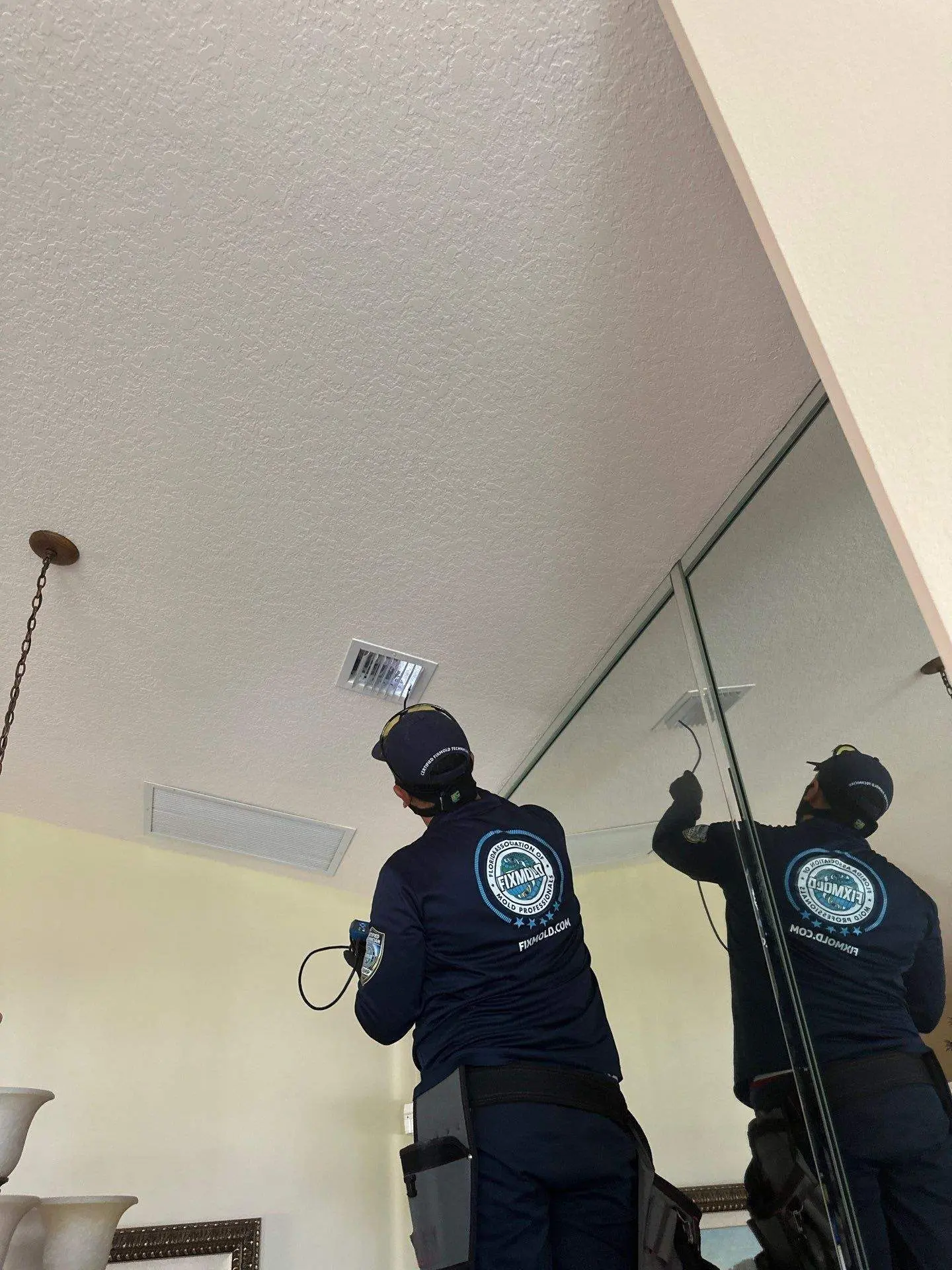
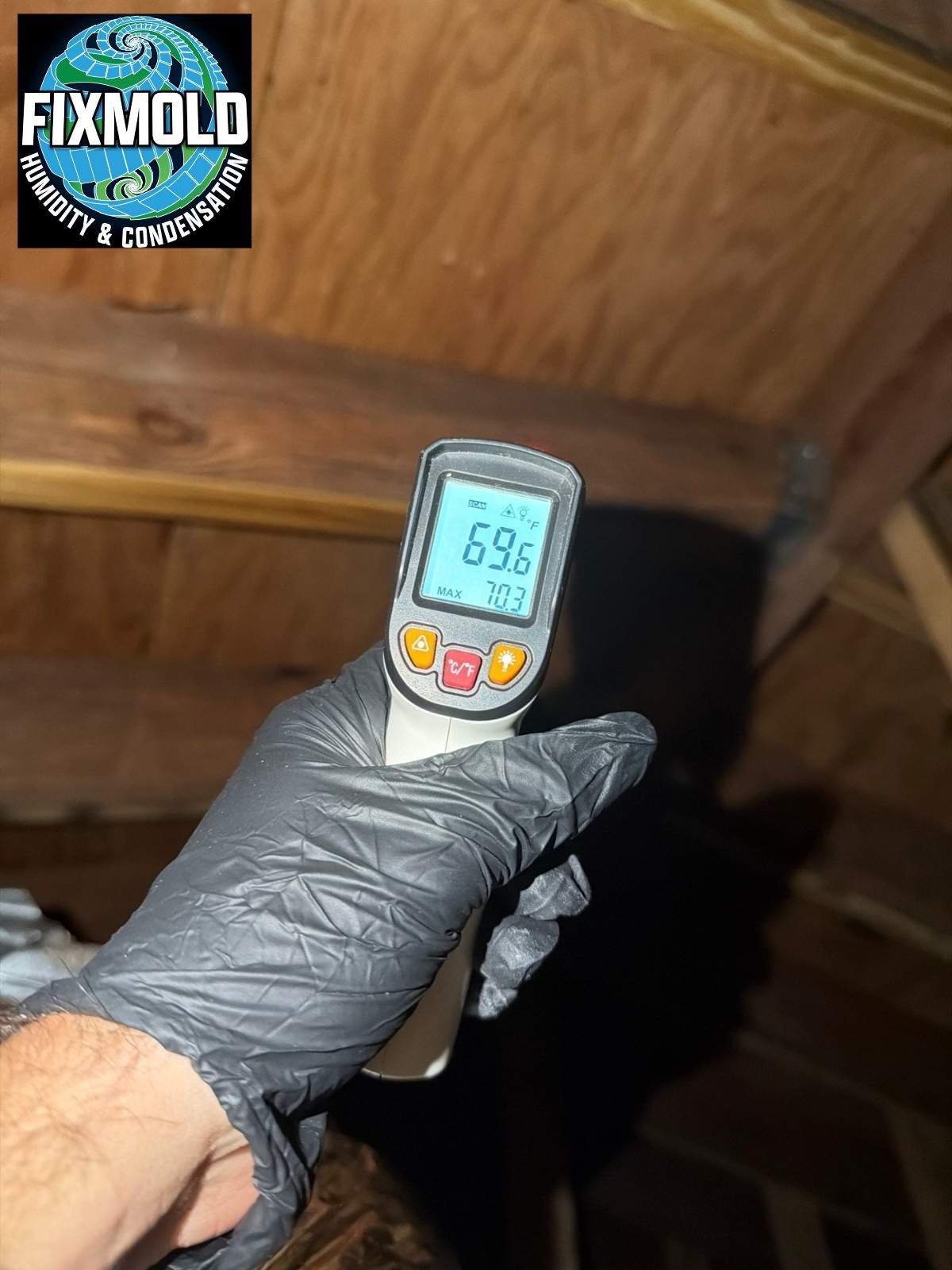
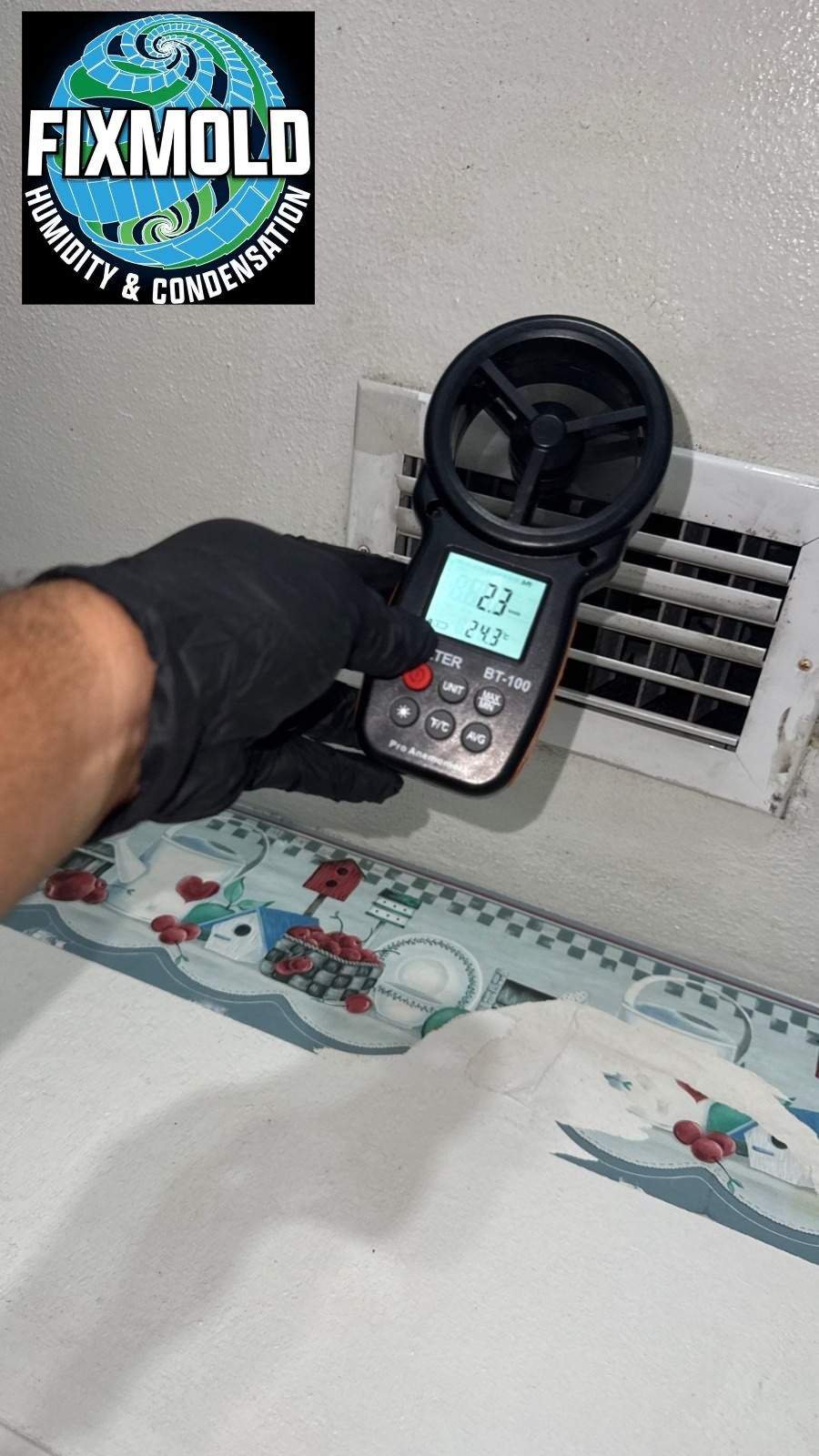
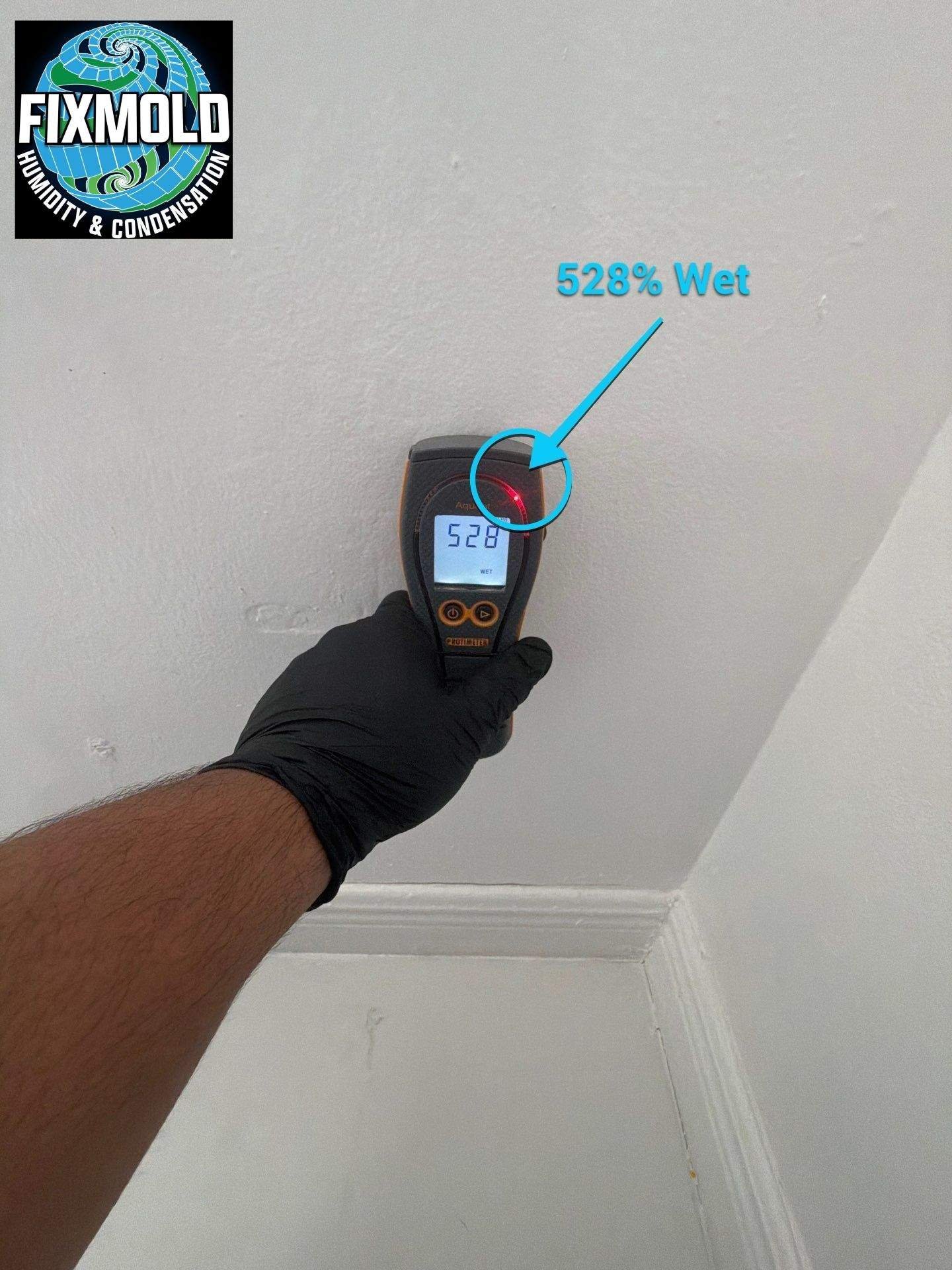
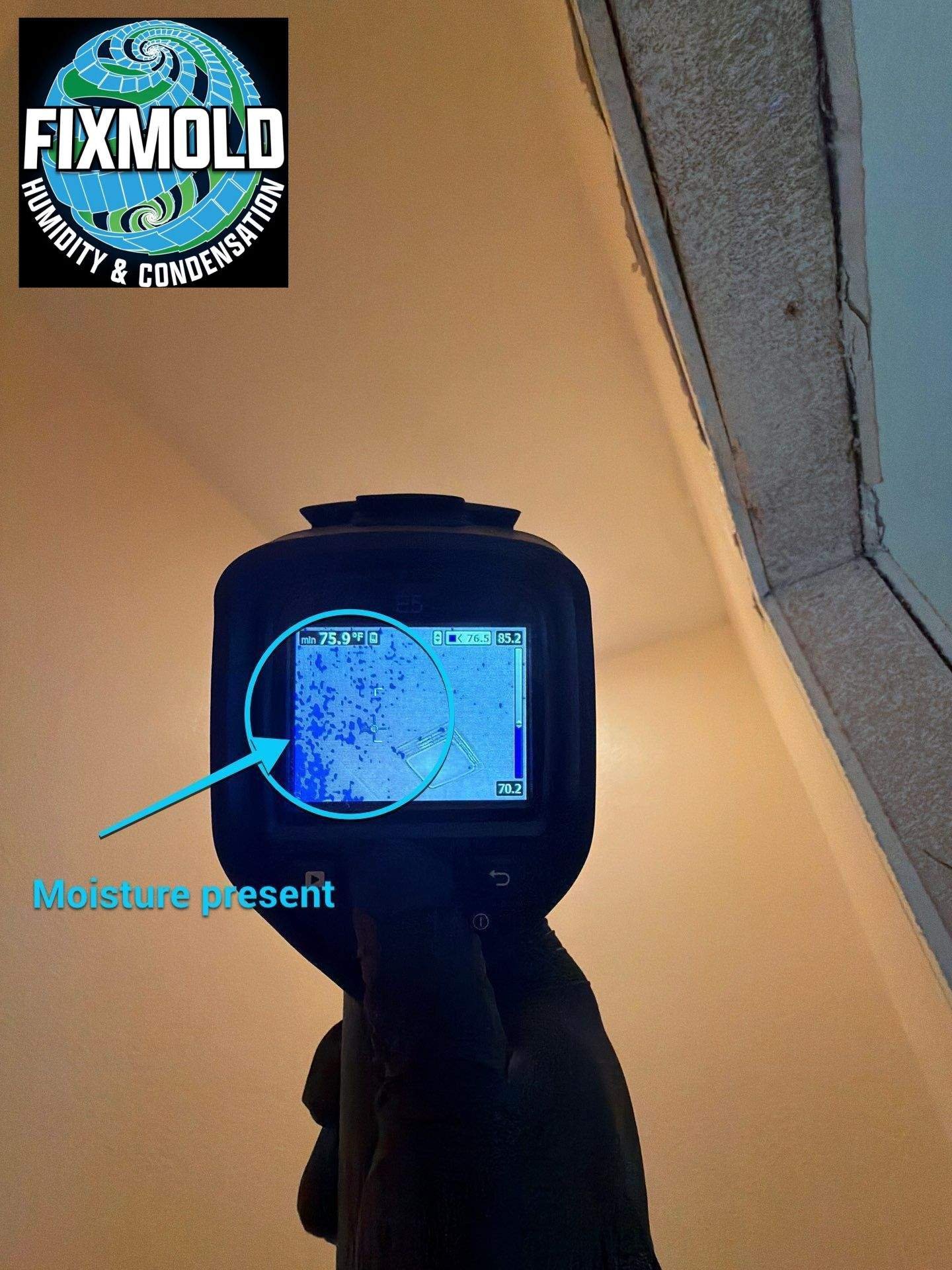
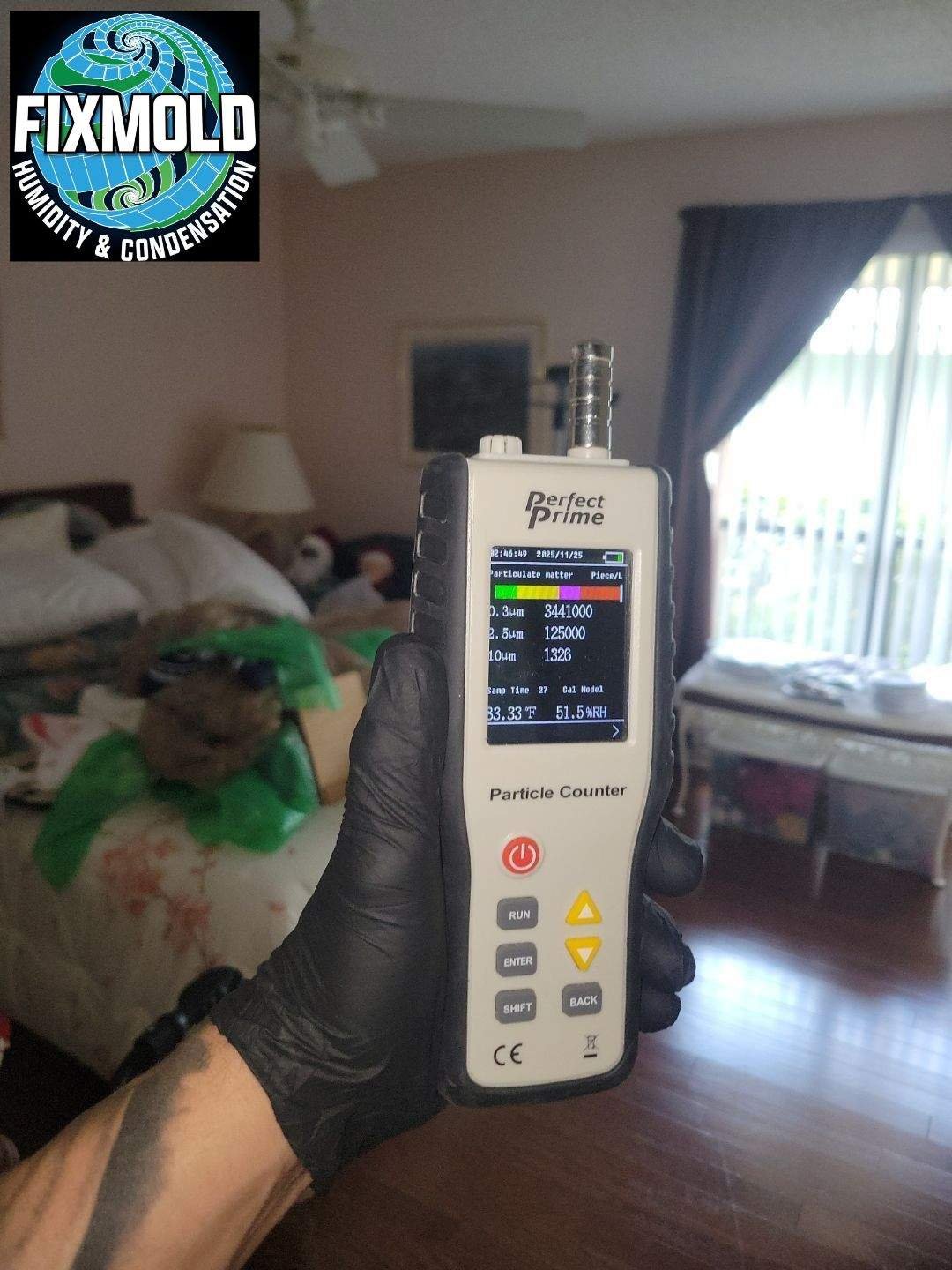
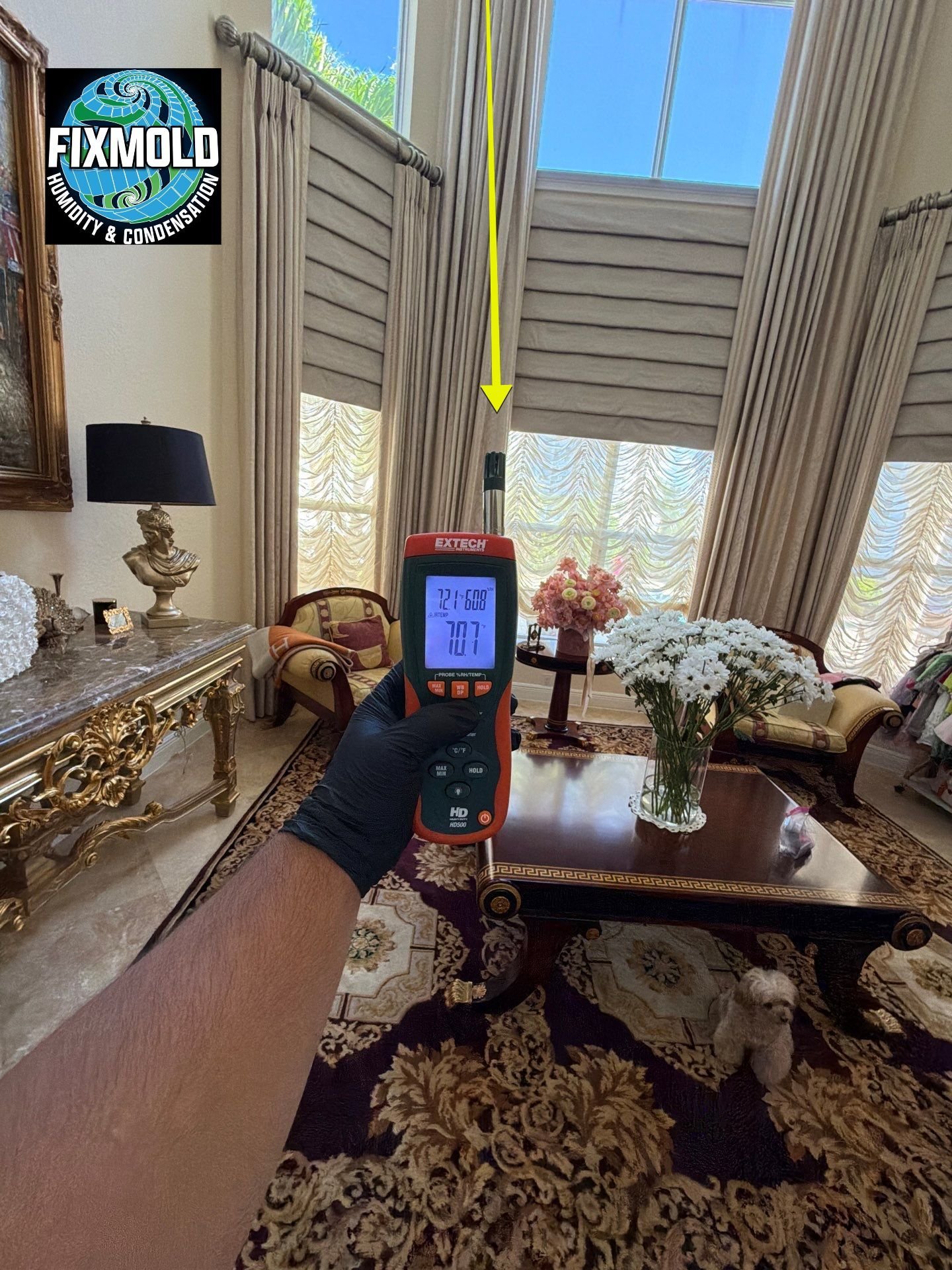
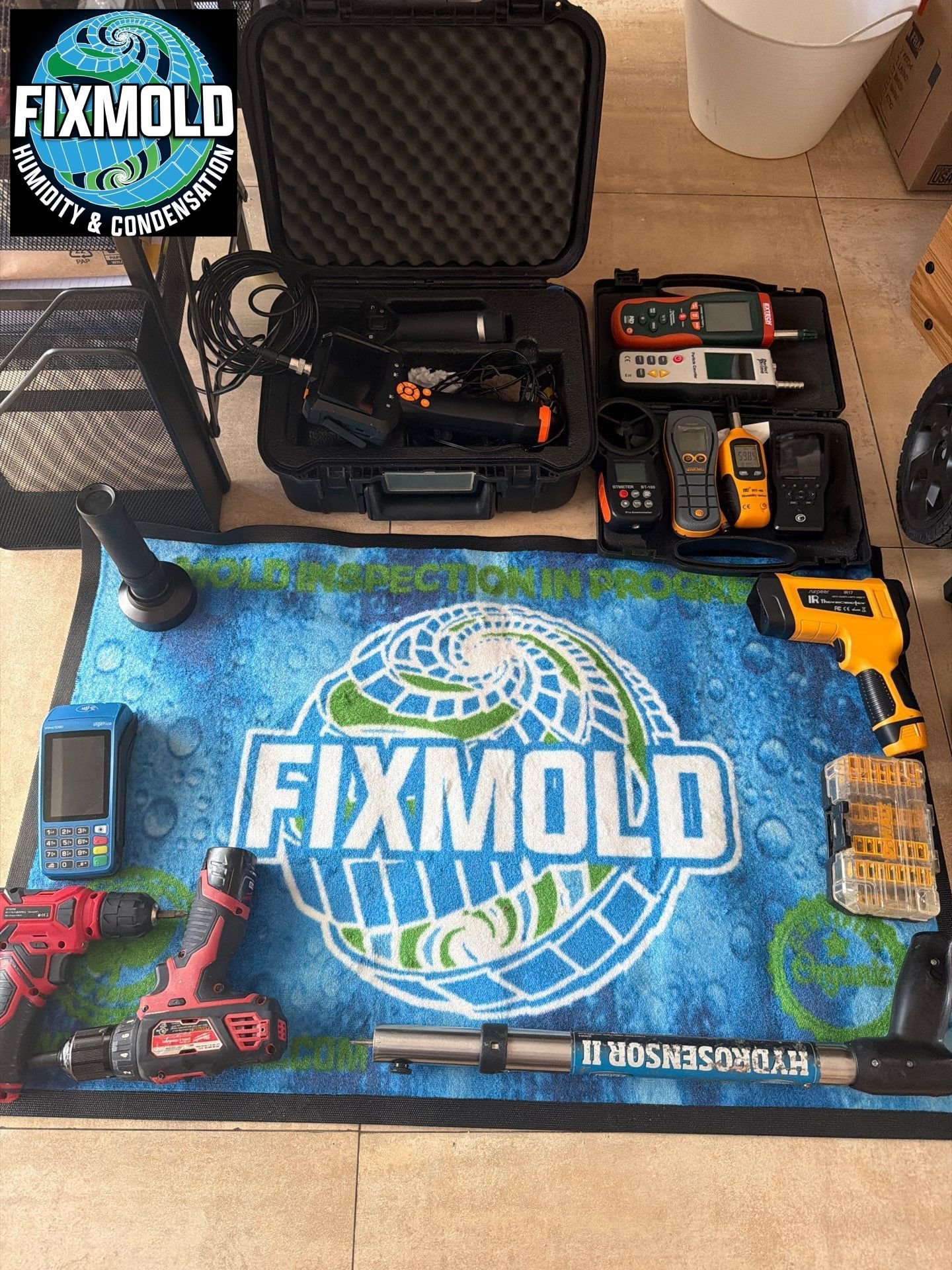
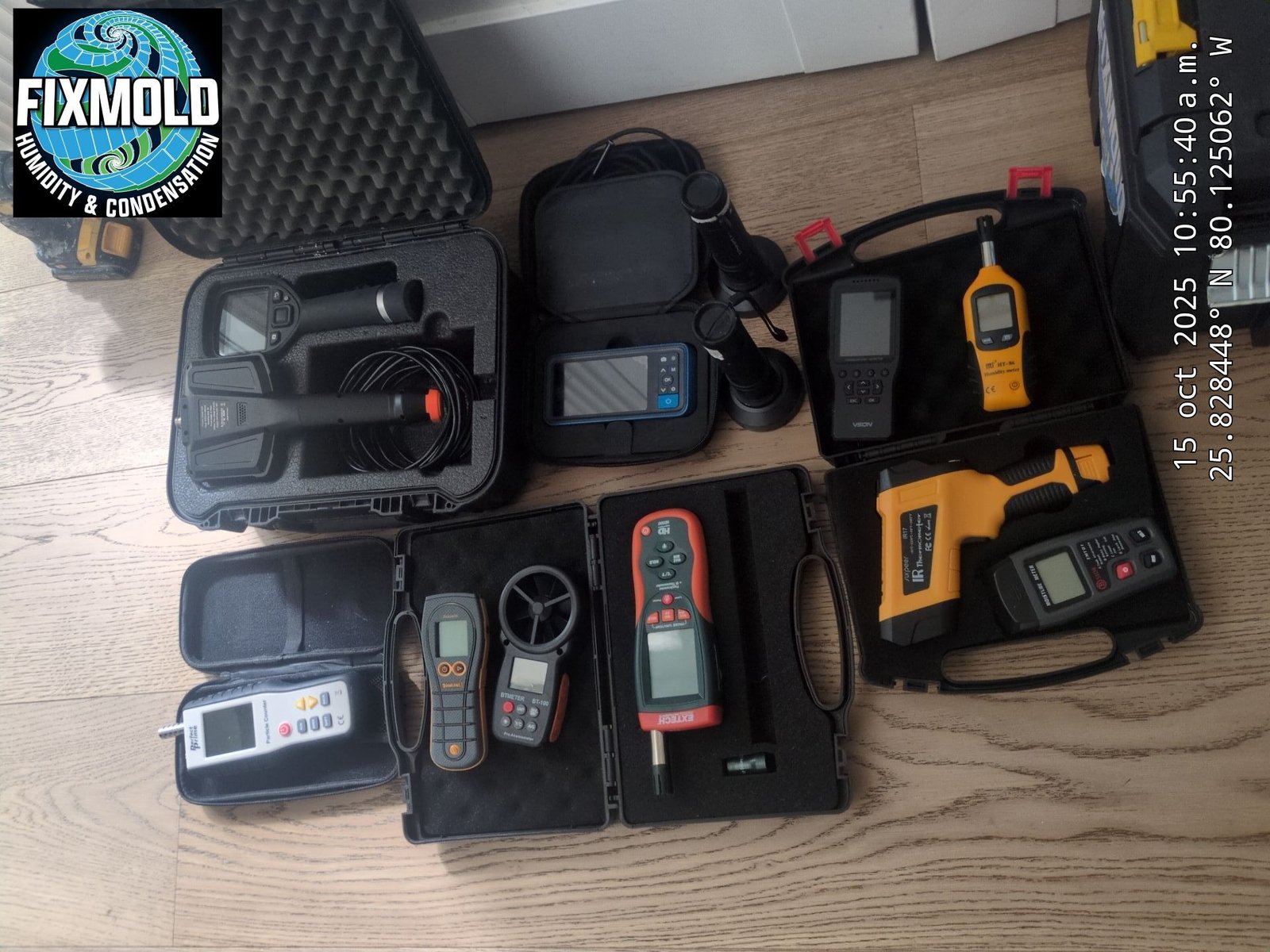
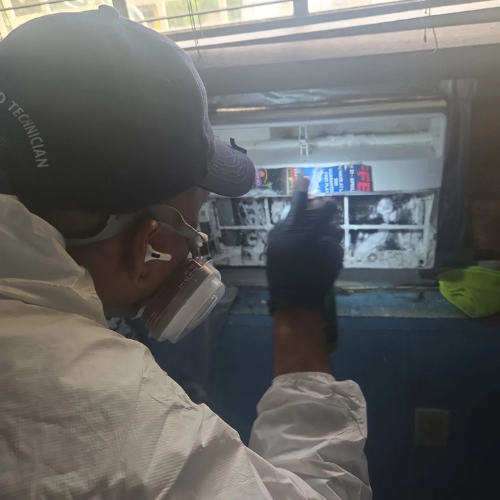
A commercial airplane mold inspection checks lavatories, galleys, ducting, cabin flooring, cargo holds and overhead panels for hidden moisture, using thermal imaging and moisture-detection equipment, with lab sampling when warranted.
Yes. Surface cleaning addresses what's visible on carpet and seats, but it doesn't reach moisture that has migrated into subfloor materials, insulation or ducting.
Yes. We coordinate with your maintenance and ground operations team to fit existing downtime windows rather than requiring separate aircraft-out-of-service time.
Reactions to mold exposure vary by individual and the extent of exposure. People with asthma, weakened immune systems, or chronic respiratory conditions may be more sensitive, see our page on mold and the immune system for more detail. Symptoms alone can't confirm a mold problem; testing is what provides a factual answer.
That depends on aircraft usage and your operation's own maintenance cycle β this is worth discussing directly with our team based on your fleet's specific patterns.
Cost depends on aircraft size, the scope of inspection, and whether lab sampling is included. Contact us directly for a quote based on your specific aircraft and fleet size.
Not every cabin odor is mold, smoke residue, cleaning chemicals, catering waste and bacterial growth can all cause similar smells. A commercial airplane mold inspection uses moisture detection and, when warranted, lab sampling to determine whether the odor source is actually mold or something else.
Inspections are scheduled to work within your aircraft's existing maintenance downtime where possible. The exact time required depends on the aircraft and scope of inspection, this is best discussed directly with our team for your specific situation.
If multiple aircraft share similar storage conditions, cleaning procedures, or maintenance history, it's reasonable to consider checking others in the fleet β but this depends on your specific operation and is worth discussing with our team.
This is worth a direct conversation based on your fleet size and operational needs, contact us at 305-465-6653 to discuss options.