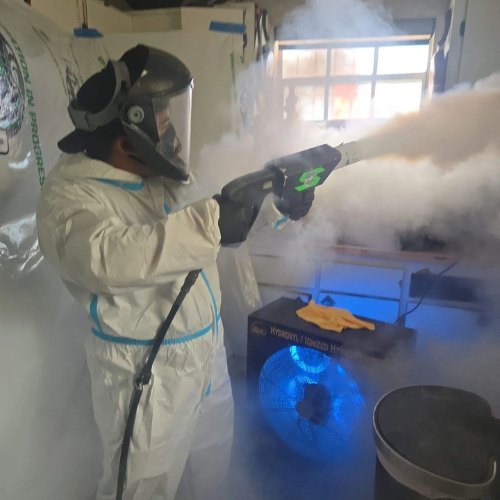
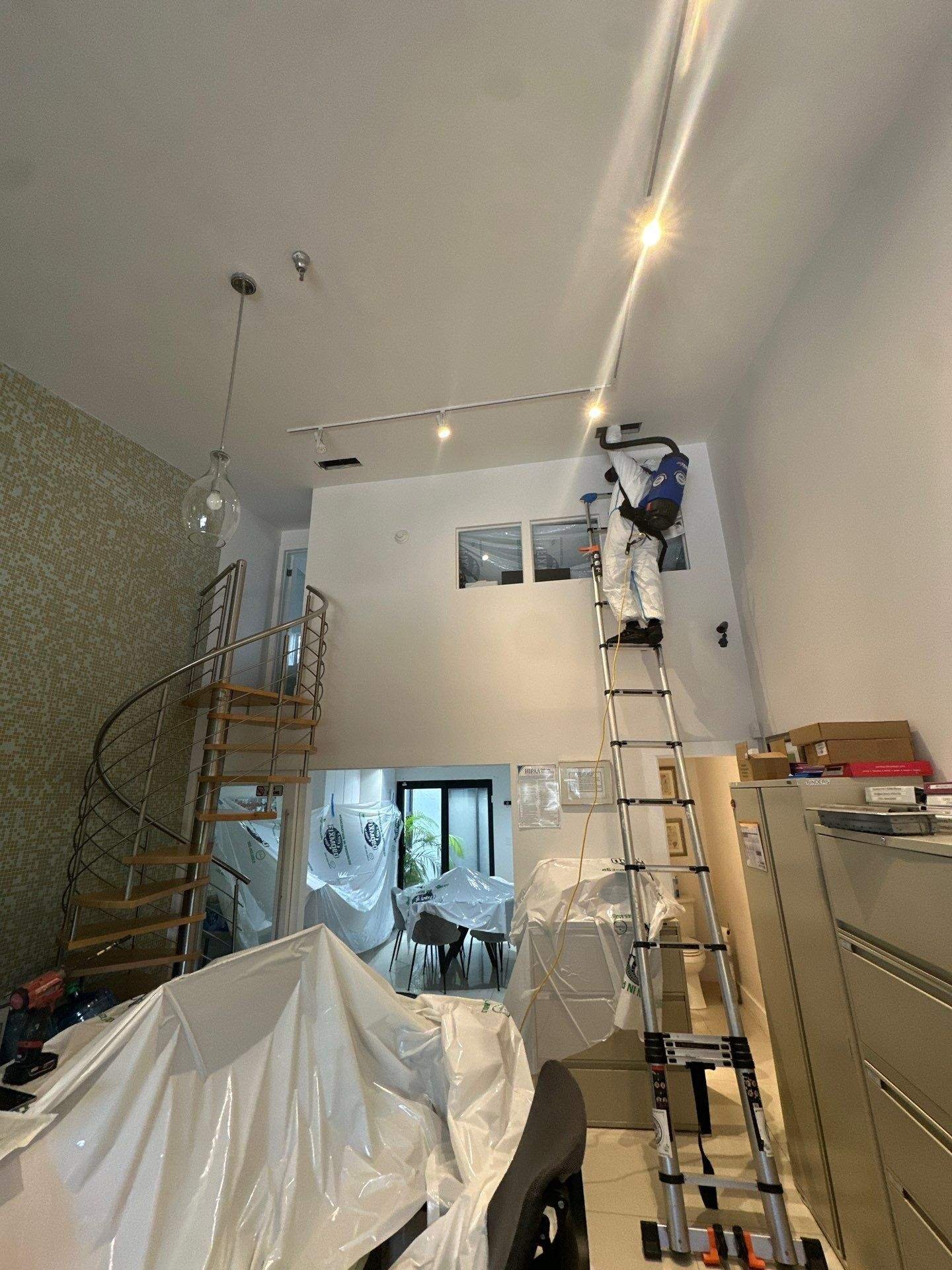
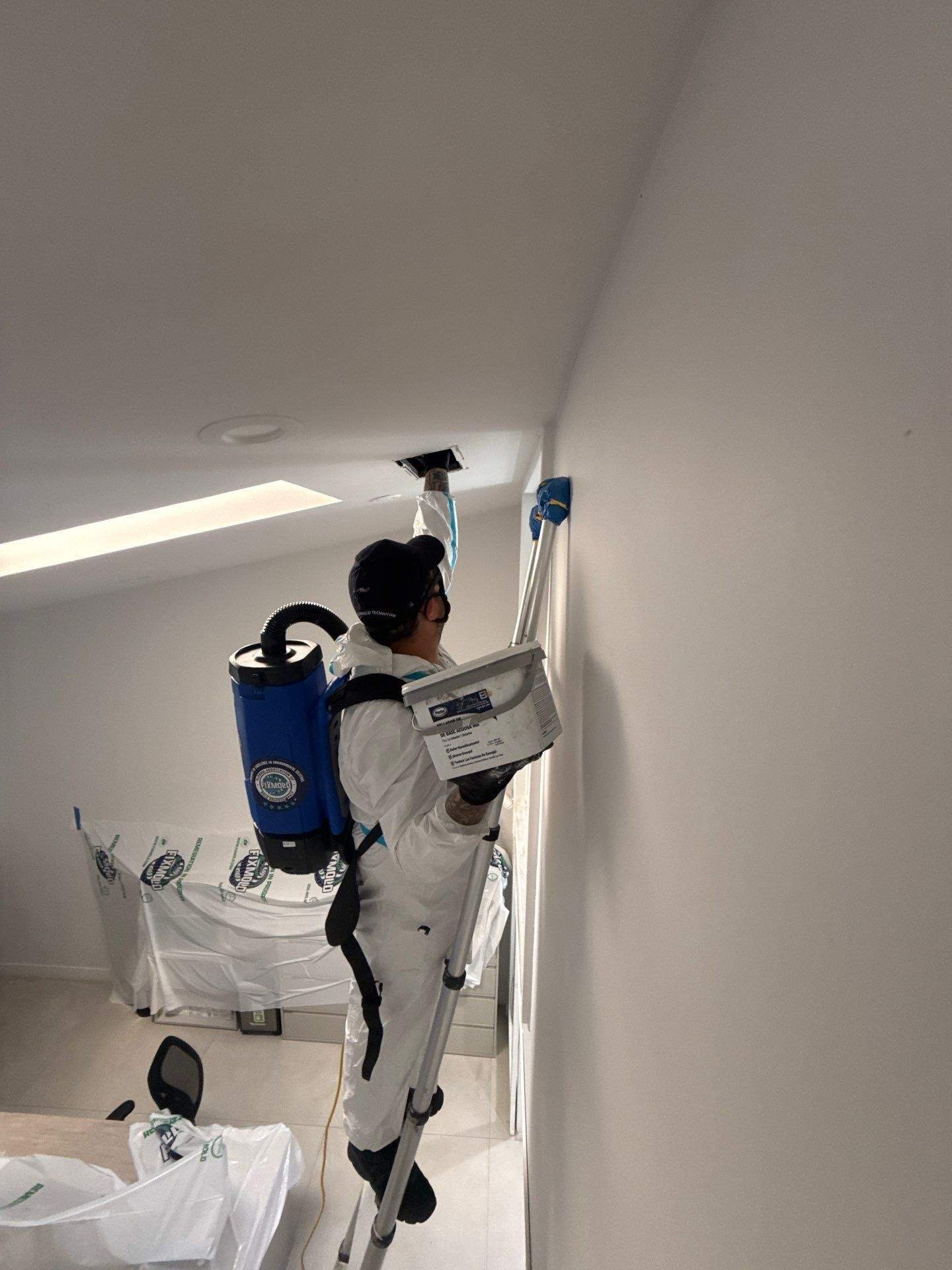
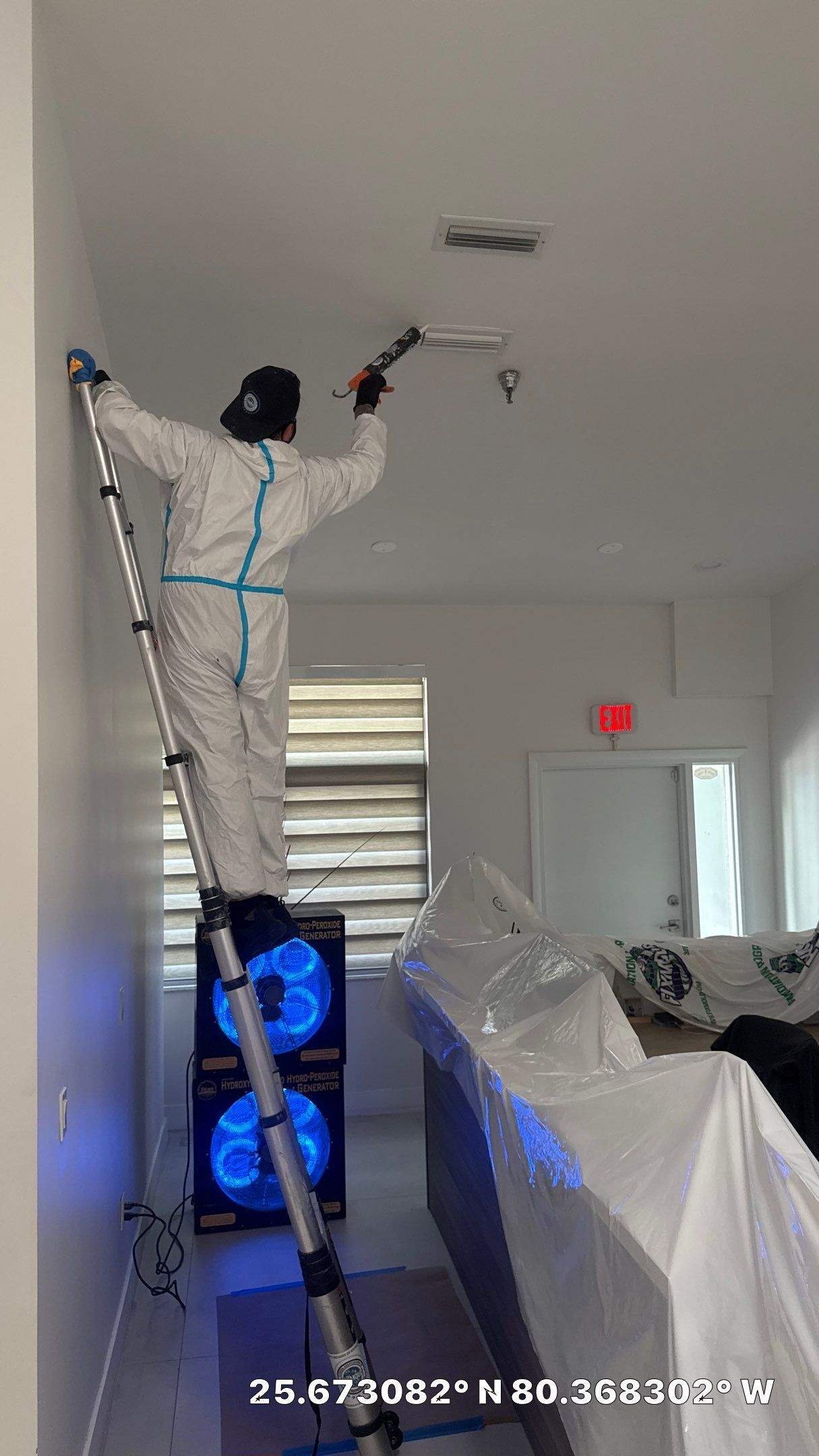
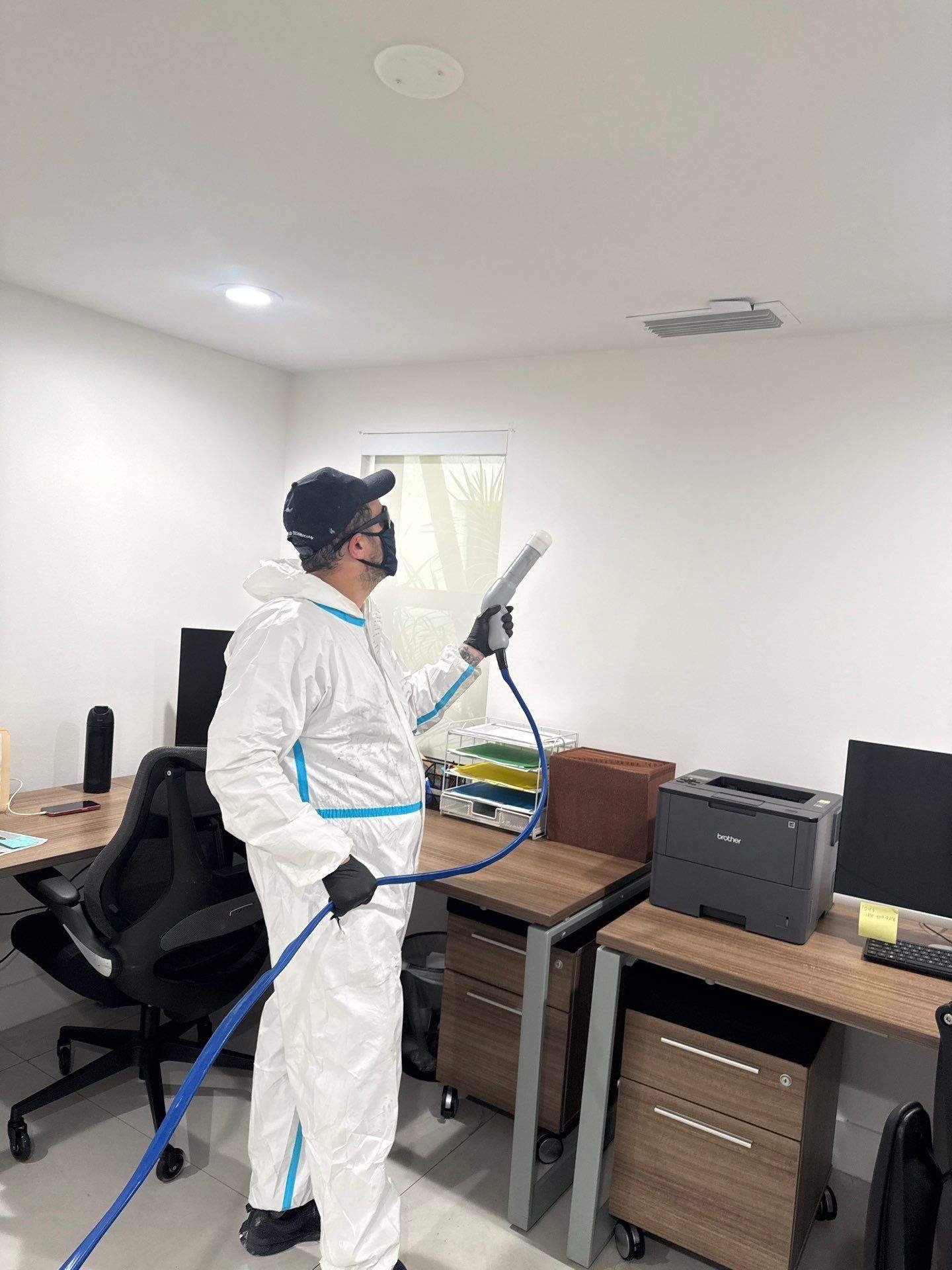
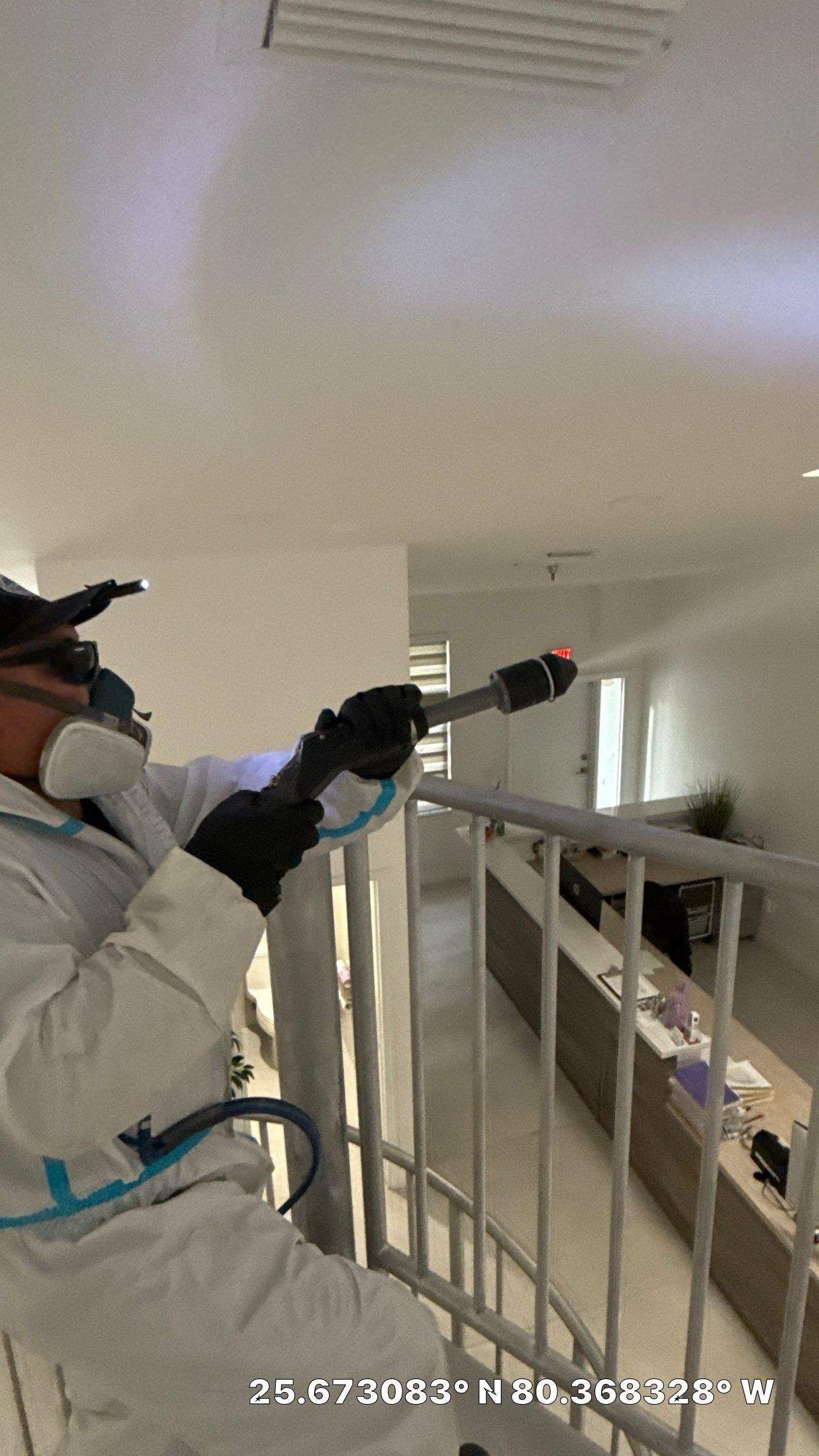
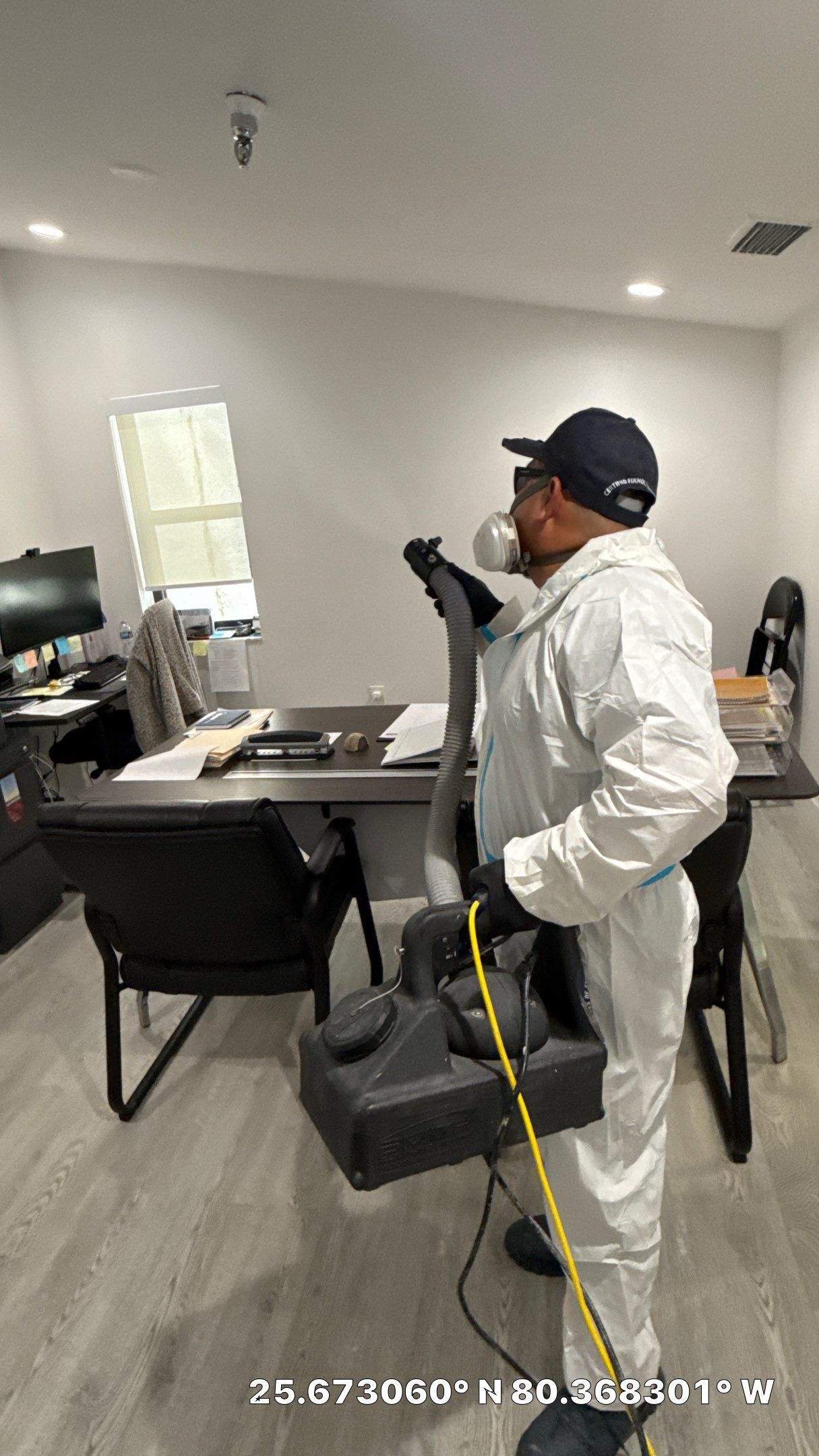
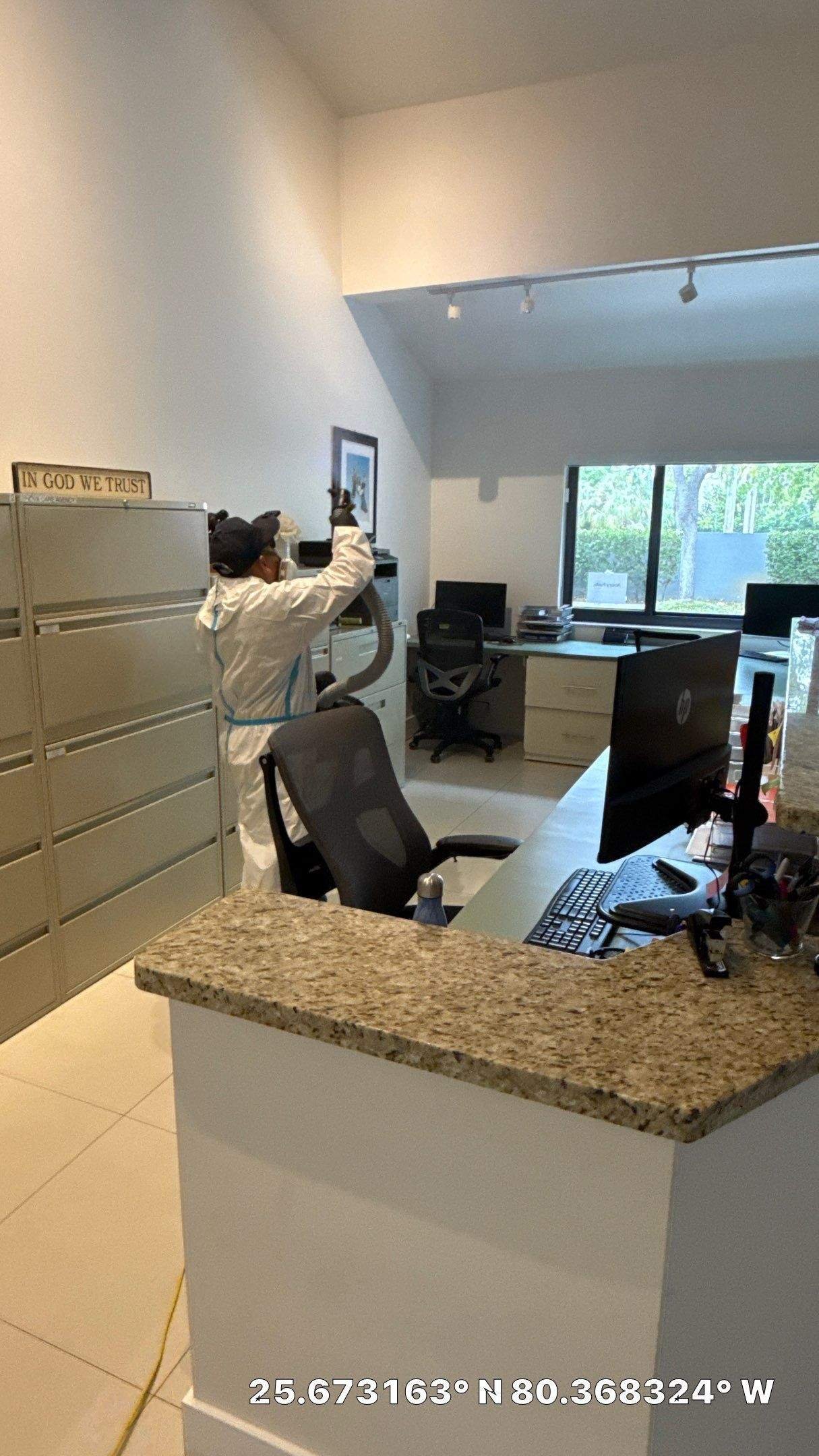
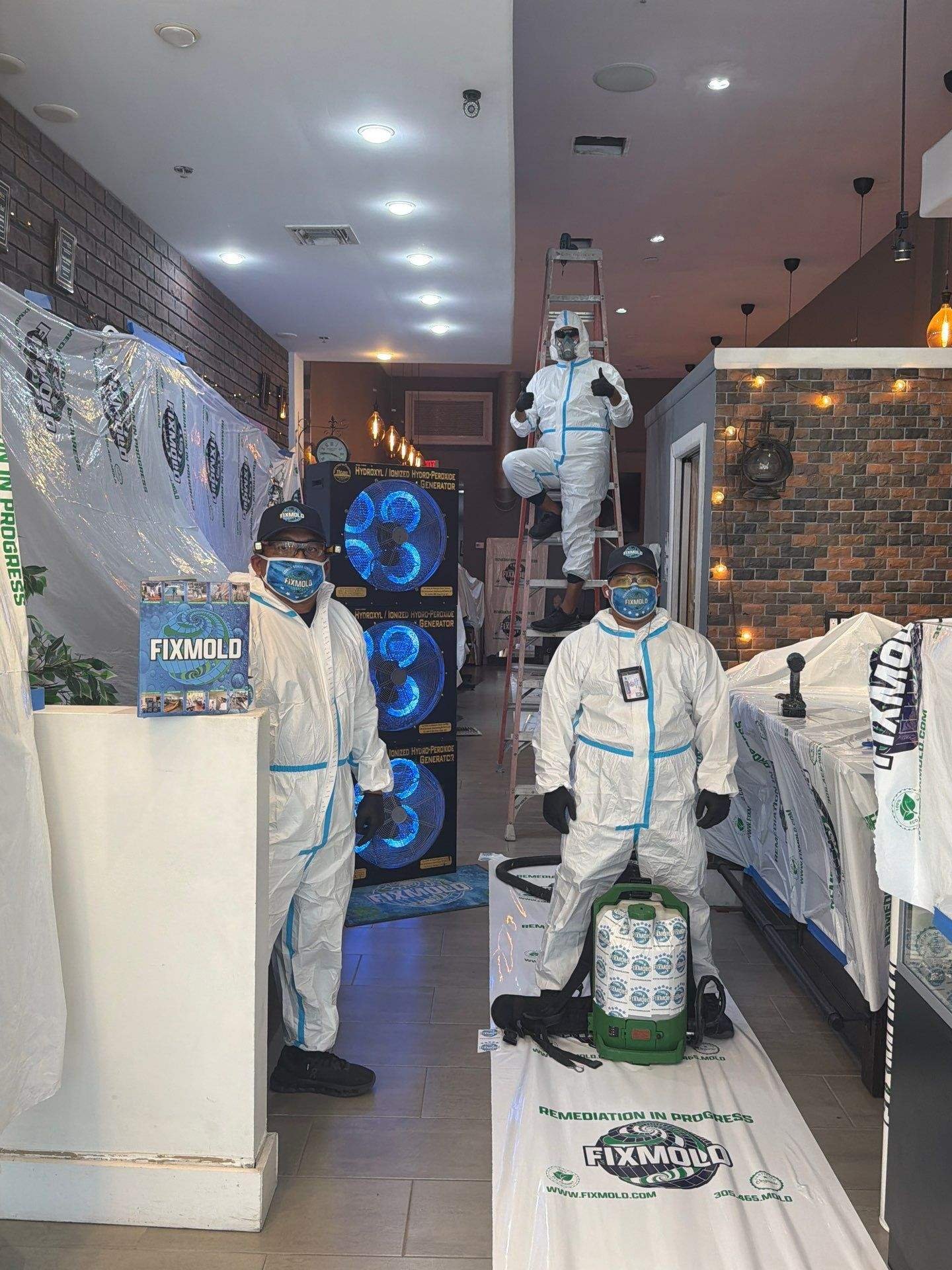
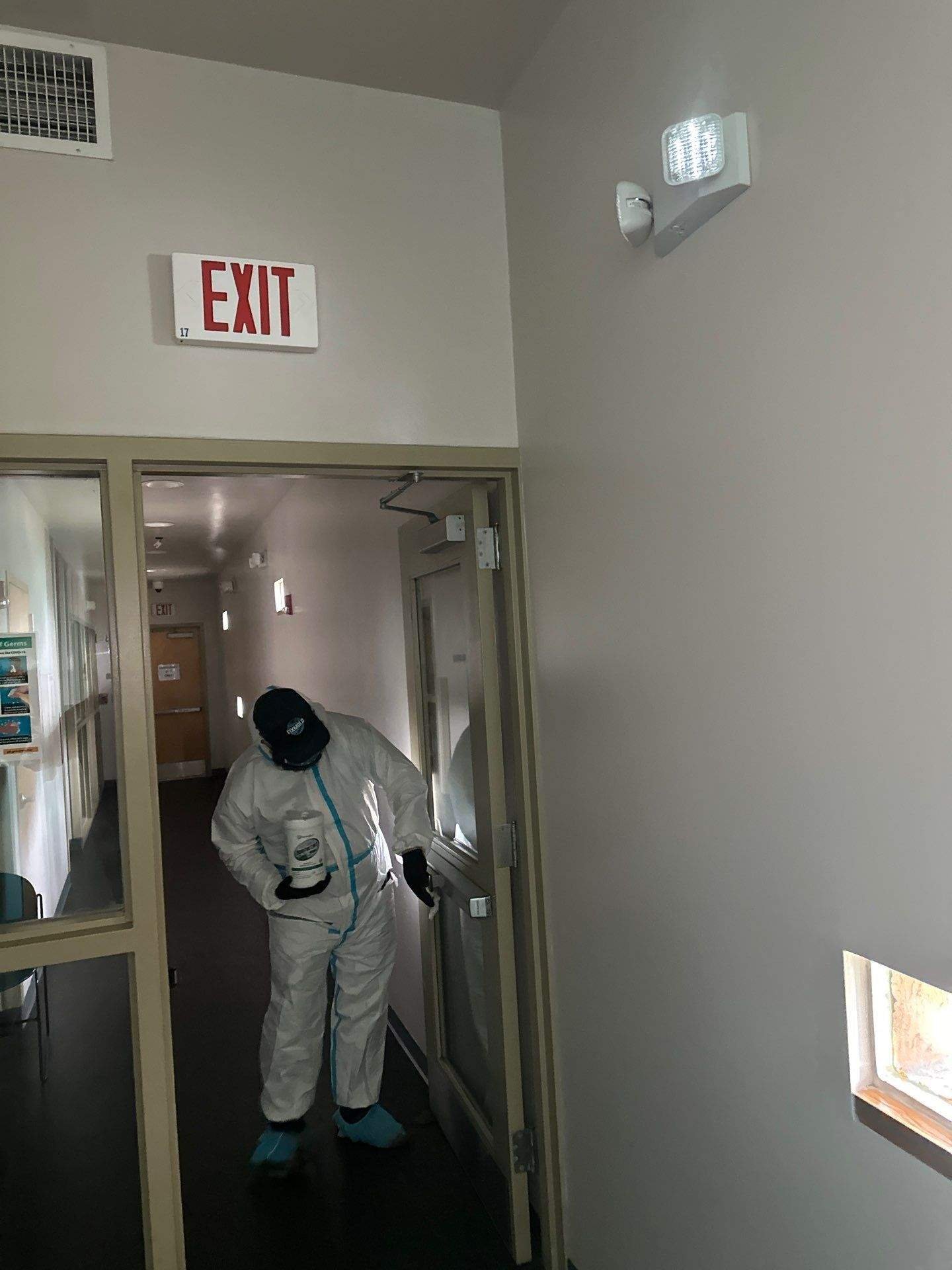
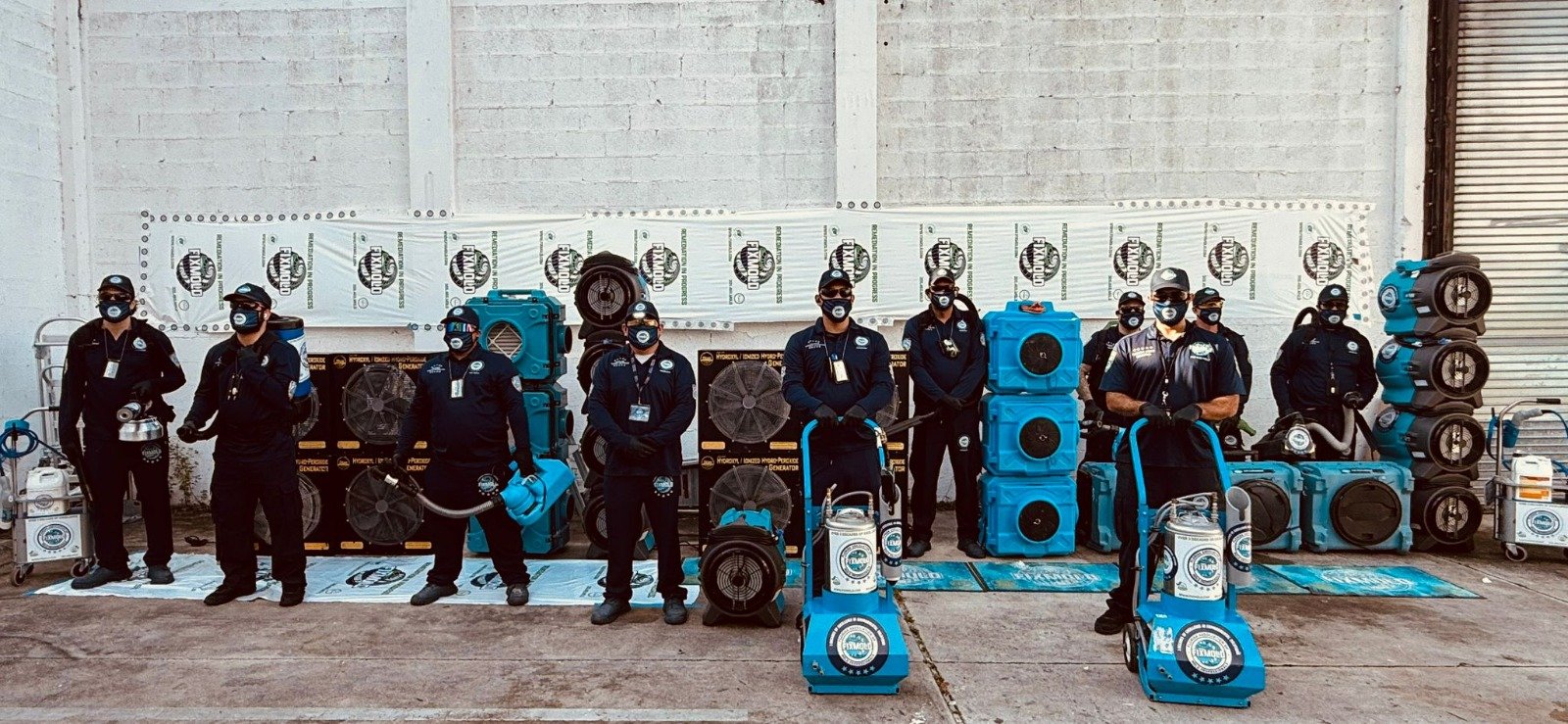
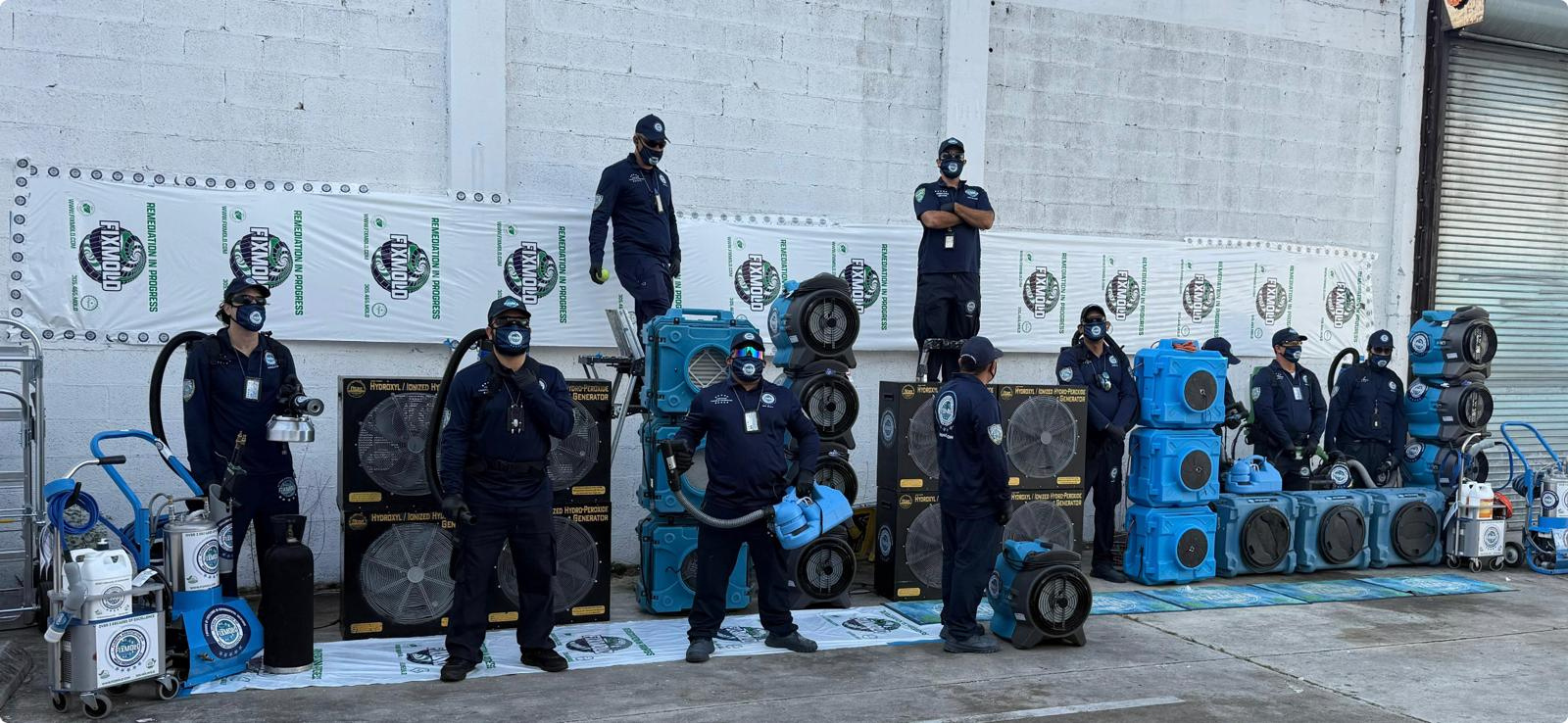
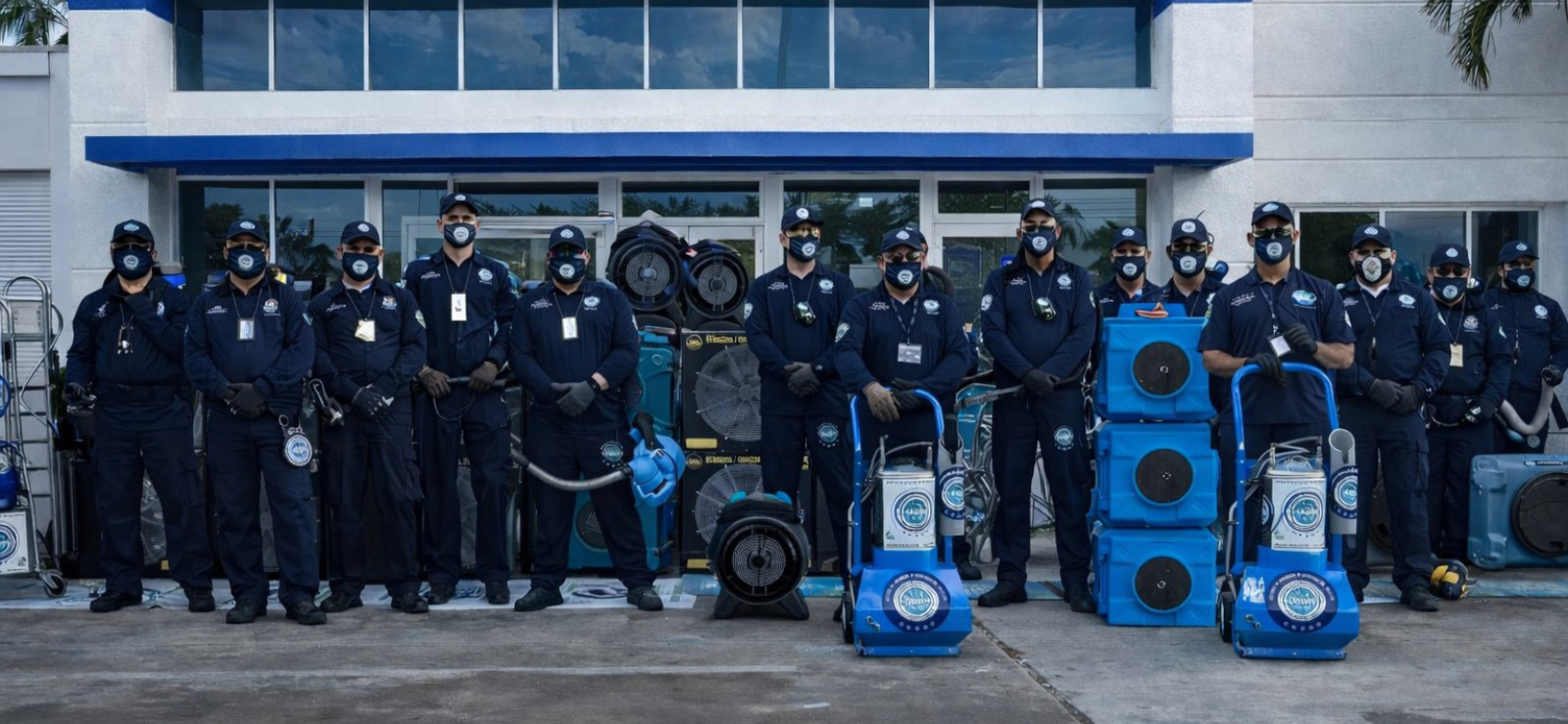
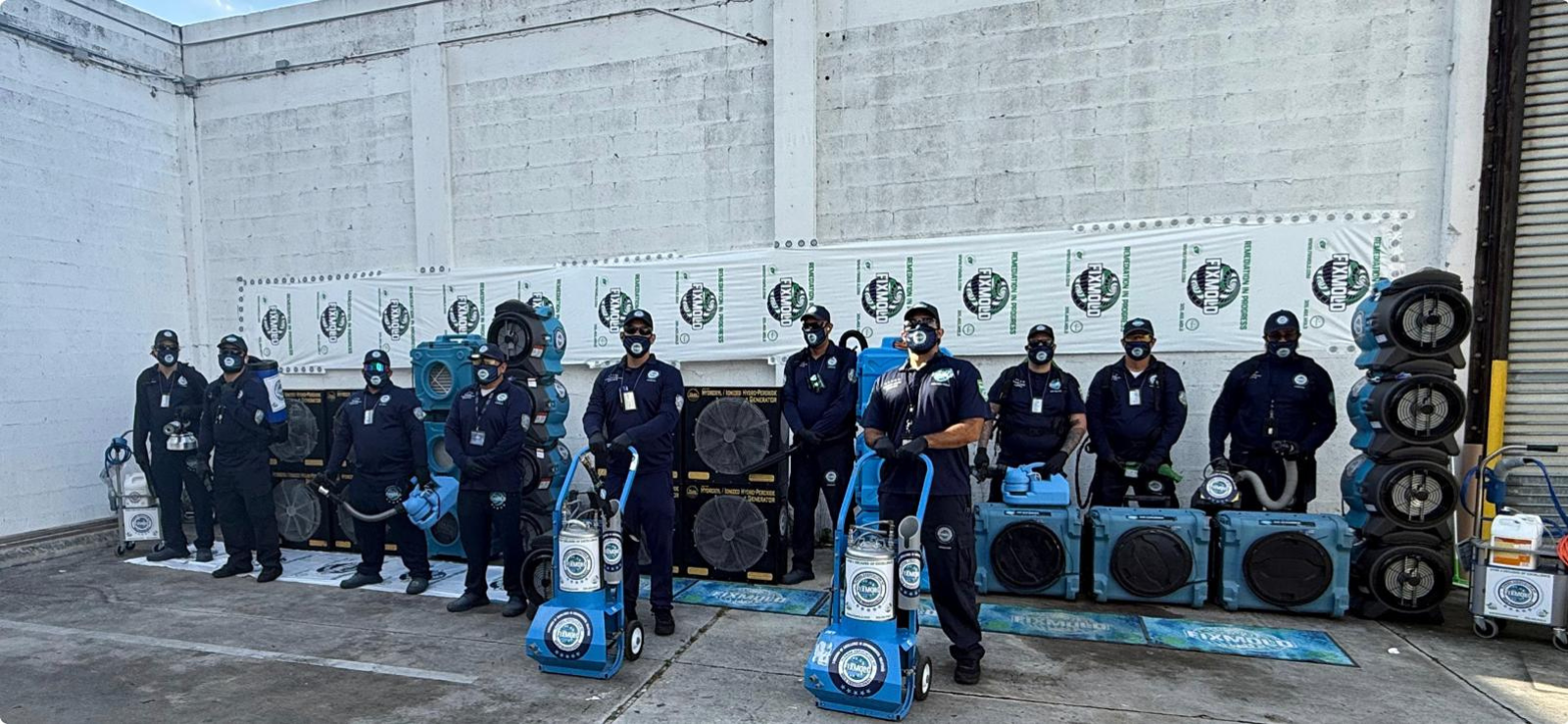
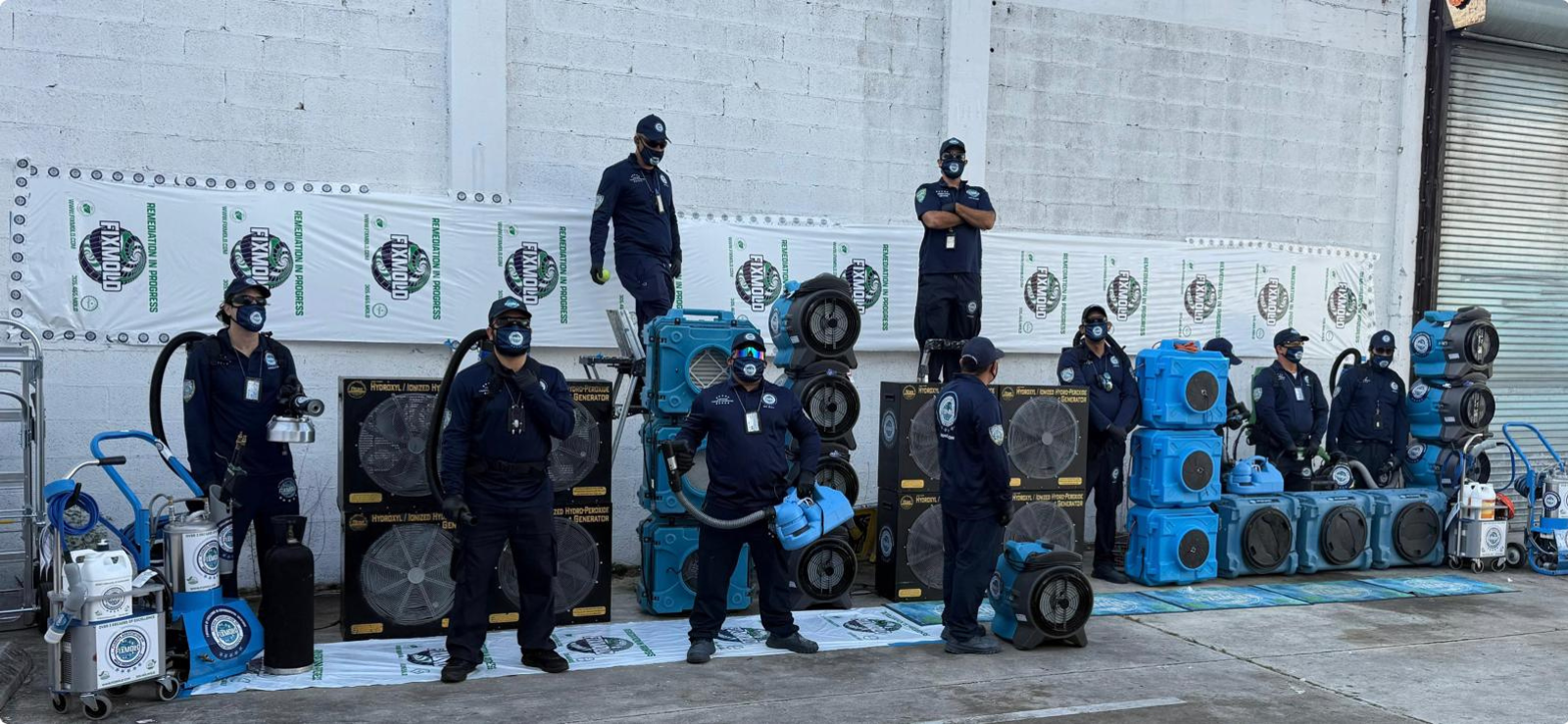
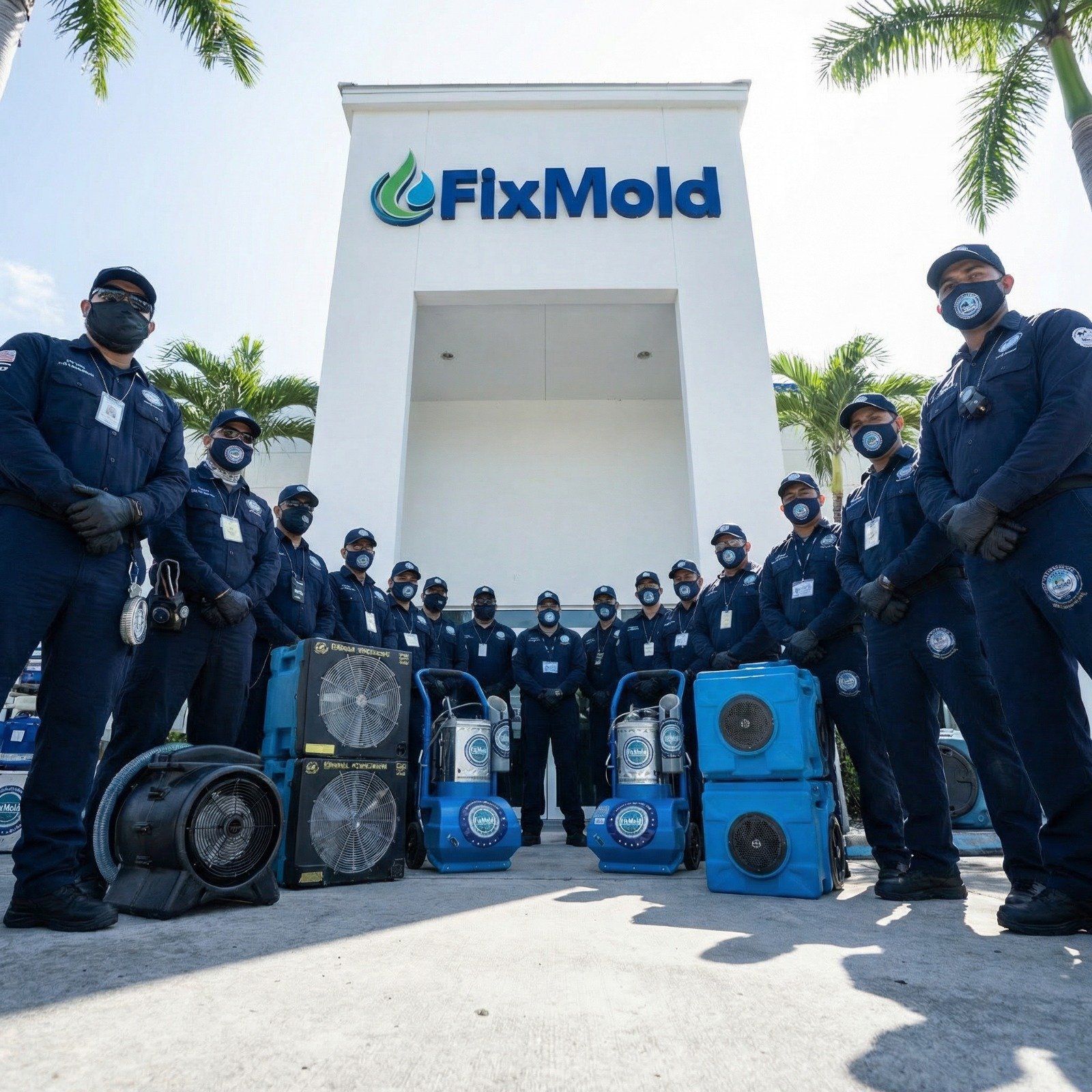
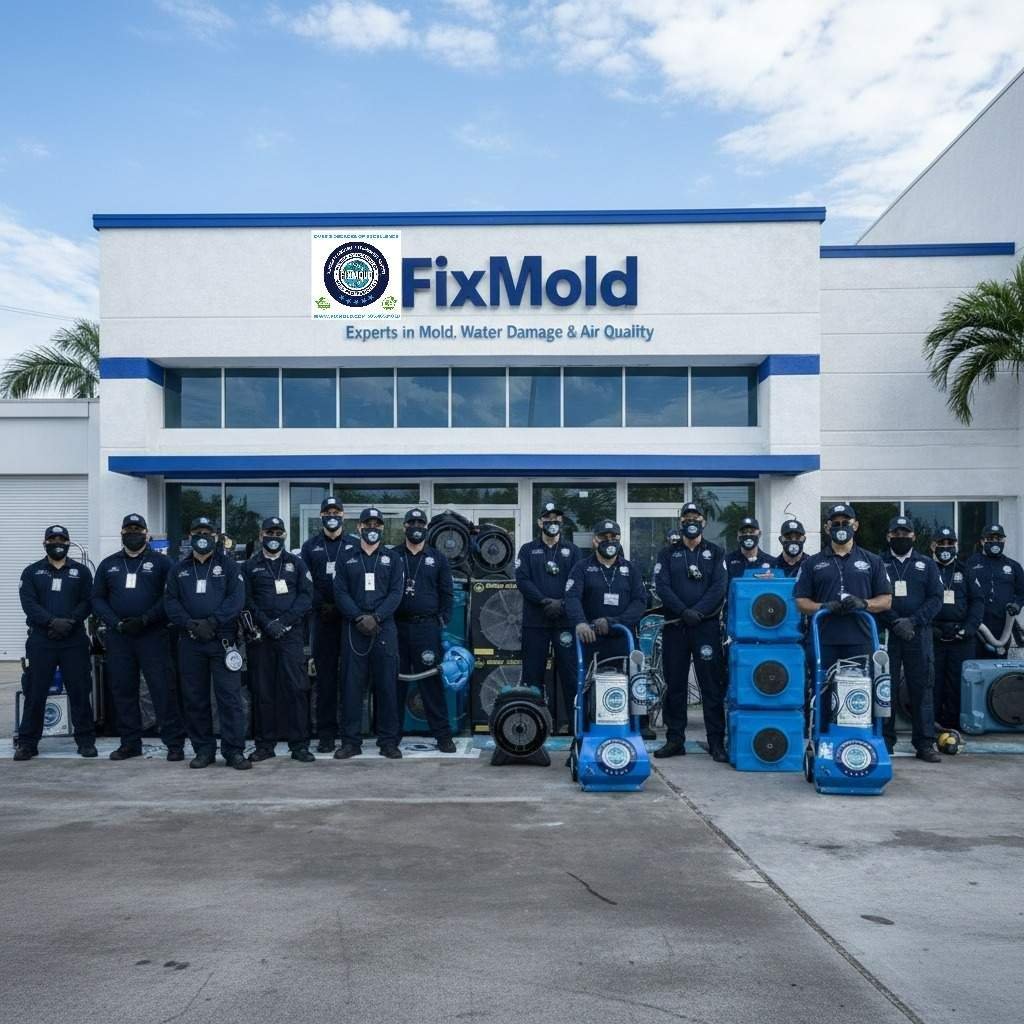
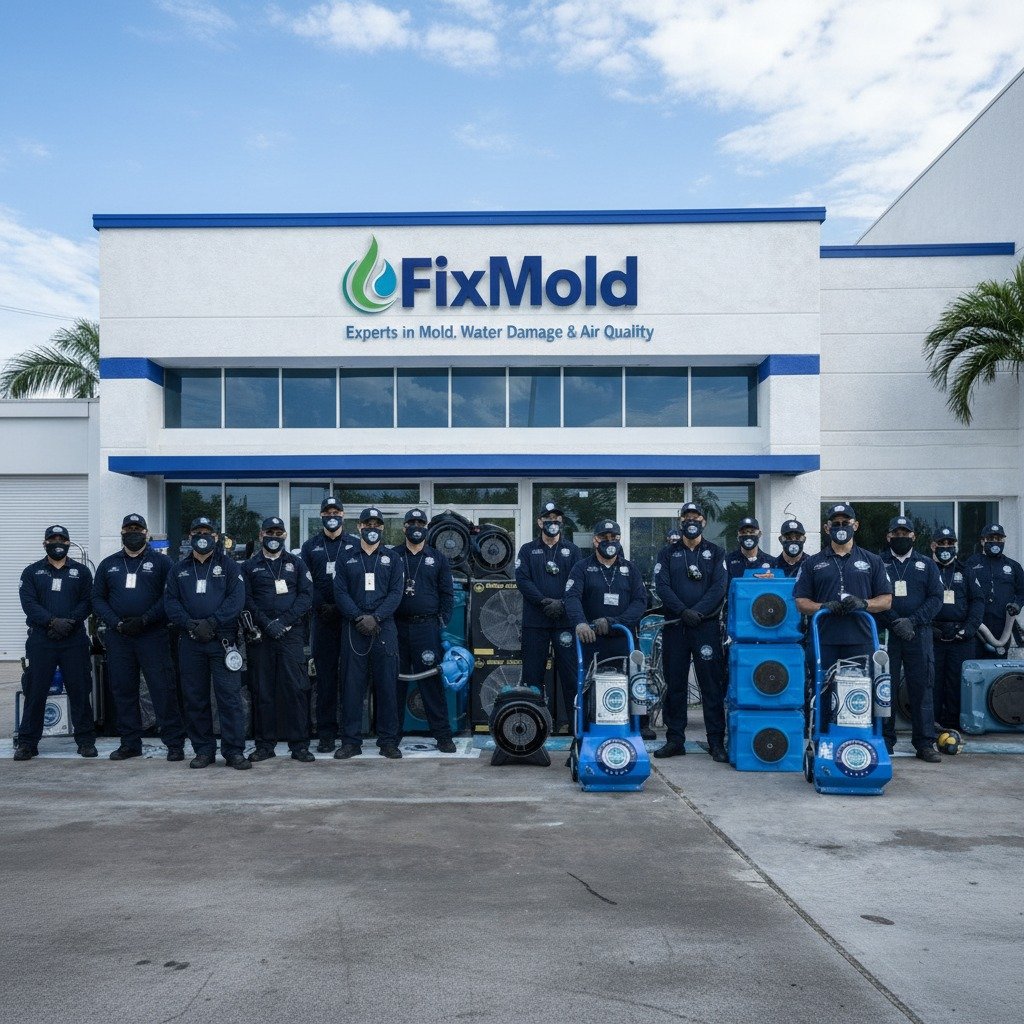
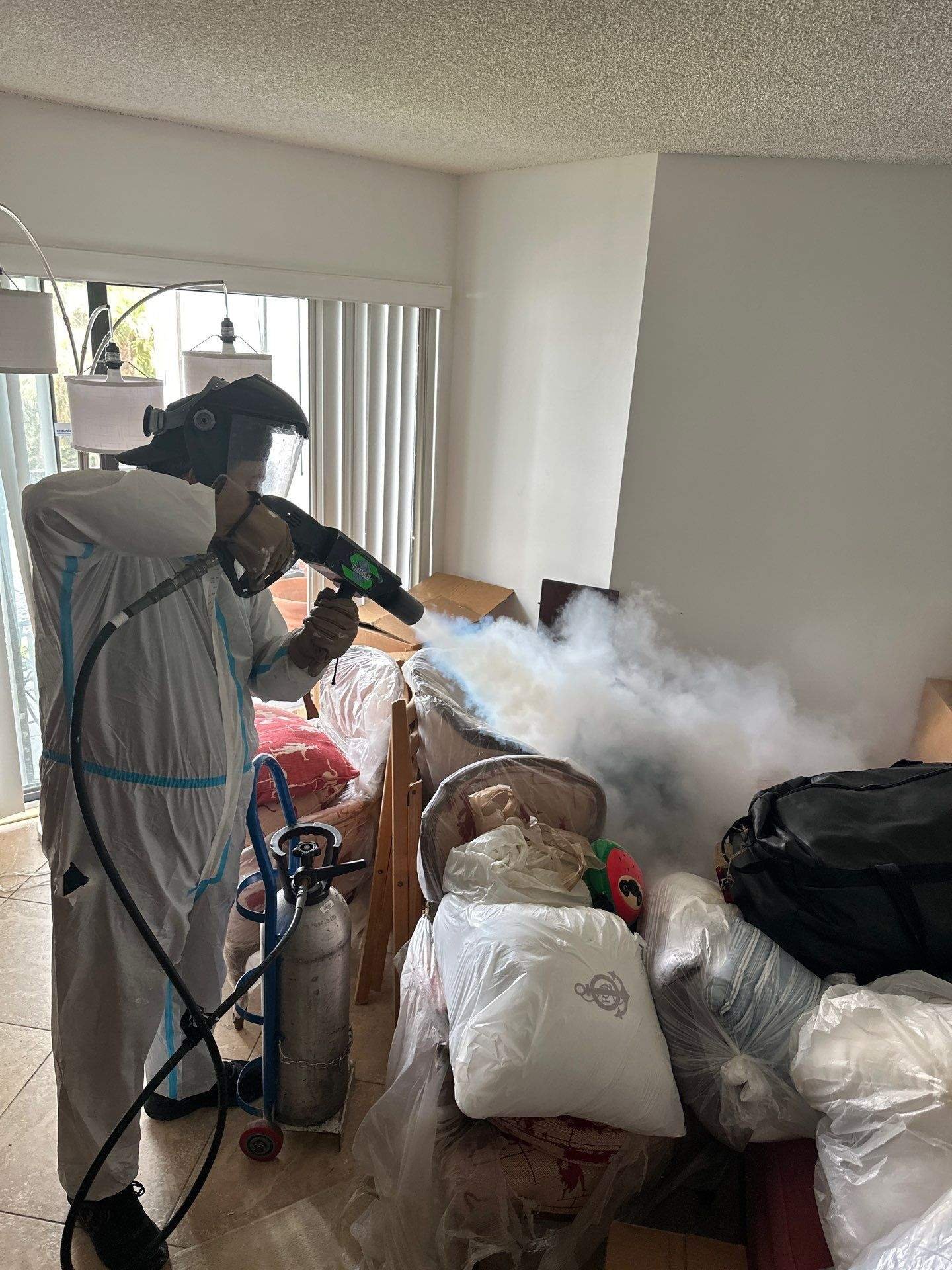
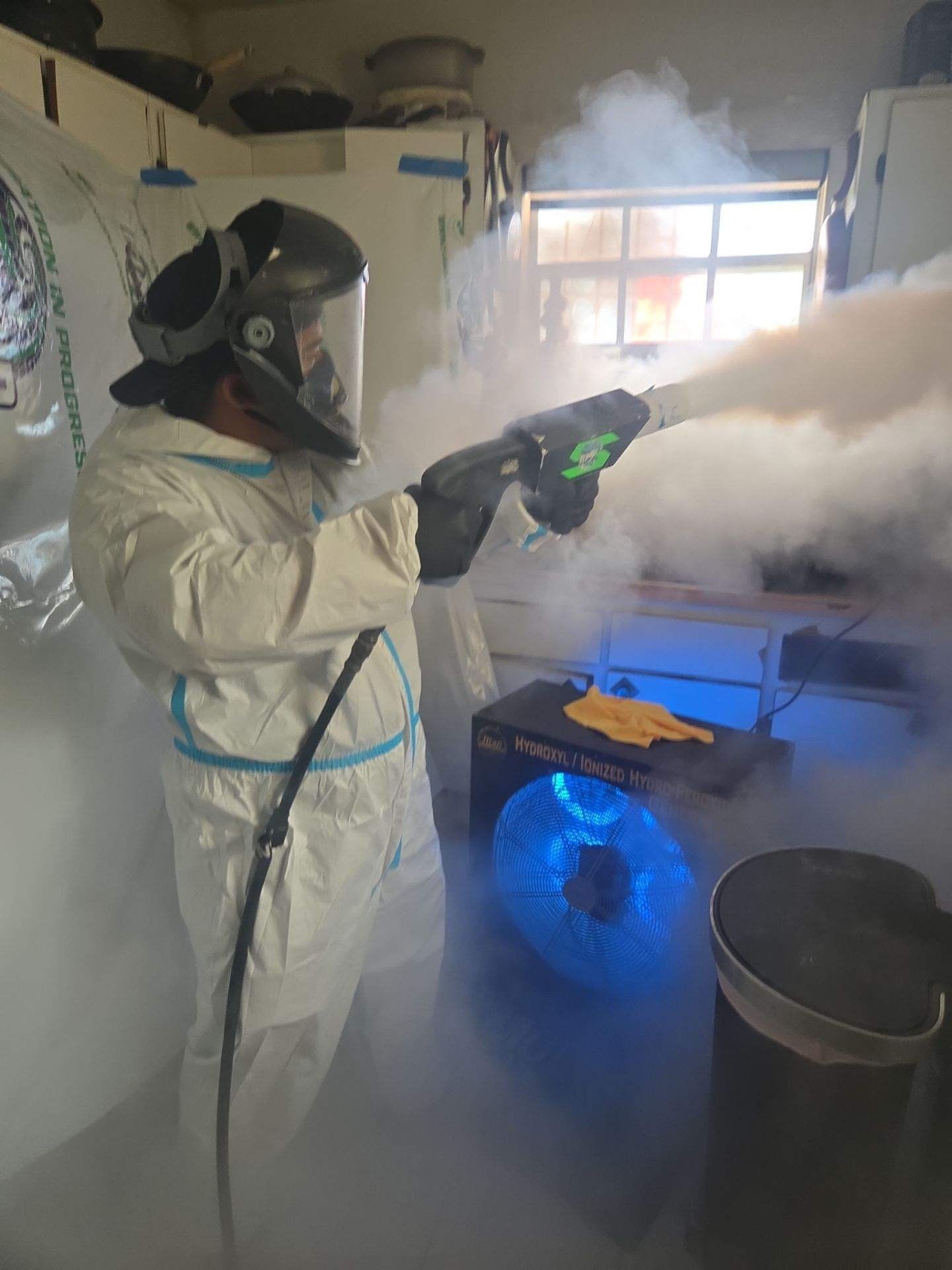
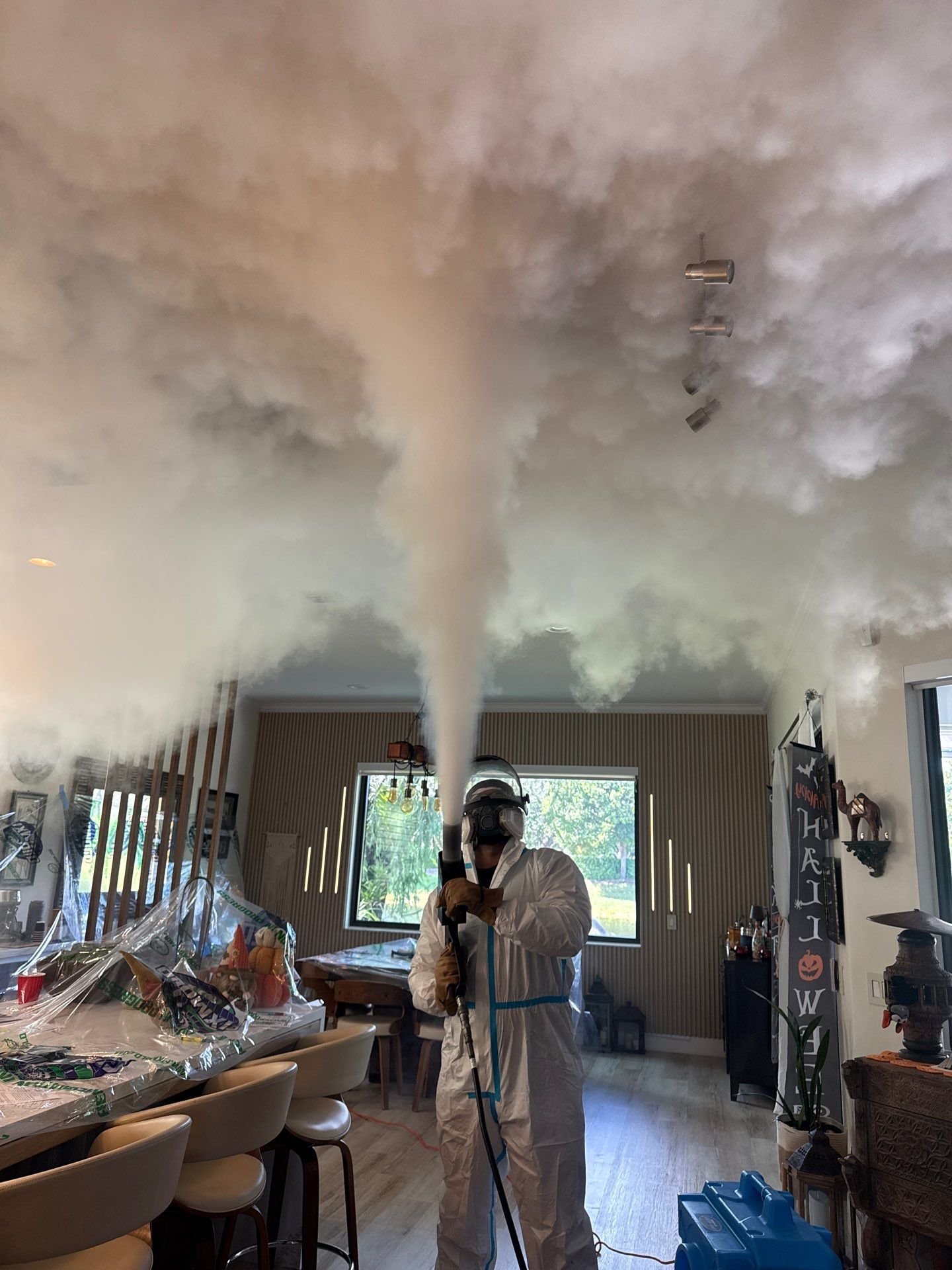
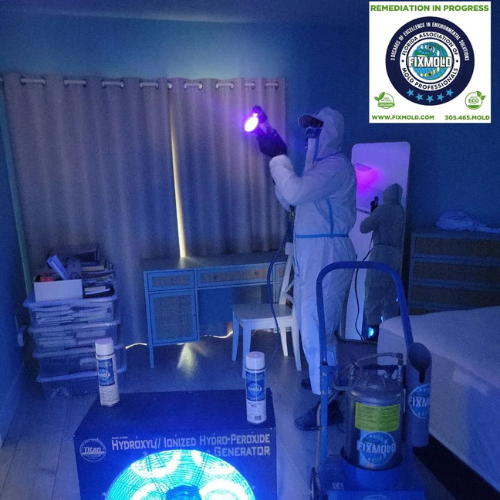
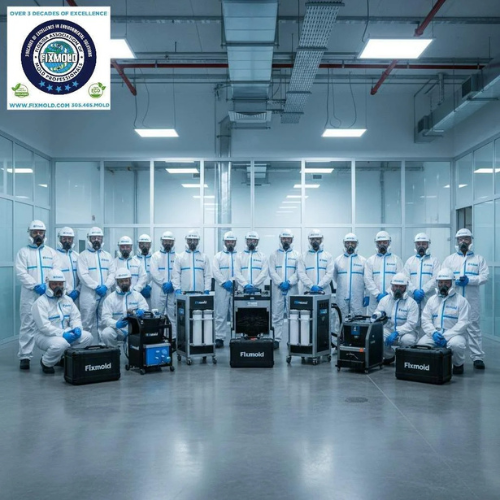
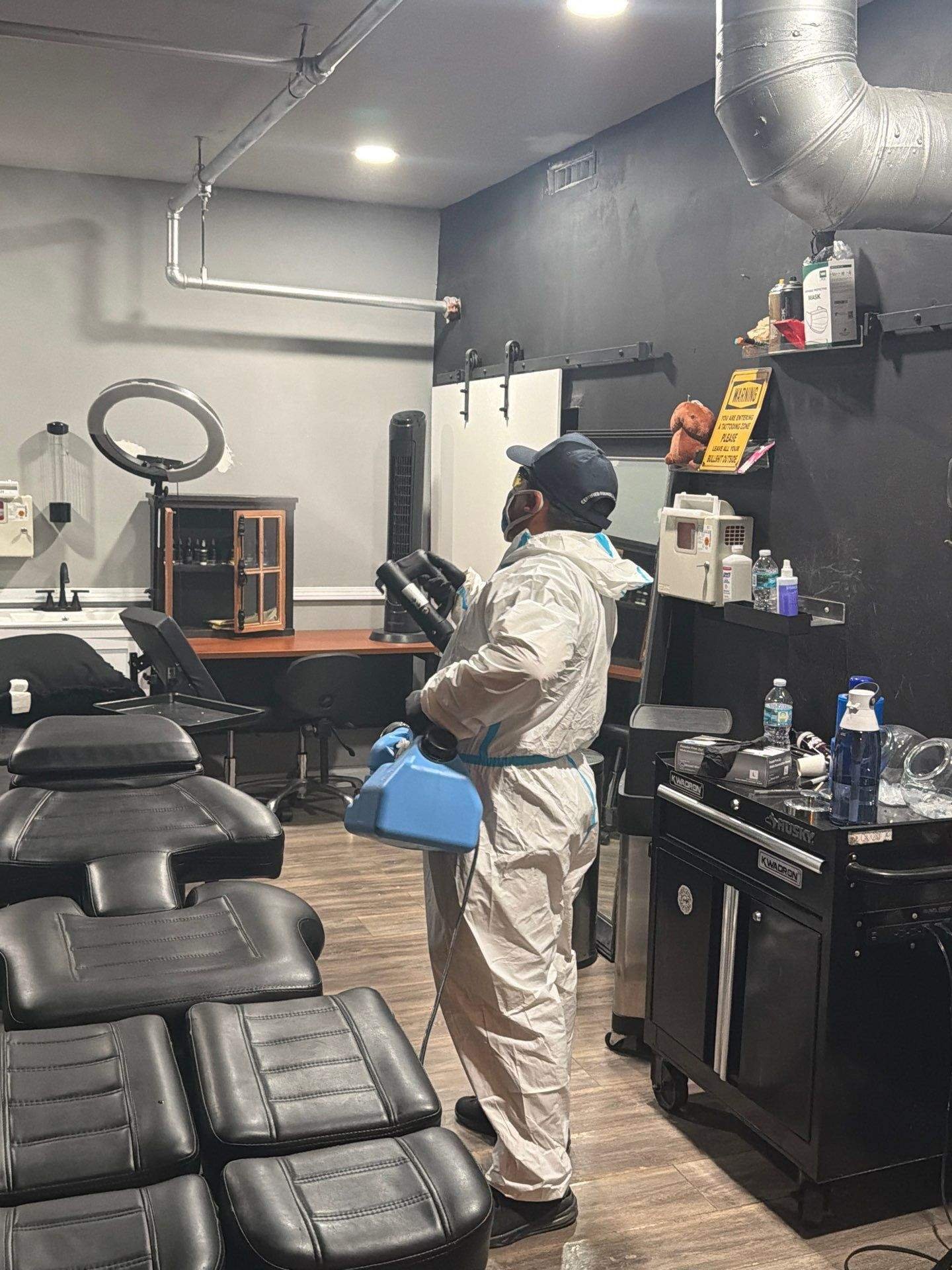
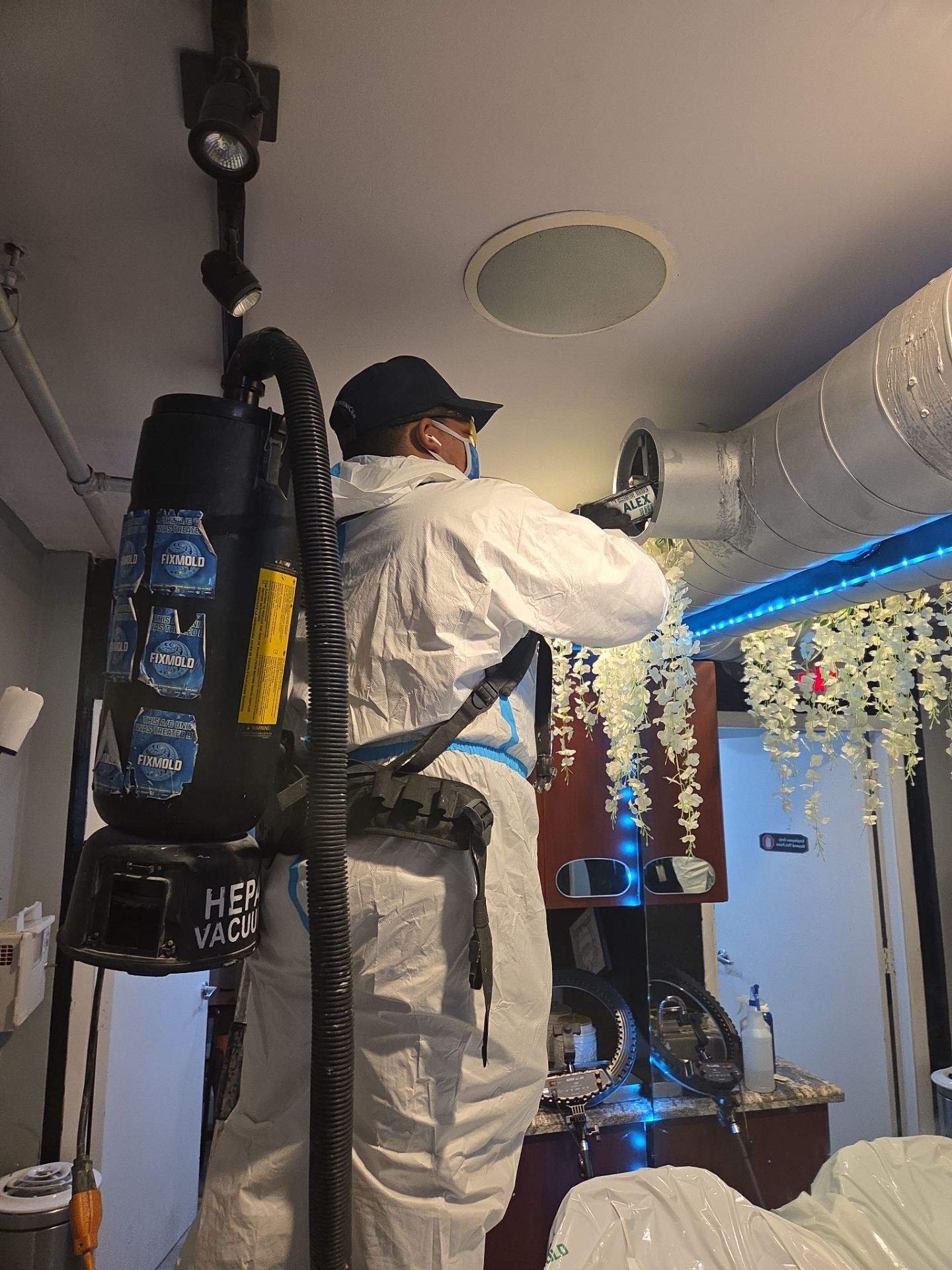
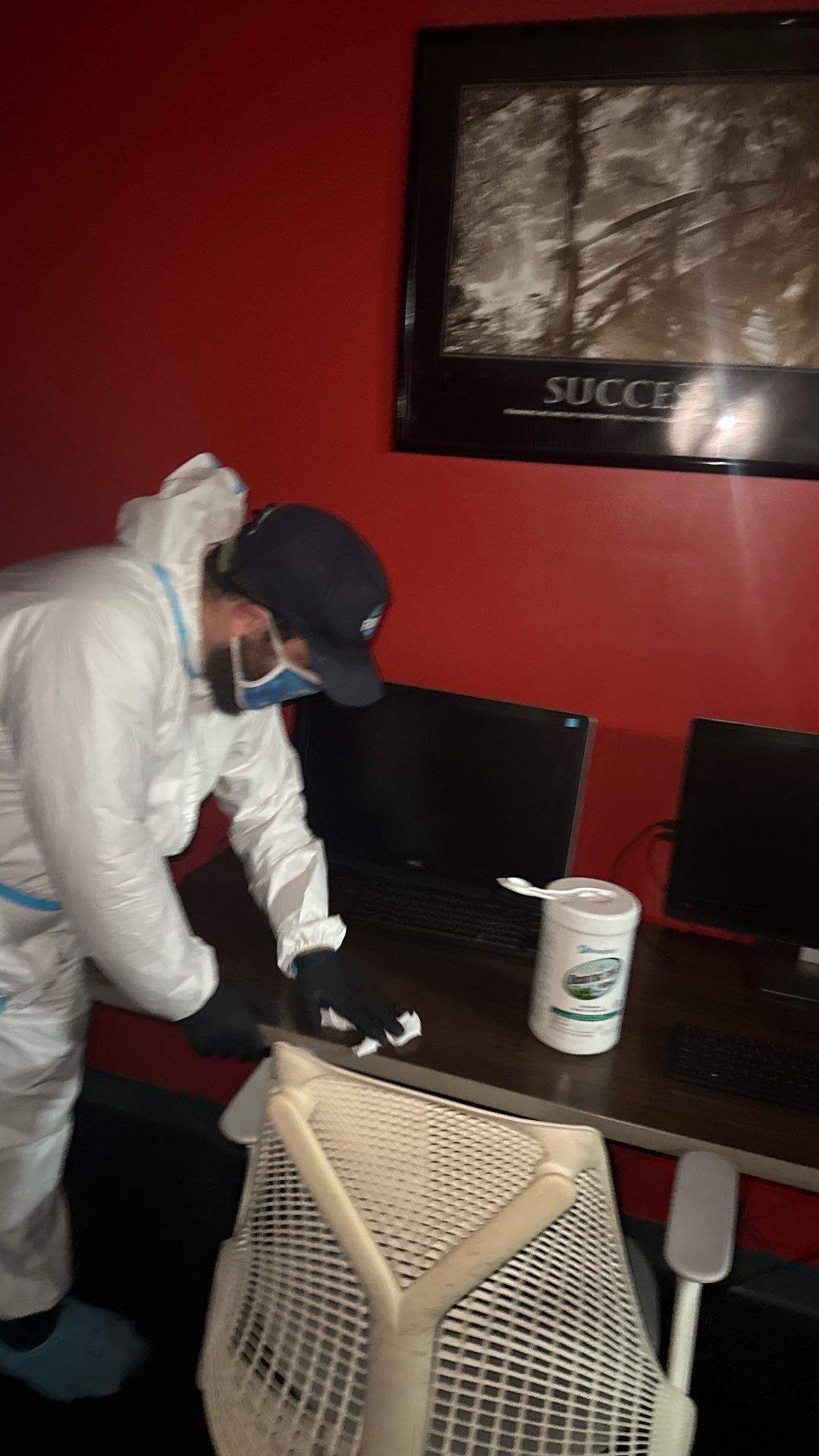
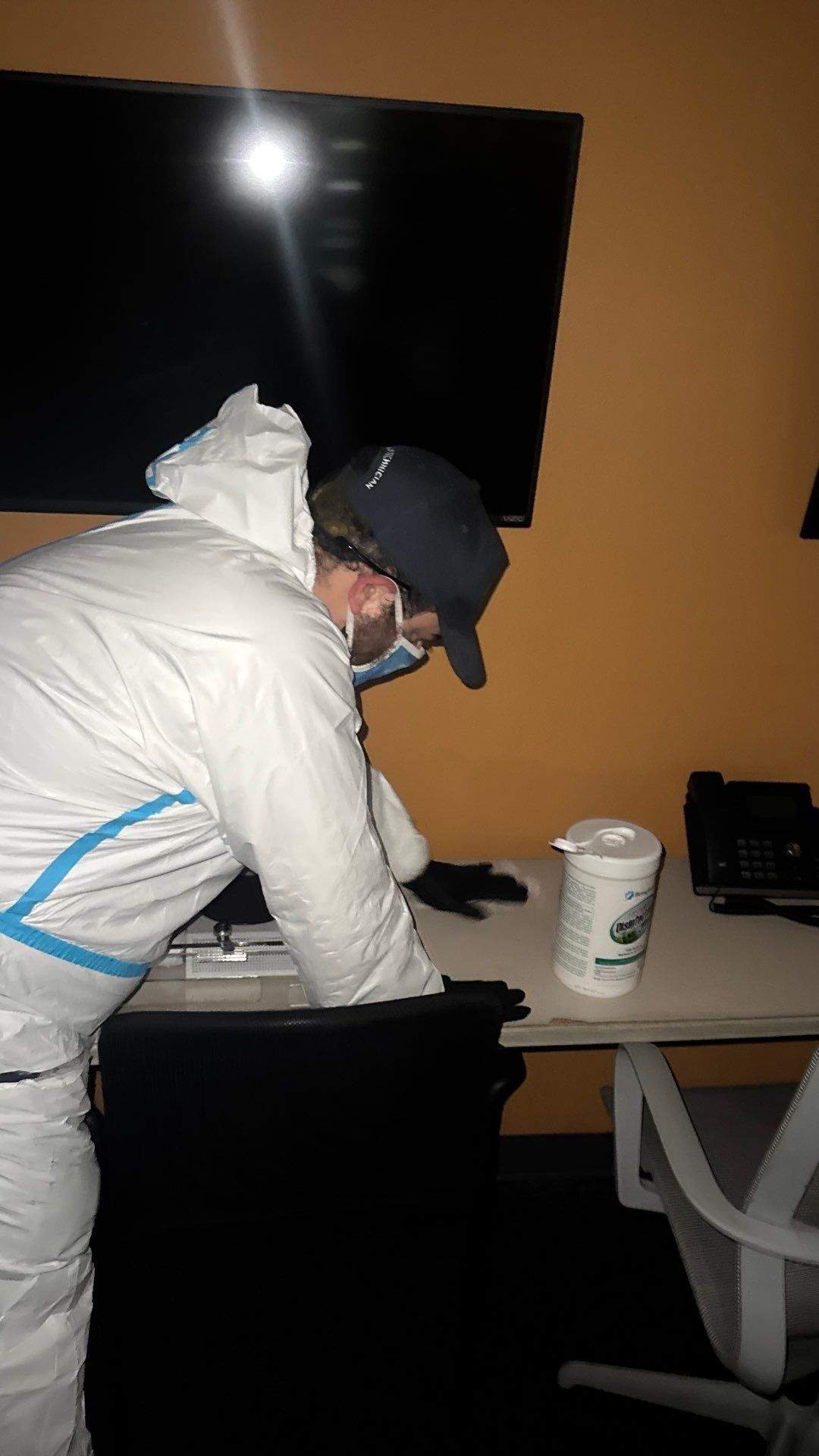
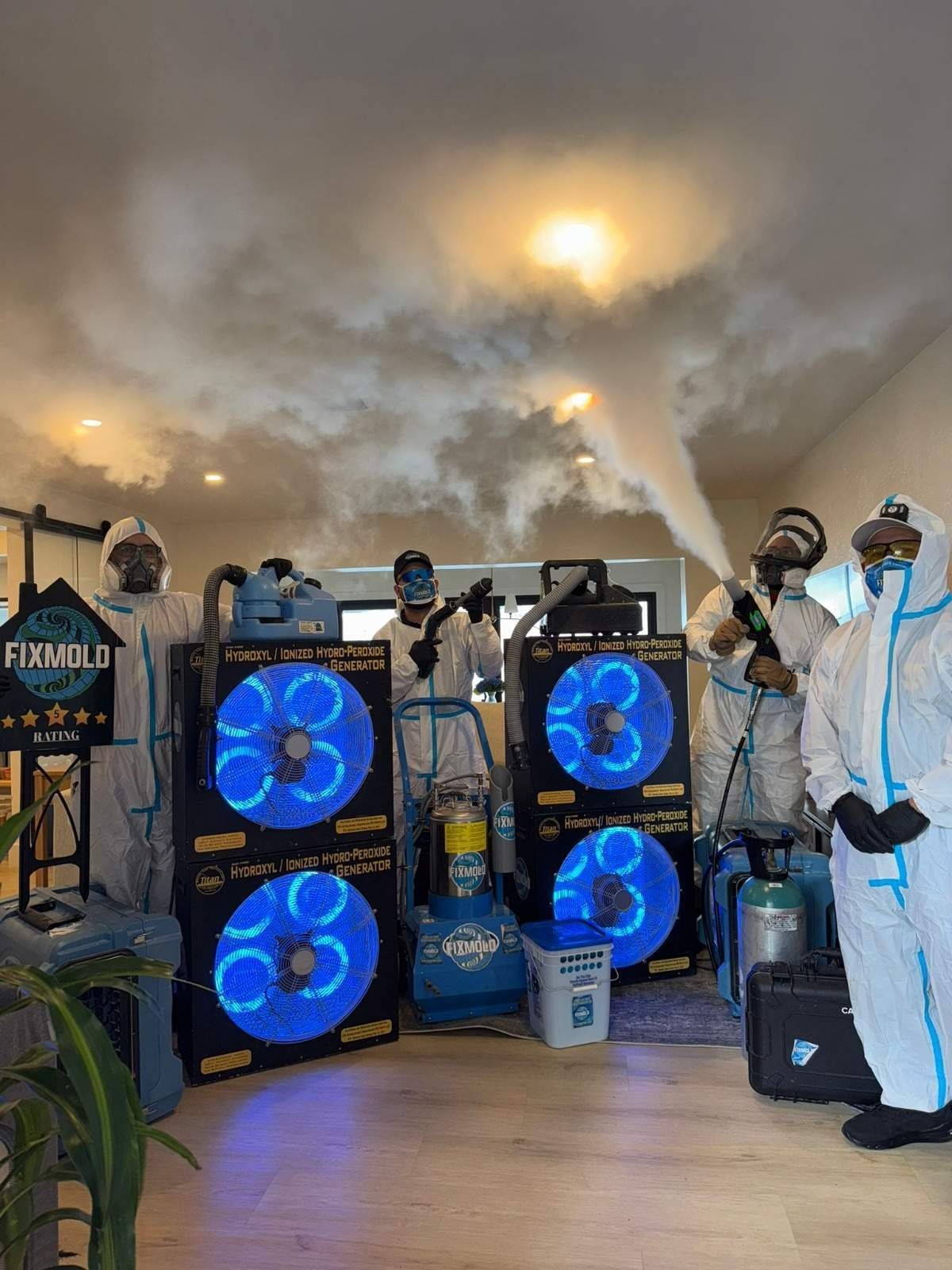
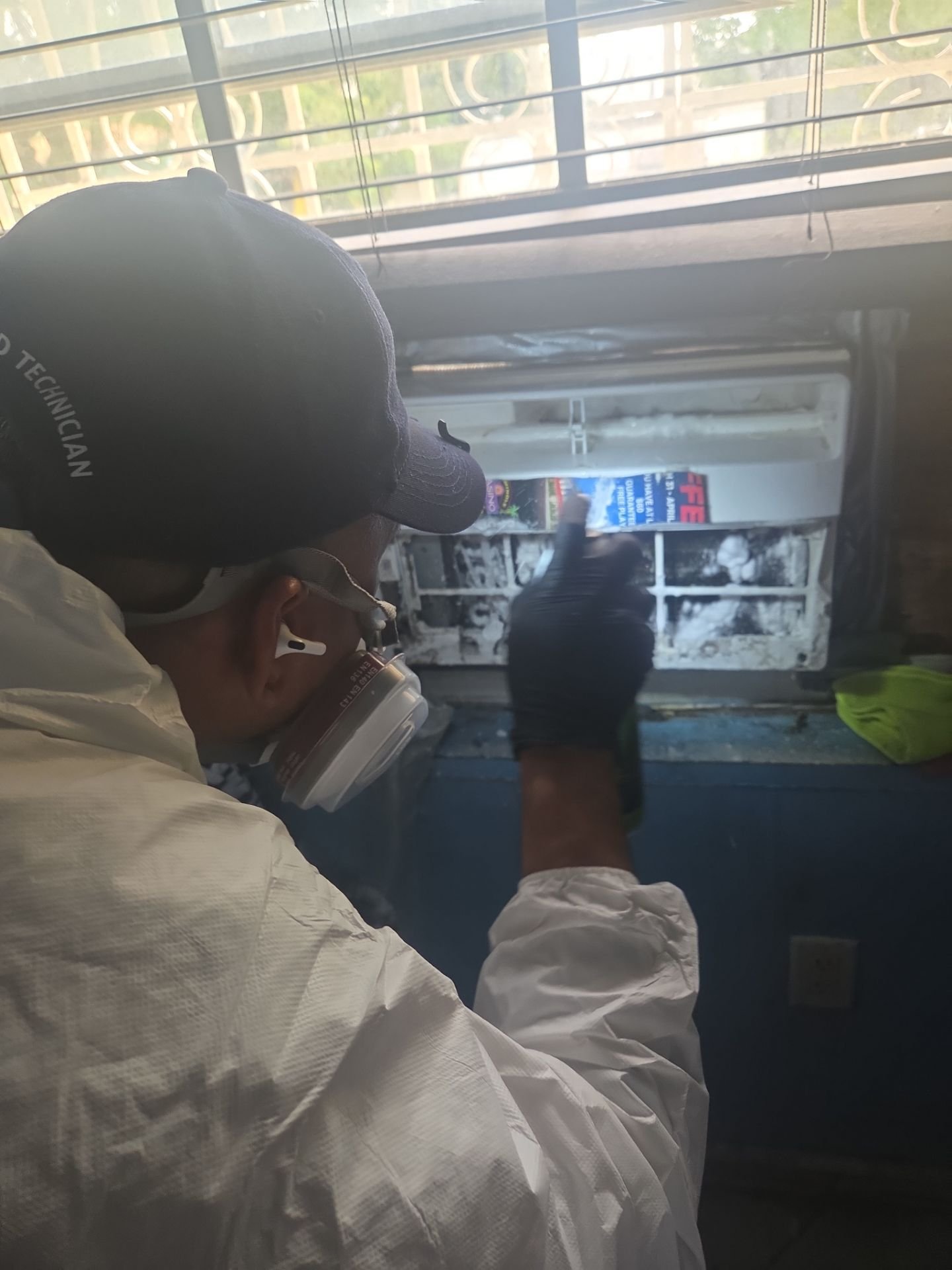
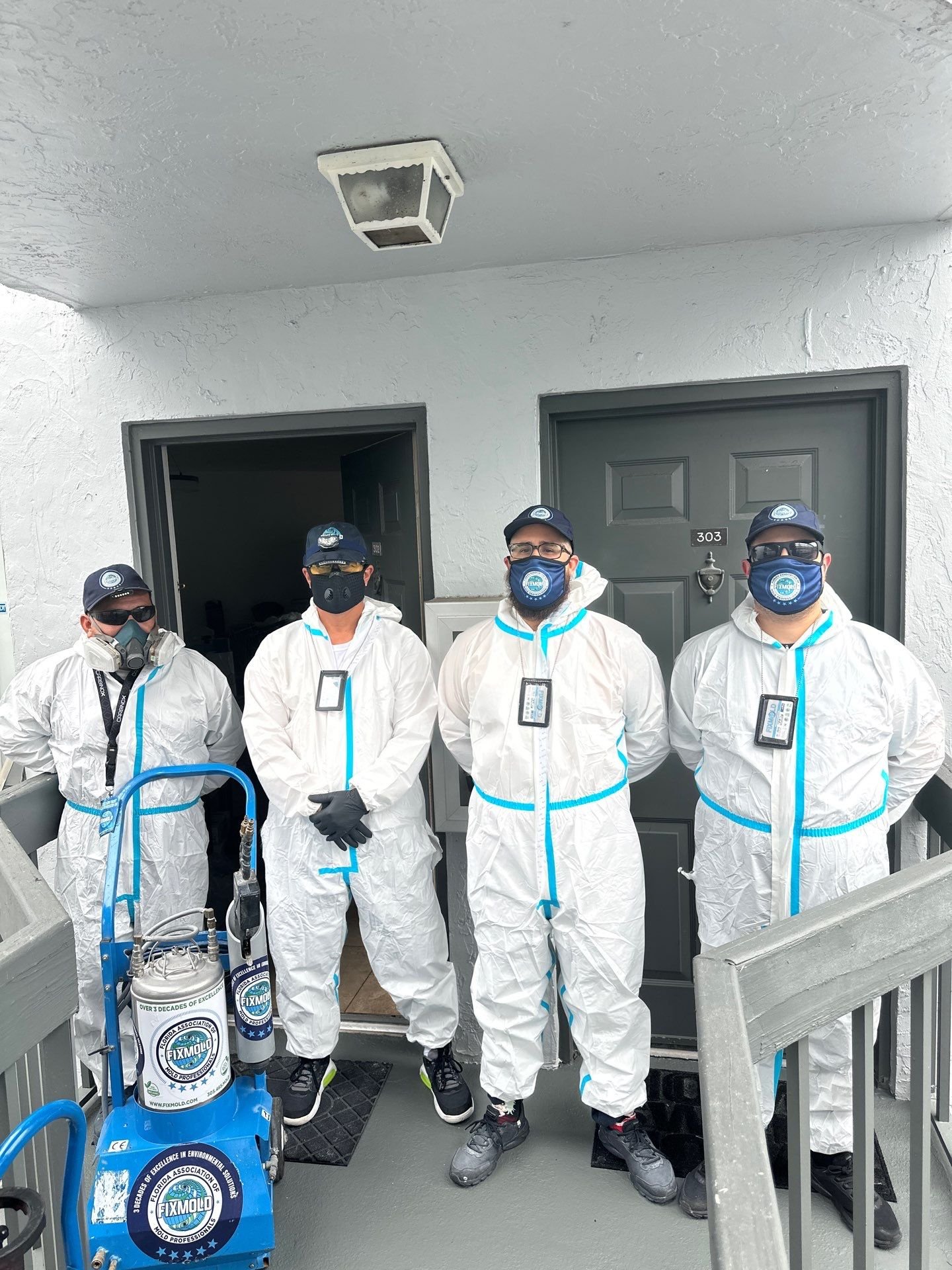
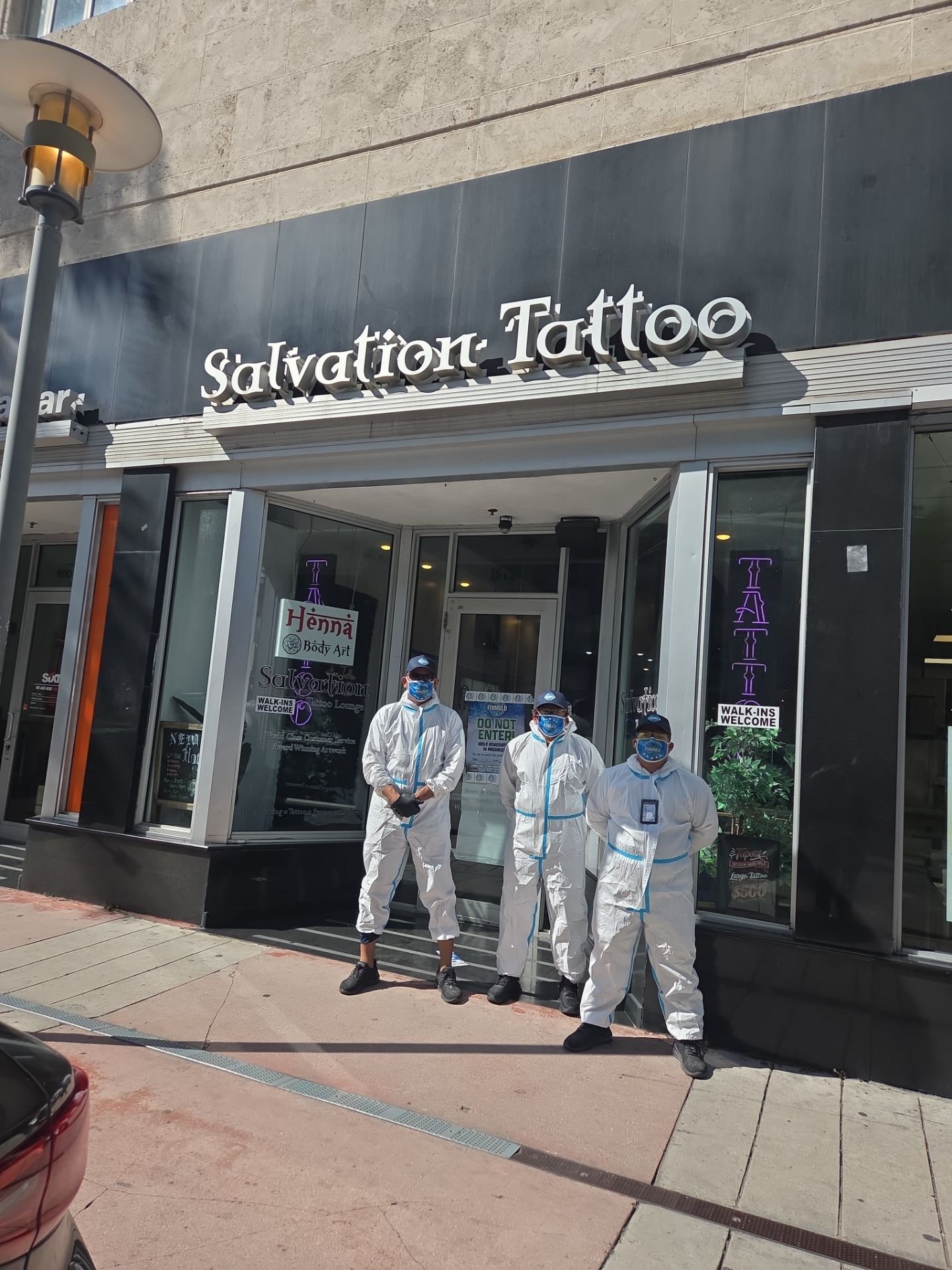
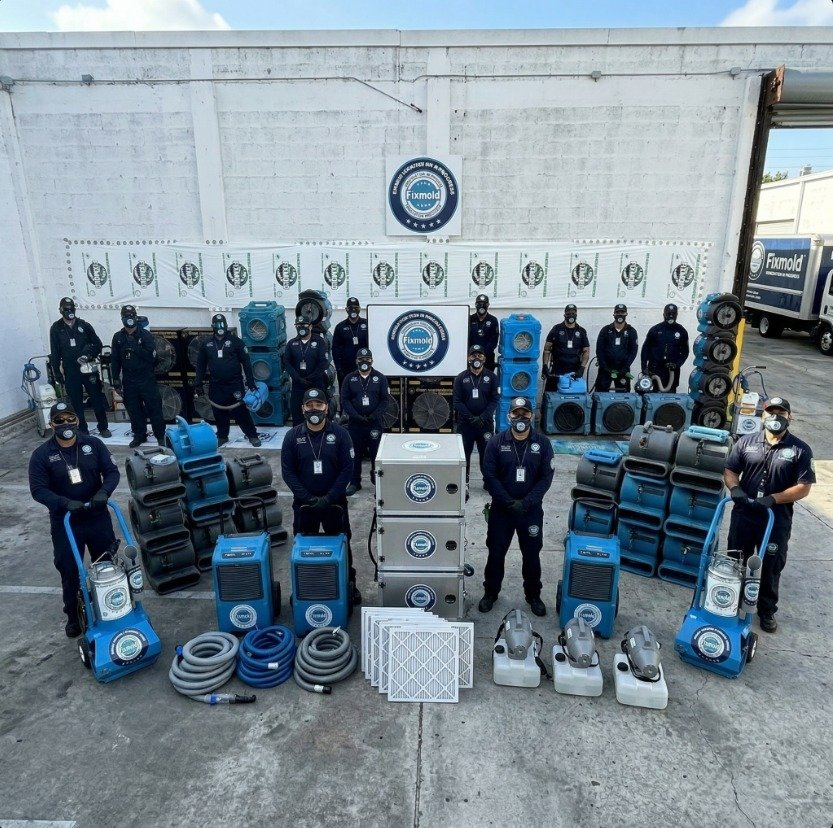
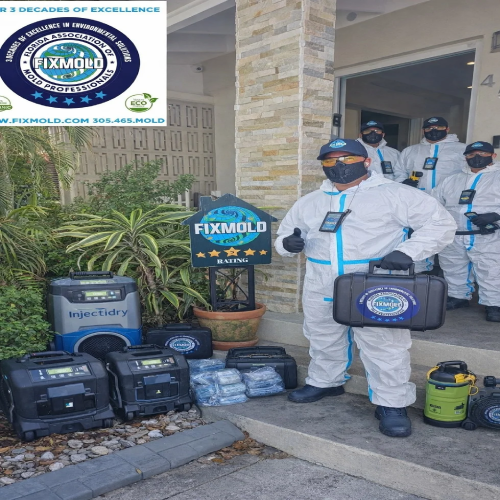
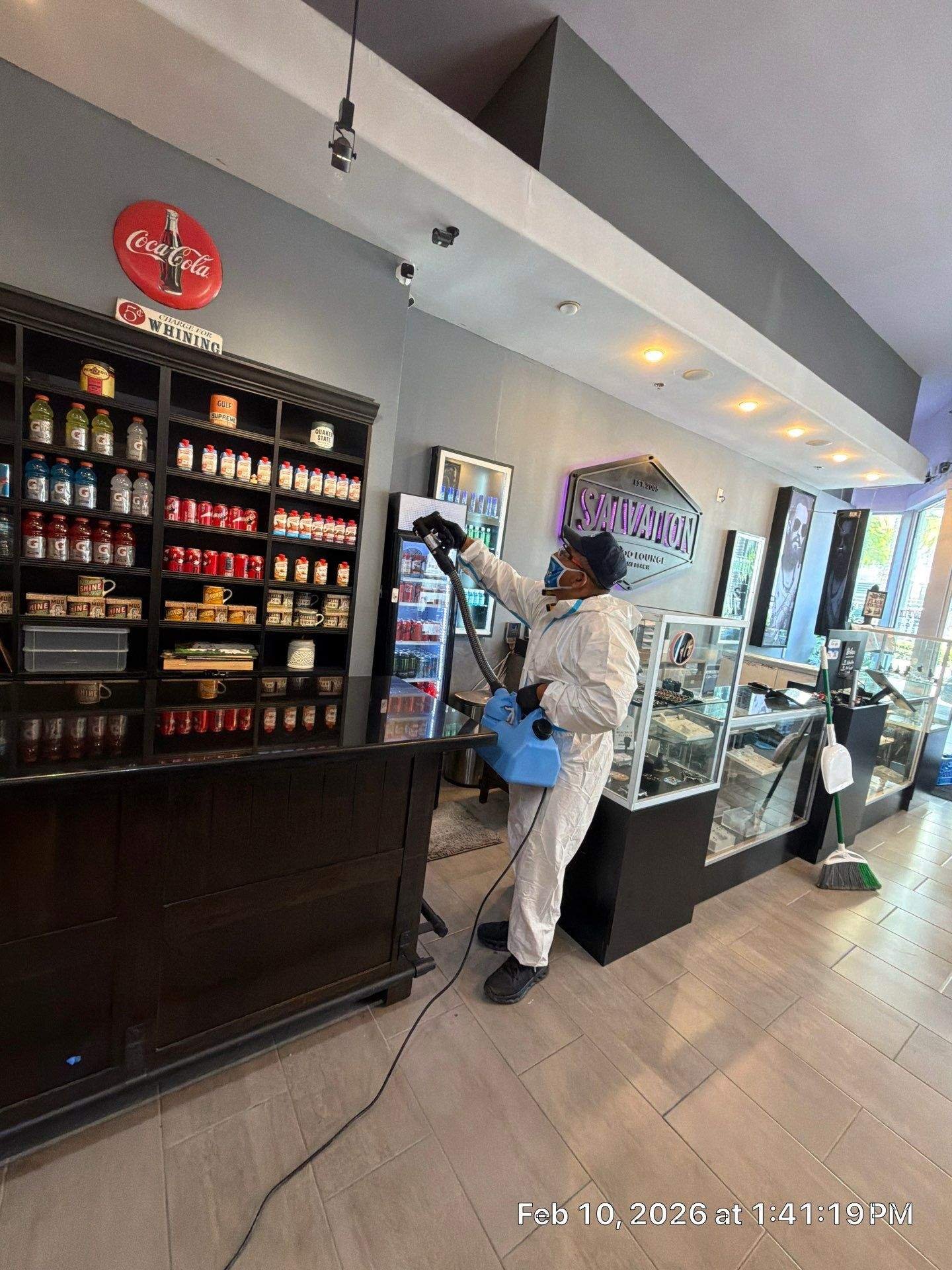
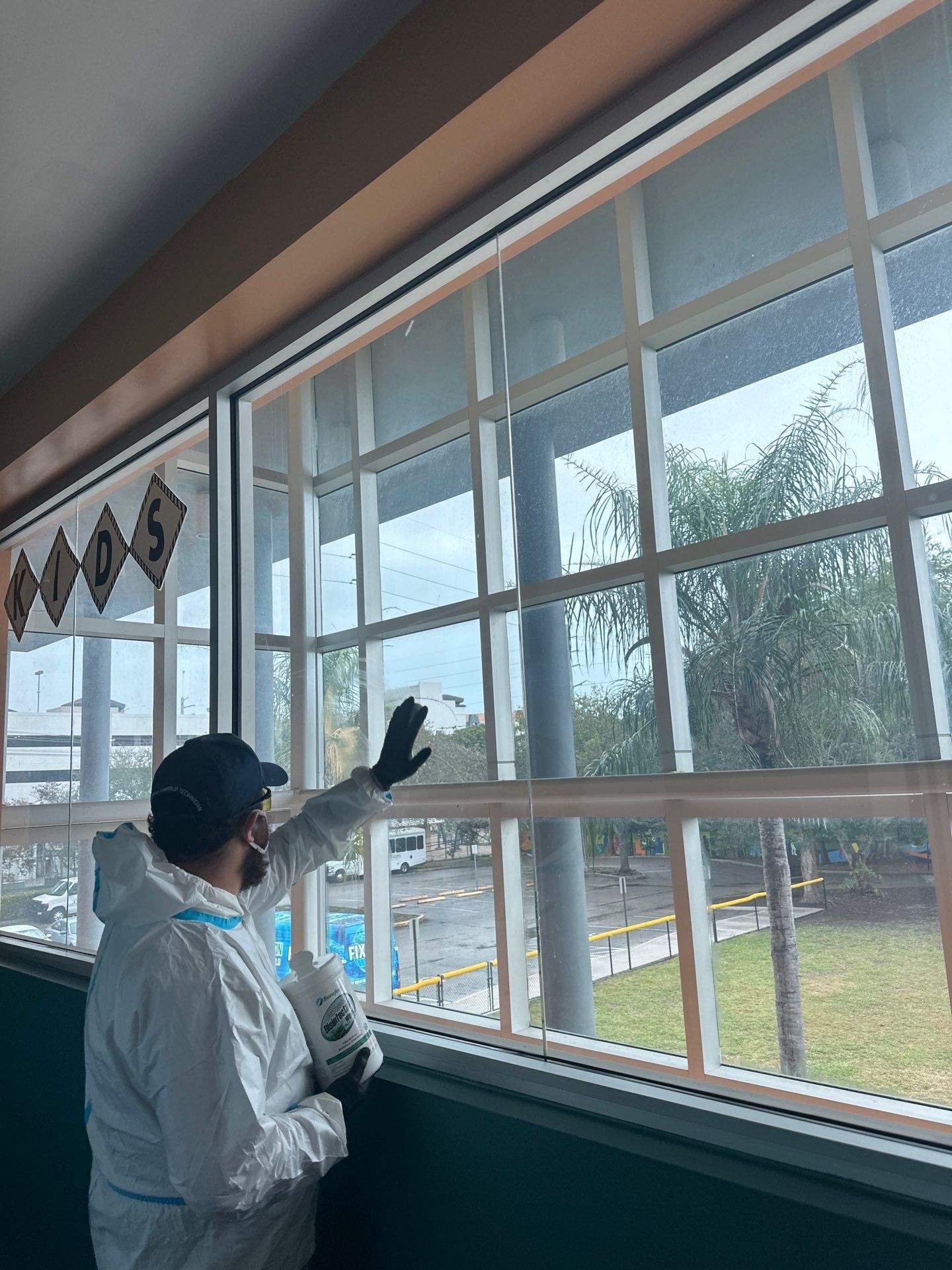
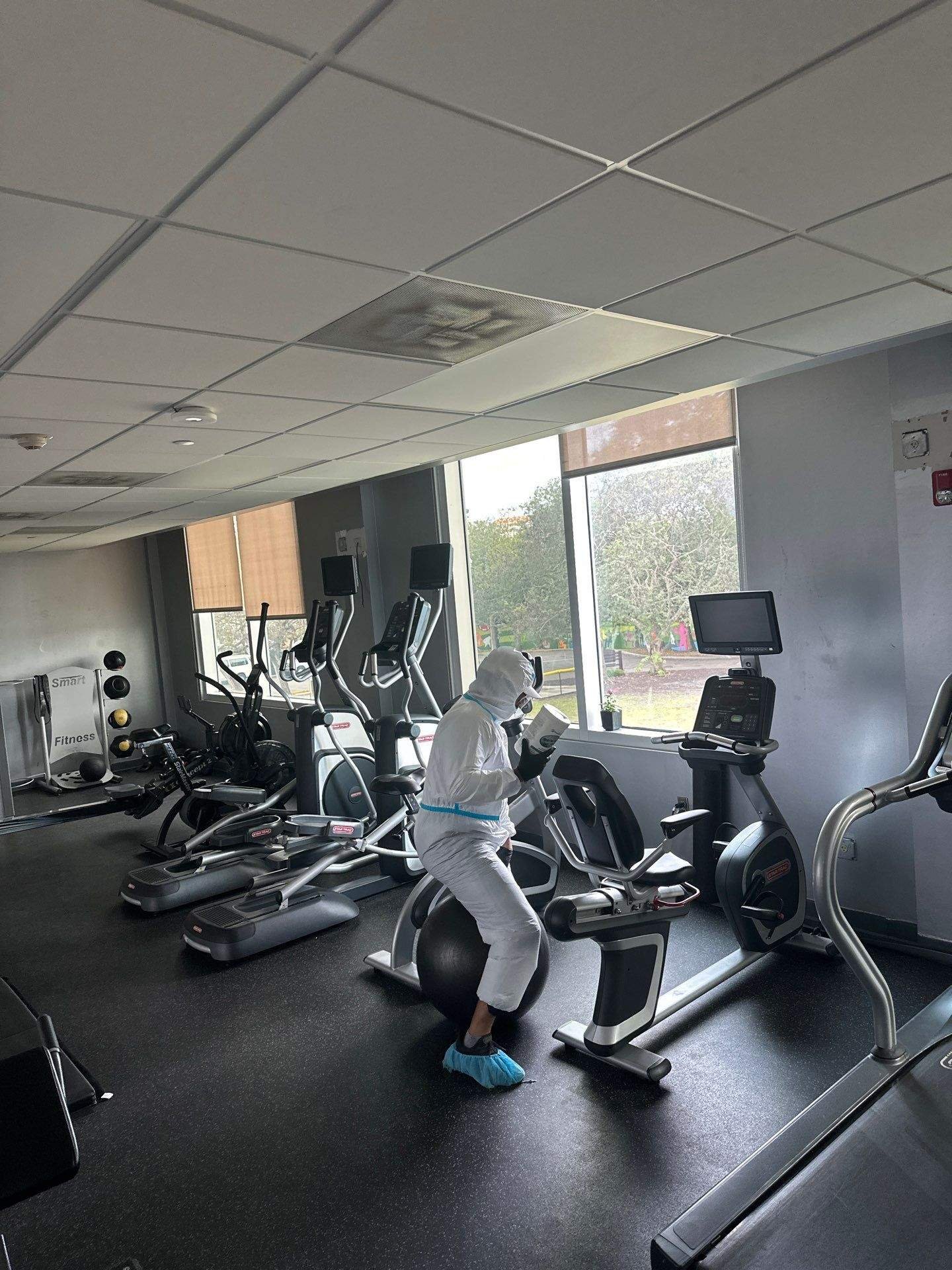
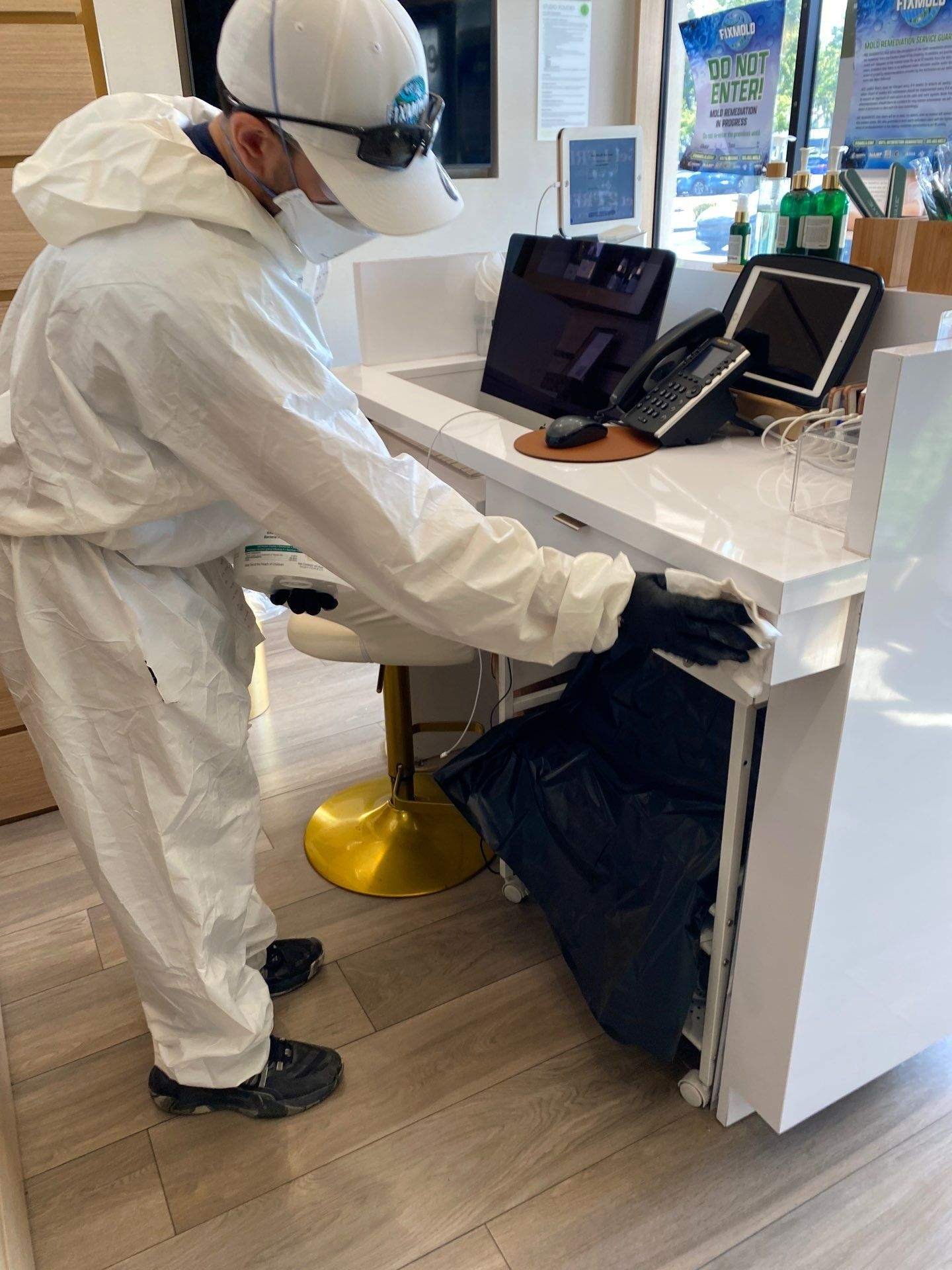
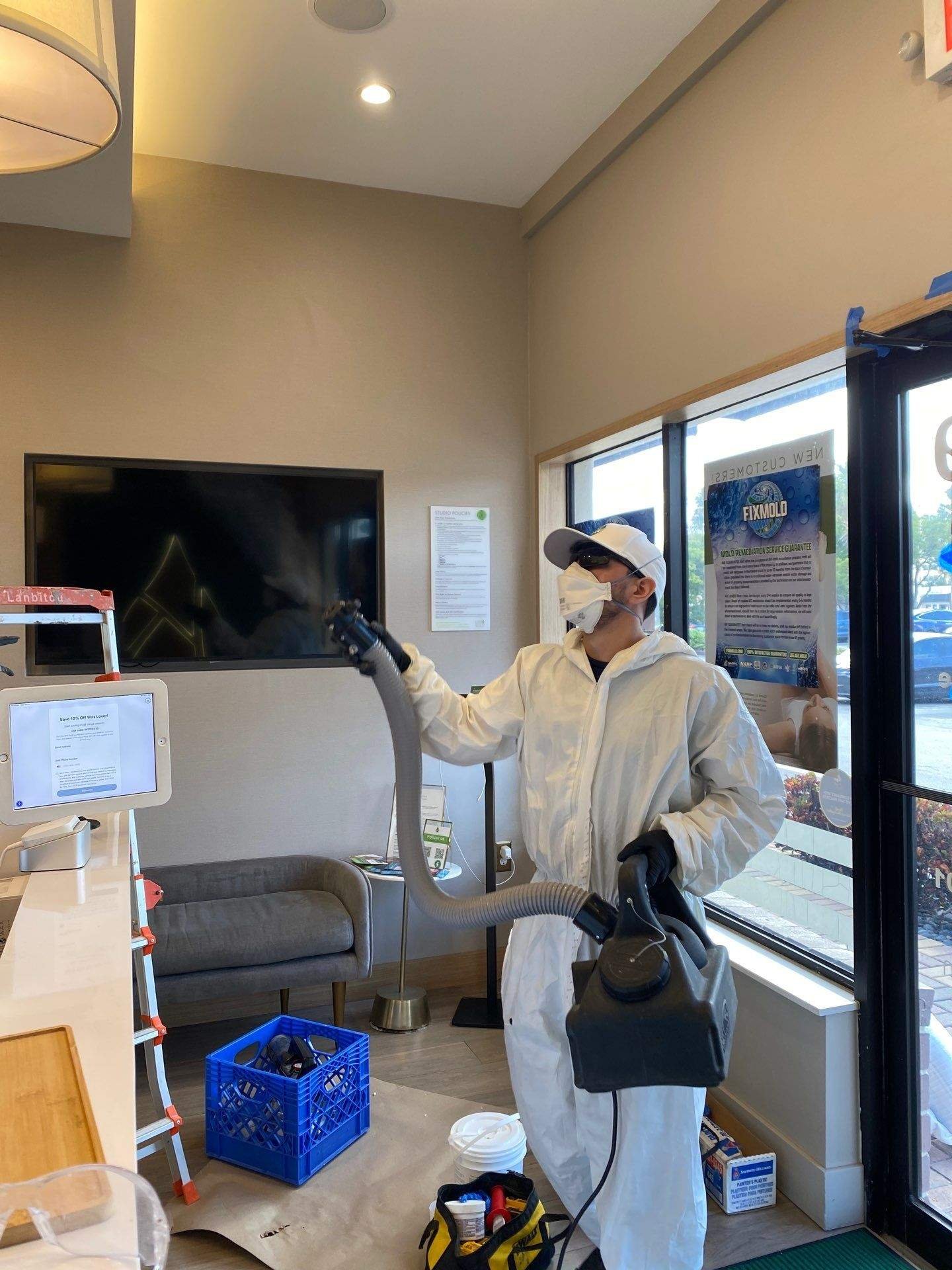
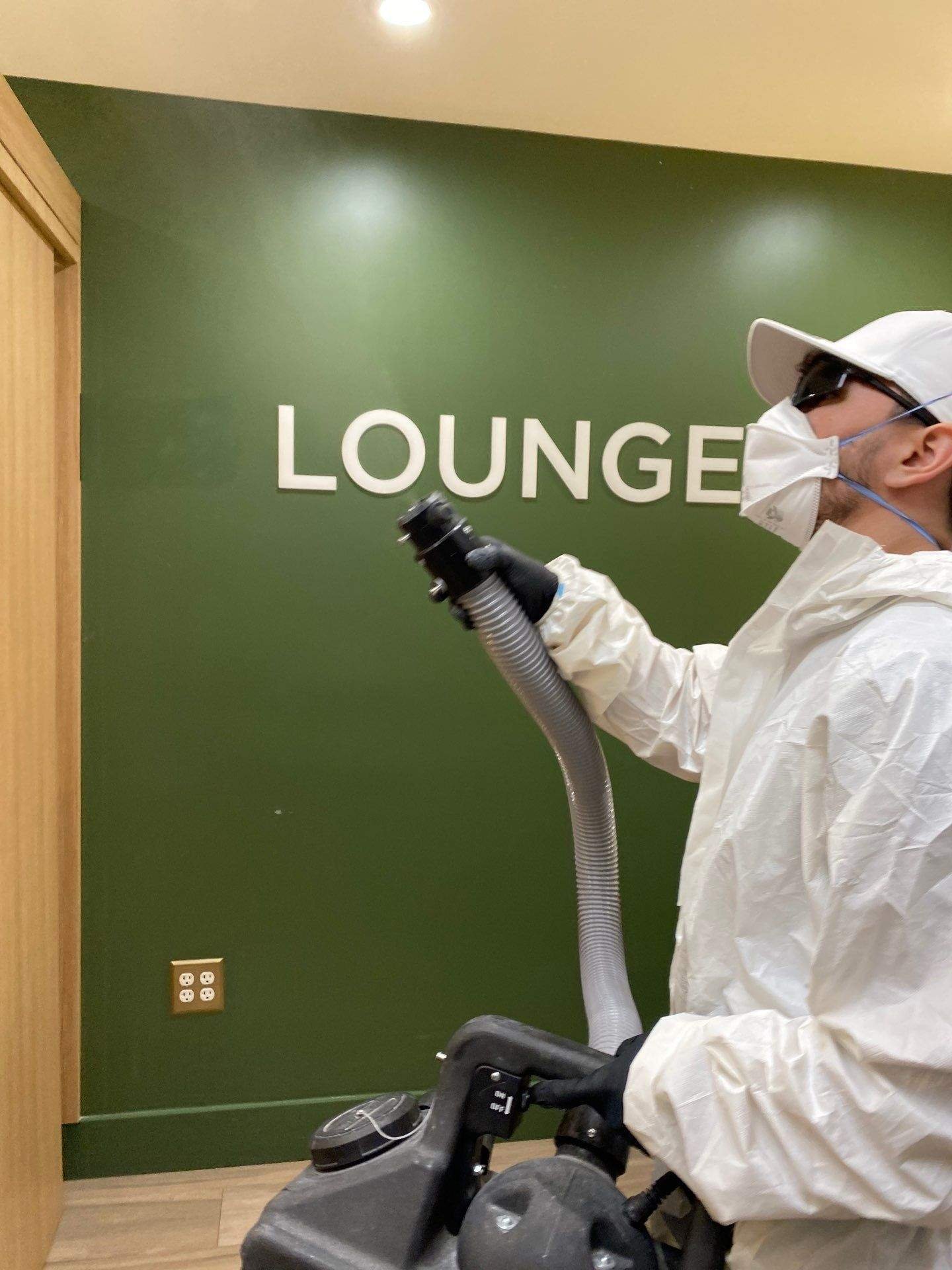
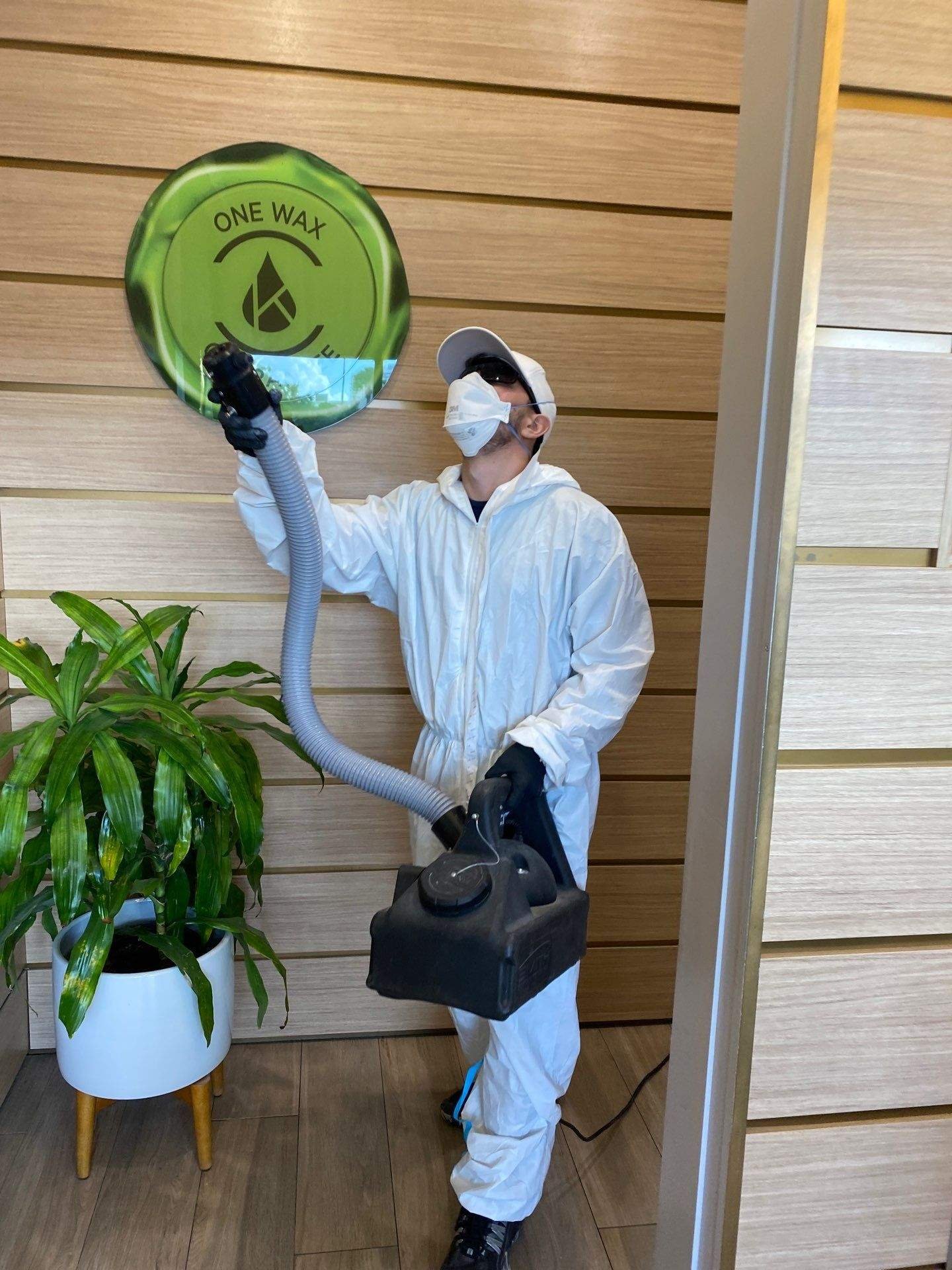
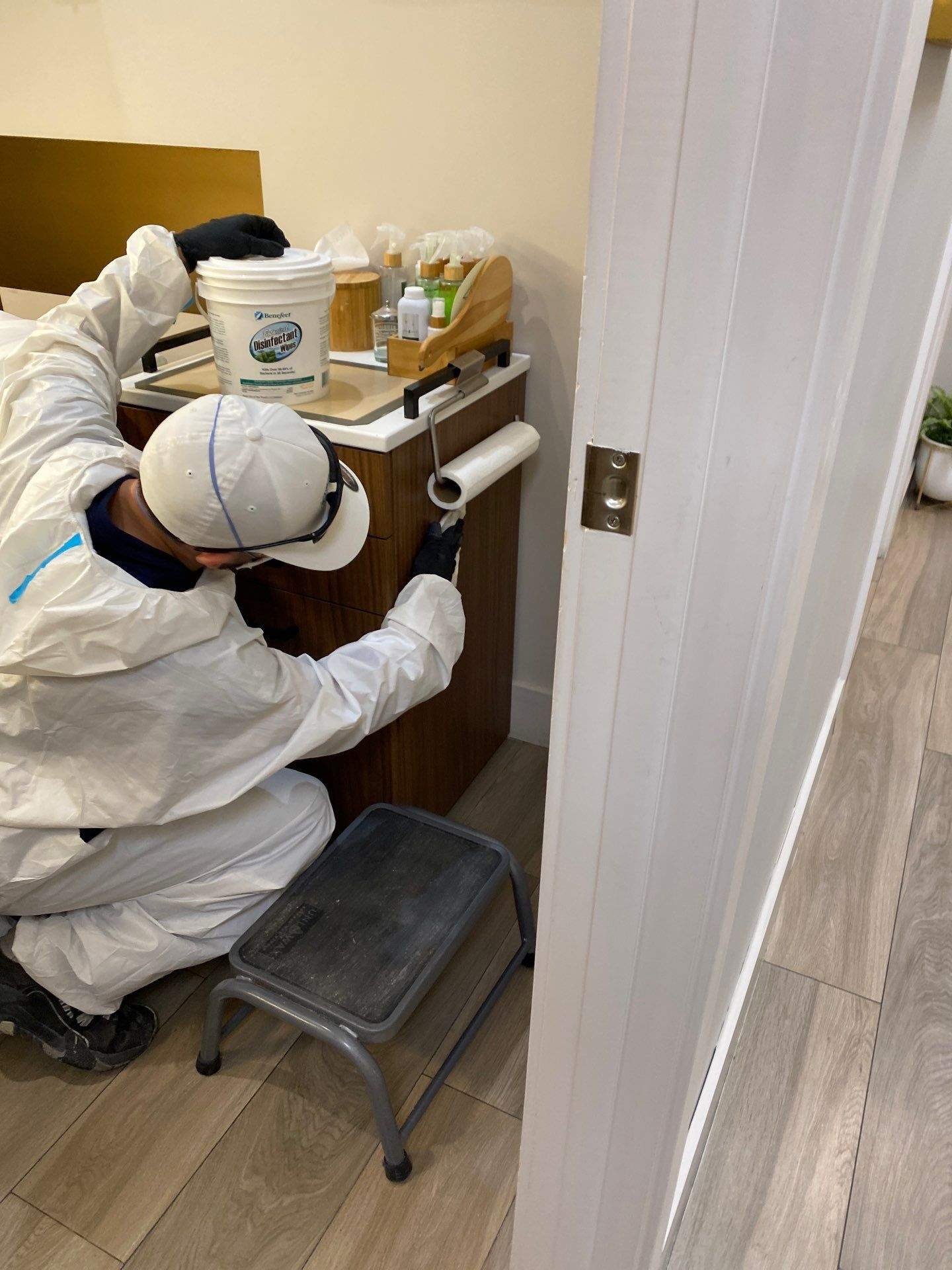
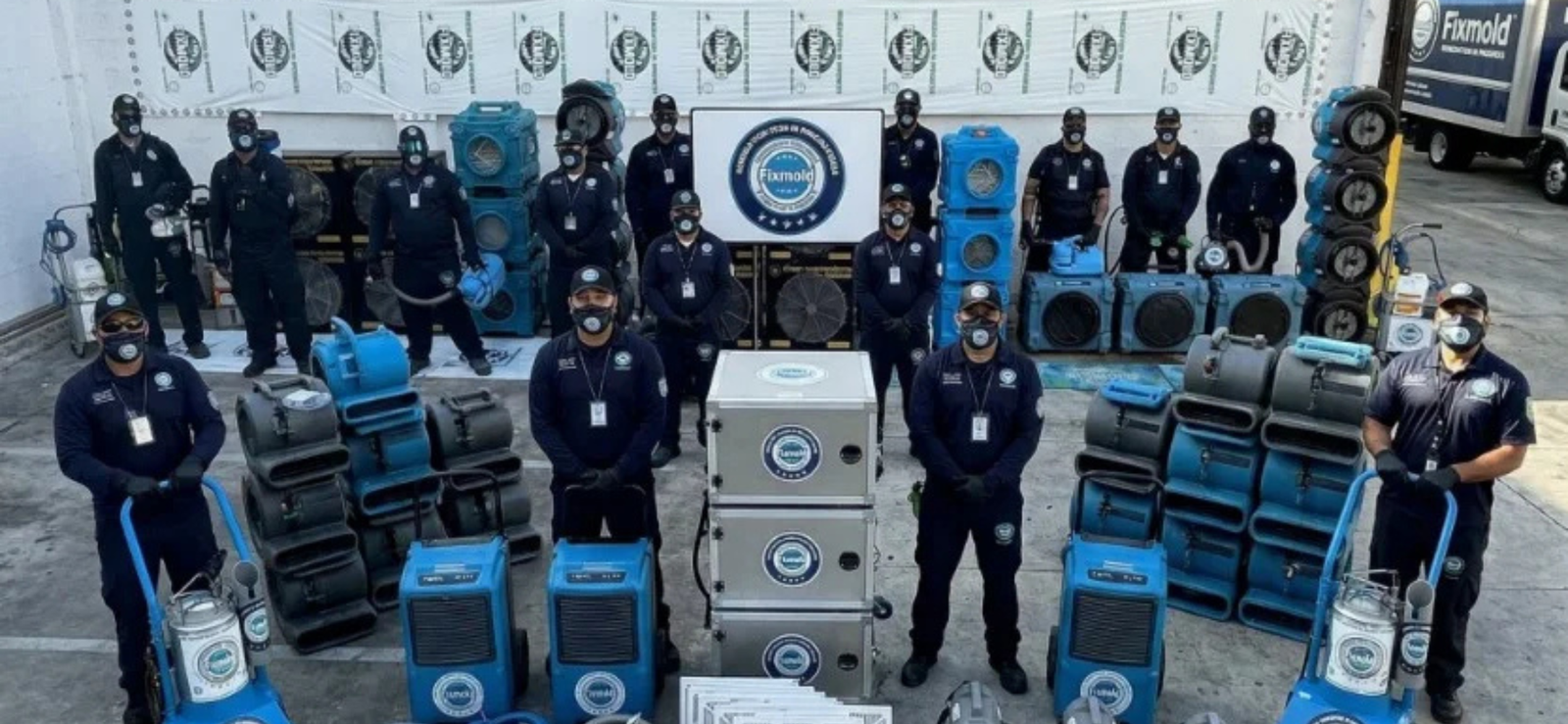
Mold abatement refers to the controlled process of removing mold while preventing it from spreading. It includes containment, air filtration, and safe disposal of contaminated materials. Mold removal is a general term, but abatement focuses on how the removal is performed to protect the surrounding environment.
Mold abatement is necessary when mold has spread beyond a small visible area or when it is affecting multiple surfaces. It is commonly required after water damage, leaks, or prolonged humidity exposure. Larger or hidden contamination needs proper containment to avoid spreading spores during cleanup.
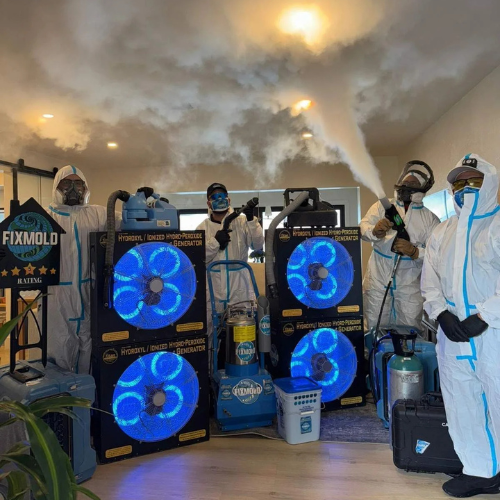
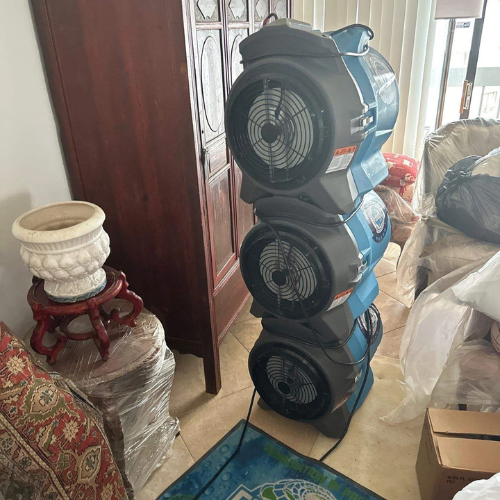
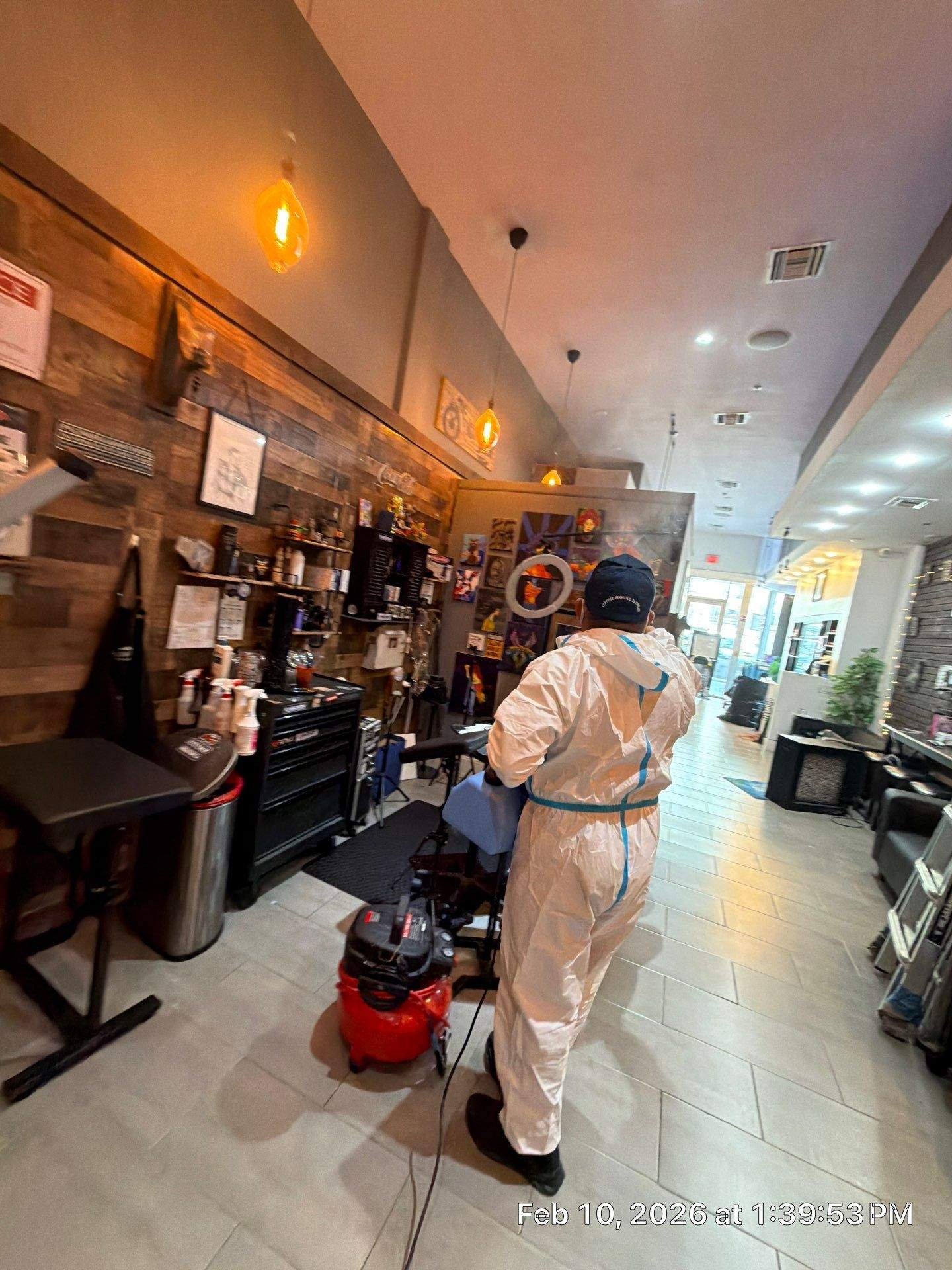
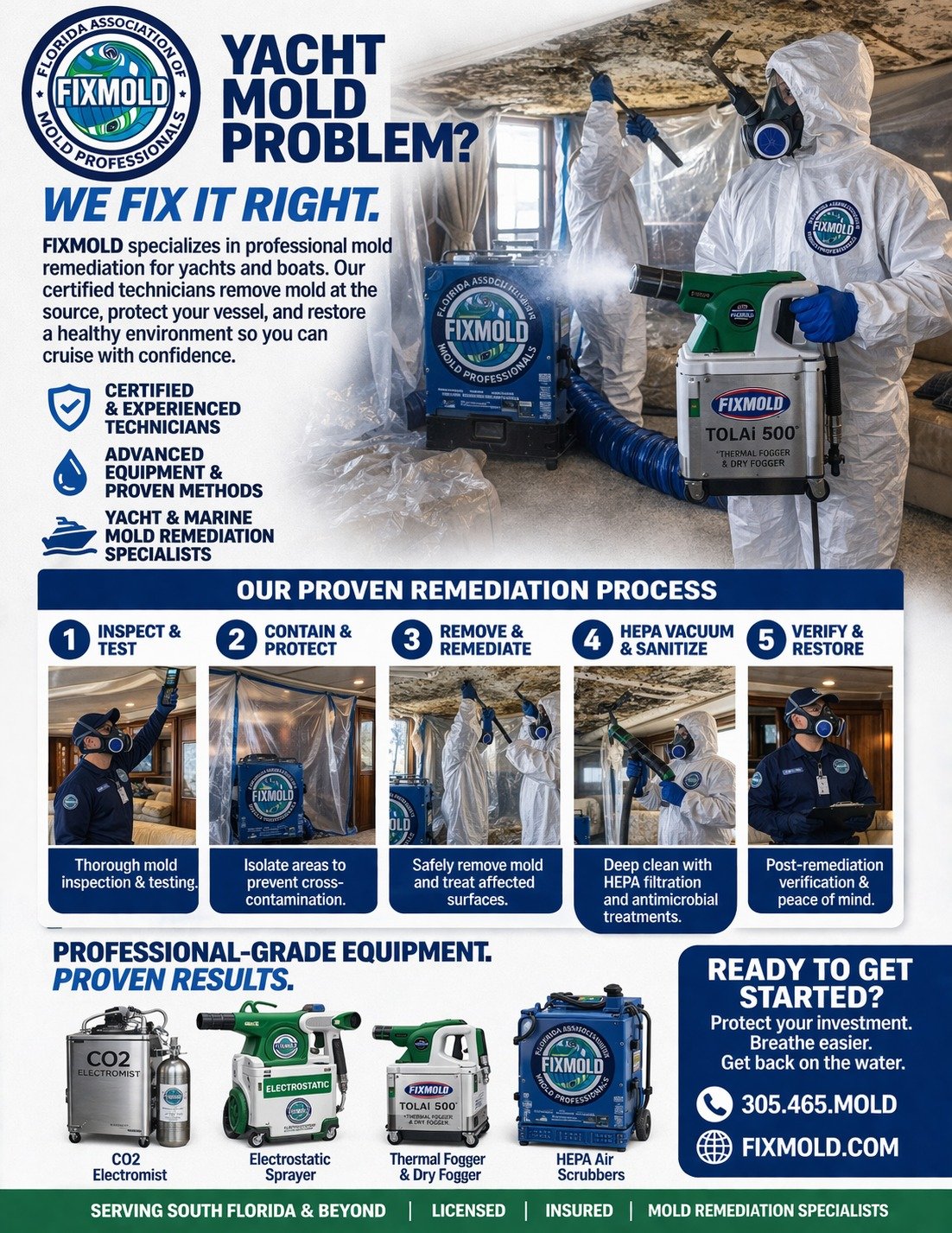
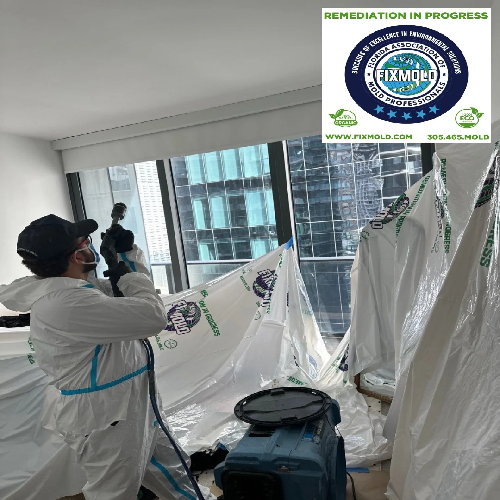
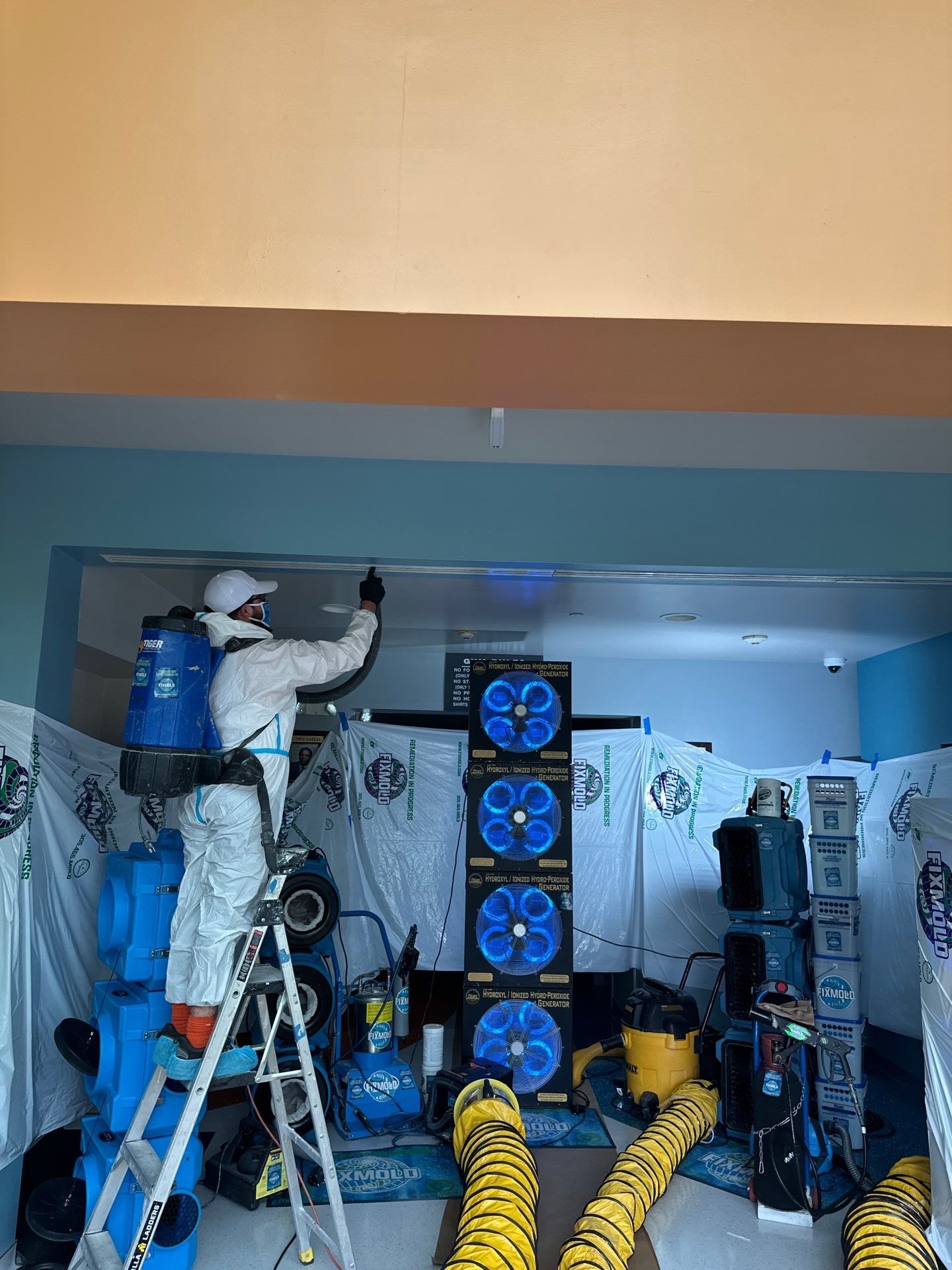
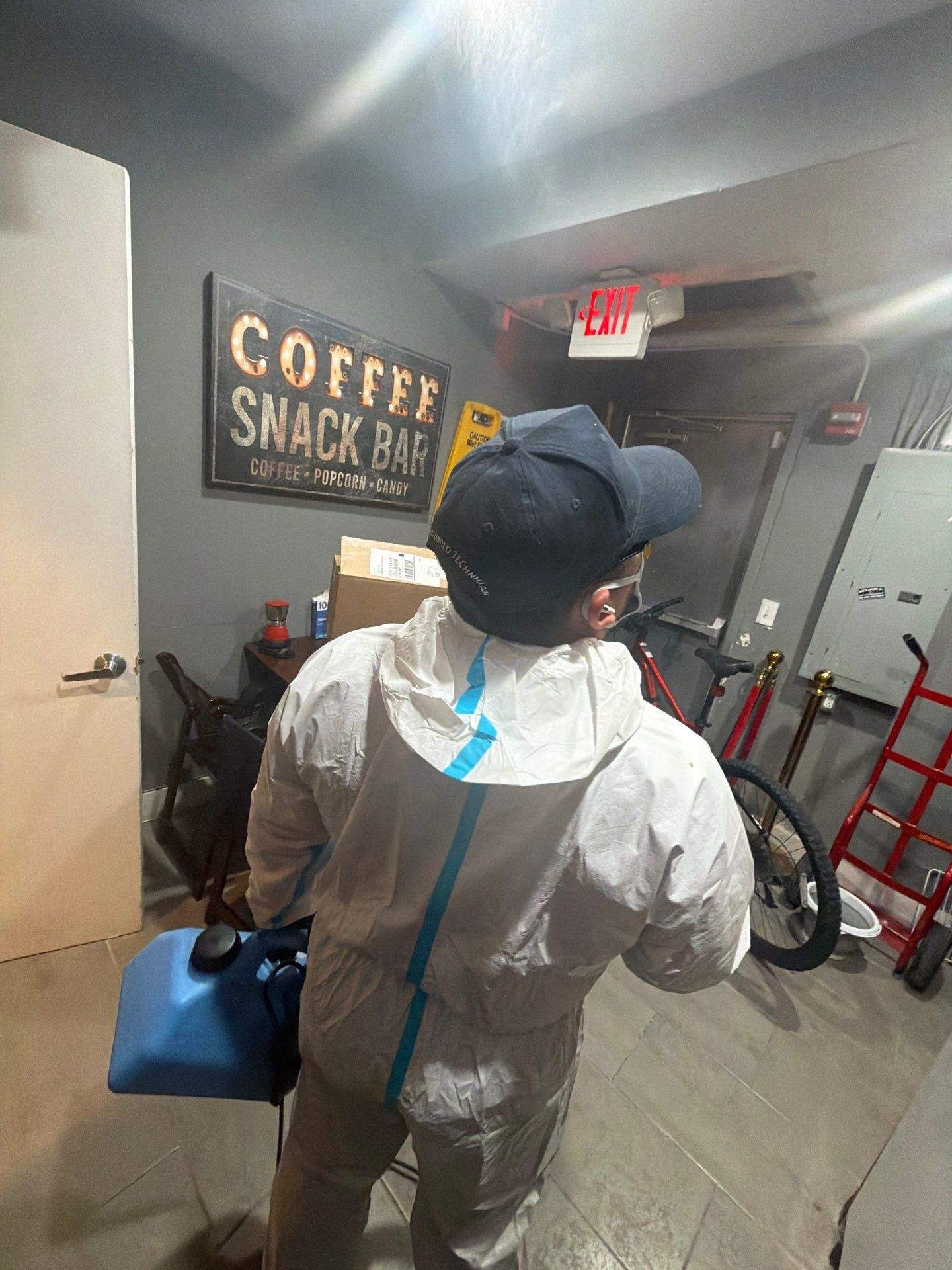
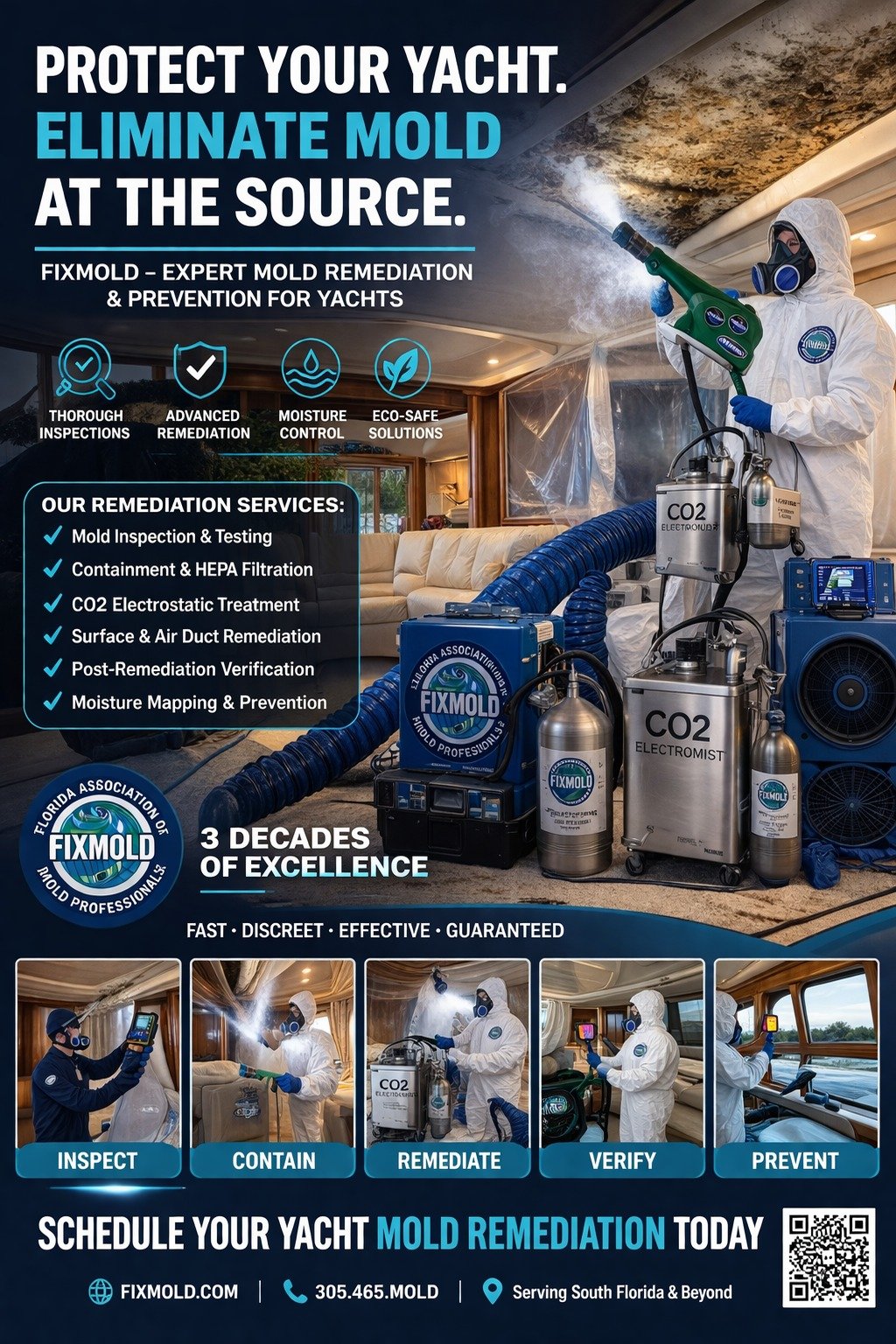
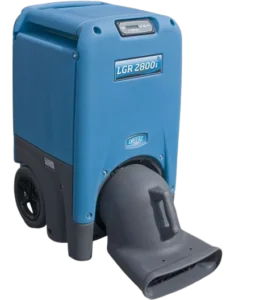
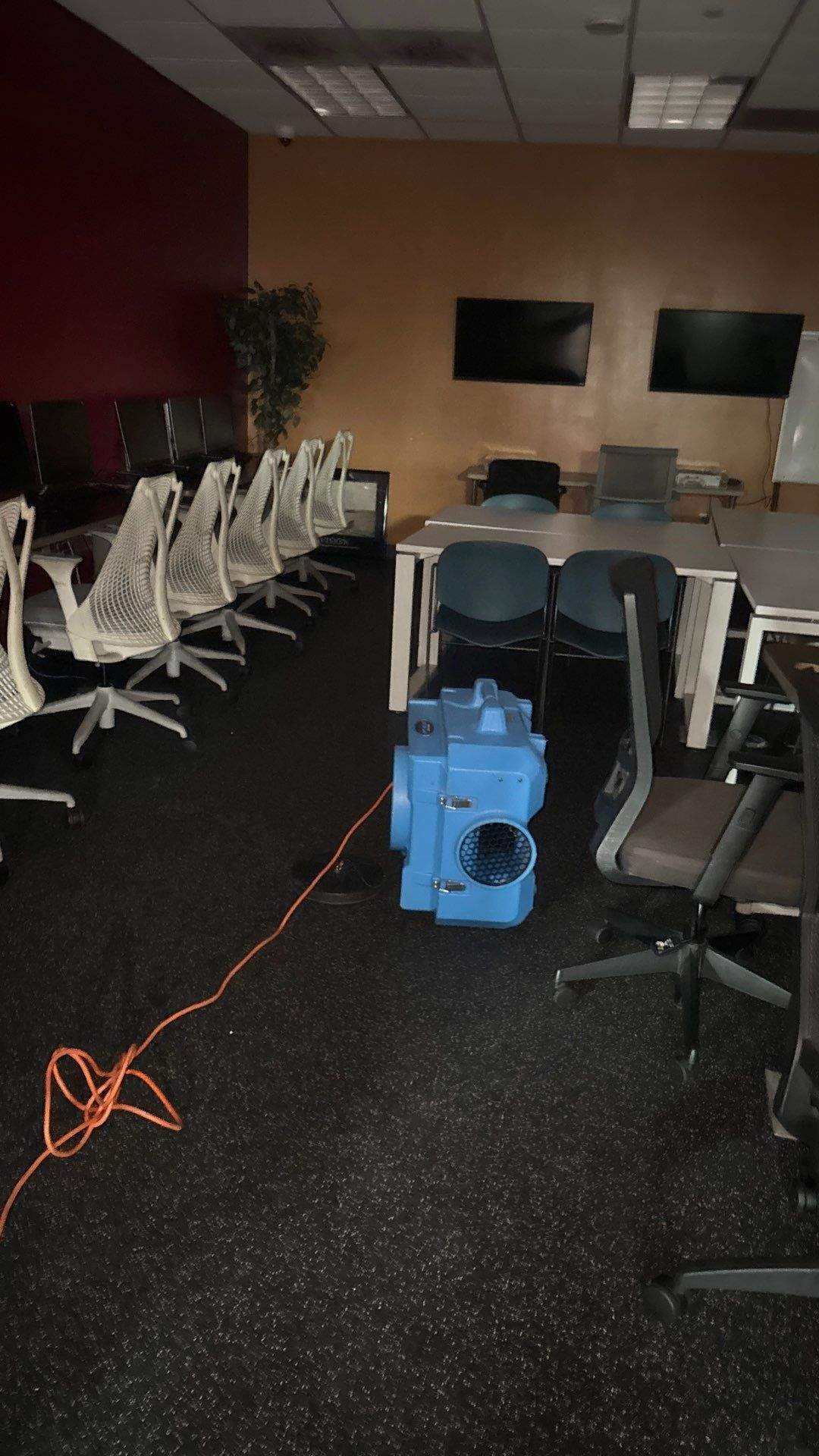
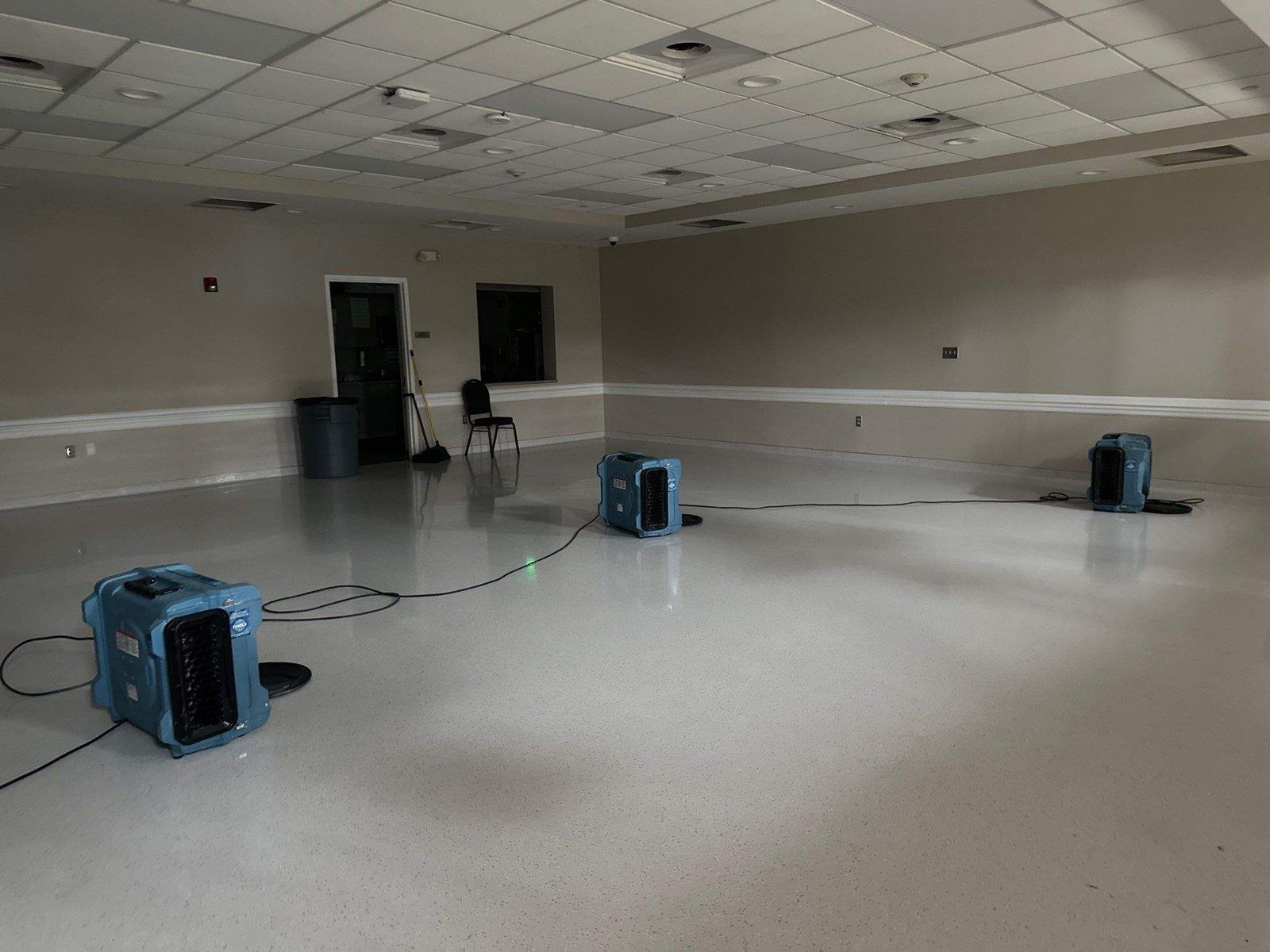
During mold abatement, affected areas are sealed off and air filtration systems are used to control airborne particles. In some cases, it is safe to remain in unaffected areas, but sensitive individuals may be advised to stay away during the process. The goal is to complete the work without exposing occupants to additional contamination.
The time required depends on the size of the affected area and the level of contamination. Smaller abatement projects may take a day, while larger or more complex situations can take several days. The focus is on completing the process safely and thoroughly so the mold does not return.