Living in Palm Springs, Florida means enjoying warm weather year-round, but it also means dealing with constant humidity, heavy rainfall, and AC systems that never get a break. These local conditions create the perfect environment for indoor moisture issues, which can quickly lead to hidden mold growth. Many homeowners don’t realize how easily mold forms in Palm Springs homes, especially inside AC closets, bathrooms, attics, and wall cavities where water can collect without being noticed.
Because moisture is almost unavoidable in this area, it’s important to understand the warning signs and the services available to keep your home healthy. Whether you think you may need a mold assessment in Palm Springs, help with black mold removal, or full mold cleanup and sanitizing, knowing what to expect can make the process far less stressful.
Why Mold Forms So Easily in Palm Springs Homes
Palm Springs is surrounded by lakes, canals, and low-lying areas, which trap humidity around homes. Even newer properties experience indoor moisture problems from things like:
- AC condensation
- Slow plumbing leaks
- Roof seepage during storms
- Poor ventilation in bathrooms or kitchens
- Moisture trapped behind drywall or flooring
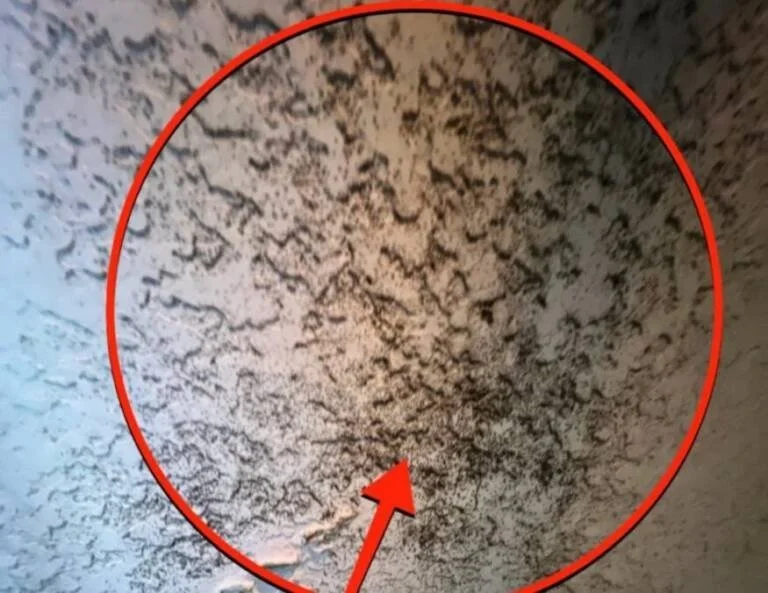
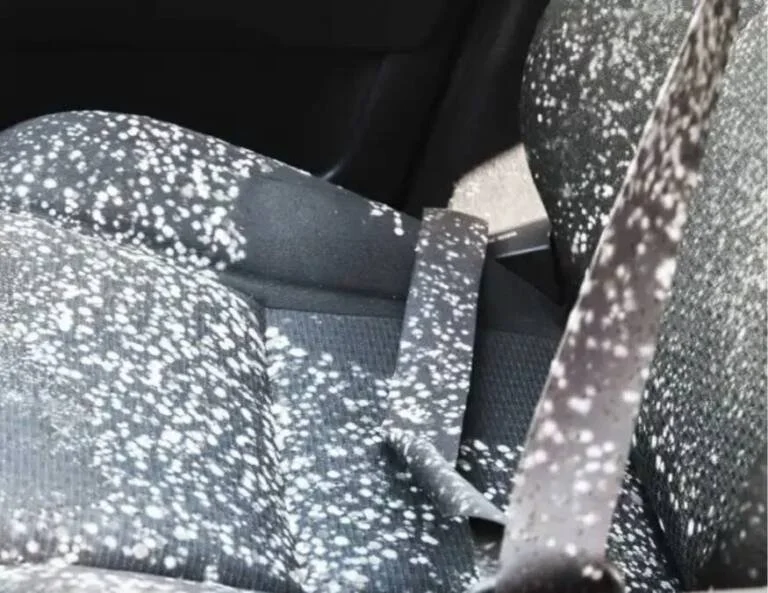
When that moisture lingers, mold can begin developing in as little as 24–48 hours. Unfortunately, mold isn’t always visible; it can grow behind walls, inside HVAC ducts, or underneath cabinets long before any discoloration appears. This is why many homeowners schedule a professional mold check in Palm Springs whenever something feels off, such as musty odors, allergies, headaches, or unexplained moisture patches.
How Mold Inspection Works in Palm Springs, FL
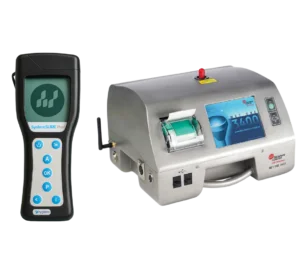
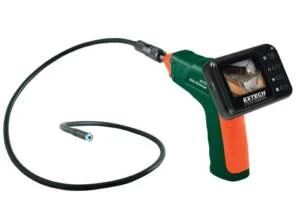
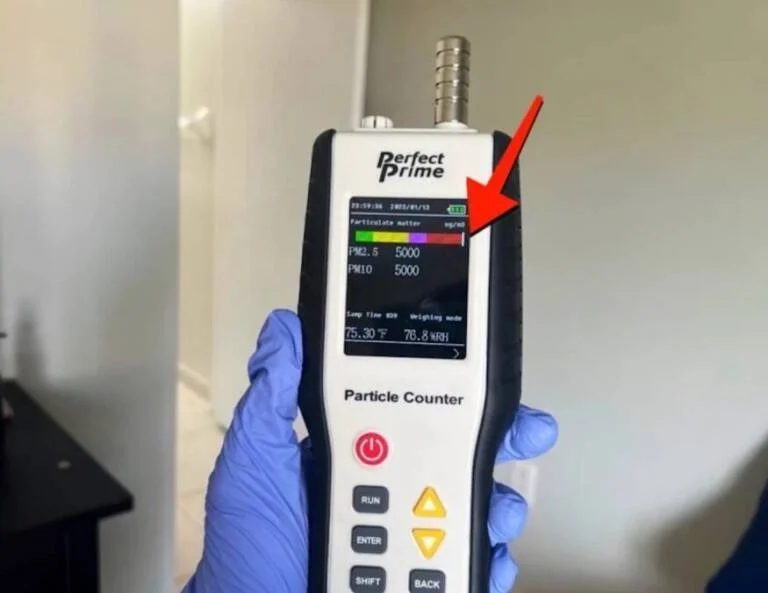
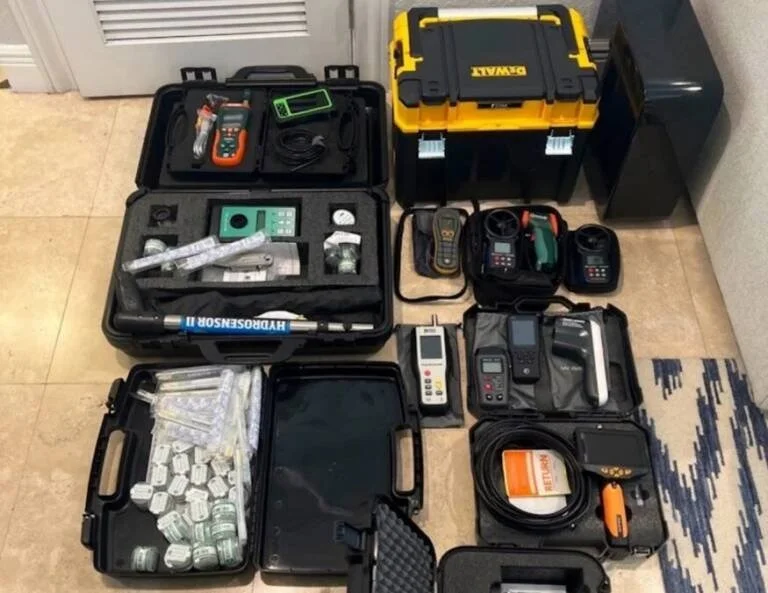
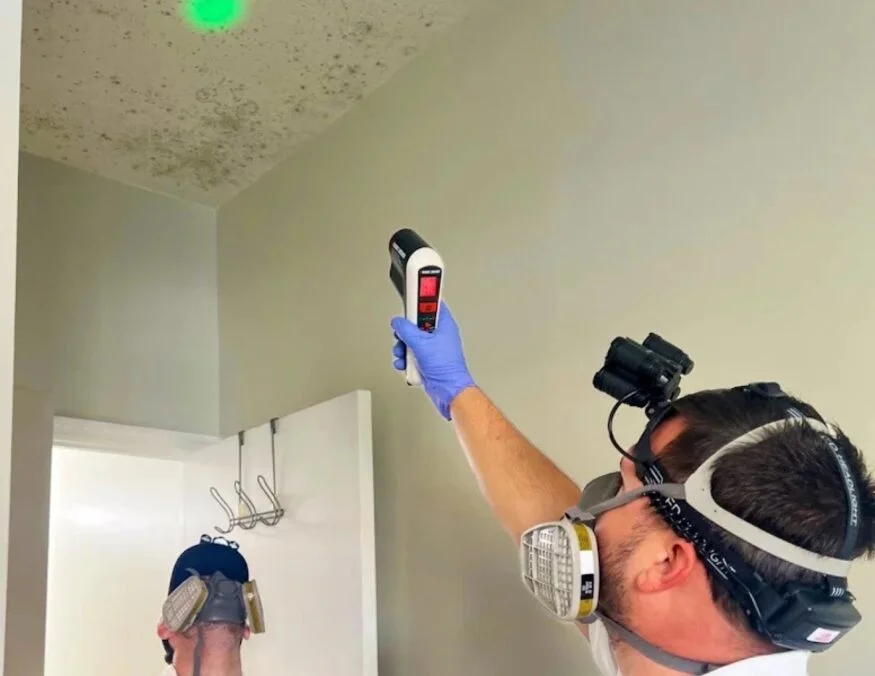
A proper mold inspection in Palm Springs doesn’t rely on guessing or visual checks alone. Certified specialists use tools like thermal imaging cameras, moisture meters, hydrosensors, and air-quality instruments to detect:
- Hidden water damage
- Elevated humidity pockets
- Temperature imbalances
- Airborne mold levels
- Moisture behind walls and ceilings
- Contamination inside HVAC systems
This type of diagnostic testing gives homeowners a clear understanding of the source of the problem, whether it’s a plumbing-related moisture intrusion, AC condensation issue, roof leak, or long-term humidity imbalance.
If needed, the inspection may include air samples, surface swabs, or full indoor air quality testing to measure the level and type of mold present. The result is a detailed report outlining what’s happening, why it’s happening, and the recommended steps to fix it safely.
Mold Removal & Mold Cleanup Services in Palm Springs
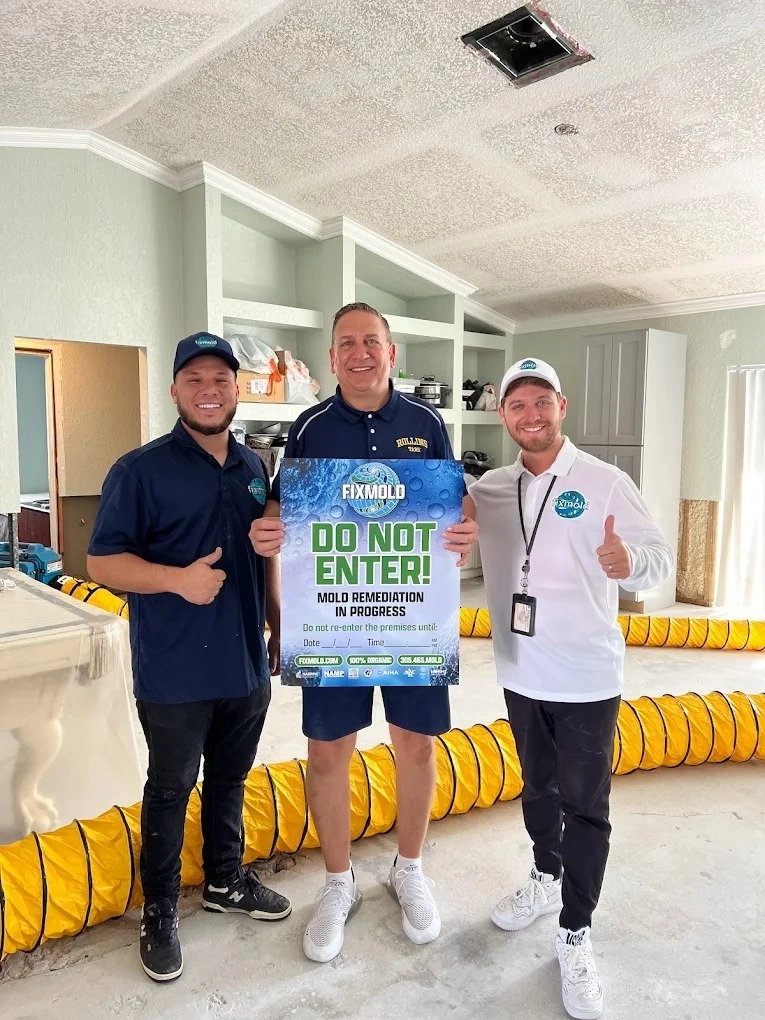
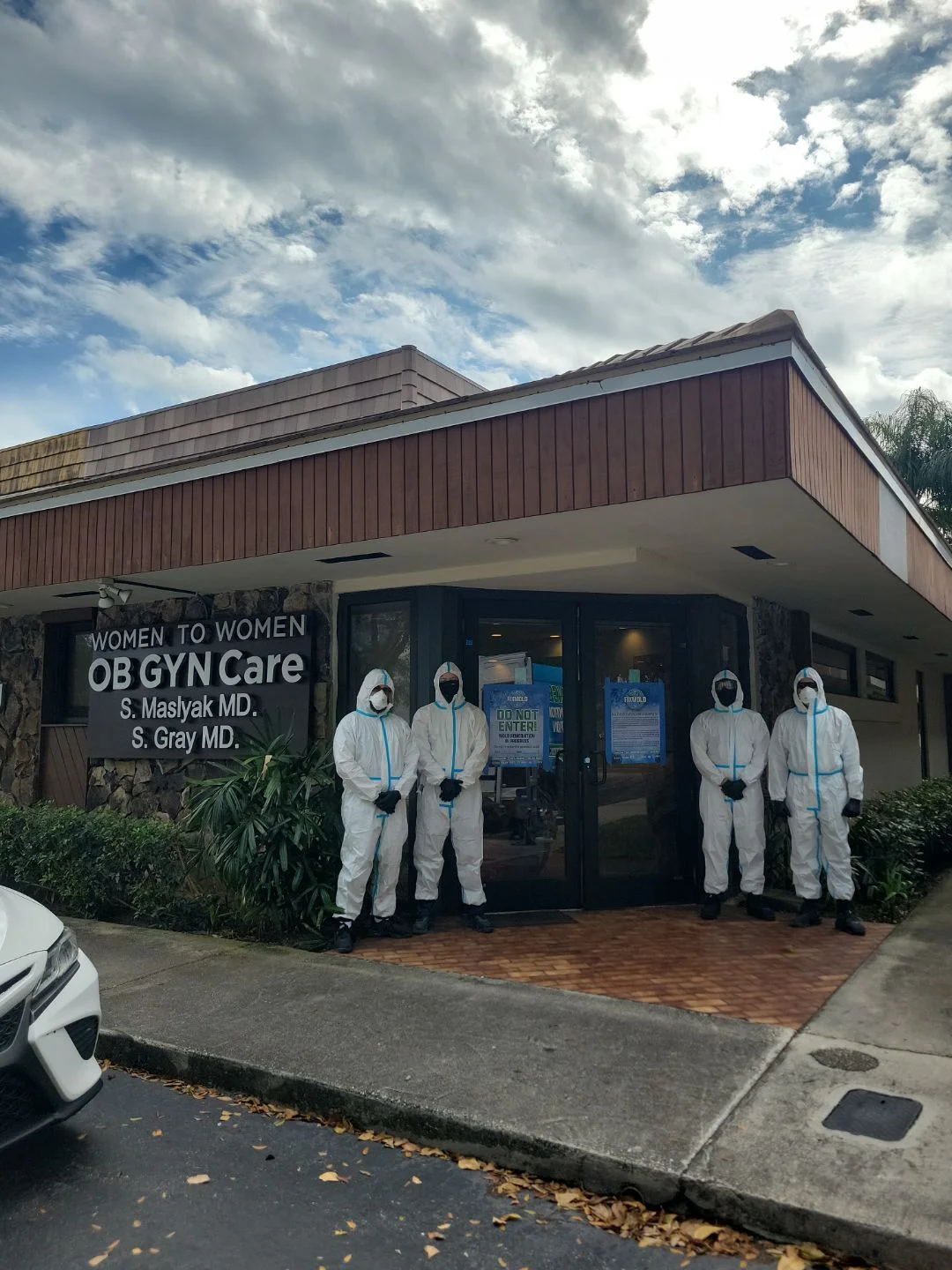
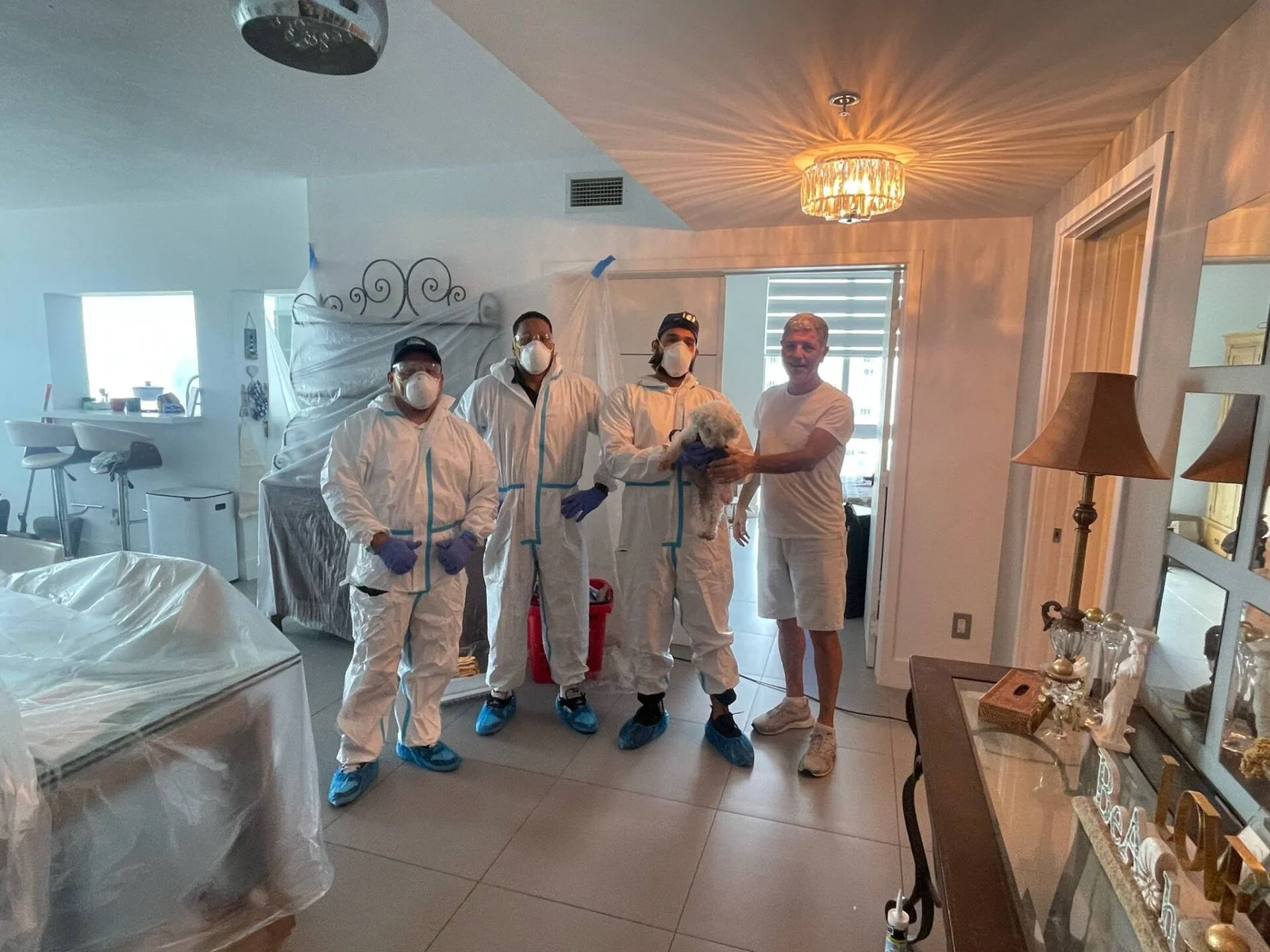
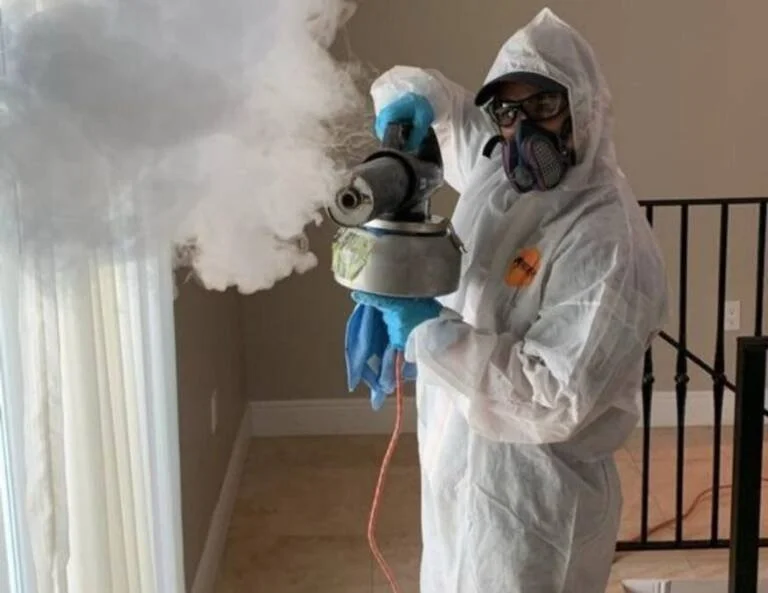
Once contamination is identified, the next phase is professional mold cleanup in Palm Springs. This process is more complex than simply wiping away visible spots. Mold spores spread easily through the air and can land on other surfaces during cleaning if the proper containment isn’t used.
A thorough remediation process usually includes:
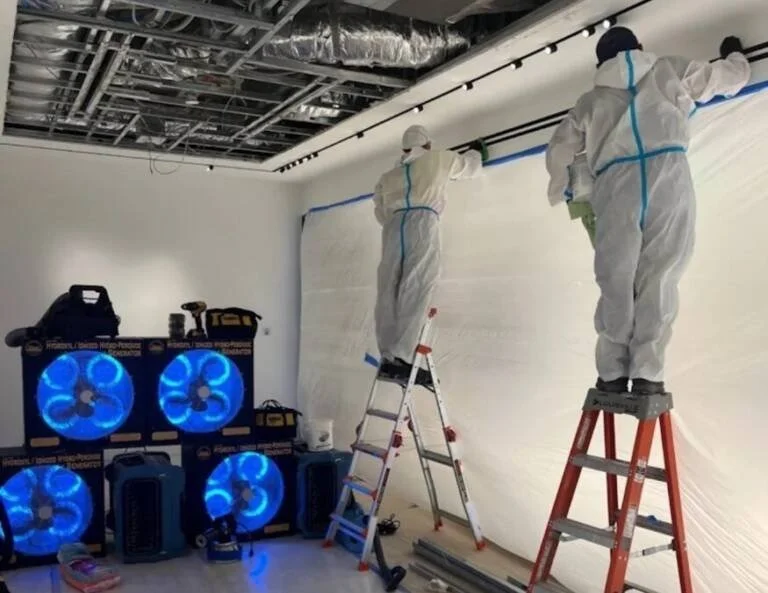
- Containing the affected area to prevent cross-contamination
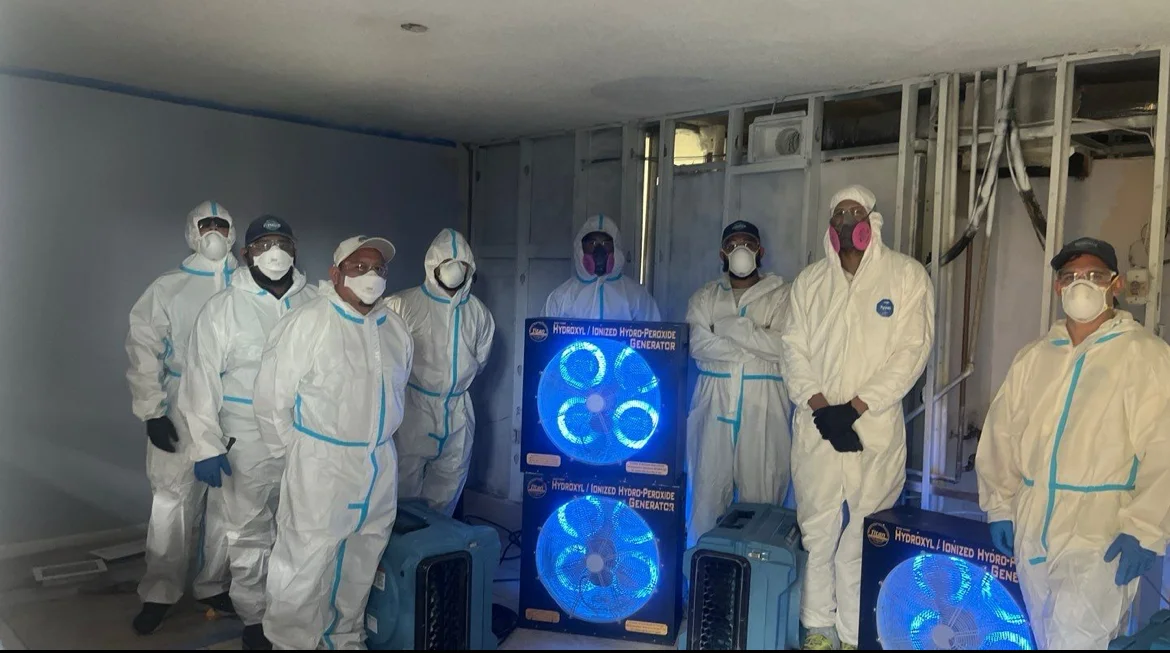
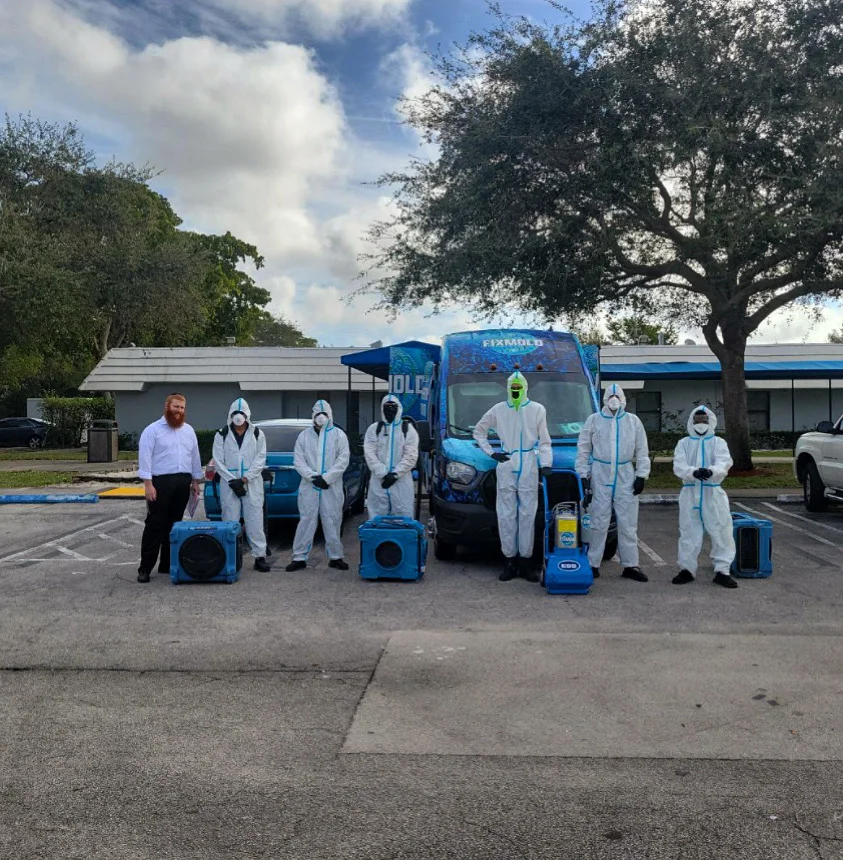
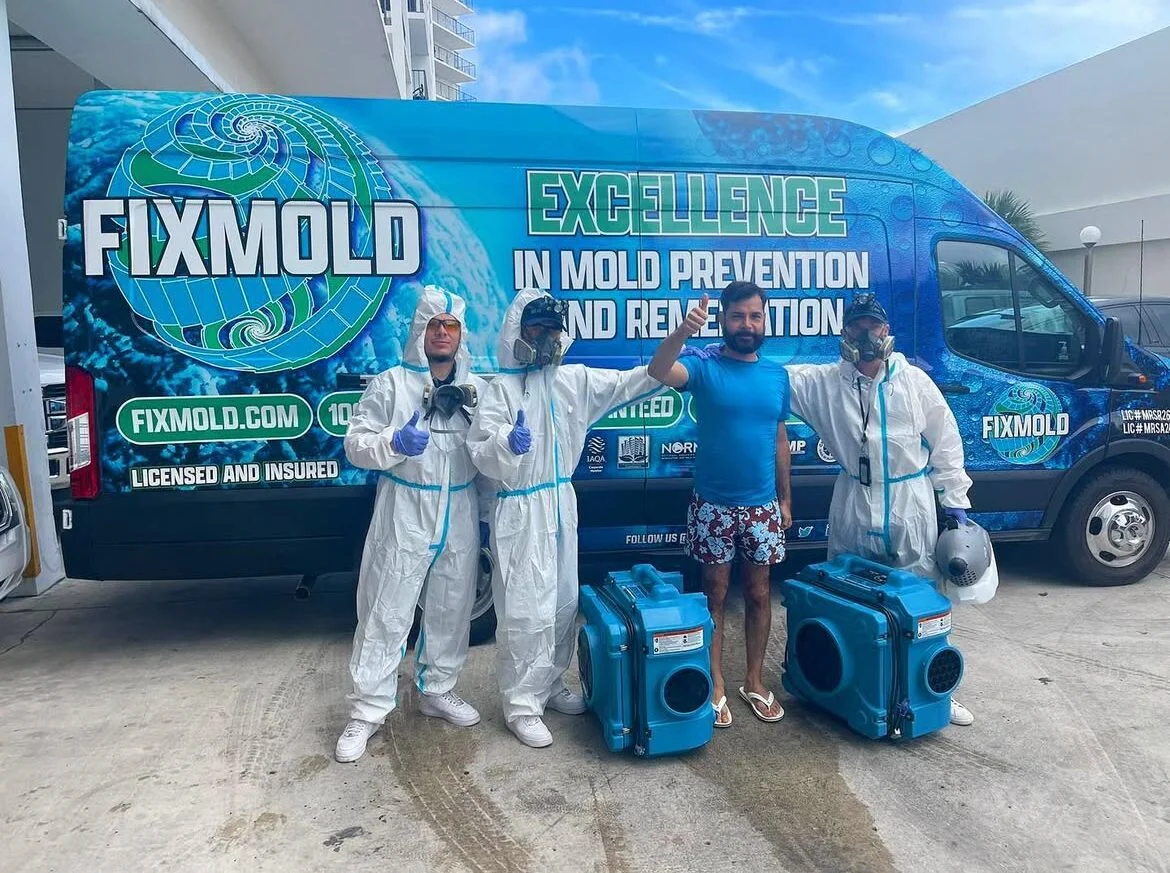
- Using HEPA air scrubbers to capture microscopic spores
- Removing mold-damaged materials if necessary
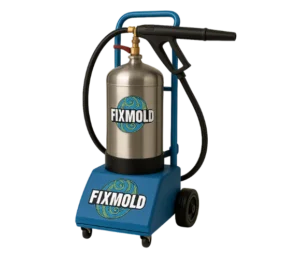
- Treating surfaces with antimicrobial agents
- Cleaning the surrounding environment, not just the visible growth
- Correcting the moisture source to stop the mold from returning
- Performing clearance testing once remediation is complete
Palm Springs homes often experience recurring mold because the underlying moisture issue was never addressed. That’s why true remediation involves both mold elimination and moisture correction, not just surface-level cleaning.
Indoor Air Quality & HVAC Mold Issues in Palm Springs
Because AC systems run constantly in Palm Springs, HVAC contamination is extremely common. Mold loves dark, damp areas — and AC coils, blower fans, drain pans, and ductwork provide the ideal conditions. Many homeowners only discover HVAC mold when they notice:
- Musty odors when the AC turns on
- Increased allergies or respiratory irritation
- Dust buildup around vents
- Inconsistent cooling or airflow
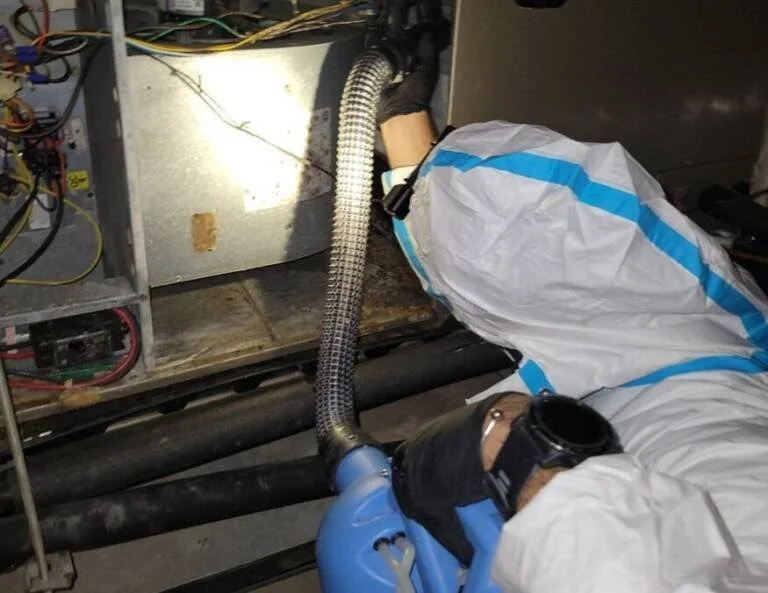
Professional HVAC mold cleaning targets the system from the inside out, removing buildup and sanitizing components to restore clean airflow throughout the home.
In addition to HVAC cleaning, many residents request indoor air quality testing to determine whether mold spores, dust, VOCs, or other irritants are circulating in the home. This service is especially valuable for families with allergies, asthma, or sensitivity to pollutants.
Water Damage & Mold Growth in Palm Springs
Water damage is one of the fastest ways mold spreads. Even a small AC leak or a minor roof issue can lead to hidden moisture behind walls or under flooring. Since Palm Springs experiences heavy rains and strong storm seasons, water damage restoration is often needed before mold remediation can be completed.
This process includes:
- Water extraction
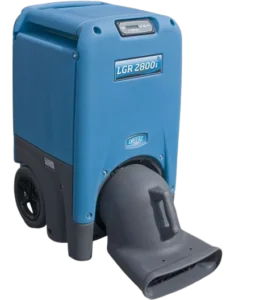
- Dehumidification
- Structural drying
- Moisture monitoring
- Sanitizing affected areas
Addressing water damage quickly can prevent the need for larger mold remediation later.
Protecting Your Palm Springs Home Long-Term
Preventing mold in Palm Springs requires a combination of humidity control, proper ventilation, consistent AC maintenance, and regular inspections of high-moisture areas. Homeowners should also keep an eye out for water stains, bubbling paint, musty smells, or areas of the home that feel damp or warmer than usual.
If you notice any of these signs, scheduling a mold evaluation or moisture inspection can help catch the issue early before it turns into a costly problem.