1000+ 5-STAR REVIEWS




Recommended All Over Florida
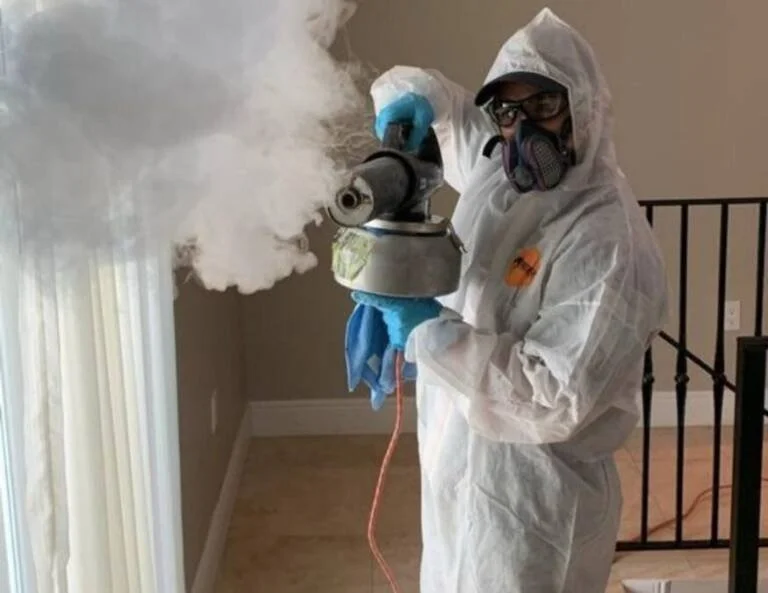
Understanding the Mold Remediation Process
When mold takes root in your home, time is your biggest ally or your worst enemy. Within 24 to 48 hours, mold spores can multiply into full colonies, damaging drywall, carpets, and air ducts. Beyond the visible stains, the real danger lies in invisible airborne spores that impact indoor air quality and health.
That’s where professional mold remediation comes in. But what exactly does it mean? How long does mold remediation take? And what’s actually involved?
This guide breaks down everything you need to know about the mold remediation process, from inspection to final clearance testing—so you know what to expect, what’s safe, and how to prevent mold from coming back.
Many homeowners confuse mold remediation with simple mold removal. But these are two different things.
In short, remediation goes beyond wiping mold away—it ensures it doesn’t return.
The two main goals of remediation are:
The mold remediation procedures standard, set by the IICRC (S520 guidelines), ensures each step follows health and safety protocols.
Understanding what’s involved with mold remediation gives you control, confidence, and peace of mind.
| Stage | What Happens | Purpose |
| 1. Initial Inspection and Testing | Certified inspectors use infrared cameras, moisture meters, and air sampling to find hidden mold. | Identify contamination and scope of work. |
| 2. Containment Setup | Plastic barriers and negative air pressure systems prevent spores from spreading. | Control airborne contamination. |
| 3. Air Filtration | HEPA filters and scrubbers continuously clean the air. | Protect workers and residents from exposure. |
| 4. Mold Removal | Technicians remove porous materials like drywall or insulation; non-porous surfaces are cleaned and treated. | Eliminate active mold growth. |
| 5. Cleaning and Sanitization | Use of EPA-approved biocides and antimicrobial agents. | Kill spores and prevent regrowth. |
| 6. Drying and Dehumidification | High-powered dehumidifiers ensure the environment is moisture-free. | Stop future mold growth. |
| 7. Post-Remediation Testing | Air quality and surface tests confirm that mold counts are normal. | Verification of a successful remediation. |
One of the most common questions is “how long does mold remediation take?”
Here’s a general breakdown:
However, the full remediation process including drying, post-testing, and minor repairs, can take up to 10–14 days.
Preparing your home properly can make the process smoother and safer:
If you’re wondering, “Should I move out during mold remediation?” — for minor jobs, you can stay; but for larger or toxic mold (like black mold), it’s best to relocate temporarily.
Short answer: it depends.
If the affected area is isolated and properly contained, staying home may be safe. However, during major remediation, high spore concentrations and chemical use can cause irritation. Professionals often recommend leaving until post-remediation clearance is confirmed.
Once remediation is complete, cleaning your personal items is crucial to avoid recontamination.
Professionals follow strict standards during the mold remediation process. You’ll see them using:
These steps are vital parts of the mold remediation procedures standard and ensure your home’s air is clean and safe again.
Costs vary based on contamination level and property size. On average:
| Type of Mold Issue | Estimated Cost (USD) |
| Small Bathroom Mold | $500 – $1,500 |
| Crawl Space or Attic Mold | $2,000 – $6,000 |
| Whole-Home Black Mold | $8,000 – $15,000+ |
Keep in mind that insurance may cover mold remediation if caused by a sudden, accidental event (like a burst pipe). Always review your policy carefully.
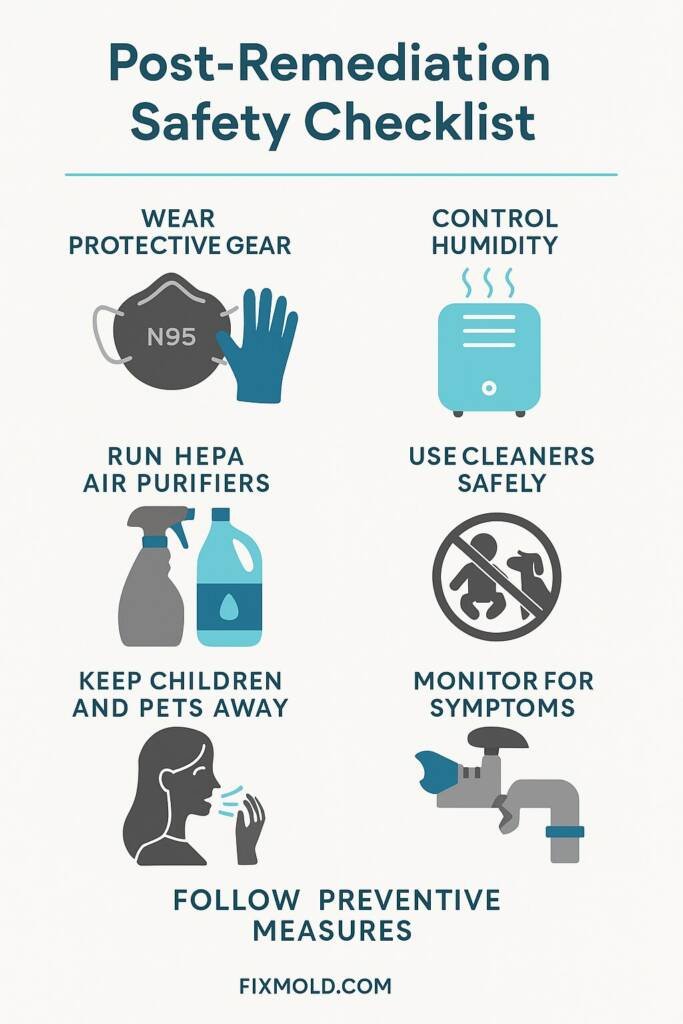
The mold remediation process involves chemicals, airborne spores, and sometimes toxic materials like black mold. Whether you’re hiring professionals or doing small cleanups yourself, safety should always come first. Proper protection and air control aren’t just recommendations — they’re part of the mold remediation procedures standard used by certified specialists.
Here’s how to keep yourself, your family, and your home safe throughout the remediation process:
Before entering any contaminated area, suit up properly. Mold spores are microscopic and can easily be inhaled or cling to your skin and clothing.
If professionals are handling the job, you’ll notice they wear Tyvek suits and respirators — that’s the same level of protection you should aim for if you’re cleaning small spots yourself.
Mold thrives in humidity. After remediation, it’s crucial to maintain indoor humidity below 50%.
Keeping your environment dry is one of the most effective ways to ensure that all your mold remediation efforts last long-term.
Even after the remediation process is completed, mold spores may remain airborne for up to 48 hours. Running HEPA (High-Efficiency Particulate Air) purifiers continuously helps eliminate any lingering contamination.
This small step can significantly improve indoor air quality and reduce allergic reactions following remediation.
Many people use strong chemicals to kill mold, but some mixtures can be dangerous.
If the mold contamination is extensive or involves black mold, it’s always best to let certified professionals handle it. They use controlled environments and negative air machines to ensure no harmful exposure occurs.
Kids and pets are more sensitive to airborne spores and cleaning fumes. Restrict access to remediation zones until air testing confirms the area is safe. Professionals typically conduct post-remediation clearance testing to measure airborne mold levels — make sure this step is included in your service.
Even after cleanup, some people may experience temporary sensitivity to mold spores.
Look out for these mold exposure symptoms:
If these persist, contact a healthcare provider. In some cases, they may recommend an air quality retest to ensure no hidden contamination remains.
Safety doesn’t end after the cleanup. Continue to follow remediation process best practices:
This proactive approach helps ensure your home stays mold-free long after remediation, protecting your property value and your family’s well-being.
Discard any item that’s porous and heavily contaminated:
Non-porous materials like glass, metal, or sealed wood can usually be cleaned and sanitized.
After investing in professional remediation, prevention is everything.
Mold remediation is not just a cleanup job; it’s a restoration of your indoor environment and peace of mind. Knowing how to remediate mold, how long the remediation process takes, and what’s involved empowers you to make informed, safe decisions.
Remember: the true measure of success is not just visible cleanliness, it’s the long-term prevention of mold return.
If you are dealing with mold issues in Palm Beach County, working with experienced professionals is essential for safe and effective results. FixMold provides reliable mold remediation services in Boynton Beach, following a proven, step-by-step remediation process that removes mold at the source and helps prevent future growth. Our team ensures your property is restored to a clean, healthy environment with minimal disruption.
1. Does mold come back after remediation?
Only if moisture sources aren’t fixed. Keep your home dry and ventilated.
2. How difficult is mold remediation?
For professionals, it’s a standard but precise process. For homeowners, DIY attempts can be risky.
3. What’s the difference between mold removal and remediation?
Mold removal = surface cleaning; mold remediation = full containment, removal, and prevention.
4. Can you sleep in a room after using mold remover?
Wait 24 hours after cleaning before sleeping in that space.
5. What to wear for mold remediation?
Wear gloves, an N95 mask, long sleeves, and eye protection.
6. How long are mold spores airborne after cleaning?
Typically 24–48 hours, though HEPA filtration can reduce this to a few hours.
7. How often should you communicate with your residents during remediation?
Daily updates are ideal if managing multi-family or commercial properties.
8. Is mold remediation an emergency?
Yes, especially when black mold or large areas of contamination are present.
9. How long does it take to feel better after mold remediation?
Most people notice relief within a few days, though recovery varies.
10. Can black mold be fully remediated?
Yes—with professional containment, air filtration, and post-remediation testing.
