1000+ 5-STAR REVIEWS




Recommended All Over Florida

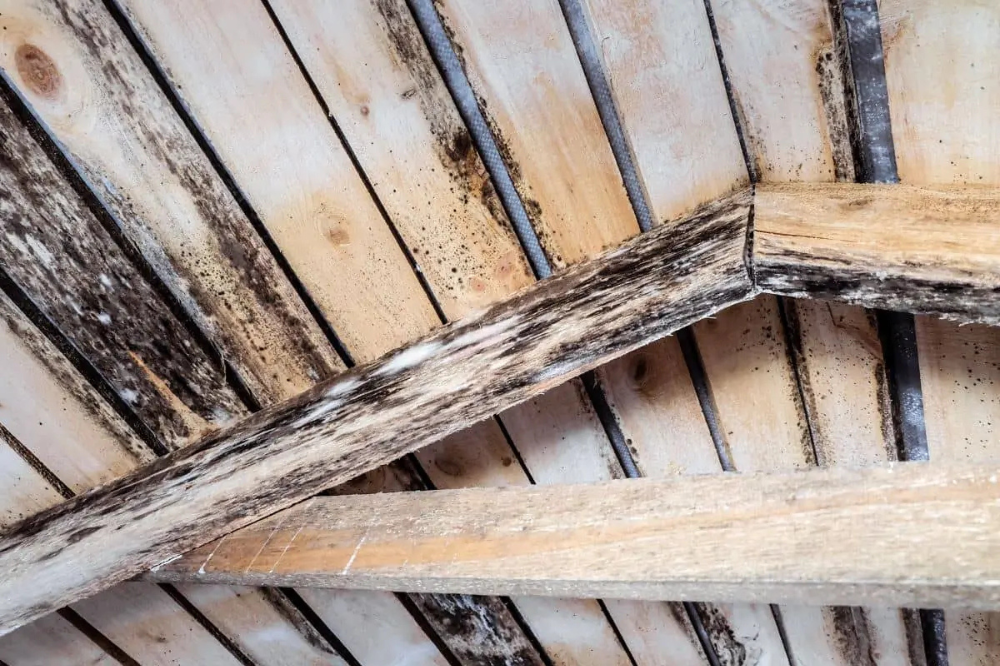
Wooden surfaces add warmth and beauty to any home, but they are also susceptible to mold growth, which can pose significant health risks and structural damage if left untreated. Knowing how to prevent and safely remove mold on wood surfaces is crucial for homeowners who want to maintain a healthy and safe living environment.
In this article, we will discuss the importance of preventing mold growth, identifying mold on wood surfaces, and safe removal methods. We will also cover professional mold remediation services and provide prevention strategies for maintaining mold-free wood surfaces in your home.
When mold grows on wood, it can pose serious risks to both the structural integrity of the wood and the health of individuals within the affected space. Mold damage on wood can result in a weakened, warped surface that compromises the integrity of the structure it supports. Wood rot and mold can also be major contributors to indoor air pollution, causing respiratory problems and allergic reactions.
To understand the risks associated with mold on wood, it’s first important to understand the conditions that contribute to its growth. Mold requires moisture to thrive, which is why humidity control is essential for preventing mold damage on wood surfaces. When wood is exposed to prolonged periods of high humidity, it creates an ideal breeding ground for mold and fungi to grow and thrive.
Mold on wood can be a serious problem for homeowners, potentially causing structural damage and health hazards if left untreated. Here are some common signs to look out for:
If you suspect mold on wood surfaces in your home, it’s important to take action promptly to prevent further damage. Treating mold on wooden surfaces can be challenging, but taking the necessary steps can help keep your home safe and healthy.
Mold prevention is critical to protecting your home from the dangers of mold on wood surfaces. The following tips can help you prevent mold growth on wood:
Moisture is a leading cause of mold growth on wood surfaces. It is crucial to identify and address sources of excess moisture in your home, such as leaks or condensation. Use a dehumidifier in damp areas to ensure proper humidity levels and prevent moisture build-up.
Proper ventilation is essential in preventing mold growth on wood surfaces. Ensure that your home is adequately ventilated, especially in areas prone to moisture like kitchens and bathrooms. Consider installing exhaust fans in these areas to improve ventilation and reduce humidity levels.
Regularly inspecting wood surfaces for signs of mold-prone conditions can help detect potential issues early and prevent mold growth on wood. Look for signs of water damage, such as discoloration or warping, and address them promptly to prevent mold growth.
By following these preventative measures, you can reduce the risk of mold growth and protect your home from the detrimental effects of mold on wood surfaces.
When it comes to removing mold from wood surfaces, it is crucial to follow safety precautions and use the right tools and techniques to effectively eliminate mold without causing further damage. Here are the steps to safely remove mold from wood:
If you are dealing with a severe case of mold on wood or have concerns about safely removing mold, it may be best to hire a professional mold remediation service.
Homeowners facing severe cases of mold on wood surfaces should invest in professional mold remediation services. While minor mold growth can be treated with DIY methods, larger and more complex mold infestations require specialized equipment and expertise to safely and effectively remove mold from wood.
Professional mold remediation services offer a comprehensive approach to mold removal and prevention. Certified technicians use advanced techniques to identify and eliminate mold sources, preventing future growth and potential health hazards.
When hiring professional mold remediation services, homeowners can expect a thorough assessment of their mold situation. Technicians will inspect the affected areas and develop a customized remediation plan that suits the specific needs of their home. This includes the use of high-powered dehumidifiers, scrubbers, and air movers to remove moisture and mold spores from the air and prevent further spread.
Did You Know? Professional mold remediation services can also assist with insurance claims and provide valuable documentation of mold damage to support your claim.
Homeowners should choose a reputable and experienced mold remediation company to ensure the safety and effectiveness of the mold removal process. Look for companies that are licensed, insured, and certified by industry organizations such as the Institute of Inspection Cleaning and Restoration Certification (IICRC).
Investing in professional mold remediation services can provide peace of mind and ensure the safety and health of your home and family. Contact a trusted mold remediation company today to schedule a consultation and take the first step toward a mold-free environment.
When dealing with mold-infested wood materials, safety should be a top priority. Mold spores can cause allergic reactions or respiratory problems, especially for those with weakened immune systems. Before handling moldy wood, it is important to wear protective clothing, gloves, and a mask.
If the mold damage is extensive or a health risk, it may be necessary to dispose of the wood materials properly. Some communities have specific guidelines for disposing of moldy materials, so it is essential to check with local regulations before throwing it away.
If you revere saving the mold-damaged wood, it is essential to evaluate the severity of the damage. If the mold growth has not penetrated deep into the wood, it may be salvageable. However, if the wood shows signs of rot, it is unlikely it can be saved.
In most cases, it is best to hire a professional mold remediation service to handle large or severe cases. They have the equipment and expertise necessary to safely and effectively remove mold from wood surfaces.

One of the most effective ways to prevent mold on wood is through moisture control. High levels of moisture create a favorable environment for mold growth, which can be harmful to both the wood and your health.
To prevent mold growth, it’s important to fix any leaks or water damage as soon as possible. This will help prevent moisture buildup, which can lead to mold growth on wood surfaces. Additionally, improving insulation can help regulate temperature and humidity levels in the home, reducing the risk of mold growth.
Using a dehumidifier can also be an effective way to control indoor humidity levels. By removing excess moisture from the air, you can create an environment that is less conducive to mold growth.
Proper maintenance of wood surfaces can go a long way in preventing mold growth and protecting your home from potential damage. Here are some essential tips to keep in mind:
By following these preventive maintenance practices, you can significantly reduce the risk of mold growth on wood surfaces and ensure the longevity of your home’s structure and interior design.
Mold growth on wood can be a recurring problem if not addressed properly. To prevent mold from coming back, it’s crucial to identify and treat the underlying causes of its growth.
One of the most common causes of mold growth on wood is excessive moisture due to plumbing leaks. Any leaks should be fixed promptly to prevent further damage to the wood and prevent mold from taking root. Poor ventilation is another contributing factor to mold growth on wood surfaces. Homeowners should ensure that there is adequate ventilation in humid areas, like bathrooms and kitchens, to prevent the buildup of moisture.
Regular inspections of wood surfaces can help spot the earliest signs of mold growth and prevent costly damage to your home.
| Underlying Causes | Symptoms |
|---|---|
| Plumbing Leaks | Discoloration on wood surfaces, musty odor, and warping |
| Poor Ventilation | Humidity buildup, condensation on windows, mildew growth |
Preventing mold growth on wood requires taking proactive steps to control moisture levels and improve ventilation in your home. Regular inspections and prompt addressing of any issues can help keep your wood surfaces mold-free and ensure your home stays safe and healthy for years to come.
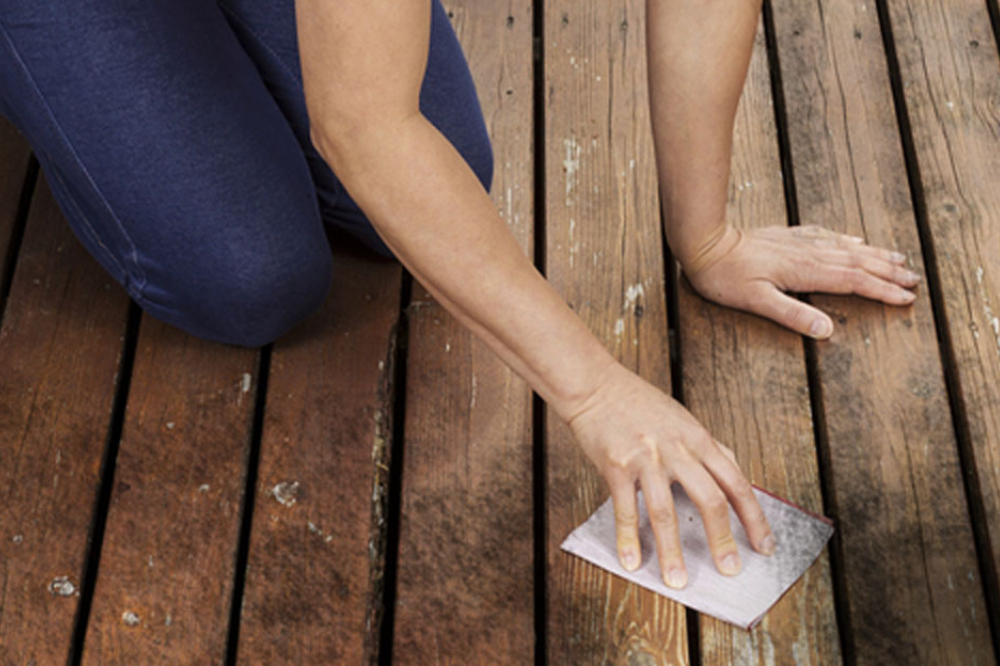
Preventing and removing mold on wood surfaces requires proactive measures to maintain a mold-free environment in your home. By implementing the following tips and strategies, you can effectively protect your home from the dangers of wood mold:
Inspect wood materials in your home regularly for signs of moisture or mold growth. Addressing these issues promptly can prevent the spread of mold and further damage to wood surfaces.
Keep indoor humidity levels below 60% to prevent mold growth on wood surfaces. Make sure to fix any leaks in your home, improve ventilation, and use dehumidifiers in high-humidity areas to control moisture levels.
Regularly clean and maintain wood surfaces to prevent mold growth. Sealing and finishing wood materials properly can also help prevent moisture from penetrating the surface and creating an environment for mold growth.
For severe cases of wood mold, professional mold remediation services should be considered. These experts have the specialized equipment and expertise required to safely and effectively remove mold from wood surfaces.
| Mold Prevention Strategies | Mold Remediation Techniques |
|---|---|
| Regular inspections of wood surfaces | Professional mold remediation services |
| Control moisture levels to prevent mold growth | Effective cleaning products and tools for safe mold removal from wood surfaces |
| Clean and maintain wood surfaces to prevent mold growth | Specialized equipment for mold remediation and removal |
By incorporating these prevention and removal strategies, you can effectively protect your home from the potential dangers of mold on wood surfaces. Keep in mind that addressing underlying causes of mold growth, such as plumbing leaks or poor ventilation, can also be crucial in preventing recurring mold problems.
Homeowners must prioritize mold prevention and safe removal techniques on wood surfaces to maintain a healthy and safe environment. Taking proactive measures, such as controlling moisture levels and regularly inspecting wood materials, can help prevent mold growth and mitigate its potential risks. For severe cases of mold on wood, it is recommended to seek professional mold remediation services to ensure thorough and safe removal. By implementing these prevention and removal strategies, homeowners can protect their homes and safeguard their families from the dangers of wood mold.
If mold on wood keeps returning or spreads beyond surface areas, professional remediation is often the safest solution. FixMold offers trusted mold removal services in Ochopee, helping homeowners remove mold safely, protect wooden structures, and prevent future growth.
Mold growth on wood can lead to structural damage, compromising the integrity of the material. Additionally, mold on wood can pose health risks, especially for individuals with allergies or respiratory conditions.
Signs of mold growth on wood may include discoloration, black or green spots, a musty odor, or wood that appears warped or deteriorated. If you suspect mold on wood surfaces, it is essential to take prompt action.
To prevent mold growth on wood, it is crucial to control moisture levels and improve ventilation in the surrounding area. Regularly inspecting wood for signs of mold-prone conditions, such as leaks or high humidity, can also help mitigate the risk.
To safely remove mold from wood surfaces, begin by wearing protective gear and isolating the affected area. Scrub the moldy wood with a mixture of detergent and water or a specialized mold cleaner. Rinse thoroughly and dry completely to prevent further mold growth.
If the mold infestation on wood surfaces is extensive or if you are unsure about handling the removal process yourself, it is recommended to hire professional mold remediation services. They have the expertise, equipment, and specialized techniques to safely and effectively remove mold from wood.
When dealing with mold-infested wood materials, it is important to take appropriate safety precautions, such as wearing protective equipment and sealing off the area. If salvageable, the wood can be cleaned and treated, but if severely damaged, it may need to be disposed of following proper protocols.
Apart from controlling moisture levels, addressing underlying causes, such as plumbing leaks or poor ventilation, can help prevent mold growth on wood surfaces. Regular maintenance practices, including sealing and finishing wood, can also aid in preventing mold infestation.
Plumbing leaks, high humidity, poor ventilation, and inadequate insulation are common underlying causes of mold growth on wood. Addressing these issues can help eliminate the conditions that foster mold growth on wood surfaces.
To protect your home from wood mold, it is crucial to implement preventive measures, such as controlling moisture, improving ventilation, and promptly addressing any signs of mold growth. Regular maintenance and inspections are essential to maintaining a mold-free environment.
