1000+ 5-STAR REVIEWS




Recommended All Over Florida
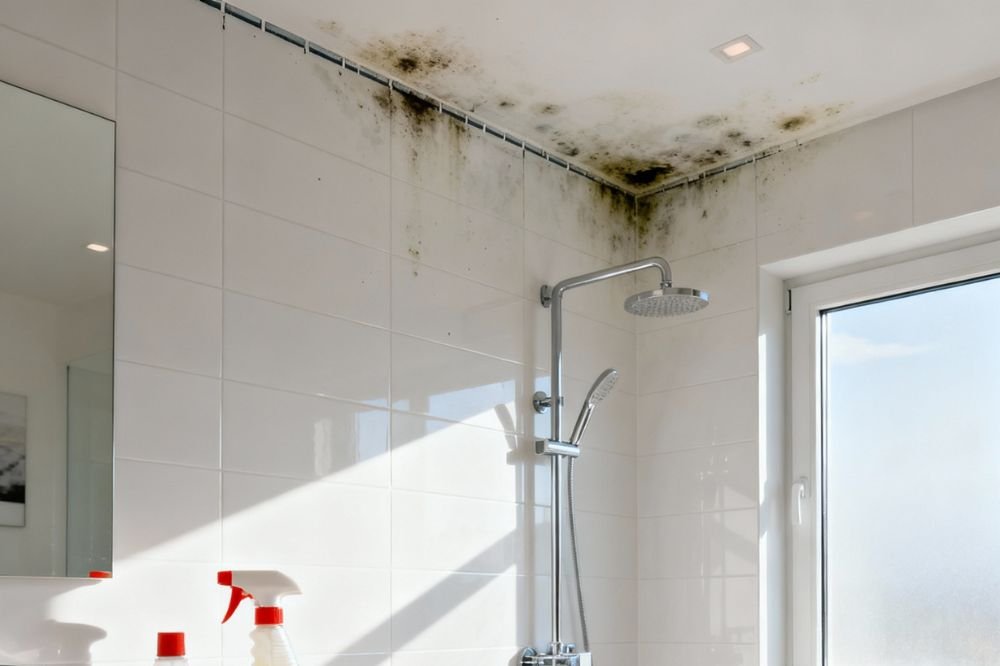
Bathrooms are one of the most common places for mold to grow. The constant moisture, humidity, and lack of ventilation create the perfect environment for mold to thrive. While a few dark spots on tiles or grout may seem harmless, bathroom mold can quickly spread, cause unpleasant odors, and even trigger allergies or respiratory issues if left untreated.
In this blog, we’ll cover everything you need to know about bathroom mold prevention and safe removal. You’ll learn what causes mold growth, how to spot it in different bathroom areas, the health risks of exposure, and practical steps to clean and prevent it from returning. With the right techniques, you can keep your bathroom fresh, safe, and mold-free.
Bathrooms are notoriously susceptible to mold growth, and understanding the reasons behind this is critical in developing effective prevention and removal strategies.
To illustrate this, studies have shown that bathrooms have the highest concentration of mold spores compared to other areas of a home, with mold growing on various surfaces, including walls, ceiling, tiles, and grout.
It’s important to keep in mind that mold growth can occur in any part of the bathroom, but is more likely to thrive in spots where moisture is more prevalent, such as near pipes or in areas that are difficult to dry. This is particularly true for black mold in the bathroom, which often grows in hidden spaces or on porous surfaces that retain moisture, such as drywall or carpet.
“To effectively address bathroom mold growth, it’s essential to understand the underlying conditions that promote its development. By addressing these factors and adopting preventative measures, it’s possible to maintain a mold-free bathroom environment.”
Mold can grow in various areas of your bathroom due to high humidity levels and poor ventilation. Identifying the presence of mold is crucial to preventing its spread and protecting the health of those living in the household. Here are some common areas where mold tends to grow:
| Bathroom Area | Visual Cues of Mold Growth |
|---|---|
| Shower |
|
| Bathroom Walls |
|
| Bathroom Ceiling |
|
If you notice any of these visual cues, it’s important to take action and prevent mold growth from spreading. In the next section, we will explore the health risks associated with bathroom mold.
Bathroom mold may seem like a minor issue, but it can pose several health risks that should not be ignored. Exposure to mold spores can trigger respiratory problems, asthma attacks, allergies, and other adverse reactions. Long-term exposure to bathroom mold can also lead to more severe health issues, such as neurological problems and chronic fatigue.
The severity of these health risks depends on several factors, including the type of mold present and the individual’s sensitivity to mold. Black mold, for example, is highly toxic and can cause severe health problems even in healthy individuals.
It is crucial to address bathroom mold problems promptly and thoroughly to protect the health and well-being of yourself and your loved ones.
One way to minimize the risk of mold-related health issues is by keeping your bathroom properly ventilated and moisture-free. This can be achieved by using bathroom fans, regularly opening windows, and fixing any leaks or moisture issues promptly.
If you’ve ever dealt with mold in your bathroom, you know how difficult it can be to get rid of. That’s why prevention is key. By taking steps to stop mold from growing in the first place, you’ll save yourself a lot of time and hassle down the road. Here are some practical tips and techniques for preventing bathroom mold:
By following these simple steps, you can significantly reduce the risk of mold growth in your bathroom. Remember, prevention is always easier than removal!
If you’ve identified mold in your bathroom, removing it safely and effectively is crucial for your health. Here, we’ll outline the recommended steps for safely removing mold from different bathroom surfaces, including walls, ceilings, and showers.
Before beginning any mold removal process, it’s important to take safety precautions to protect yourself from harmful mold spores.
By taking these steps, you can minimize your mold exposure and protect yourself from its harmful effects.
Before removing any mold, it’s important to identify and eliminate the source of the problem to prevent future growth. Check for leaks or moisture buildup in your bathroom, and address any issues you find.
When it comes to removing mold, using the right cleaning products is crucial. Choose a product specifically designed for mold removal and ensure it’s safe for use on the surface you’re cleaning.
The removal process will vary depending on the type of surface you’re cleaning. Here are some recommended steps:
| Surface | Recommended Steps |
|---|---|
| Walls | Scrub the affected area with a brush and mold removal product. Rinse with water and dry thoroughly. |
| Ceiling | Use a ladder to reach the affected area. Scrub with a brush and mold removal product, then rinse with water and dry thoroughly. |
| Shower | Remove any visible mold with a scrub brush and cleaning product. Rinse with water and dry with a towel. |
Once you’ve successfully removed mold from your bathroom, it’s important to take steps to prevent its growth in the future. This includes regular cleaning, proper ventilation, and addressing any moisture issues promptly.
By following these steps, you can safely and effectively remove mold from your bathroom and ensure a healthy living environment.
In some cases, bathroom mold problems can be too severe to tackle alone. When mold has spread to a large area or is present in hard-to-reach places like bathroom walls, ceiling, or shower, it is best to hire professionals for safe and thorough removal.
Certified mold remediation experts have the knowledge, skill, and specialized tools to identify the type of mold present, contain the affected area, prevent further spread, and safely remove the mold. They can also offer advice on preventing future mold growth and recommend appropriate cleaning products.
Regular maintenance is crucial to ensure a mold-free bathroom. By following some simple measures, you can keep your bathroom free from mold for an extended period. Here are some tips that can help you maintain a mold-free bathroom:
By following these maintenance tips, you can create a cleaner, healthier, and mold-free bathroom environment for you and your family.
Hidden mold in the bathroom can be a major issue if left unaddressed. Mold in bathroom walls and mold in bathroom ceilings are particularly challenging to detect since they’re often out of sight and can grow undisturbed for long periods. Even if you’re diligent in your cleaning efforts, mold spores can spread quickly in humid or damp environments, making it important to address hidden mold as soon as possible.
If you suspect hidden mold in your bathroom, the first step should be to perform a thorough inspection. Look for any signs of water damage, such as discoloration or warping of walls or ceilings. Musty odors or an increase in allergy symptoms, such as sneezing or coughing, may also be indicators of hidden mold.
If you detect mold growth, it’s important to act quickly to prevent it from spreading and causing further damage. In some cases, you may be able to clean small areas of mold yourself with vinegar, hydrogen peroxide, or other cleaning solutions. However, if the mold has spread to a larger area or if it’s in hard-to-reach places, such as inside walls or ceilings, it’s best to seek professional help. Certified mold remediation experts have the tools and expertise to safely remove hidden mold and ensure that the affected areas are thoroughly cleaned and restored.
“Hidden mold in the bathroom can be a major issue if left unaddressed.”
Preventing mold growth in the bathroom starts with wise product choices during construction or renovation. Opting for mold-resistant materials and products can help reduce the risk of mold growth and make maintenance easier.
Mold-resistant drywall is a popular choice for bathrooms as it’s designed to repel moisture, a primary cause of mold. This drywall contains fiberglass facing instead of paper facing to slow down mold growth. It can be identified by its distinctive green color and is available at most home improvement stores.
Mold-resistant paint is another effective solution for combating bathroom mold. This type of paint contains antimicrobial properties that help prevent mold growth, making it ideal for bathrooms with high humidity levels and limited ventilation. Brands like Behr and Sherwin-Williams offer such paints explicitly formulated for bathroom walls and ceilings.
Installing quality ventilation solutions is also crucial in preventing mold growth in the bathroom. Consider a bathroom exhaust fan that’s both effective in removing excess moisture and quiet for comfort. Some popular options include Panasonic and Delta Breez fans, designed with cutting-edge technology for optimal performance and noise reduction.
Bathroom mold is more than just an eyesore; it can affect indoor air quality and pose serious health risks if ignored. The key to prevention is controlling moisture, humidity, and ventilation while keeping surfaces clean and fixing leaks promptly. For safe removal, always use proper cleaning products and protective measures, and in cases of severe or recurring growth, consult certified mold remediation professionals. Consistent monitoring, quick action, and the use of mold-resistant materials can help maintain a clean, healthy, and mold-free bathroom environment.
Protect your Aventura home from harmful mold, our expert mold remediation in Aventura is fast, safe, and effective.
We’re local, trusted, and ready to restore your property with professional care.
📞 Contact FixMold at 305-465-6653 for expert mold inspection services in Miami and South Florida
To prevent mold growth in your bathroom, ensure proper ventilation by using exhaust fans or opening windows during and after showers. Fix any leaks or seepage promptly, dry wet surfaces, and use mold-resistant paint or materials. Regularly clean and disinfect your bathroom to keep it dry and minimize moisture buildup.
Exposure to bathroom mold can lead to various health issues, including respiratory problems, allergies, and skin irritations. Prolonged exposure to toxic black mold in particular may cause more severe symptoms. It’s crucial to address any mold growth in your bathroom promptly to protect your health.
To safely remove mold from your bathroom, start by wearing protective gear such as gloves and a mask. Scrub the affected area with a mixture of vinegar and water or a commercial mold cleaner. For stubborn mold, you may need to use a stronger solution or consult a professional. Ensure the area is thoroughly dried after cleaning to prevent further mold growth.
While small patches of mold on bathroom walls or ceilings can sometimes be removed by yourself with proper precautions, it’s advisable to consult a professional if the mold covers a large area or if it’s in hard-to-reach places. Professionals have the expertise and equipment to safely handle and remediate more severe mold issues.
It’s recommended to inspect your bathroom for hidden mold at least once a month. Pay attention to areas prone to moisture, such as behind bathroom fixtures, under sinks, and inside shower drains. Look out for any musty smells, discoloration, or peeling paint, as these can indicate hidden mold growth.
