1000+ 5-STAR REVIEWS




Recommended All Over Florida

Are you looking for effective ways to remove mold from your silicone rubber water bottle? Mold is not only unsightly but can also compromise the freshness and safety of your drinking water. In this section, we will provide expert guidance on how to effectively remove mold from your water bottle to ensure a healthier and cleaner hydration experience.
To ensure clean and safe drinking water, it’s essential to regularly remove mold from your silicone rubber water bottle. The moist and enclosed environment that silicone water bottles provide is the perfect breeding ground for mold growth. By not addressing this issue, you run the risk of ingesting harmful bacteria and particles that can negatively affect your health.
To prevent this, it’s important to regularly remove mold and take preventive measures to avoid mold growth in the future.
If you suspect that mold has grown inside your silicone water bottle, it’s important to take swift action. But first, you need to identify if there is mold and how severe it is. You can spot mold by looking for discoloration or dark spots on the inner surface of the water bottle. The smell of the water can also be a telltale sign of mold growth. If your water smells musty or earthy, mold has likely taken hold.
It’s important to note that sometimes, the discoloration could be from minerals in the water rather than mold. To be sure, you can conduct a simple test by inspecting the water bottle under natural light, such as near a window. If the discoloration disappears when held up to the light, then it’s likely a mineral buildup.
If you do find mold inside your silicone water bottle, it’s important to act quickly. Mold can be harmful to your health and can impact the taste and smell of your water. Follow the below mold cleaning techniques for a silicone water bottle so that you can remove mold from your silicone water bottle.
| Signs of Mold Growth | Description |
|---|---|
| Discoloration | Dark spots or discoloration on the inner surface of the water bottle. |
| Smell | A musty or earthy odor emanates from the water bottle. |
| Texture | The water may appear slimy or have a strange texture. |
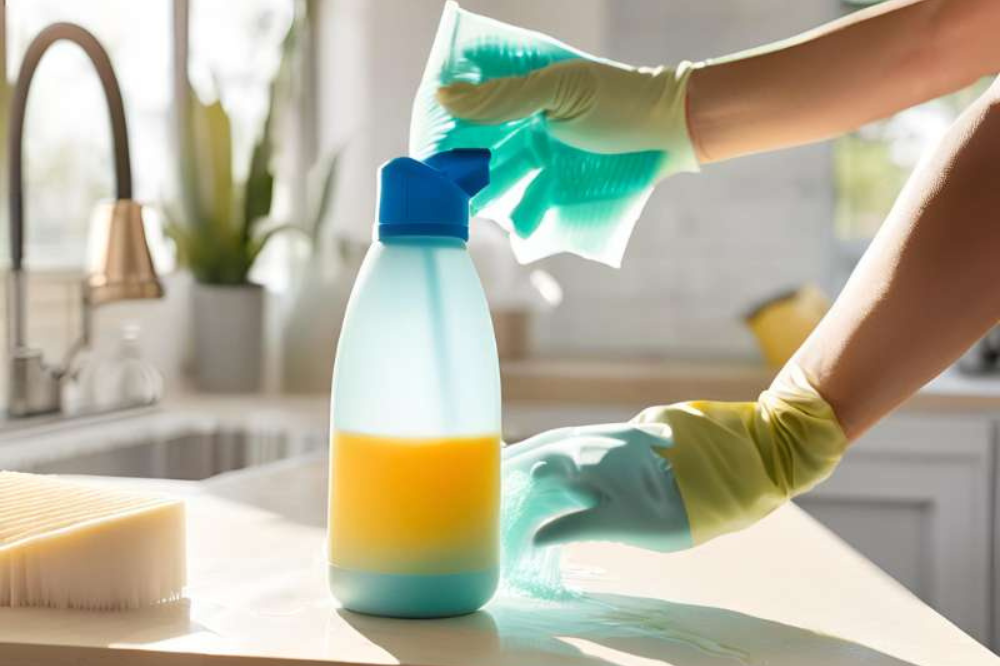
Cleaning a moldy silicone water bottle requires the use of safe and effective cleaning solutions. Here are some DIY solutions and products that can help remove mold from your silicone rubber container:
| Cleaning Solution | Ingredients | Instructions |
|---|---|---|
| Vinegar and Baking Soda Solution | 1 part white vinegar 1 tablespoon baking soda |
|
| Lemon Juice and Salt Solution | 2 tablespoons lemon juice 1 tablespoon salt |
|
| Hydrogen Peroxide Solution | 3% hydrogen peroxide |
|
Alternatively, you can purchase cleaning solutions specifically designed for silicone water bottles. Look for products that are non-toxic and safe for food-grade containers. Follow the instructions provided by the manufacturer.
Note: Before using any cleaning solution on your silicone water bottle, make sure to read the manufacturer’s instructions and check for any warnings about using certain products.
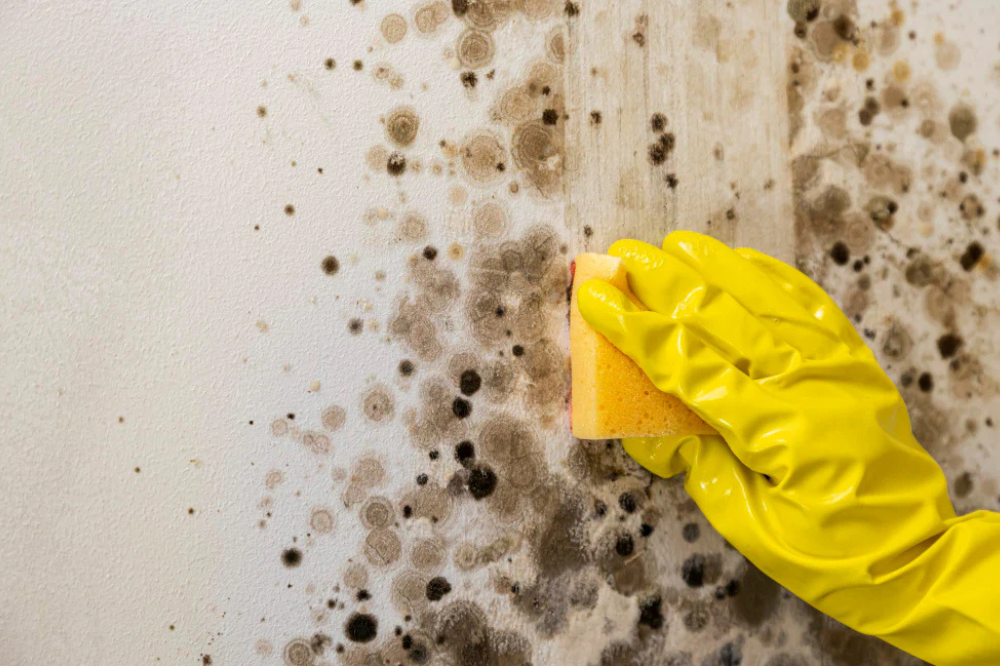
Once you have used a cleaning solution and removed visible mold from your silicone rubber water bottle, it’s time to give it a thorough scrubbing and disinfecting. These steps are crucial in ensuring complete mold removal and preventing its regrowth. Here are some tips and techniques to follow:
By following these tips and techniques, you can thoroughly scrub and disinfect your silicone rubber water bottle, ensuring complete mold removal. Remember to practice regular cleaning and maintenance to prevent mold growth in the future.
Once you have successfully removed mold from your silicone water bottle, it is crucial to take necessary measures to avoid any future mold growth. By practicing good hygiene and adopting proper techniques, you can maintain your water bottle clean and safe for longer periods of time.
After cleaning the bottle, it is essential to let it dry completely before storing it. Moisture is the main cause of mold growth, and damp conditions can quickly turn a clean bottle into a breeding ground for mold. To prevent this, be sure to shake out any excess water and let the bottle air dry upside down on a dish rack or paper towel.
The way you store your silicone water bottle can also impact mold growth. Avoid storing it in a dark and damp place as these are the ideal conditions for mold growth. It is best to store the bottle in a cool and dry place, away from direct sunlight. Additionally, try to keep the lid off when storing to allow air circulation and prevent the growth of mold.
Tip: If you plan to store the bottle for an extended period, consider disassembling it completely, and keep the parts separately. This makes cleaning and storing easier and lowers the chances of mold growth.
To keep your silicone water bottle mold-free, regular maintenance is crucial. Follow these guidelines for cleaning and maintenance to ensure your water bottle remains in optimal condition and prevents mold from recurring:
By following these simple maintenance guidelines, you can enjoy fresh, mold-free water from your silicone water bottle every time.

Besides regular maintenance and cleaning, you can follow some simple tips to prevent mold growth on your silicone water bottle. By taking proactive measures to minimize moisture, you can reduce the risk of mold growth. Here are some additional tips:
By following these tips, you can help prevent mold growth and keep your silicone water bottle clean and safe to use.
Removing mold from a silicone water bottle is crucial for a safe and hygienic hydration experience. By following effective DIY cleaning techniques and using the right solutions, you can eliminate mold and prevent future growth. Regular maintenance and preventive measures further ensure your bottle stays mold-free. For severe cases, professional services like Mold Removal Miami or Fixmold provide expert assessment, prevention, and remediation. Follow these tips for thorough mold removal, ongoing maintenance, and prevention to keep your silicone water bottle clean, safe, and ready for daily use.
Cleaning mold from items like silicone rubber water bottles is important for personal health, but larger or persistent mold problems in your home may require professional attention. If you’re dealing with stubborn or widespread mold growth, our Mold Remediation Services in Cape Coral provide effective solutions to remove mold and help prevent it from returning.
To remove mold from a silicone rubber water bottle, you can use a mixture of vinegar and water or a solution of hydrogen peroxide and water. Fill the bottle with the chosen cleaning solution, let it sit for a few hours or overnight, then scrub it using a bottle brush. Rinse thoroughly with clean water to remove any residue.
Removing mold from silicone water bottles is essential because mold can be a health hazard and can affect the taste and smell of your water. Mold thrives in moist environments, and silicone bottles provide the ideal conditions for its growth. By regularly removing mold and preventing its growth, you can ensure a clean and safe drinking experience.
To identify mold in your silicone water bottle, look for dark spots or discoloration, a slimy or fuzzy texture, or a musty smell. If you notice any of these signs, it’s likely that mold is present. In some cases, mold may be visible in hard-to-reach areas, so it’s important to thoroughly inspect your water bottle.
There are several safe and effective cleaning solutions for removing mold from silicone water bottles. Some options include a mixture of vinegar and water, a solution of hydrogen peroxide and water, or a baking soda paste. These solutions are non-toxic and can help eliminate mold effectively.
After applying the cleaning solution, use a bottle brush to scrub the interior of the silicone water bottle thoroughly. Pay close attention to any areas where mold may be present. Rinse the bottle with clean water to remove any residue. To further disinfect the bottle, you can soak it in a mixture of water and bleach (1 tablespoon of bleach per gallon of water) for a few minutes, then rinse it thoroughly.
To prevent mold growth on your silicone water bottle, ensure that the bottle is completely dry before storing it. Avoid sealing the bottle while it is still wet or damp, as this creates a favorable environment for mold to grow. Additionally, store the bottle in a well-ventilated area to allow for air circulation.
Regular maintenance is crucial for keeping your silicone water bottle mold-free. Clean the bottle thoroughly at least once a week using a mixture of vinegar and water, hydrogen peroxide and water, or a mild dish soap. Scrub the bottle well, paying attention to any areas where mold may develop. Rinse it thoroughly and allow it to air dry completely before storing.
While professional mold removal services are typically not required for silicone water bottles, they may be necessary in extreme cases. If you have tried various cleaning methods and the mold persists, you can contact Mold Removal Miami or Fixmold for professional assistance. They are highly-rated mold assessment, prevention, and remediation services in Florida.
In addition to regular cleaning and proper drying, there are a few extra tips you can follow to minimize the risk of mold growth on your silicone water bottle. Avoid leaving the bottle in direct sunlight for extended periods, as heat and sunlight can promote mold growth. It’s also advisable to replace your silicone water bottle every six to twelve months to ensure optimal hygiene and prevent mold buildup.
