1000+ 5-STAR REVIEWS




Recommended All Over Florida
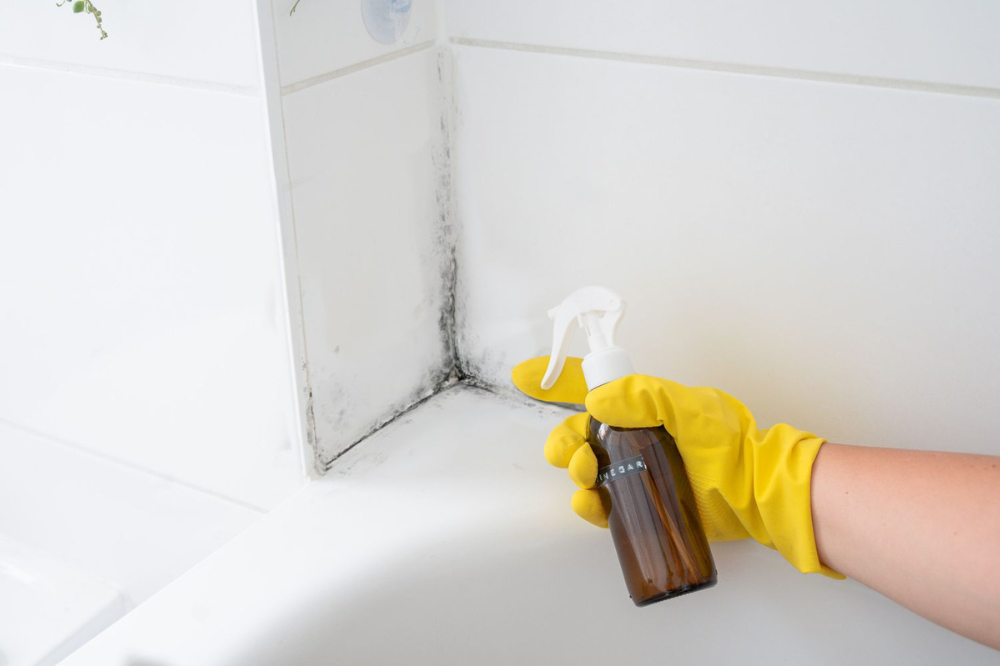
If you are dealing with mold in your home, you may be wondering how to get rid of it safely and naturally. The good news is that vinegar is an effective and natural solution for DIY mold removal.
Cleaning mold with vinegar is an eco-friendly and wallet-friendly way to address mold and mildew issues in your home. Vinegar is a powerful natural cleaner and disinfectant that can effectively kill mold and prevent its growth. Moreover, it eliminates the risks that come with using harsh chemical cleaners.
In this article, we will explore how to use vinegar for mold removal, including how to prepare the area, apply vinegar safely and effectively, and prevent mold growth. We will discuss the safety of vinegar for home use and its effectiveness in killing mold. With the right techniques and precautions, you can tackle mold and mildew issues in your home safely and affordably using vinegar.
Before delving into the process of mold removal using vinegar, it’s essential to understand the nature of mold and mildew. Mold is a type of fungus that thrives in moist environments and reproduces by producing spores. Mildew, on the other hand, is a type of mold that predominantly grows on organic surfaces and has a powdery appearance.
Exposure to mold and mildew can trigger allergic reactions, respiratory problems, and skin irritation. Eliminating them is crucial in maintaining a healthy living environment.
Mold and Mildew Removal Solution: Vinegar Mold Spray
Using vinegar mold spray is one effective way of removing mold and mildew naturally and safely. The acidity of vinegar makes it an excellent cleaner, and when combined with water, it can tackle mold growth effortlessly.
A vinegar spray solution can be made using equal parts of vinegar and water. In cases where there’s extensive mold growth, a higher concentration of vinegar is recommended.
Mold and mildew come in various types and colors, each with unique characteristics. While some types of mold are harmless and pose no significant health risks to humans, others can be hazardous. The most common types of mold found in homes include:
| Type of Mold | Appearance | Health Risks |
|---|---|---|
| Aspergillus | Green, yellow, black, or brown | Respiratory infections, allergic reactions, and lung inflammation. |
| Cladosporium | Green, yellow, brown, or black | Asthma and respiratory infections |
| Stachybotrys | Greenish-black | Lung bleeding and infection |
It’s worth noting that regardless of the type of mold or mildew present in your home, it’s recommended to seek professional assistance if there is extensive growth or frequent mold infestations.
When it comes to natural mold removal, vinegar is a popular choice due to its acidic properties that can effectively kill mold and prevent its growth. Unlike harsh chemical cleaners, vinegar is safe and a natural cleaning agent. In this section, we will discuss how vinegar works to remove mold safely and effectively, and guide how to use vinegar to eliminate mold from your home.
Vinegar’s acidic nature disrupts the cell structure of mold, leading to its destruction. It can penetrate porous surfaces that other products may not reach, making it an effective solution for mold growing in tight spaces such as grout lines, deep cracks, and crevices.
To make a vinegar and water mold cleaner, mix equal parts of distilled white vinegar and water in a spray bottle. Alternatively, you can use straight vinegar for areas where mold growth is more severe, and for non-porous surfaces such as tiles and tubs. To use, spray the affected area with the solution and let it sit for an hour. Then, wipe it away with a damp cloth or rinse with water for better results.
By utilizing vinegar for cleaning, you can not only remove mold but also prevent future growth. Vinegar’s acidic nature makes it challenging for mold to grow, inhibiting its growth and spread. Regularly cleaning areas that are prone to mold growth, such as bathrooms, kitchens, and basements, with vinegar can help keep mold at bay.
In addition to using vinegar, there are other tips and tricks for effective mold removal. For instance, adding essential oils such as tea tree oil, eucalyptus, or thyme oil can enhance vinegar’s ability to kill mold due to their antifungal properties. Moreover, wearing protective gear such as gloves, goggles, and long sleeves is advisable to prevent any health hazards from mold exposure.
Vinegar is an effective and natural solution for mold removal, but it’s crucial to take necessary safety precautions to protect yourself while handling it. Here are some safety considerations to keep in mind:
By following these safety tips, you can safely and confidently use vinegar for mold removal.
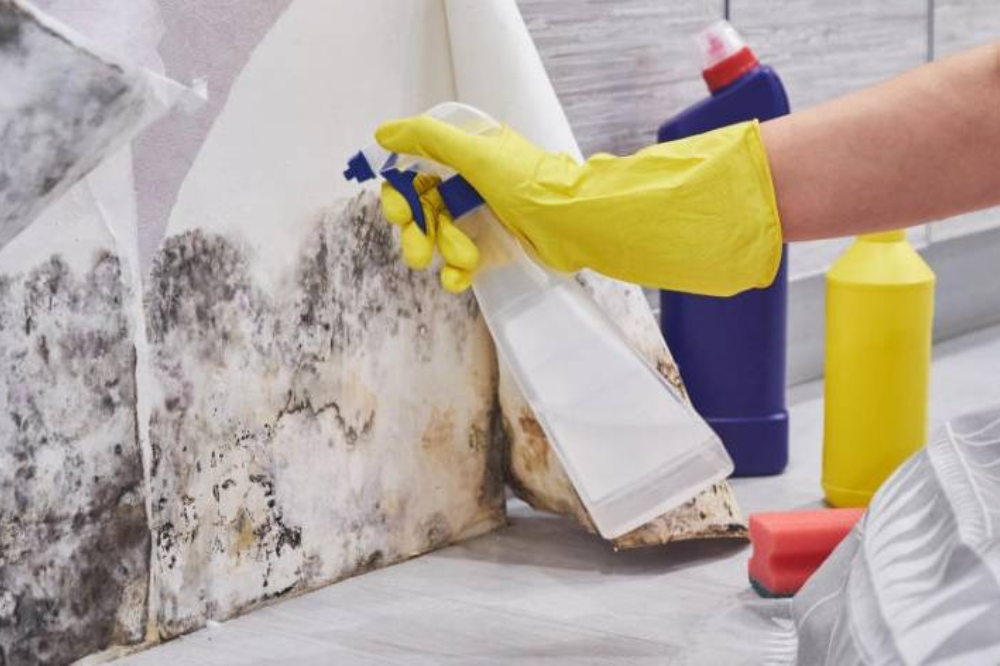
Before taking on mold removal with vinegar, there are important steps that must be taken to ensure efficiency, effectiveness, and safety. Proper preparation is key to preventing the spread of spores and ensuring that mold doesn’t return. Below are the steps to follow to prepare your home for successful mold removal:
Following these steps will allow you to clean mold with vinegar safely and effectively, ensuring that mold doesn’t pose a threat to your health or home.
Now that the area is prepared, it’s time to apply vinegar to remove the mold. Vinegar is a natural and effective solution for mold removal, with its acidic properties helping to kill the mold and prevent further growth. There are different ways to apply vinegar, depending on the type of mold and the surface it is on.
The simplest way to use vinegar for mold removal is by spraying it directly onto the affected area. Fill a spray bottle with undiluted vinegar and apply it to the moldy surface, making sure to saturate it properly. Allow the vinegar to sit for at least an hour before scrubbing the surface with a brush or sponge and rinsing it with water. For more stubborn mold, repeat the process until it’s completely gone. Remember, vinegar is safe for use on most surfaces, but it’s always a good idea to test it on a small, inconspicuous area first.
Another way to apply vinegar is by soaking the affected item in it. For example, if you want to remove mold from clothes, soak them in a mixture of vinegar and water (one cup of vinegar per gallon of water) for a few hours before washing them as usual. Vinegar can also be used to remove mold from carpets, upholstery, and other fabrics by saturating them with the vinegar and water mixture and allowing it to soak for at least an hour before scrubbing and rinsing with water.
While vinegar is a powerful mold remover, the concentration of vinegar needed for different types of mold varies. Here are some recommended vinegar concentrations:
| Type of Mold | Vinegar Concentration |
|---|---|
| Black Mold | Undiluted Vinegar |
| Mildew | Undiluted or 50/50 Vinegar and Water |
| Other Types of Mold | 80/20 Vinegar and Water |
It’s important to note that using vinegar with a higher acidity (i.e., more concentrated) on certain surfaces, such as stone or marble, can damage them. Always check with the manufacturer or do a spot test before using vinegar on these types of surfaces.
By applying vinegar effectively, you can easily remove mold and ensure a clean and healthy living environment. In the next section, we will discuss techniques for treating stubborn mold with vinegar.
While vinegar is known for its effectiveness in removing mold, some cases may require additional effort to eliminate stubborn growth. Here are some tips and techniques on how to use vinegar to tackle mold that won’t go away:
If you’re dealing with persistent mold growth, you may want to consider using a vinegar mold spray. This spray is made by mixing equal parts of vinegar and water in a spray bottle, then thoroughly saturating the affected area. Allow the spray to sit on the moldy surface for at least an hour before wiping it away with a damp cloth.
If the vinegar mold spray doesn’t do the trick, try leaving the mixture on the moldy surface for an extended period. Cover the surface with a damp towel or rag soaked in the vinegar solution, and let it sit overnight. This will give the vinegar more time to penetrate the mold and break it down.
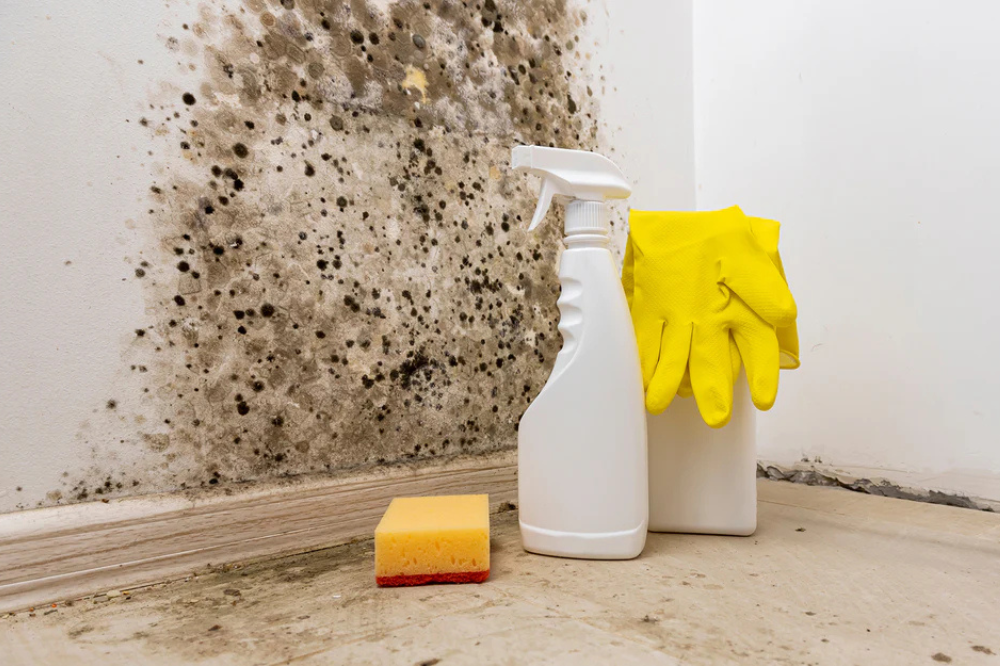
Tip: For tough mold stains, create a paste by mixing vinegar and baking soda. Apply the paste to the affected area and let it sit for at least 30 minutes before scrubbing it away with a brush.
Remember to wear protective gear such as gloves and a mask when cleaning stubborn mold with vinegar. With persistence and the right techniques, vinegar can effectively remove even the most challenging mold growth.
After successfully removing mold using vinegar, it’s essential to take proactive steps to prevent its regrowth. By following these preventive measures, you can maintain a mold-free home environment, ensuring the safety and well-being of your family.
Ventilation plays a crucial role in preventing mold growth. Ensure that the air circulates well in your home. Proper ventilation reduces moisture levels in the air, which is critical as mold thrives in moist environments.
Reducing moisture levels is key to preventing mold growth. The EPA recommends keeping indoor humidity levels between 30% and 60%. Using a dehumidifier, fixing leaky pipes, and repairing water damage immediately are all effective ways to control moisture levels in your home.
Regular inspections are essential to prevent mold growth. Check the area around pipes, air conditioning units, and windows where condensation typically builds up. A quick inspection can identify problems before they become severe and more difficult to fix.
Adding vinegar to your regular cleaning routines can help prevent mold growth. Use the same vinegar and water mixture to clean surfaces where mold commonly grows, such as bathrooms and kitchens. Vinegar’s acidic properties make it hard for mold spores to survive and prevent future growth.
“Prevention is better than cure,” said Desiderius Erasmus. Regular maintenance of your home can prevent the accumulation of moisture and mold growth.
Aside from the basic steps outlined in previous sections, there are additional tips and tricks you can apply to maximize the effectiveness of vinegar for mold removal. Consider the following:
Although vinegar alone is a potent mold killer, you can combine it with other natural ingredients to create a more effective solution. For instance, you can mix one part vinegar and one part baking soda to create a powerful mold-fighting paste. You can also add a few drops of tea tree oil to your vinegar solution for added antimicrobial properties.
While vinegar can be used to clean mold in virtually any area of your home, it may be particularly effective in certain areas. For instance, you can use vinegar to clean mold off bathroom tiles, shower curtains, and fixtures. You can also use vinegar to remove mold from window sills, basement walls, and curtains.
Addressing common mold-related issues in your home can help prevent mold growth and make it easier to clean existing mold. For instance, consider the following:
By addressing these issues, you can significantly reduce your risk of mold growth and make it easier to clean existing mold with vinegar.
“With vinegar’s acidic properties, mold removal can be safe, easy, and effective. By utilizing these additional tips, you can take your mold cleaning skills to the next level.”
While DIY mold removal with vinegar can be effective, there are cases where professional assistance is necessary. If you have a large mold problem (more than 10 square feet), toxic black mold, or underlying moisture issues, it’s best to call in the experts. Attempting to handle these situations yourself can lead to further health hazards and property damage.
If you’re unsure whether you need professional help, a mold inspection can provide clarity. Fixmold is here to help. Our licensed and certified specialists offer comprehensive mold assessments, prevention, and remediation services to keep your home safe and healthy.
| Our Mold Services: | Contact Information: |
|---|---|
| Mold Inspections & Testing | Phone: 305-293-9229 |
| Mold Prevention & Remediation | Email: info@fixmolddamage.com |
| Toxic Black Mold Removal | Address: 2830 NW 79th Ave, Doral, FL 33122 |
Remember, mold growth can be dangerous to your health and well-being. It’s crucial to address the problem promptly and effectively. Call Fixmold today for a free consultation and quote.
In conclusion, vinegar is a safe, natural, and effective solution for tackling mold and mildew. Its acidic properties make it a powerful tool for cleaning, while remaining eco-friendly and harmless to your family and pets. By following proper safety measures and the step-by-step guidance in this article, you can effectively remove mold and help prevent its return. For persistent or severe mold issues, it’s always best to consult a professional remediation specialist like Fixmold. Using vinegar allows you to maintain a cleaner, healthier, and chemical-free living environment with ease.
Following a structured, step-by-step mold remediation process is essential for safe and long-lasting results. FixMold offers dependable mold remediation services in Lantana, ensuring every stage—from inspection to final clearance—is handled by certified professionals.
Yes, vinegar is an effective natural solution for cleaning mold. Its acidic properties help to kill mold spores and prevent further growth. Plus, vinegar is safe for use in the home and doesn’t release harmful chemicals into the air.
To clean mold with vinegar, you can create a vinegar and water mold cleaner by mixing equal parts vinegar and water. Spray the solution onto the affected area and let it sit for at least one hour. Then, scrub the mold off with a brush or sponge and rinse with water.
Yes, vinegar can kill both mold and mildew. The acetic acid in vinegar has antimicrobial properties, making it effective in eliminating mold and mildew. Regular vinegar application can also help to prevent their growth and recurrence.
Yes, vinegar is safe to use for mold removal. It is a natural and non-toxic alternative to chemical cleaners. However, it’s important to take safety precautions, such as proper ventilation and wearing gloves, when using vinegar for mold removal.
In most cases, vinegar is effective in removing mold. However, for stubborn mold, you may need to use a stronger vinegar concentration or leave the vinegar on the mold for a longer period. You can also try using a vinegar mold spray for targeted application.
Using vinegar regularly can help prevent mold growth. Spray a vinegar and water solution on surfaces prone to mold, such as bathrooms and basements, to create a mold-resistant environment. Additionally, ensure proper ventilation and address any sources of excess moisture in your home.
If you have a severe mold infestation, extensive mold damage, or underlying structural issues, it’s best to seek professional help. Fixmold, Florida’s highest-rated In-Mold Assessments, Prevention, and Remediation, can provide expert assistance in assessing, preventing, and remedying mold issues.
