1000+ 5-STAR REVIEWS




Recommended All Over Florida
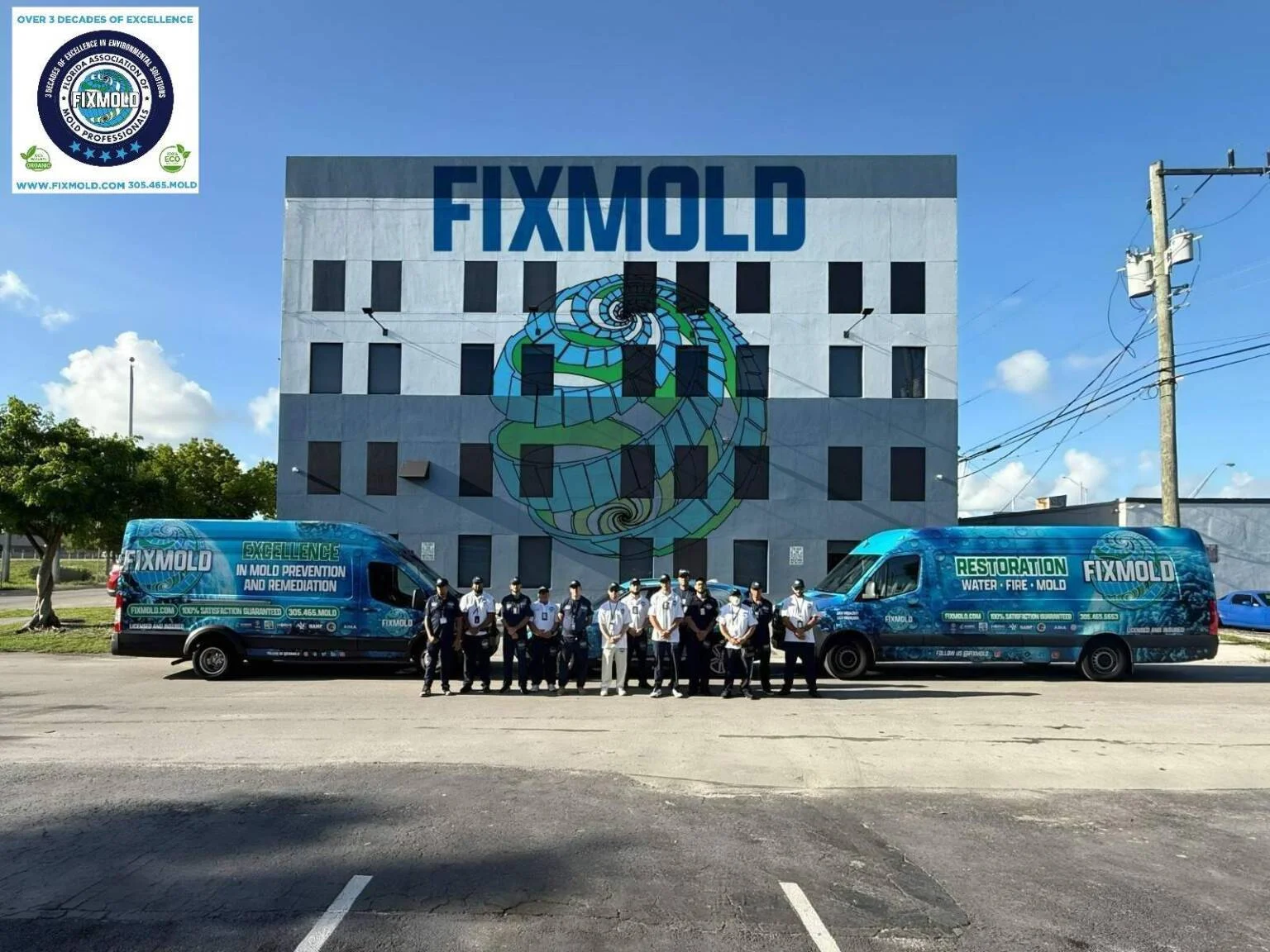
Climate change is transforming weather patterns across South Florida, bringing higher humidity levels, stronger storms, rising sea levels, and more frequent flooding. These environmental shifts are not just outdoor concerns — they directly affect indoor environments, increasing the risk of mold growth in homes and commercial properties.
Warm temperatures combined with excess moisture create ideal conditions for mold to thrive. As climate patterns intensify across South Florida, property owners are seeing more water intrusion, condensation buildup, and prolonged damp conditions. Even small leaks or temporary flooding can trigger rapid mold growth within 24 to 48 hours.
Why Climate Change Increases Mold Growth
Climate change affects mold risk in several key ways:
Higher humidity levels
Warmer air holds more moisture, increasing indoor condensation on walls, ceilings, and HVAC systems.
Stronger storms and flooding
Heavy rainfall and storm surge allow water to enter buildings through roofs, foundations, and windows.
Rising sea levels
Saltwater intrusion and groundwater rise contribute to chronic moisture exposure.
Longer wet seasons
Extended rainy periods slow drying time, allowing mold to spread deeper into building materials.
Health and Property Risks of Mold
Unchecked mold growth can damage drywall, insulation, flooring, and structural components. More importantly, mold spores can reduce indoor air quality and contribute to respiratory irritation, allergies, and other health concerns. In humid coastal environments, mold problems often return unless moisture sources are fully addressed.
How FixMold Protects Your Property
Professional mold remediation is no longer just a repair service — it is climate resilience. FixMold provides comprehensive protection through:
By identifying hidden moisture sources and addressing environmental conditions, FixMold helps property owners adapt to Miami’s changing climate and maintain healthier indoor spaces.
Prevention Is the Best Defense
To reduce mold risk in a changing climate:
Climate Awareness Means Mold Awareness
As climate change continues to reshape coastal environments, mold prevention is becoming an essential part of property maintenance. Proactive monitoring, fast response to moisture, and professional remediation can help protect both health and structural integrity.
In a climate where humidity and flooding are increasing, prevention is no longer optional — it is necessary for long-term property protection.
ClimateChangeImpact #MoldPrevention #MoldRemediation #IndoorAirQuality #HealthyHomes #HumidityControl #FloodPreparedness #EnvironmentalHealth #PropertyProtection #HomeSafety
