




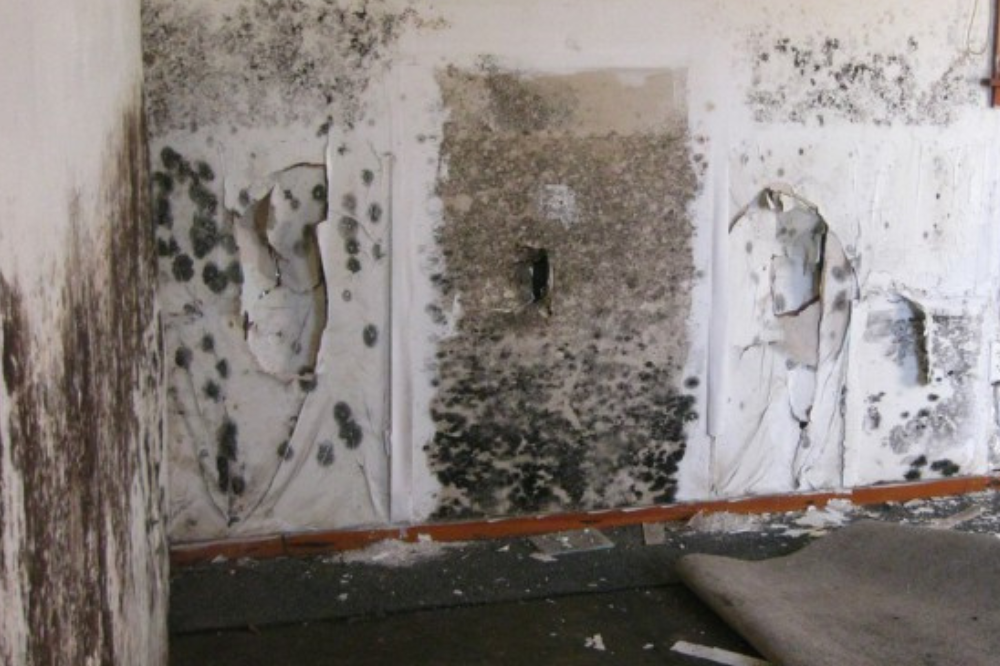
Mold is a common yet often underestimated problem in buildings, capable of affecting both structural integrity and the health of occupants. It thrives in damp, humid environments and can spread quickly if left unaddressed, leading to costly repairs and potential health concerns, including allergies, respiratory issues, and weakened immunity. Understanding how and why mold appears is the first step toward creating safer, healthier living and working spaces.
In this blog, we’ll explore the prevalence of mold in different types of buildings, the health risks linked to exposure, and the importance of timely prevention and remediation. By the end, you’ll have a clearer understanding of the significance of mold assessment, prevalence rates across various building types, and why seeking professional mold remediation services is essential. So, let’s dive in and uncover key insights to help you stay proactive and protect your environment.
Understanding Mold in Buildings
Mold can be a common issue in buildings, but understanding its nature and causes is key to addressing the problem effectively. Let’s explore some important aspects of mold in buildings:
A. Definition and Causes of Mold
- What is mold? Mold is a type of fungus that thrives in damp and humid environments. It often appears as a fuzzy growth on various surfaces, such as walls, ceilings, and even furniture.
- What causes mold in buildings? Mold growth is typically triggered by excess moisture, which can result from factors like water leaks, high humidity levels, inadequate ventilation, or even flooding. When these conditions are present, mold spores can multiply and form colonies.
B. Health Risks Associated with Mold
- Why is mold a concern? Mold can have adverse effects on human health, particularly for individuals with allergies, respiratory conditions, or weakened immune systems. Prolonged exposure to mold spores may lead to symptoms like nasal congestion, coughing, sneezing, skin irritation, or even respiratory infections.
- The importance of mold prevention and remediation: Taking proactive measures to prevent and address mold issues is essential for maintaining a healthy indoor environment. By addressing moisture problems, improving ventilation, and promptly addressing any signs of mold growth, you can help minimize the associated health risks.
Remember, identifying and addressing mold issues early is crucial to prevent further damage and maintain a safe living or working environment. In the next section, we’ll delve into the statistical analysis of mold occurrence in buildings.
Statistical Analysis of Mold Occurrence
When it comes to mold in buildings, understanding the prevalence rates and occurrence patterns is crucial for developing effective mold management strategies. Let’s explore some key aspects of mold occurrence in buildings:
A. Mold Prevalence in Buildings
- What is the prevalence of mold in different types of buildings? Studies have shown that mold can be found in various types of buildings, including residential, commercial, industrial, and educational structures. The exact prevalence rates may vary, but mold can be a common issue in many built environments.
- Why is mold assessment important? Assessing the presence and extent of mold in buildings is essential for understanding the scope of the problem. Professional mold assessment services can provide accurate evaluations, helping to determine the necessary remediation steps.
B. Comparative Analysis of Mold Occurrence
- Do certain building materials or structures have higher mold occurrence rates? Mold occurrence can vary depending on factors such as the building’s construction materials, design, and maintenance practices. Some materials, like drywall or carpeting, may be more susceptible to mold growth if exposed to moisture.
- What factors contribute to differences in mold prevalence? Apart from building materials, factors such as location, climate, indoor humidity levels, and maintenance practices can also influence mold growth and prevalence rates. Understanding these factors can guide proactive mold prevention measures.
By analyzing mold occurrence data, we can gain valuable insights into the extent of the problem and make informed decisions about mold remediation strategies. In the next section, we’ll explore the factors that influence mold growth in buildings.
Factors Influencing Mold Growth
Understanding the factors that contribute to mold growth in buildings can help us implement effective prevention and mitigation strategies. Let’s explore some key factors that influence mold growth:
A. Building Conditions and Maintenance
- How do building conditions affect mold growth? Buildings with water leaks, poor ventilation, or high humidity levels create an ideal environment for mold to thrive. It’s important to address these issues promptly to prevent mold growth.
- Why is regular maintenance crucial? Proper building maintenance, including routine inspections, prompt repair of water leaks, and adequate ventilation, can significantly reduce the risk of mold growth.
B. Climate and Environmental Factors
- How does climate affect mold growth? Certain climates with high humidity levels or frequent rainfall provide favorable conditions for mold growth. It’s essential to implement moisture control strategies, such as dehumidifiers or proper insulation, in areas prone to high humidity.
- What are the environmental factors to consider? Factors like proximity to bodies of water, surrounding vegetation, and exposure to outdoor mold spores can also contribute to indoor mold growth. Understanding these factors can help in devising effective prevention measures.
By addressing building conditions, implementing regular maintenance practices, and considering the impact of climate and environmental factors, we can reduce the risk of mold growth in buildings. In the next section, we’ll explore the importance of professional mold assessment and remediation services.
Mold Assessment and Remediation Services
When dealing with mold issues in buildings, seeking professional mold assessment and remediation services is crucial. Let’s explore the importance of these services and how they can help address mold problems effectively:
A. Importance of Professional Mold Assessment
- Accurate mold detection: Professional mold assessment experts have the knowledge and tools to accurately detect and assess mold presence in buildings. Their expertise ensures a comprehensive evaluation of the extent of the mold problem.
- Identification of underlying causes: Professionals can identify the root causes of mold growth, such as hidden water leaks or inadequate ventilation. Addressing these causes is vital for preventing future mold issues.
- Tailored remediation plans: Based on the assessment, professionals can develop customized mold remediation plans that address the specific mold problem in your building. This approach ensures effective and targeted mold removal.
B. Mold Remediation Techniques
- Safe and effective mold removal: Certified mold remediation professionals follow industry best practices to safely and effectively remove mold from affected areas. They use specialized equipment and techniques to ensure thorough remediation.
- Preventing mold recurrence: Professionals not only remove visible mold but also take preventive measures to minimize the chances of mold recurrence. This may include drying affected areas, improving ventilation, and applying mold-resistant coatings.
By engaging professional mold assessment and remediation services, you can be confident in tackling mold issues efficiently and effectively. These experts possess the knowledge and experience to ensure a safe and healthy environment for occupants. In the concluding section, we’ll summarize the key points discussed throughout the article.
Conclusion
Mold thrives in damp, humid environments and can pose serious health risks, especially for individuals with allergies, respiratory issues, or weakened immune systems. It can develop in residential, commercial, industrial, and educational buildings, influenced by climate, maintenance practices, and environmental factors. Preventing and addressing mold growth is essential to maintaining a healthy indoor environment. Professional mold assessment and remediation services play a crucial role in accurately detecting mold, identifying root causes, and ensuring safe, thorough removal using industry best practices. By staying proactive and informed, you can protect your property and enjoy a cleaner, mold-free space.
Understanding how mold occurs and the impact it can have on a building is essential, but addressing significant mold growth often requires professional expertise. If mold is affecting your property and you need reliable removal and prevention services, our Mold Remediation Services in Belle Glade provide effective solutions to help protect your home or building.