Like what we publish? Pin Fixmold Miami as a preferred source on Google.
New Findings Reveal a Hidden Indoor Air Crisis Caused by HVAC Systems and Fiberglass Ductwork; Affecting Thousands of South Florida Homes and Buildings
Most people assume their HVAC system is protecting them—cooling the home, filtering the air, and reducing humidity. But what if the very system designed to keep you comfortable has quietly become one of the biggest threats to your indoor air quality and long-term health?
That’s the disturbing question Miami-based FixMold, South Florida’s premier indoor environmental services company, is now raising after uncovering alarming new evidence about deteriorating fiberglass ductwork, seam sealants, and aging HVAC materials commonly used in homes built over the past 40–50 years.
And the more their team investigated, the more they realized: this is not an isolated issue. This is a widespread indoor environmental hazard impacting homes, condos, office buildings, schools, and commercial structures across South Florida—and virtually no one is talking about it.
A Hidden Crisis Decades in the Making
South Florida has always been a challenging environment for buildings. High heat, relentless humidity, salt air corrosion, seasonal storms, flooding events, and rapid mold growth put enormous pressure on building materials. But homes and buildings constructed between the 1970s and early 2000s face an additional risk: they were built under completely different codes, standards, and material guidelines.
Back then, builders widely adopted fiberglass duct board, fiber-backed insulation, and a variety of HVAC sealants and mastics—many of which were not designed for multi-decade use in extreme climates like Miami.
Today, those materials are reaching the end of their life cycle. And the findings FixMold uncovered suggest they are not failing quietly—they are failing hazardously.
What’s the real problem?
According to FixMold’s Indoor Air Quality (IAQ) experts:
A growing number of HVAC systems in South Florida are actively shedding fiberglass particles, chemical residues, and embedded contaminants directly into home air supplies—where families breathe them in every day.
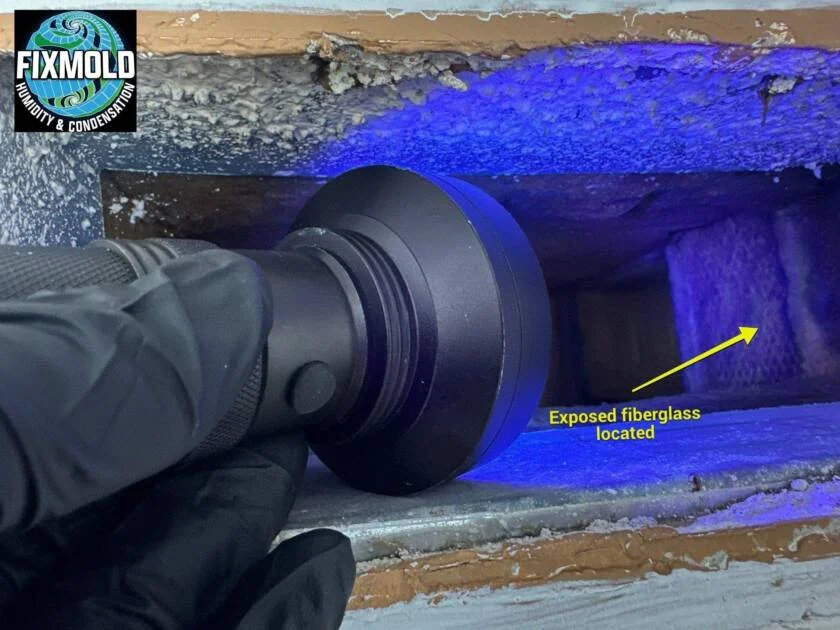
These are not minor fragments. Under a microscope, deteriorating duct board fibers appear sharp, microscopic, and easily inhaled. Once airborne, these particles can travel through every supply vent in the home.
When Fiberglass Fails, Everything Fails With It
Fiberglass duct board was originally popular for its low cost and insulating ability. But over time—and under constant exposure to moisture, negative pressure, vibration, microbial growth, and chemical reactions—this material can deteriorate into a brittle, dusty, fibrous surface.
When this breakdown begins, it creates the perfect storm:
1. Fiberglass Particles Become Airborne
Damaged duct board sheds tiny strands of fiberglass into the airstream. These can irritate the lungs, skin, and sinuses, and may cause chronic respiratory symptoms when exposure is ongoing.
2. Sealants and Mastics Break Down
Old adhesives and sealants can dry, crack, and crumble, releasing volatile organic compounds (VOCs) and other chemical residues.
3. Contaminants Bind to Fiberglass Particles
This is where the severity increases dramatically.
Fiberglass has a textured, porous surface capable of trapping and holding contaminants. Over time, these fibers may accumulate:
Mold spores
Bacteria and viruses
Carcinogenic VOCs
Chemical residues
Dust, dirt, and pollen
Insect debris
Rodent and pest droppings
Water-damage toxins
Odor-causing organic compounds
When the fiberglass degrades, all of these contaminants can become airborne together—creating a toxic particulate cocktail that spreads through every room.
4. Moisture Supercharges the Problem
In South Florida, moisture is everywhere.
When humidity permeates porous fiberglass duct board or deteriorated insulation, microbial growth becomes nearly unavoidable. Mold can colonize the surface—and once established—fiberglass acts as a distribution channel for spores.
This means residents may unknowingly experience:
Chronic allergies
Respiratory irritation
Persistent sinus problems
Asthma flare-ups
Eye and skin irritation
Fatigue and brain fog
Recurring illness
Strange odors that never go away
Many people mistakenly blame “seasonal allergies.” In reality, they may be experiencing the early health effects of a contaminated, deteriorating HVAC system.
“Miami, We Have a Problem.” – FixMold
While fiberglass duct issues are known within some specialized building science circles, public awareness remains shockingly low. Most homeowners never look inside their ductwork—and many HVAC technicians are not trained to identify or assess the health impact of deteriorated duct board or legacy sealants.
FixMold’s investigation came after observing a growing pattern in air quality test results, home inspections, and mold remediation projects throughout Miami-Dade, Broward, and Palm Beach counties.
Their IAQ specialists noticed:
Increasing airborne fiberglass levels in client homes
Repetitive contamination patterns associated with older HVAC systems
Sealants flaking into air handlers
Mold growth inside fiberglass-lined plenums
Cases where replacing filters or cleaning vents did nothing to improve symptoms
Families reporting illness that correlated with AC usage
The evidence was too consistent to ignore.
Expert Leadership in a Growing Crisis
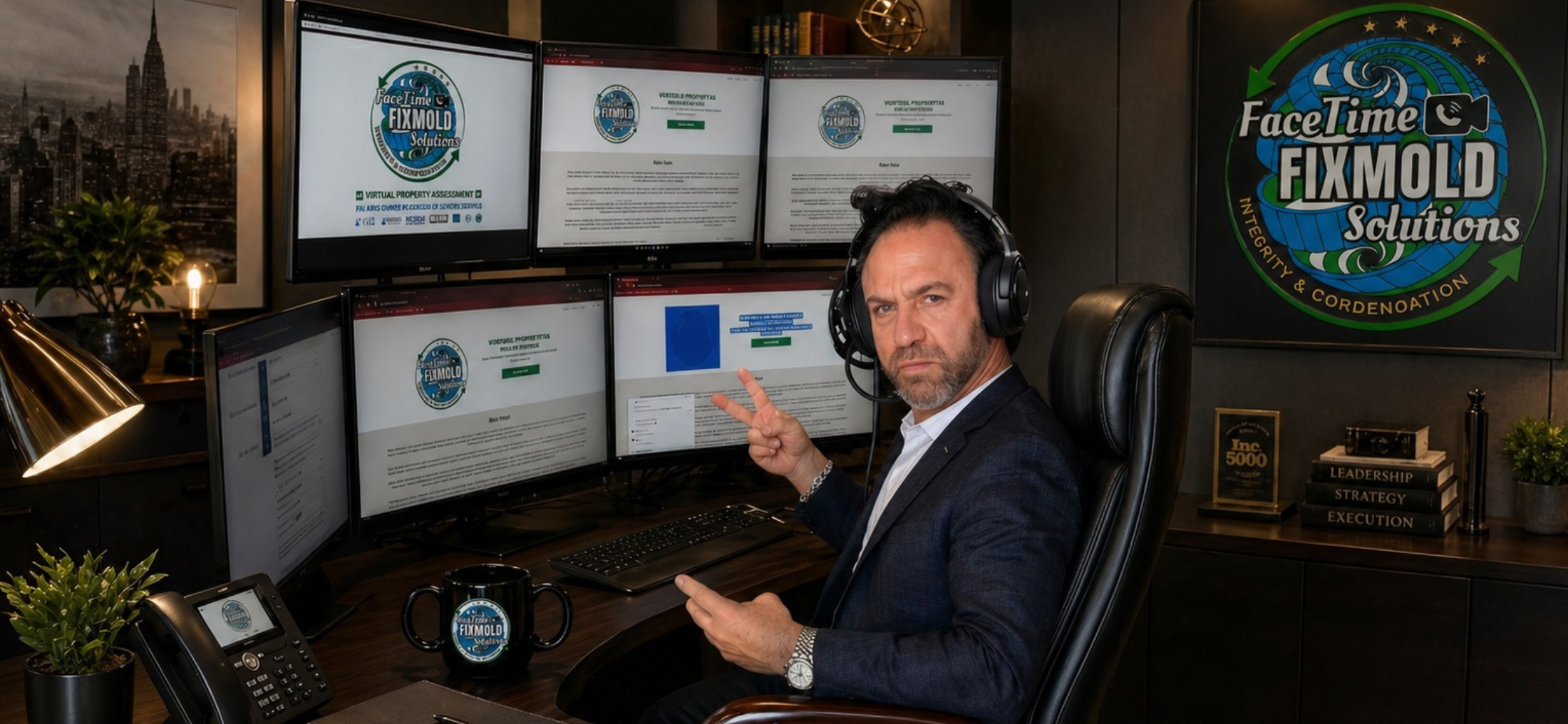
One of the key figures leading these findings is Moty Katz, a world-renowned authority on indoor environmental issues. His experience spans:
Founding multiple indoor environmental services companies from NYC to South Florida
Co-founding industry associations that shaped national best practices
Developing advanced remediation protocols
Leading disaster-response cleanup efforts following major storms
Contributing to legal frameworks still used today for mold litigation and environmental claims
When FixMold’s team brought this problem to Katz, he immediately recognized the seriousness:
A major portion of South Florida’s buildings may be circulating toxic fiberglass particles and bonded contaminants into indoor air—without homeowners having the slightest idea.
And for many families, replacing the entire HVAC system simply isn’t financially realistic.
So Katz and his team went to work.
Developing Real-World, Affordable Solutions
FixMold has spent years researching, testing, and refining science-based indoor environmental protocols. With the discovery of widespread fiberglass deterioration and sealant breakdown, they began designing new mitigation strategies to help homeowners who cannot immediately replace their ductwork or air handlers.
Their solutions may include:
Specialized IAQ testing for fiberglass particulate presence
Forensic inspection of ductboard degradation
Removal of contaminated duct sections
Advanced remediation when fiberglass becomes biologically active
Sealing and encapsulation protocols
AC system sanitation and microbial eradication
HEPA-based filtration strategies
Humidity and moisture control plans
Preventative maintenance programs
Indoor environmental monitoring
While every home is different, the message is clear:
This issue can be remediated—but only when it is identified.
Why This Matters Now More Than Ever
Indoor air quality has become one of the top environmental health concerns in the country. The EPA has long warned that indoor air can be 2–5 times more polluted than outdoor air. In moisture-heavy areas like Florida, the disparity can be even higher.
Combine that with:
Aging building materials
Historical construction practices
Widespread water damage events
Mold-friendly climate conditions
Hurricane recovery shortcuts
Cheap legacy sealants and duct board
Poor system maintenance
… and you have the perfect conditions for a regional indoor air crisis.
Many homeowners spend thousands on medical visits, allergy medications, air purifiers, and repeated HVAC cleaning—without ever discovering the true source of their symptoms.
Protecting Your Home and Health
If you live in South Florida—especially in a building constructed between 1975 and 2010—your HVAC system may be exposing you to deteriorating fiberglass and other airborne toxins.
The only way to know for sure is through a professional assessment.
Jerusha is a contributor at FixMold, specializing in mold remediation, indoor air quality, moisture control, and environmental wellness. She creates informative content focused on mold prevention, and advanced restoration solutions for residential and commercial properties.