Loose fiberglass insulation is commonly used in attics, walls, and crawl spaces to help regulate indoor temperatures. While it serves an important purpose, damaged or exposed fiberglass insulation can quickly become a serious indoor air quality concern—especially in humid environments like South Florida.
At FixMold, we regularly see cases where loose fiberglass fibers circulate through homes and commercial buildings, causing respiratory irritation, allergy symptoms, and long-term air quality issues. Understanding the risks is the first step toward protecting your space.
What Is Loose Fiberglass Insulation?
Loose fiberglass insulation is made of tiny glass fibers designed to trap air and improve energy efficiency. Over time, this insulation can become disturbed due to renovations, roof leaks, HVAC airflow, pest activity, or improper installation. When this happens, microscopic fiberglass particles can become airborne and enter your breathing space.
The Health Risks of Airborne Fiberglass
When fiberglass insulation breaks down or becomes exposed, the fibers can irritate the skin, eyes, nose, and lungs. Prolonged exposure may lead to:
Chronic coughing or throat irritation
Allergy-like symptoms
Asthma flare-ups or respiratory discomfort
Fatigue or headaches linked to poor indoor air quality
Because fiberglass particles are not always visible, many homeowners are unaware they’re being exposed daily.
How Fiberglass Spreads Through Your Home
Once disturbed, fiberglass fibers can travel through HVAC systems, ceiling penetrations, wall cavities, and ductwork. This allows particles to settle on surfaces, furniture, and inside air vents—making traditional cleaning methods ineffective.
How FixMold Treats Loose Fiberglass Contamination
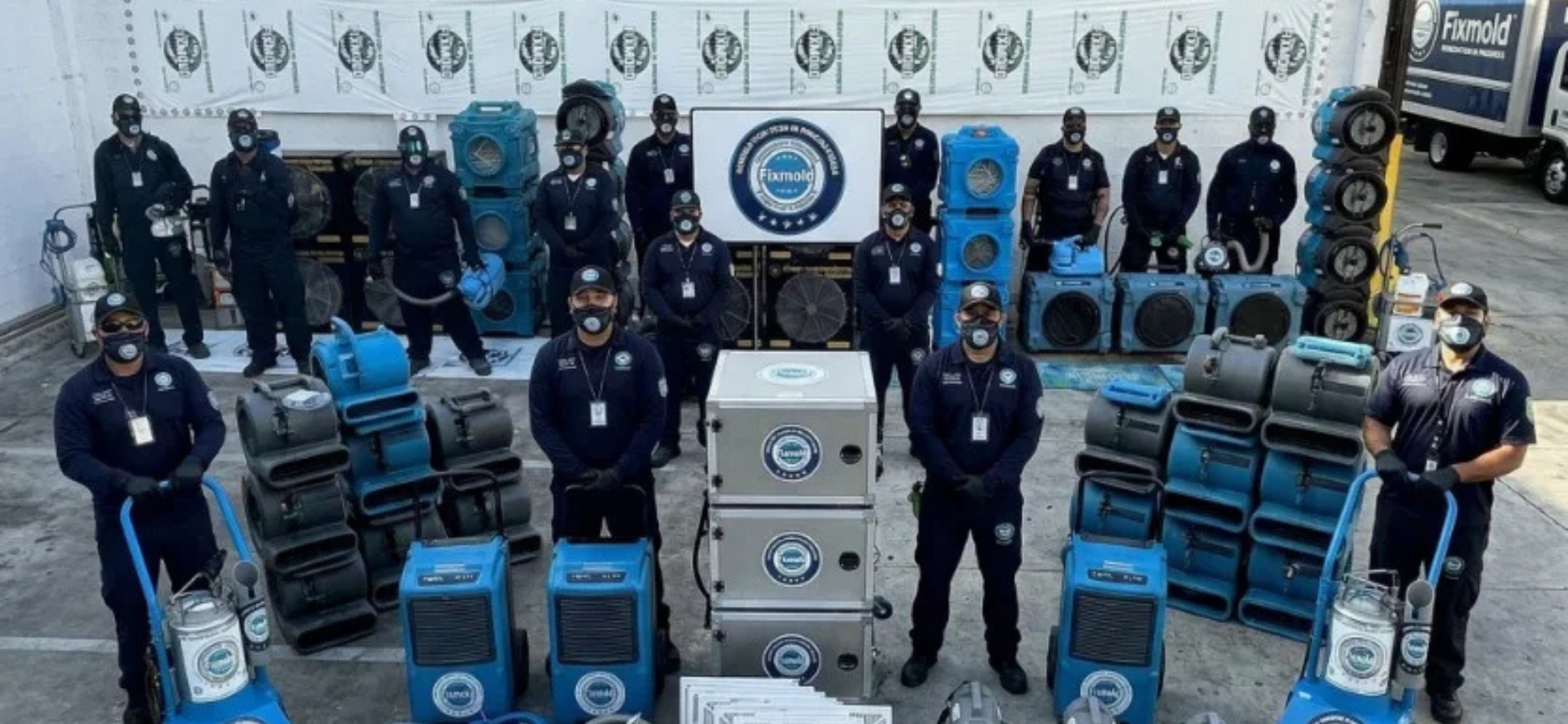
FixMold uses advanced containment, extraction, and air purification techniques specifically designed to address fiberglass contamination at its source.
Our process includes:
Professional assessment and air quality testing to identify fiberglass particle levels
Full containment to prevent further fiber spread
High-efficiency fiberglass extraction machines equipped with HEPA filtration
Targeted removal of contaminated materials when necessary
Air scrubbing and filtration to capture microscopic fibers from the breathing air
Post-treatment verification to ensure improved air quality
Our specialized equipment is designed to capture fiberglass particles that standard vacuums and filters simply cannot.
The FixMold Difference
Unlike surface-level cleaning companies, FixMold focuses on restoring healthy indoor air—not just removing visible debris. Our team follows strict protocols and uses industry-leading technology to deliver real, measurable results.
If you or your family are experiencing unexplained respiratory symptoms, or if your home has exposed insulation, FixMold can help identify the issue and provide a proven solution.
Breathe Cleaner, Safer Air with FixMold
Loose fiberglass insulation doesn’t have to compromise your comfort or health. With FixMold’s expert inspection and advanced remediation process, you can breathe easier knowing your indoor environment is protected.
📞 Contact FixMold today to schedule an inspection and take the first step toward cleaner indoor air.
#fixmoldmiami, #FixmoldMiami Solutions, #FixmoldMiamiMoldTesting, #FixmoldMiamiRemediation, #MiamiFIxmoldSpecialist, #FixmoldLLC, #FixmoldMiamiLLC, #FixmoldMotyKatz https://fixmold.com/locations/mold-remediation-belle-glade-fl/
Jerusha is a contributor at FixMold, specializing in mold remediation, indoor air quality, moisture control, and environmental wellness. She creates informative content focused on mold prevention, and advanced restoration solutions for residential and commercial properties.